Haverhill Water Damage Restoration
Call (833) 546-4116

Attic Water Damage Restoration in Haverhill

Stop the leak, dry the attic, protect your home


Attic Water Damage Restoration in Haverhill helps homeowners and property managers contain roof leaks, wet insulation, and water-stained ceilings before damage spreads. Our team traces the source, removes standing water, dries affected materials, and identifies what needs repair. Choose attic water damage repair Haverhill MA when a storm, ice buildup, or plumbing leak leaves your attic damp, musty, or visibly stained.

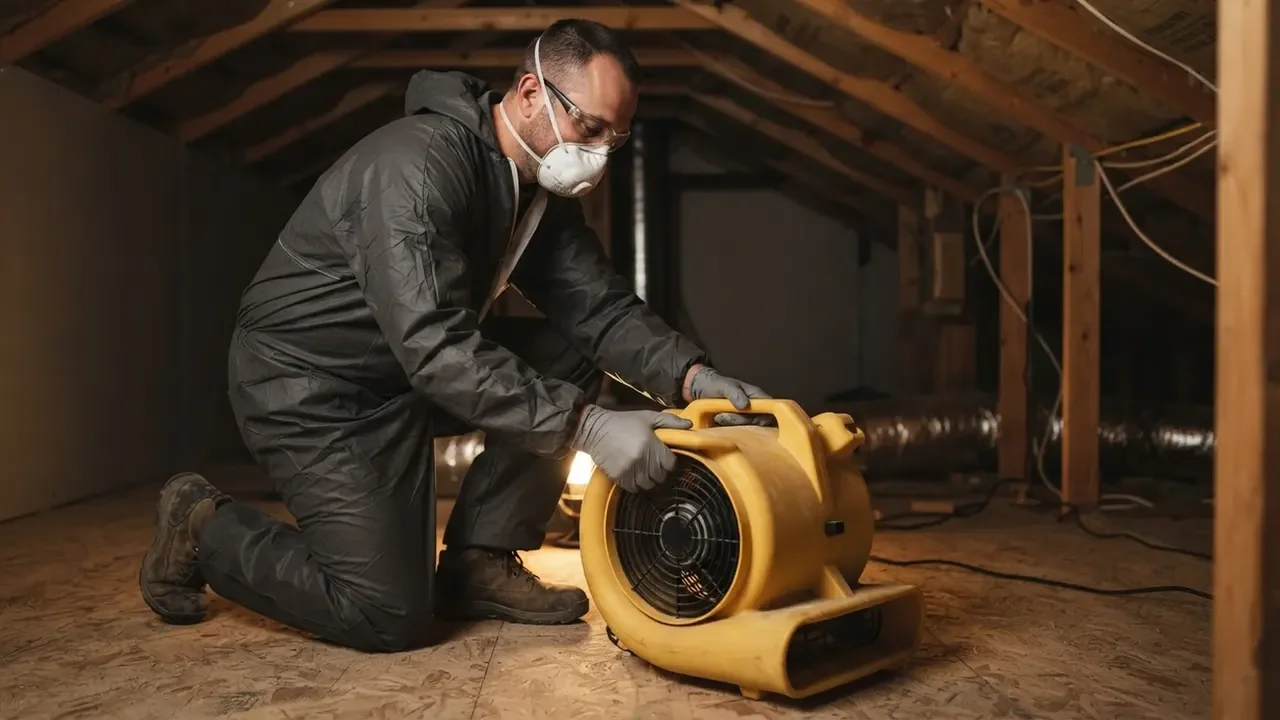
Attic Water Damage Restoration in Haverhill: restoration technician setting up a large industrial fan in a vented attic
24/7 Emergency Same-Day Response
Warranty Backed Workmanship Guaranteed in Haverhill

What Attic Restoration Includes

Attic water damage restoration covers assessment, water removal, drying, and documentation for affected attic materials and connected rooms. We identify insulation and finishes that need removal, protect salvageable areas, and prepare a repair sequence once the structure is dry. Permanent roofing, plumbing, electrical, or extensive reconstruction work is coordinated as a separate trade task when the damage requires it. You get a practical account of what the water reached and what the next repair step involves.

Leak Path Assessment

We inspect roof-side evidence, attic framing, insulation, and the ceiling below to trace where water entered and traveled. Our notes identify active moisture, visible staining, and materials that need closer attention, giving you a grounded starting point for cleanup.

Water Extraction and Removal

We remove accessible standing water and take out insulation or debris that is too saturated to dry effectively. The crew protects the access route and affected rooms, then separates wet materials from belongings and sound building components.

Drying Equipment and Checks

Air movers and dehumidification equipment are positioned for the attic conditions and adjusted as moisture readings change. We check affected framing and adjacent finishes during active drying, recording progress so the space is not closed based on appearance alone.

Repair Preparation

When drying is complete, we identify areas ready for insulation replacement, drywall repair, or finish work. We also note any roof or plumbing source repair needed to prevent recurrence. Your repair plan follows the documented condition of the attic.

Attic Water Damage Restoration in Haverhill


Attic Water Damage Restoration in Haverhill is a property recovery service that finds and stops water intrusion, removes wet materials when needed, and dries the structure after a leak or flooding event. We inspect roof sheathing, rafters, insulation, wiring clearances, and the ceiling below, then map moisture before setting drying equipment. A moisture meter helps distinguish damp framing from dry wood; controlled airflow and dehumidification bring readings down before repairs close the cavity. We document affected areas so you can see what was wet, what was removed, and what is ready for rebuilding.

Haverhill homes face winter freeze-thaw cycles, wind-driven rain, and sudden thaws that expose roof leaks around flashing, vents, and older roof penetrations. A frozen pipe in an attic or knee wall can also soak insulation before a ceiling stain appears. Our Haverhill attic water damage restoration work follows the water path from roof deck to living space, including Bradford, Ward Hill, and older homes near downtown. If water has reached framing or insulation, attic water damage restoration near me Haverhill MA gets the drying process started before musty odors and mold growth take hold.
Our Attic Restoration Process

Attic Water Damage Restoration in Haverhill follows a clear sequence: stop ongoing water, document the damage, remove unsalvageable material, dry the structure, and prepare sound surfaces for repair. We explain each step as we work, so you know what is happening above the ceiling and what comes next.

01

Schedule

Call or book online — a real human picks up and confirms a 2-hour arrival window.

02

Diagnose

A tech inspects on-site, then walks you through the cause and your options.

03

Fix

The job is completed to code and done right the first time — no shortcuts, no surprises.

04

Guarantee

Every job backed by a written workmanship warranty — and we stand behind it.

Tools and Drying Methods

Tools & Equipment

Moisture meter

We check moisture in framing and nearby finishes at mapped points, then repeat readings during drying. This confirms whether materials are improving instead of relying on touch or surface appearance.

Thermal imaging camera

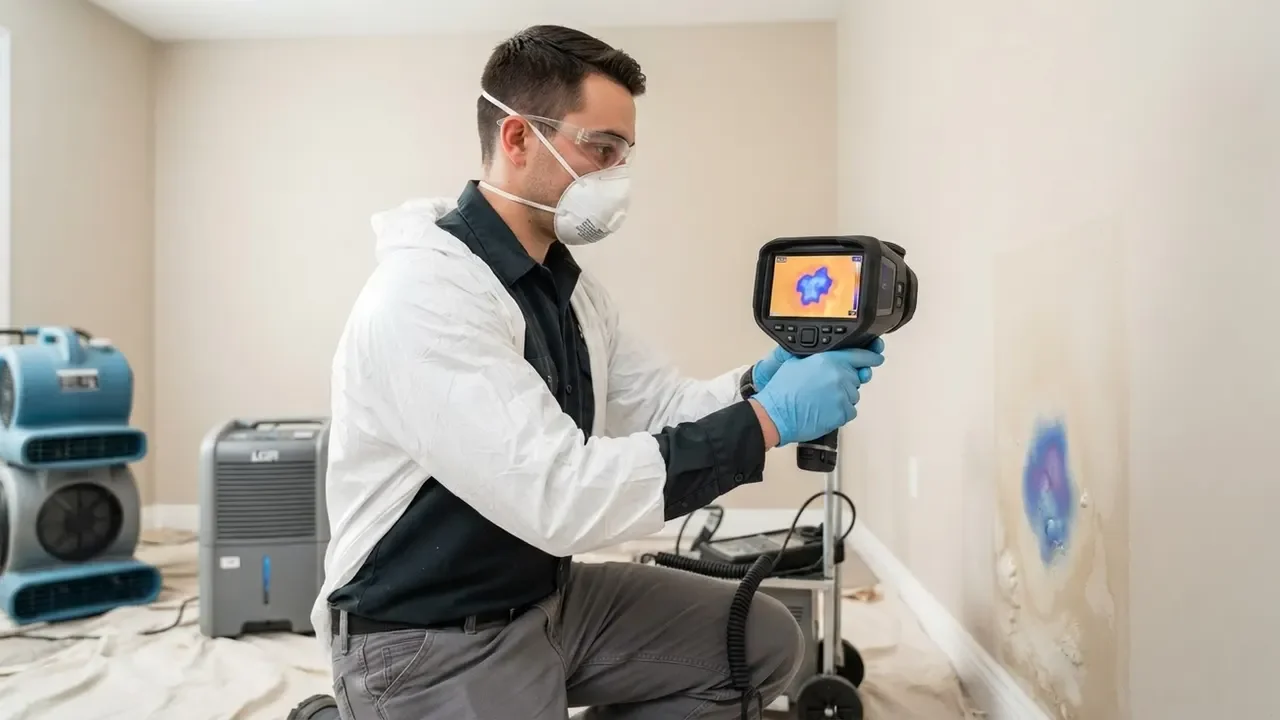
A thermal imaging camera helps locate temperature patterns that can point to concealed damp areas. We verify suspected moisture with direct inspection and material readings before deciding what needs removal.

Air mover

An air mover directs controlled airflow across exposed framing and affected surfaces. We position it to support evaporation without blowing debris through the attic or toward occupied rooms.

Dehumidifier

A dehumidifier removes moisture from the air as water evaporates from building materials. We size and position equipment for the affected area, then adjust the setup as readings and site conditions change.

HEPA vacuum

A HEPA vacuum captures fine dust during cleanup of appropriate attic debris and affected work areas. We use it to keep the work zone cleaner while removing loose material and preparing surfaces for the next restoration step.

Methods & Standards

ANSI/IICRC S500 water restoration approach

We follow the water-damage restoration framework in ANSI/IICRC S500: assess the water event, identify affected materials, control the source, remove unsalvageable contents, and dry the structure. The standard helps guide decisions, but site readings and material condition determine the specific work in your attic.

Moisture mapping and monitoring

We record readings at consistent points in framing and connected surfaces, then compare them during drying. Mapping prevents a single dry-looking spot from standing in for the whole attic. If readings stall, we adjust equipment or investigate a hidden moisture pocket before closing the space.

Controlled insulation removal

We remove insulation only where its condition and moisture load make drying in place unsuitable. The affected material is separated from sound areas, and exposed framing is checked before equipment is installed. Replacement follows verified drying and source control, reducing the risk of trapping water behind new insulation.

Source-to-finish restoration sequence

We work from the leak source through the attic and into connected rooms below. Source control comes first, followed by extraction, drying, and repair preparation. This order keeps new drywall, paint, and insulation from covering unresolved moisture and gives you a more durable repair.

When to Call for Attic Help

01

A Winter Thaw in Bradford Leaves Water Staining an Upstairs Ceiling Near an Exterior Wall.

What we do: We inspect the roof edge, attic insulation, and framing above the stain to determine whether water entered through roof details or another source. If insulation is saturated, we remove the affected section and set controlled drying. We also check the room below for soft drywall or moisture around trim.

→ You get a documented source assessment and a drying plan before the ceiling is patched, helping prevent a repeat stain after the next thaw.

02

A Storm Damages Roof Material Over a Ward Hill Home and Rain Reaches Stored Belongings.

What we do: We prioritize temporary source protection, separate wet contents from dry items, and inspect the attic deck and insulation. Water is extracted where accessible, then air movement and dehumidification are set for the affected area. We record damage to the attic and the room below.

→ The opening is stabilized, salvageable belongings are protected, and the interior can dry while permanent roof repair is arranged.

03

A Frozen Pipe Bursts Overnight and Water Begins Dripping Through a Haverhill Bedroom Ceiling.

What we do: We help you focus on immediate safety and water shutoff, then inspect the attic pipe area and ceiling cavity. Our team removes wet insulation that cannot be salvaged, extracts pooled water, and monitors framing and drywall as they dry. We coordinate the restoration order around plumbing repairs.

→ You have a clear record of affected materials and a controlled path from leak containment to dry framing and ceiling repair.

04

A Homeowner Near Downtown Notices a Musty Smell but Cannot Find an Active Roof Drip.

What we do: We inspect the attic for old leak evidence, damp insulation, condensation, and water paths around penetrations. Moisture readings help distinguish a dry stain from an active wet area. If materials remain damp, we identify what needs removal or drying and explain the likely source.

→ You learn whether the odor is connected to hidden water damage and what work will address the cause rather than just the smell.

How Attic Restoration Works in Haverhill

Haverhill's cold winters and wet shoulder seasons make roof transitions, flashing, and attic pipe runs important inspection points. Snow and ice can hold water at roof edges; a thaw can then reveal a leak that was not visible during the cold spell. In older homes near downtown and the Main Street District, roof layers, additions, and finished attic spaces can create complicated water paths. Our Haverhill attic water damage restoration process checks those transitions along with insulation, rafters, and the ceilings below. We use attic leak water damage repair near me Haverhill when a homeowner needs local help tracing a stain or active drip, then document the affected areas and drying progress. Work is planned to protect occupied rooms and avoid closing cavities before they are dry. We serve addresses across Essex County, including ZIP codes 01832, 01830, 01835, and 01831. If a roof opening remains, we coordinate temporary protection while permanent roof work is arranged. We also account for safe access, wiring, and material handling in tight knee walls and low-clearance attic spaces.

Neighborhoods We Serve

  • Downtown Haverhill

    Older rooflines and additions can make a leak travel away from its entry point. We inspect uphill framing and adjoining ceiling areas rather than assuming the stain marks the source.

  • Bradford

    Winter freeze-thaw conditions can expose weak roof edges and flashing. We check insulation and rafters near exterior walls when a ceiling stain appears after a thaw.

  • Ward Hill

    Storm-driven rain can enter around roof penetrations and affect stored attic contents. We separate wet belongings from materials being removed and document the affected bays.

  • Riverside

    Wind and rain can test roof details during storms. We prioritize active leak control, then inspect the attic deck and the rooms directly below the suspected entry.

Local Conditions We Plan For

  • Freeze-thaw cycles expose weak roof edges and flashing

    Water can enter during a thaw and move through insulation before a stain appears. We inspect roof-side evidence and exterior-wall bays, then compare readings across affected framing to define the drying area.

  • Wind-driven rain reaches roof vents and transitions

    Rain pushed under compromised flashing or around a roof penetration may wet only a narrow section at first. We trace the path uphill and check adjacent bays so a localized repair does not leave hidden damp material.

  • Older attic additions create concealed cavities

    Knee walls, finished attic rooms, and layered construction can hide wet insulation or framing. We use targeted inspection and moisture readings to find the limits of damage while keeping removal focused on affected materials.

Roof Leak Over Upstairs Hall

Before

A roof leak left a dark ceiling stain and damp insulation above an upstairs hall. Water had moved along two rafters, but the room below looked mostly dry at first. The homeowner could smell a musty odor and did not know whether the roof or the ceiling was the main problem.

After

We traced the water path, removed saturated insulation from the affected bays, and dried the exposed framing over four days. Moisture readings declined at each check, and the ceiling was repaired after the cavity was ready. The leak source was identified for permanent roof work.

Maintenance: After roof repair, check the attic after the next heavy rain and again after a winter thaw. Keep stored items clear of roof edges, and address new stains promptly before insulation holds moisture.

Before

A frozen pipe released water into a bedroom ceiling and soaked insulation around the pipe run. The drywall began to soften, and water reached the carpet edge near the closet. The family needed the leak contained and wanted to know which materials could be saved.

After

We helped contain the water, removed wet insulation, and checked the framing, ceiling, and carpet edge. Drying equipment ran for three days with daily readings. The framing dried to the project target, damaged drywall was marked for repair, and affected flooring materials were documented.

Maintenance: Keep attic pipe runs protected from cold air and check vulnerable areas before freezing weather. If a pipe freezes, shut off the water when safe and call for help before opening ceilings or disturbing wet insulation.

Before

Wind-driven rain entered near a roof vent and left a wet patch in insulation above a finished attic room. The stain spread after the storm, although dripping had stopped. Stored boxes were close to the wet area, and the owner was concerned about hidden damage.

After

We inspected the vent area, separated wet belongings, and removed insulation that could not be dried in place. A dehumidifier and air mover supported drying for three days. Readings confirmed the affected framing was dry enough for repair planning, and the vent area was flagged for permanent roof correction.

Maintenance: Have roof penetrations checked after significant storm damage and keep stored belongings away from known leak paths. Watch the ceiling and attic after the next rain; a returning stain calls for source tracing, not another coat of paint.

Problems Solved by Attic Leak Restoration

A small attic stain can signal a larger wet area hidden above the ceiling. We find how far water traveled, remove materials holding moisture, and set a drying plan around the actual damage. If you need same day attic leak water damage repair Haverhill Massachusetts, call when water is active or the ceiling is changing shape.

Problem

Wet Insulation Keeps Rafters Damp After a Roof Leak

Moist insulation can hold water against framing and slow drying, increasing the chance of musty odors, ceiling stains, and mold growth inside a closed cavity.

Our Fix

We inspect the affected bays, remove insulation that cannot be dried safely, and measure moisture in exposed framing. Drying equipment is positioned to move air through the damp area. We replace insulation only after the framing reaches the project dryness target and the entry point has been addressed.

Problem

A Ceiling Stain Grows After Rain Stops

Water can travel along rafters or behind drywall, so a stain may expand after the visible leak has ended. Trapped moisture can soften the ceiling and damage paint or finishes.

Our Fix

We compare the ceiling stain with attic-side evidence, inspect surrounding bays, and check the drywall for moisture or loss of strength. If water is still entering, we prioritize source control. Then we dry or remove affected material before recommending a patch, preventing cosmetic work from hiding a wet cavity.

Problem

Frozen Attic Pipe Releases Water Into Hidden Spaces

A pipe break can saturate insulation and send water through light openings or wall cavities. Electrical fixtures and finished rooms below may be affected before the attic floor appears wet.

Our Fix

We help contain the water, inspect the pipe area and connected ceiling, and extract accessible water. Wet insulation is removed where needed, while framing and nearby finishes are monitored with moisture readings. After drying, we coordinate the repair sequence with the plumbing work and interior restoration.

Problem

Musty Attic Odor Returns After a Quick Cleanup

Odor can persist when damp insulation, dusty debris, or wet wood remains in a poorly ventilated cavity. Masking the smell does not remove the moisture source.

Our Fix

We look for residual moisture and concealed wet materials, then remove or dry affected areas based on their condition. Suitable surfaces are cleaned as part of the restoration, and we verify that the leak source has been corrected. Deodorization follows cleanup rather than replacing it.

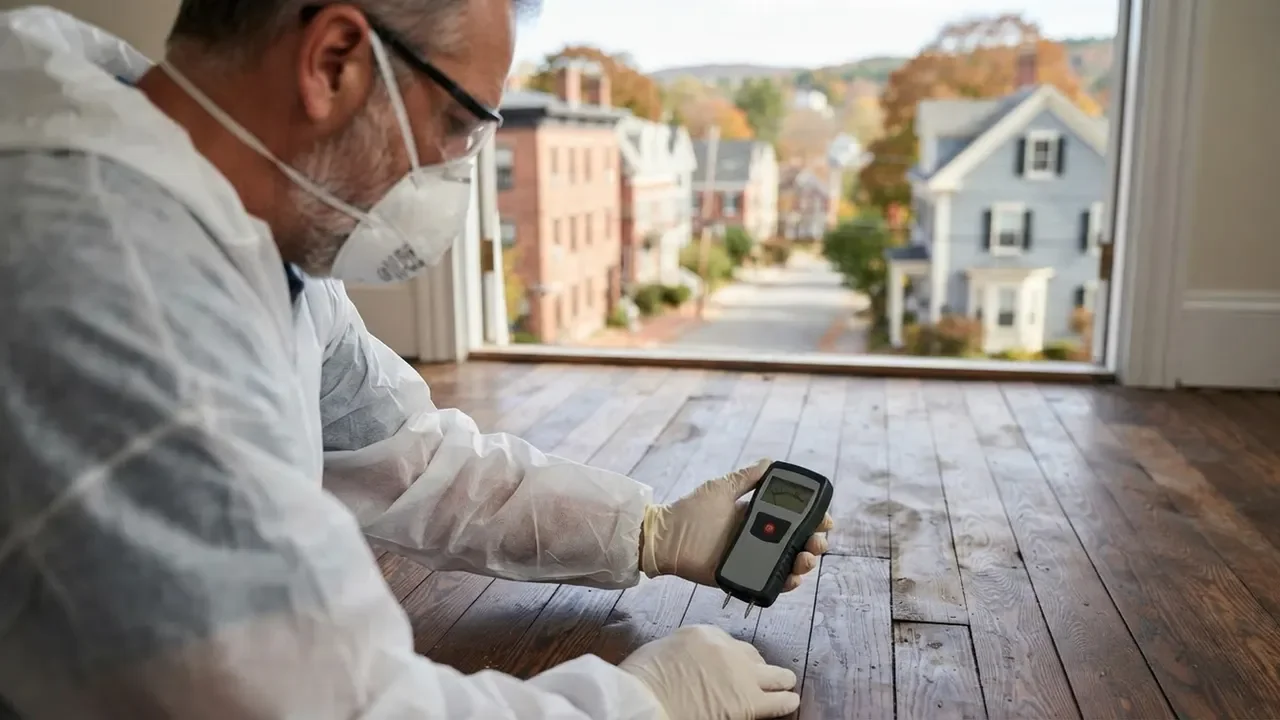
Water damage restoration in Haverhill: close-up of a restoration technician checking moisture levels on a hardwood floor

What Proper Attic Drying Delivers

A dry attic is more than a clean ceiling stain. We address the source and the materials water reached, then confirm progress with readings instead of guesswork. That gives you a clear path from emergency stabilization to repairs.

  • Leak source identified

    We trace water stains uphill and check roof penetrations, flashing, plumbing, and ventilation before drying begins. Finding the entry point prevents a clean-looking repair from being soaked again during the next storm. For a small leak, we isolate the affected bay; for broad wetting, we map adjoining rafters and ceiling areas.

  • Wet insulation removed

    Waterlogged insulation loses performance and can hold moisture against wood and drywall. We remove material that cannot be dried in place, bag it for controlled disposal, and keep unaffected insulation protected. If the attic needs attic drying and insulation repair Haverhill, we sequence replacement after the framing meets the agreed dryness target.

  • Measured structural drying

    We record moisture readings in wood and surrounding surfaces, then adjust air movement and dehumidification as conditions change. A practical drying plan often involves daily checks over several days, not simply leaving equipment running. You receive a progress record that shows which areas are improving and where additional drying is needed.

  • Ceilings protected below

    Attic water can migrate through drywall seams, light openings, and wall cavities. We inspect the rooms below, protect furnishings, and check ceiling water stains for active moisture before cosmetic work starts. If carpet padding or hardwood flooring is affected downstairs, we flag that connected damage so it does not get overlooked.

Our Work Standards

Industry Standards

  • IICRC Water Damage Restoration Technician — issued by Institute of Inspection, Cleaning and Restoration Certification
  • IICRC Applied Structural Drying — issued by Institute of Inspection, Cleaning and Restoration Certification
  • IICRC Applied Microbial Remediation Technician — issued by Institute of Inspection, Cleaning and Restoration Certification
  • EPA Lead-Safe Certification — issued by U.S. Environmental Protection Agency

Attic Restoration Know-How

Attic water damage demands careful diagnosis because a roof leak, frozen pipe, or condensation problem can leave similar stains but require different fixes. We follow water from the entry point through insulation and framing, then dry materials before repairs conceal them. Our process draws on IICRC WRT principles and the ANSI/IICRC S500 water-damage standard. We keep the work focused on verifiable conditions: moisture readings, material condition, safe access, and the documented path of water. You get direct answers about what can be dried, what must be removed, and what needs a separate building repair.

  • We use IICRC WRT-based water restoration practices to guide assessment, extraction, drying, and documentation.
  • Our team distinguishes roof intrusion from plumbing leaks by checking water paths, wet patterns, and attic conditions.
  • We track moisture in framing and nearby finishes rather than relying on ceiling appearance alone.
  • We identify when damaged insulation needs removal and when sound material can remain in place.
  • We document affected rooms and materials to support clear repair planning and insurance conversations.
Get Started Today
Water damage restoration in Haverhill: close-up of a thermal imaging camera screen displaying a color-coded heat map

Attic Restoration Questions

Real answers to the questions we hear most often from local homeowners and property managers.

How much does attic water damage restoration cost in Haverhill MA?
Attic water damage restoration in Haverhill often varies with the drying and material removal needed, while major rebuilds cost more. Typical pricing depends on the wet area, attic access, insulation removal, ceiling damage, and whether temporary protection is needed. We inspect the water path and explain the cost drivers before work proceeds. A small, contained leak costs less than water affecting multiple rooms or structural materials.
What causes attic water damage in Haverhill?
Roof leaks, ice-related roof entry, wind-driven rain, and frozen attic pipes are common causes of attic water damage in Haverhill. Water can enter around flashing, vents, chimneys, or damaged shingles, then travel along rafters before appearing as a ceiling stain. During cold weather, freeze-thaw cycles can worsen weak roof details. We identify the likely source and check for secondary moisture in insulation, framing, and the room below.
How long does attic water damage repair take in Haverhill Massachusetts?
A contained attic leak often takes two to four days to dry, while material removal and rebuilding can extend the work to one or two weeks. The drying period depends on how long water sat, the amount of wet insulation, attic ventilation, and outdoor conditions. We take moisture readings during the process and do not close affected cavities until they meet the project target. Roof repairs or custom finish work can add time.
Does insurance cover attic water damage restoration in Haverhill MA?
Home insurance may cover sudden, accidental attic water damage, but coverage depends on your policy, the cause, and maintenance history. Gradual wear or neglected roof issues are often treated differently from a sudden storm or pipe break. We document visible damage, affected materials, and drying progress to help you discuss the claim with your insurer. Keep policy decisions with your carrier, and contact us to arrange an inspection and restoration records.

Related Water Damage Services

Water Damage Restoration

When attic water reaches bedrooms, hallways, or adjoining walls, a broader restoration plan can address the full path. We inspect connected surfaces, dry affected materials, and coordinate repairs so the attic and living space are handled as one documented event.

View Water Damage Restoration

Emergency Water Extraction

Standing water in an attic or ceiling cavity needs prompt removal before it spreads. We use extraction equipment to remove accessible water, then set a drying plan for framing and insulation. Extraction is most useful early, before pooled water travels into ceilings below.

View Emergency Water Extraction

Flood Cleanup

Storm-related water can affect more than the attic, especially when roof openings and lower-level flooding happen together. Our flood cleanup service addresses water removal, affected materials, and drying across the property, with separate attention to clean-water and contaminated-water conditions.

View Flood Cleanup

Basement Water Removal

A major storm can bring roof leaks above and water intrusion below. Basement water removal clears standing water and supports structural drying in lower levels, while attic restoration handles roof-side damage. Coordinating both areas helps prevent missed moisture pathways and repeat visits.

View Basement Water Removal

Sewage Backup Cleanup

Sewage backup is a separate contamination problem from a roof leak, but both can occur during severe weather. We isolate affected areas, remove contaminated materials, and use appropriate cleaning practices. Keep attic leak cleanup separate from sewage-affected spaces until each area is assessed.

View Sewage Backup Cleanup

Storm Damage Restoration

Wind and heavy rain can lift shingles, damage flashing, and drive water into attic insulation. Storm damage restoration combines emergency protection, water removal, drying, and repair coordination. We document interior damage while the roof source is addressed to reduce additional exposure.

View Storm Damage Restoration

Get Attic Water Damage Restoration in Haverhill

A wet attic will not dry properly while water is still entering or insulation is holding moisture. Call our team at (833) 546-4116 to discuss the leak and arrange the next step. Our technicians follow IICRC WRT-based restoration practices and document drying progress.

Call Now Call for Help

Contact Haverhill Restoration

Call (833) 546-4116 when water is entering your home or business, or when a damp room needs inspection. Our referral line is available 24 hours a day to connect you with independent companies serving Haverhill, MA, including areas near 01831 and 01835. Tell us what happened, where the water is, and whether it is still flowing.

Or call us right now at (833) 546-4116 — we answer.
Or email us at hello@haverhillwaterdamagema.com

Haverhill Water Damage Restoration


  • Address

    Haverhill, Massachusetts

  • Hours

    Mon–Fri: 7AM – 7PM
    Sat: 8AM – 4PM
    Sun: Emergency Only
    24/7 Emergency Available

Call (833) 546-4116 Get Quote
Call Quote