Riverside Park
Riverside Park is a local orientation point for identifying the Riverside area. If you use it to describe your location by phone, provide the exact street address as well so our crew can navigate to your property entrance.
Water damage restoration in Riverside is the removal, drying, and repair work needed after water enters a building and threatens its structure or contents. Haverhill Water Damage Restoration handles residential and commercial losses across Riverside Avenue, Lowell Avenue, Groveland Street, River Street, and Mill Street. Riverside includes older housing stock with basement seepage concerns, alongside mixed residential and industrial buildings that need different access and drying plans. Near the Merrimack River, high water table conditions and storm drain backups during heavy rain deserve prompt attention, not guesswork. We inspect the source and affected materials, extract water, then set drying equipment based on measured conditions. Our water damage restoration near Riverside approach follows ANSI/IICRC S500 procedures where applicable, with photos and job records to support your insurance conversation. From a wet carpet and pad to water behind drywall, we explain the next practical step and keep the work focused on getting your property dry and usable.
Riverside properties need different responses depending on whether water came from a burst pipe, roof opening, storm drain backup, or basement seepage. Our crew handles emergency extraction, cleanup, drying, and repair coordination for homes, apartments, and commercial buildings. If you are searching for water damage restoration near me Riverside MA, tell us the street, affected floor, and whether water is still entering; those details help us prepare the right extraction and drying equipment. We document affected areas and work through the immediate hazard before moving into structural drying and restoration.
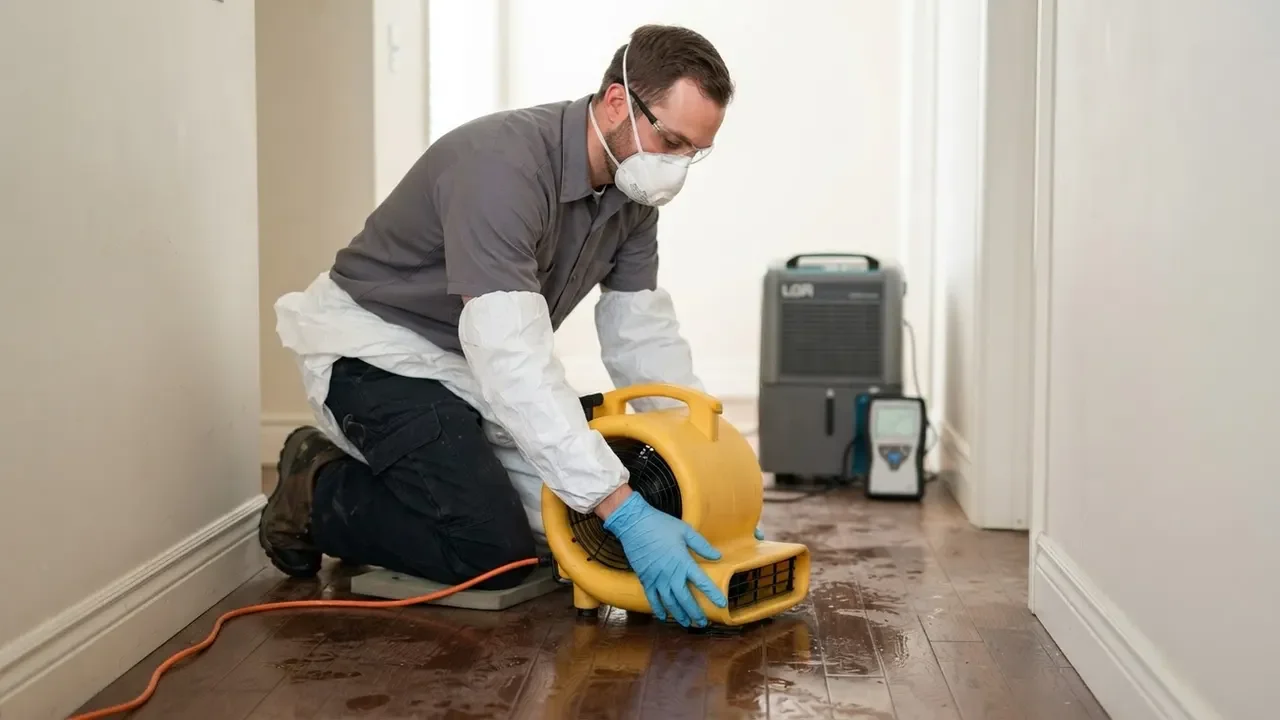
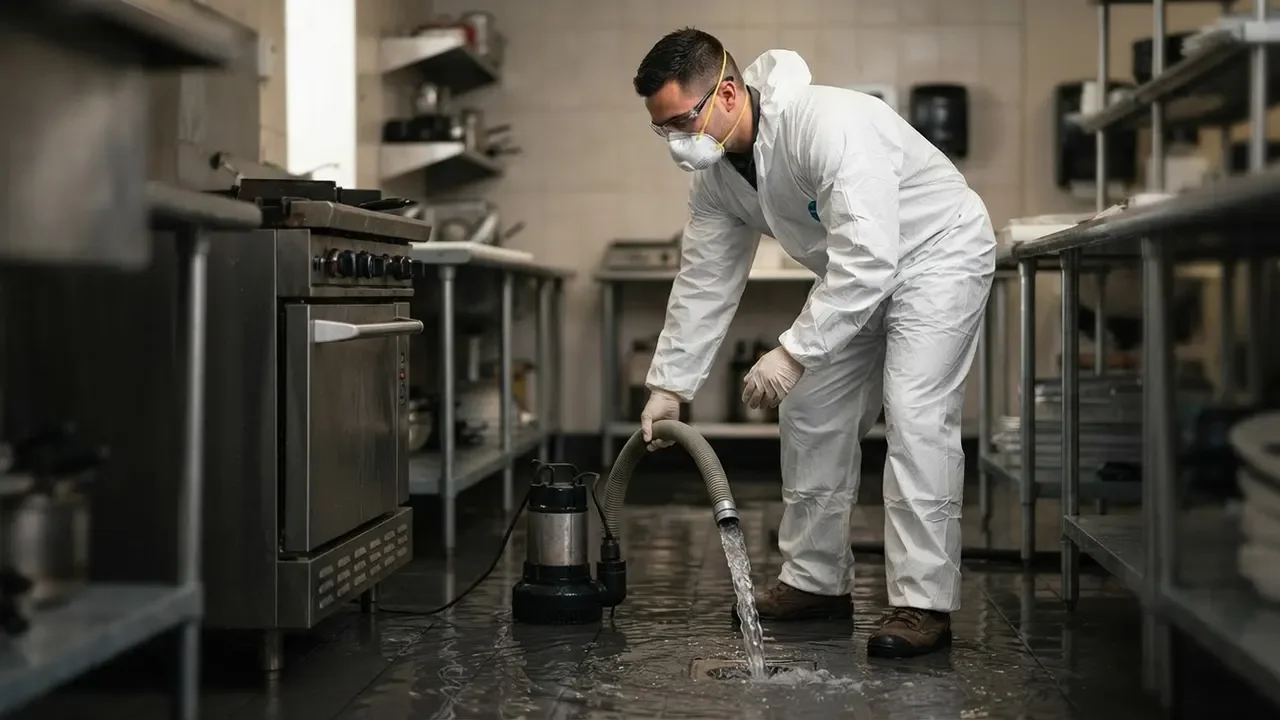
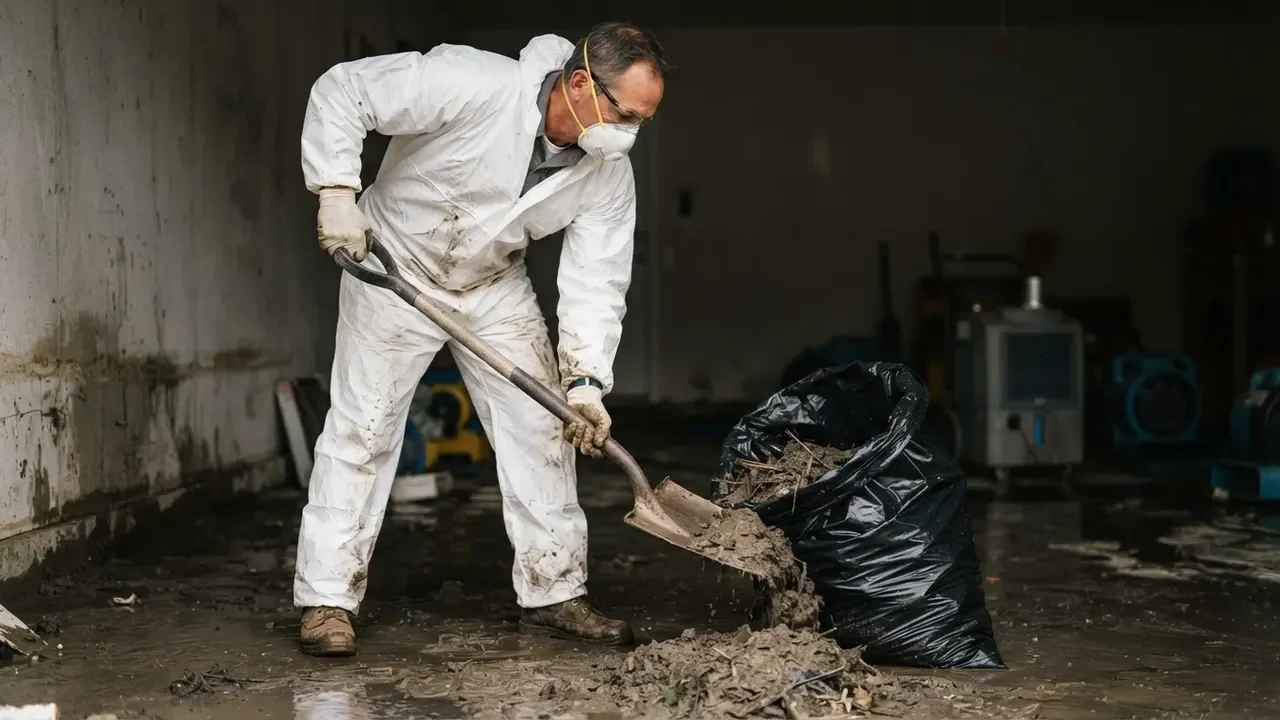
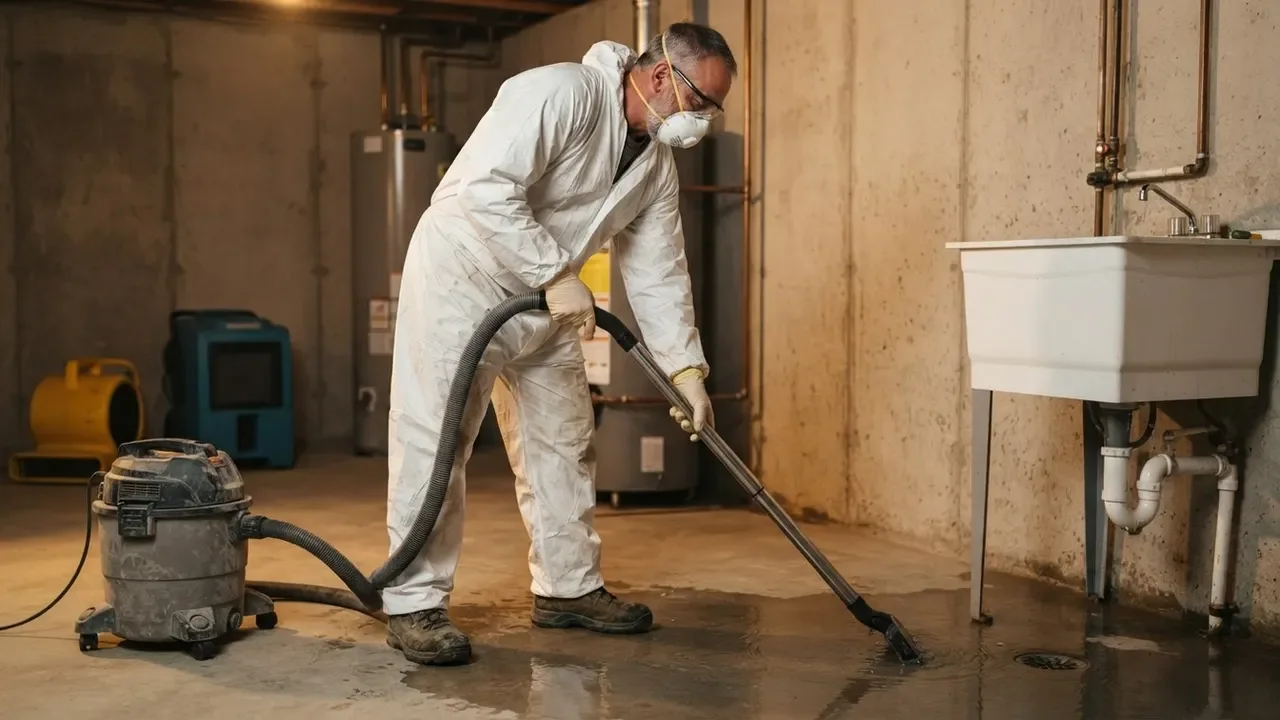
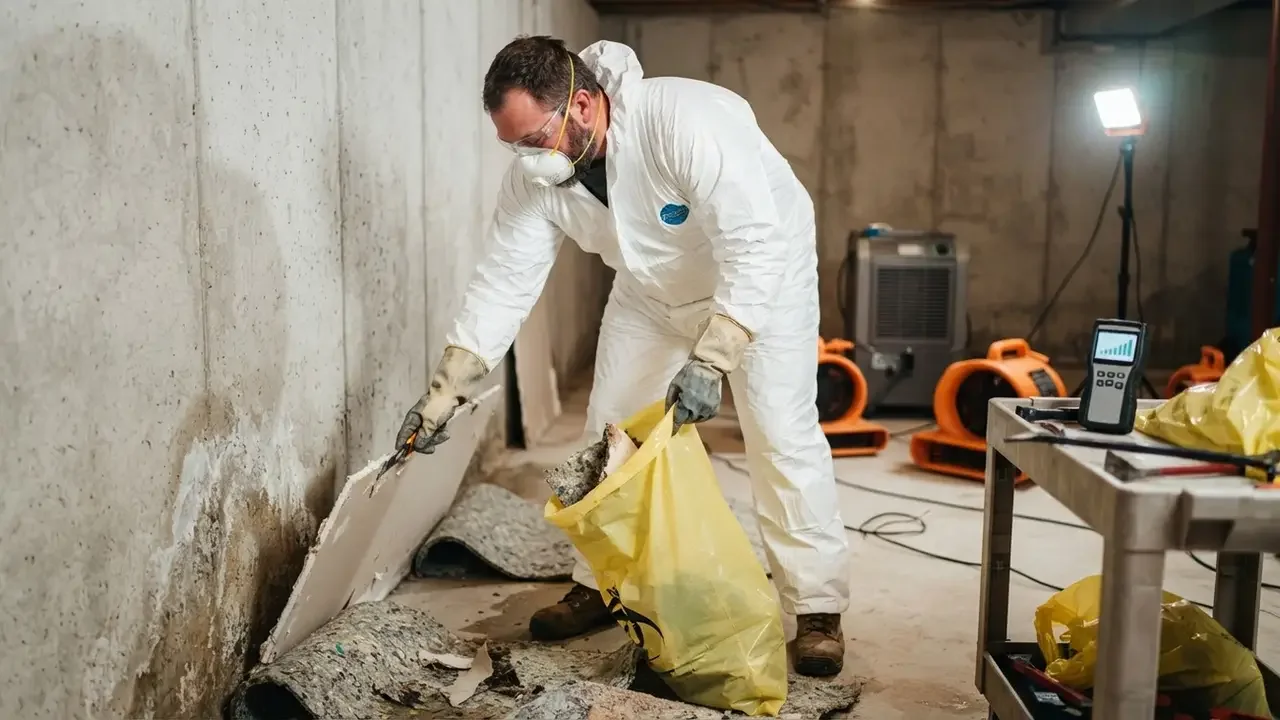
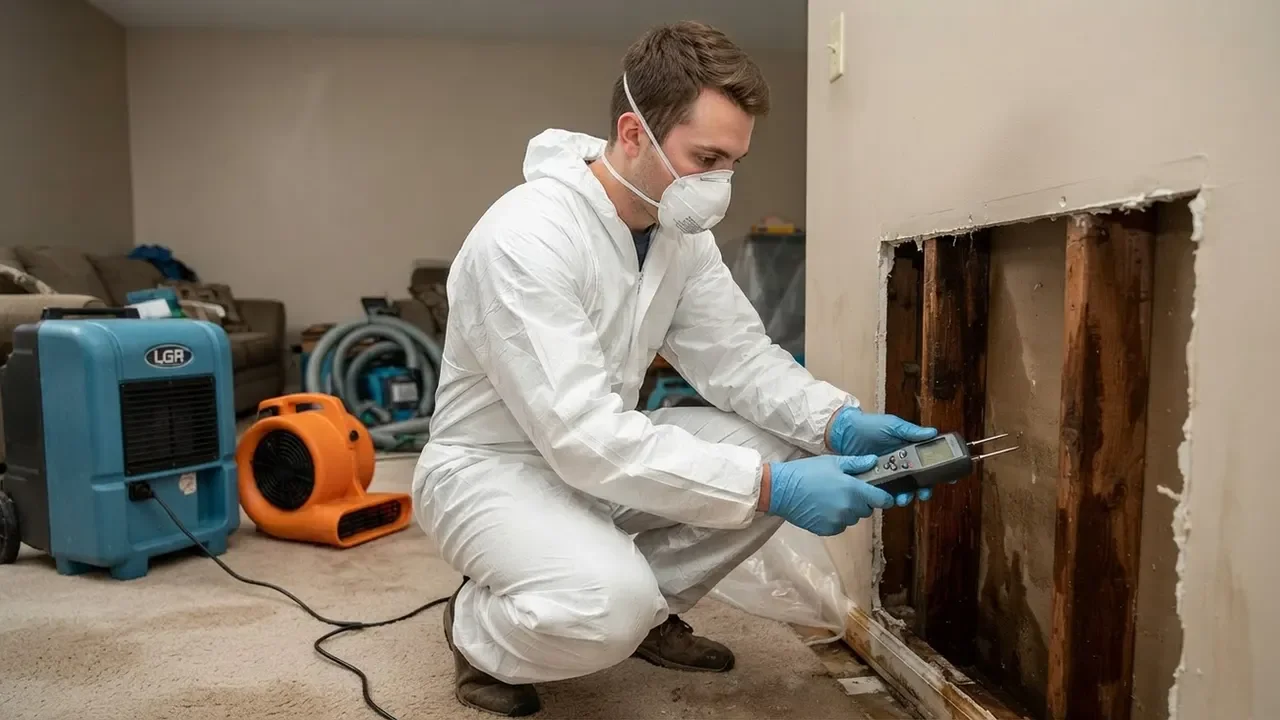
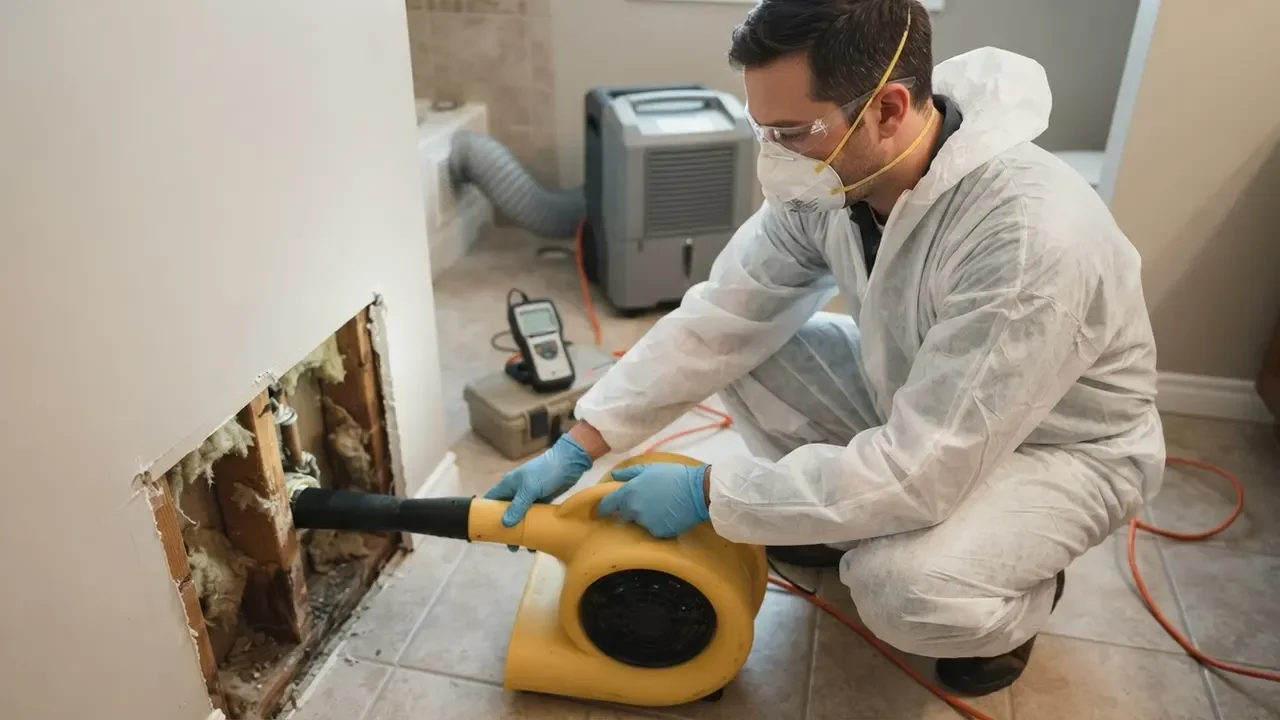
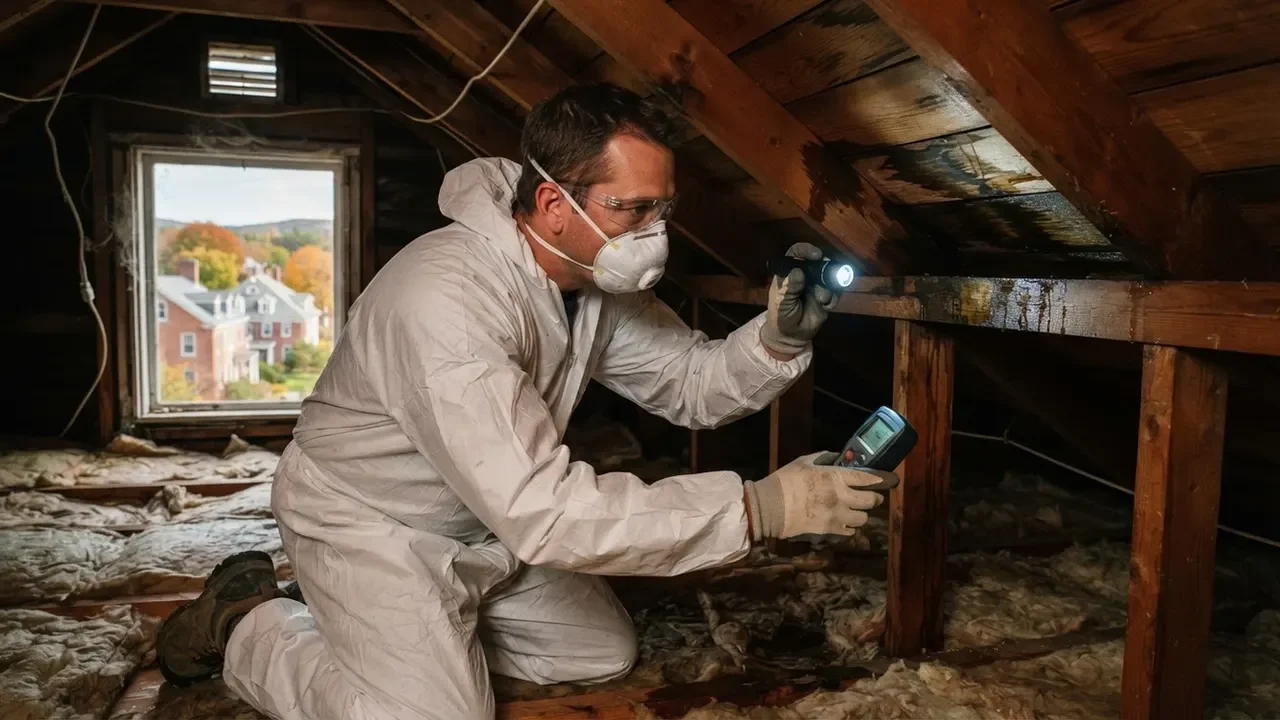
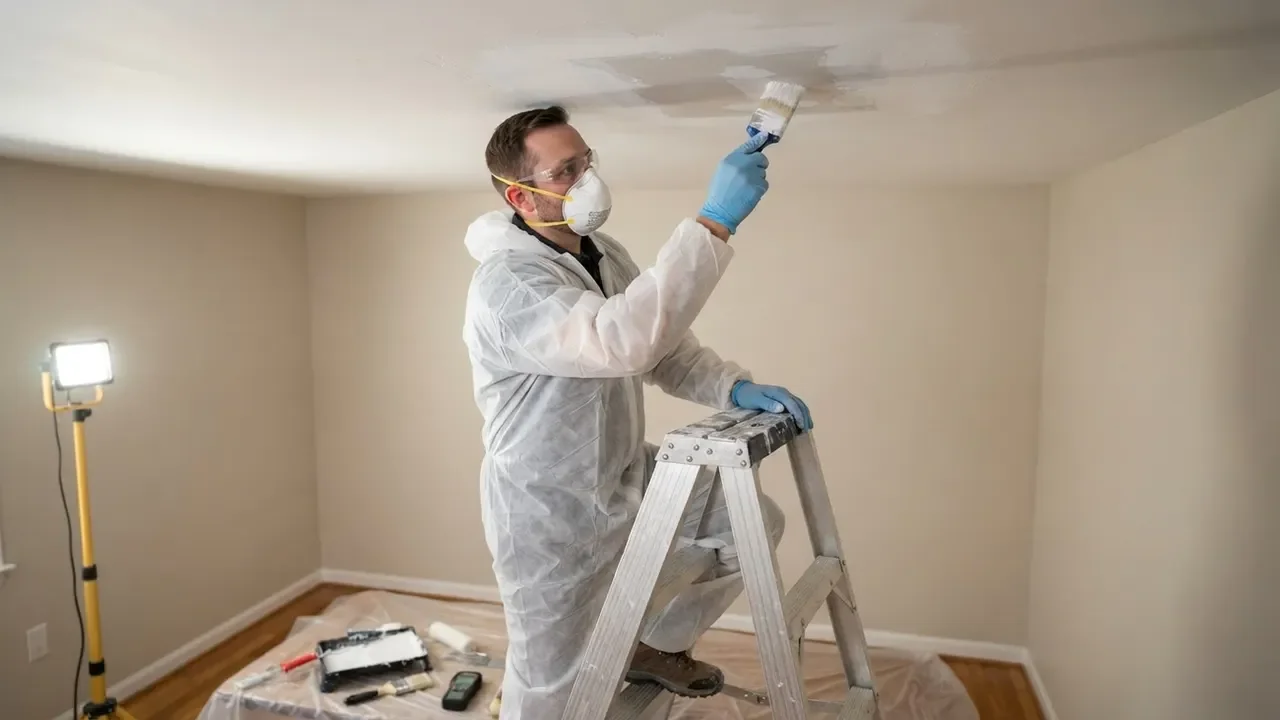
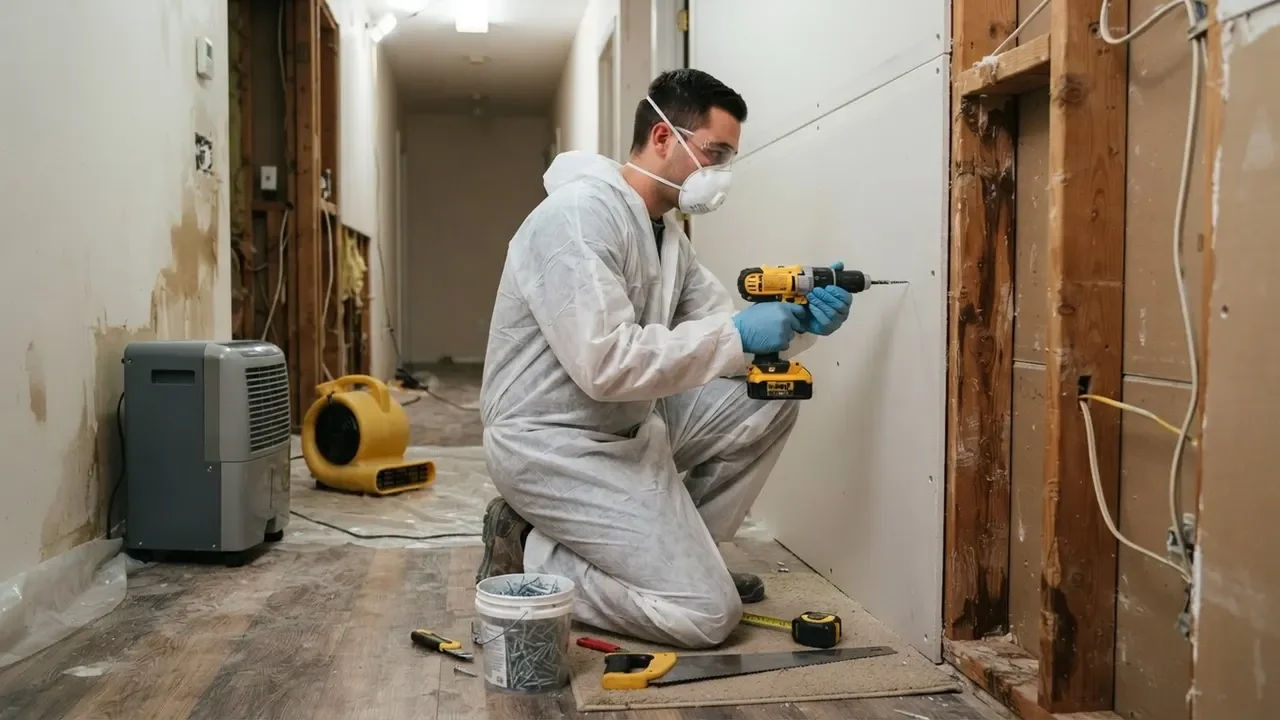

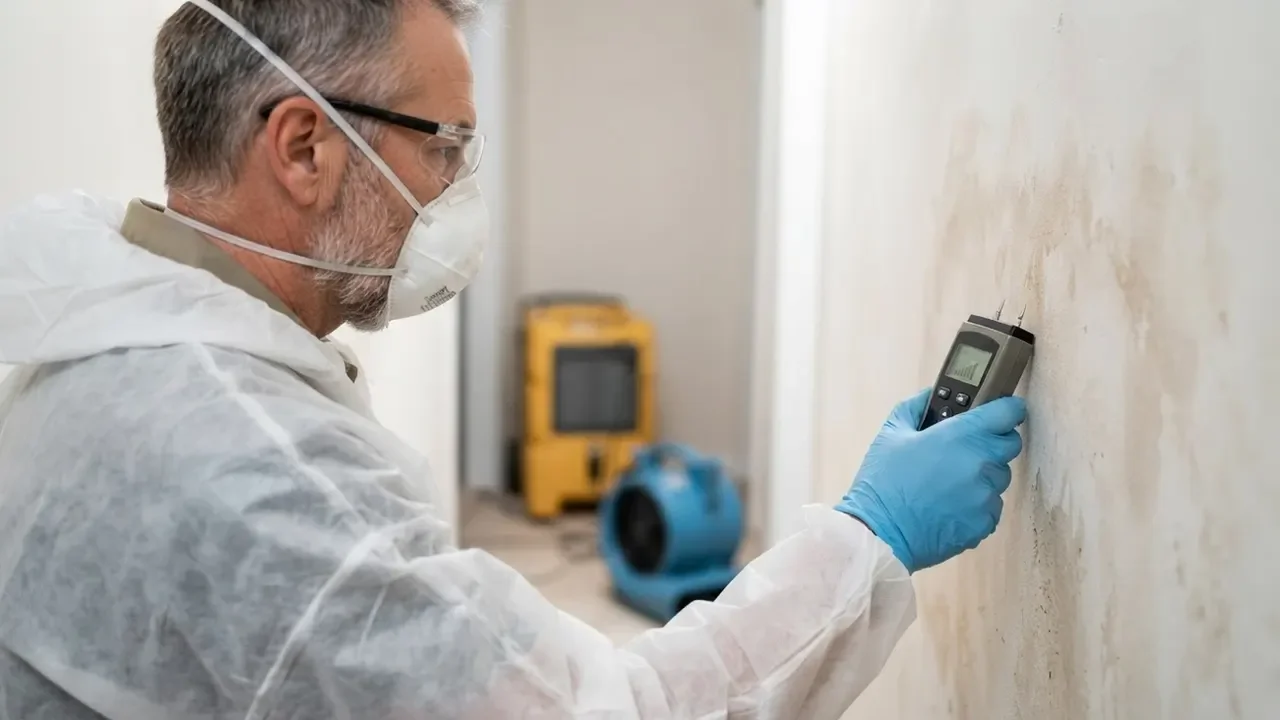
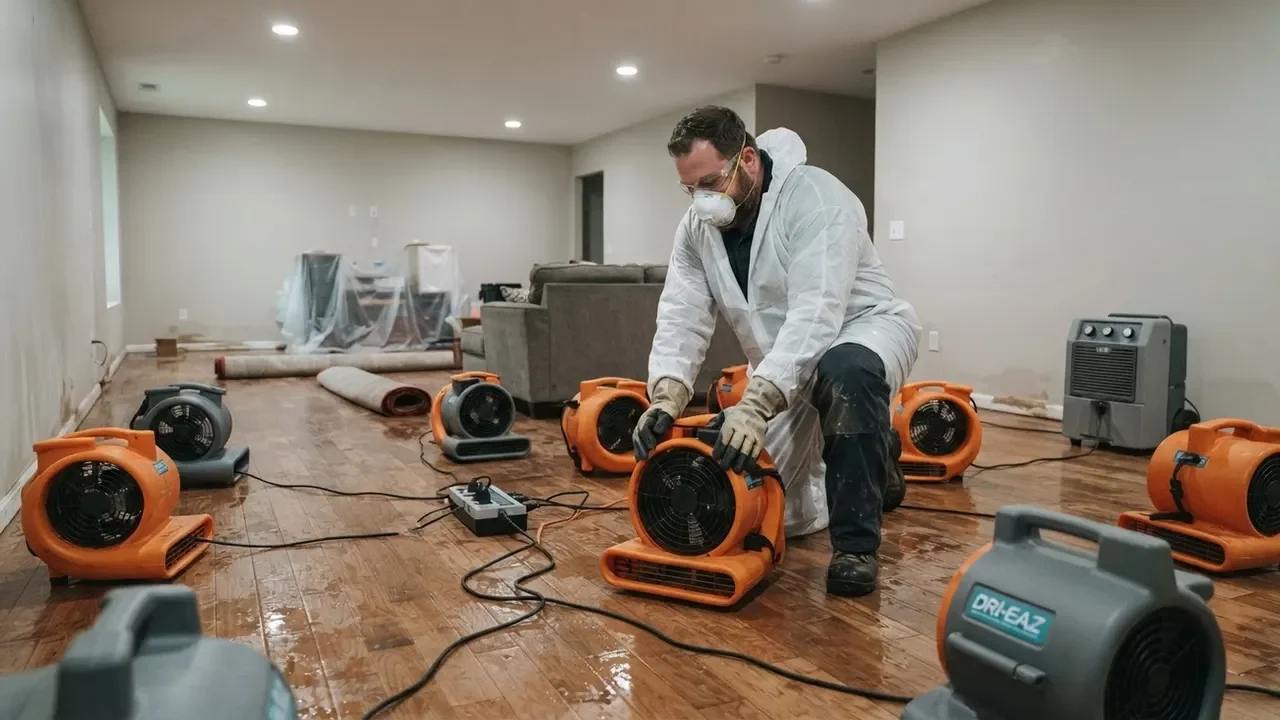
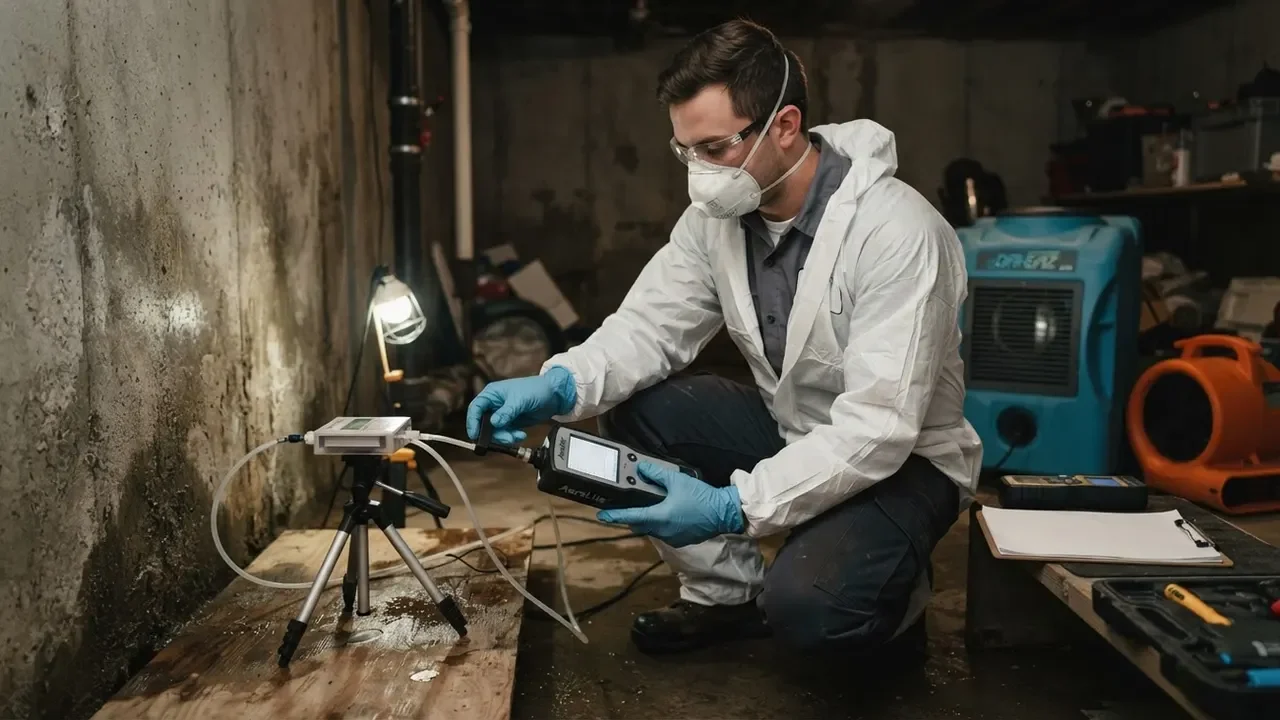
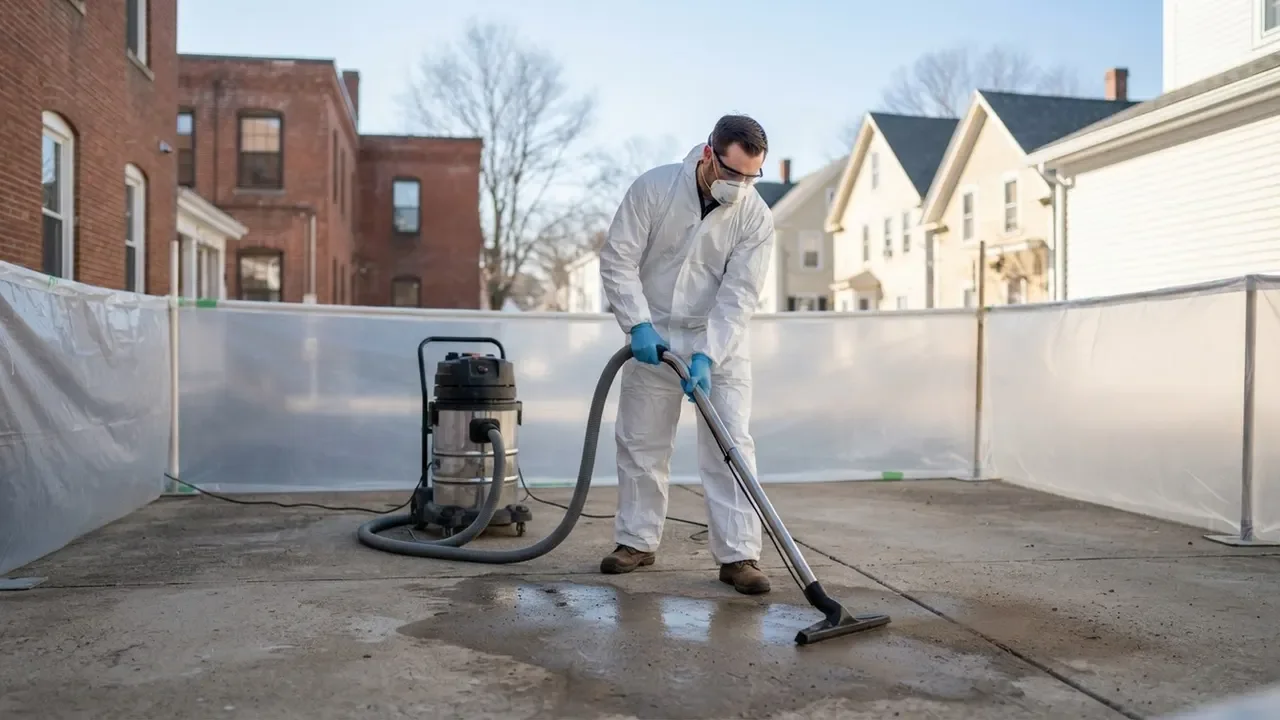
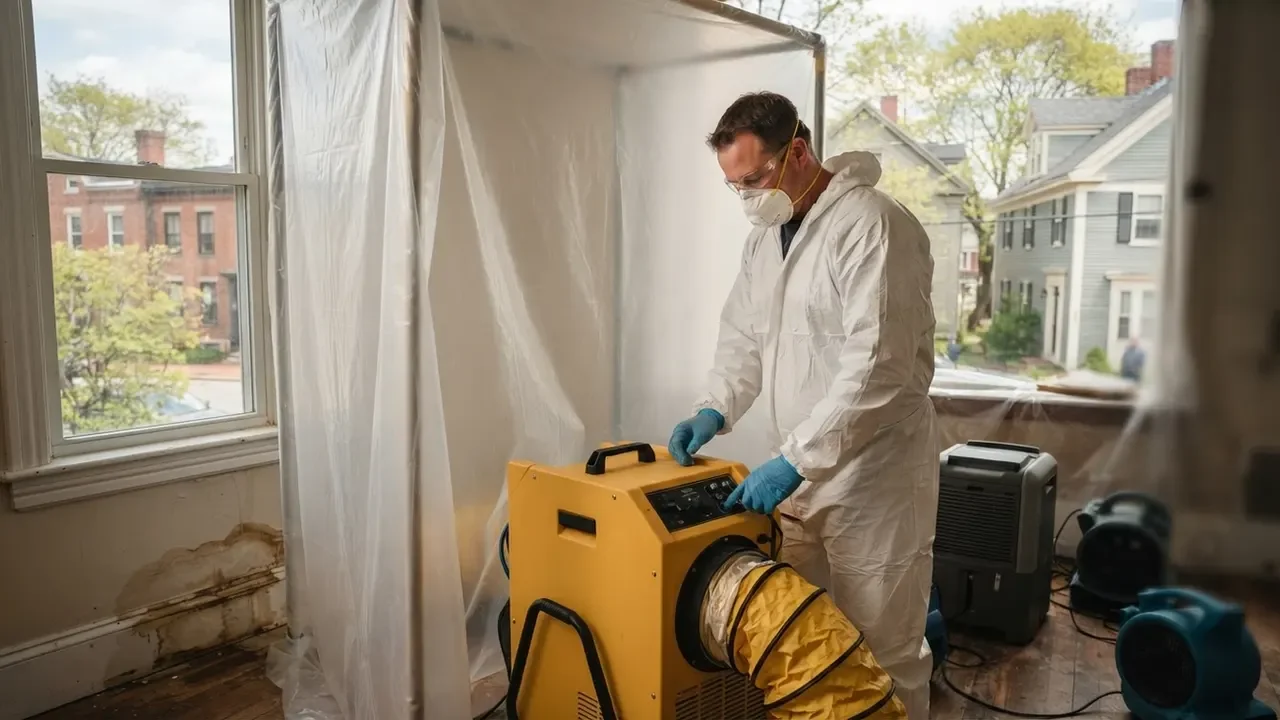
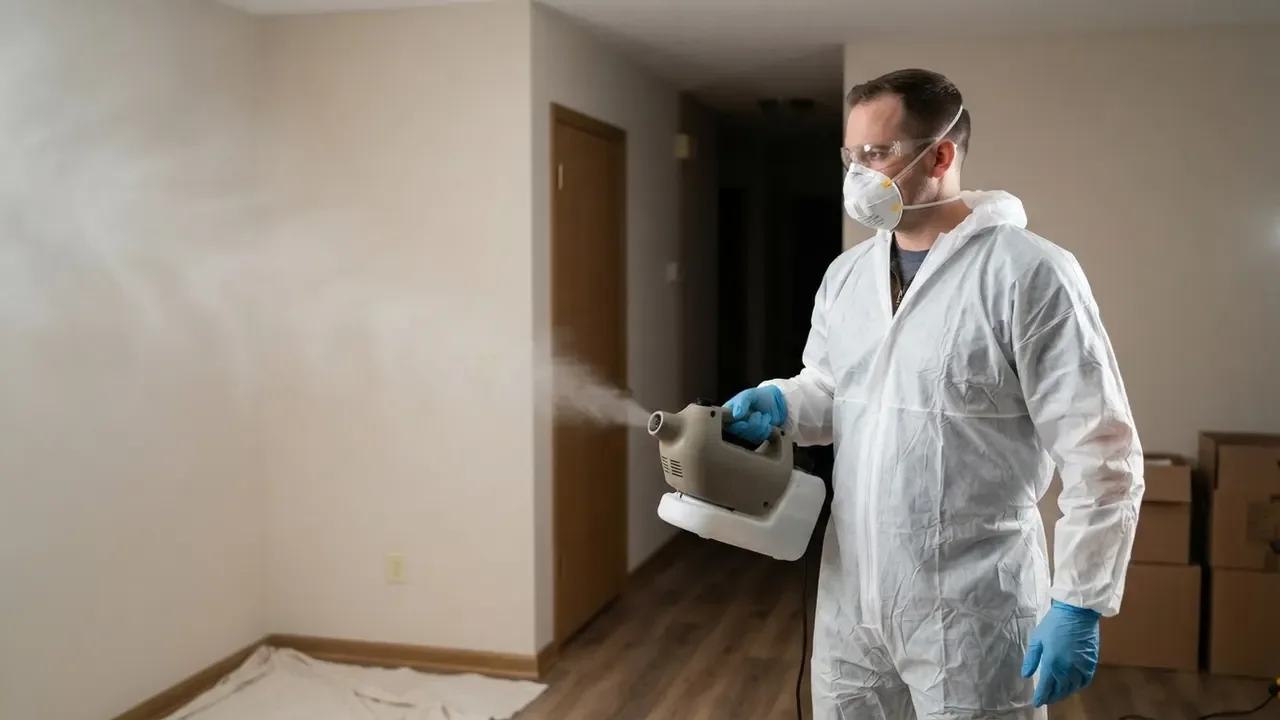
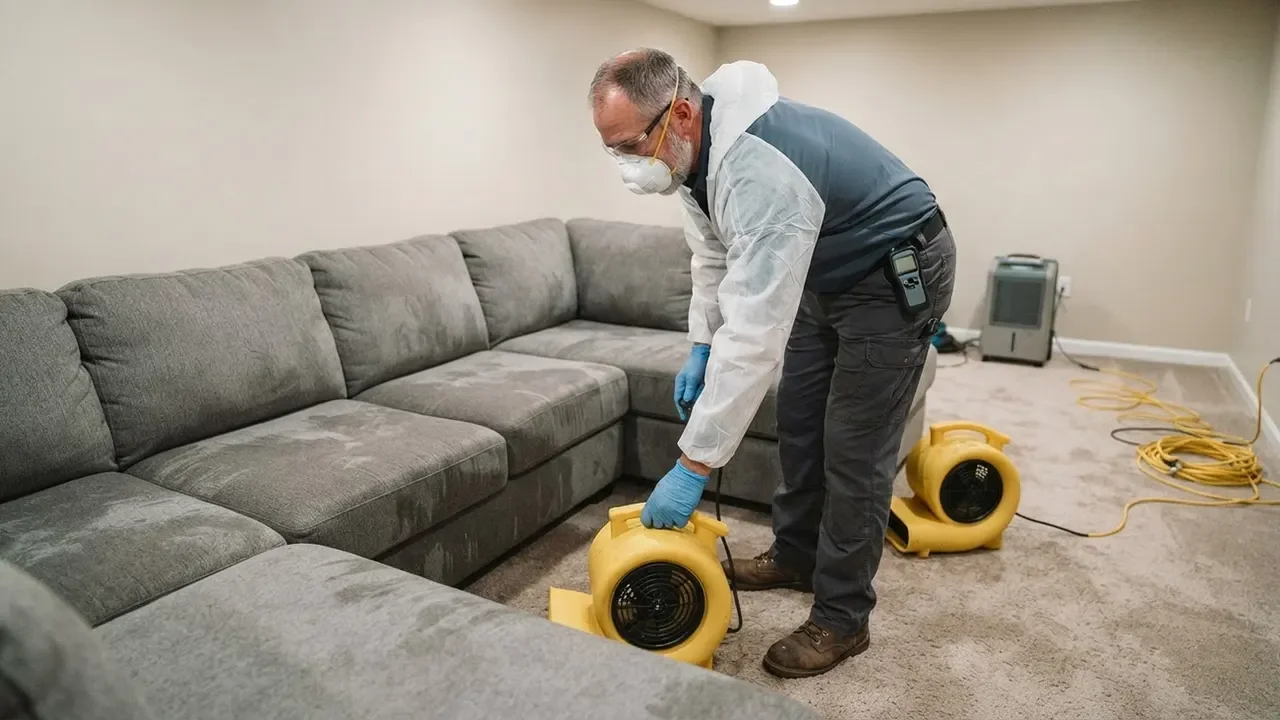
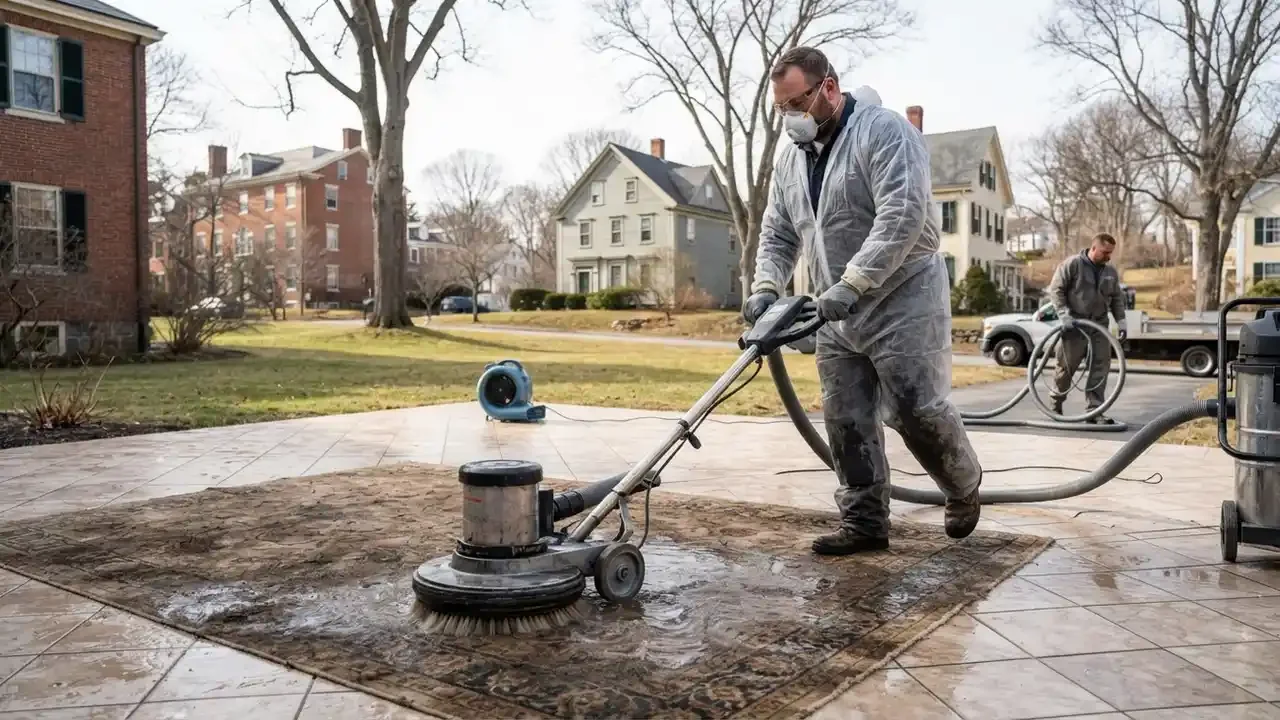

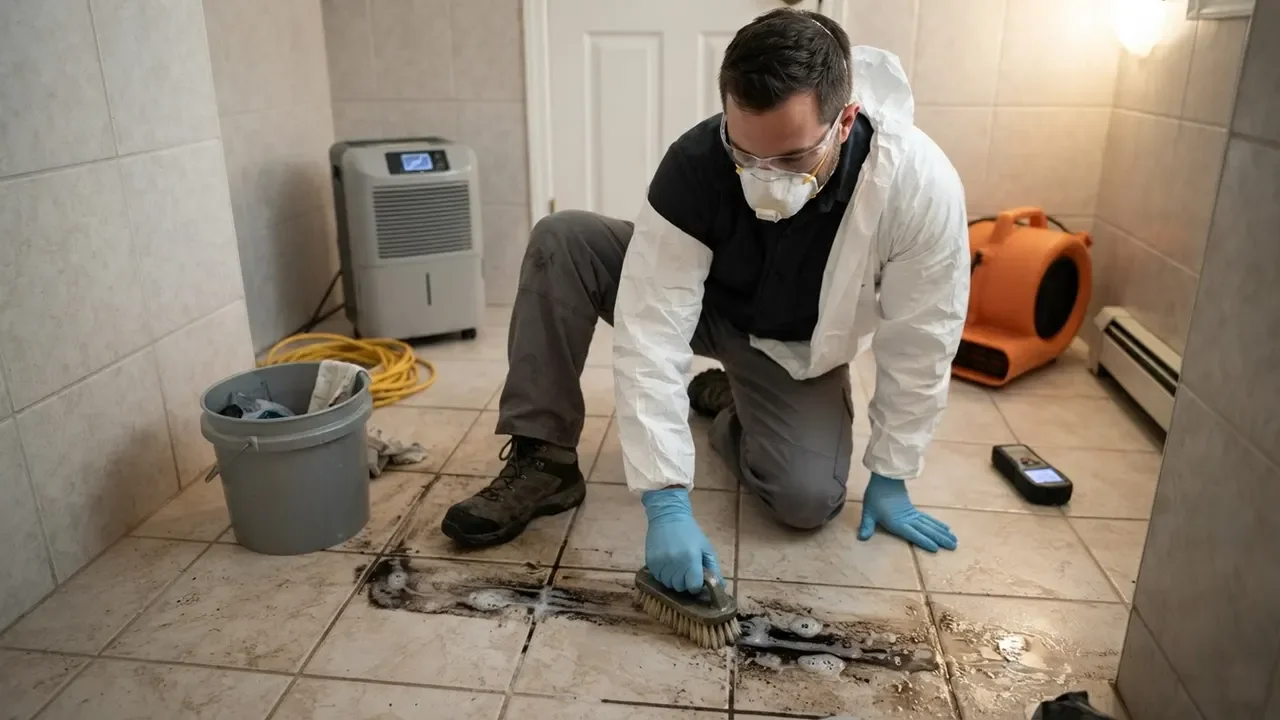
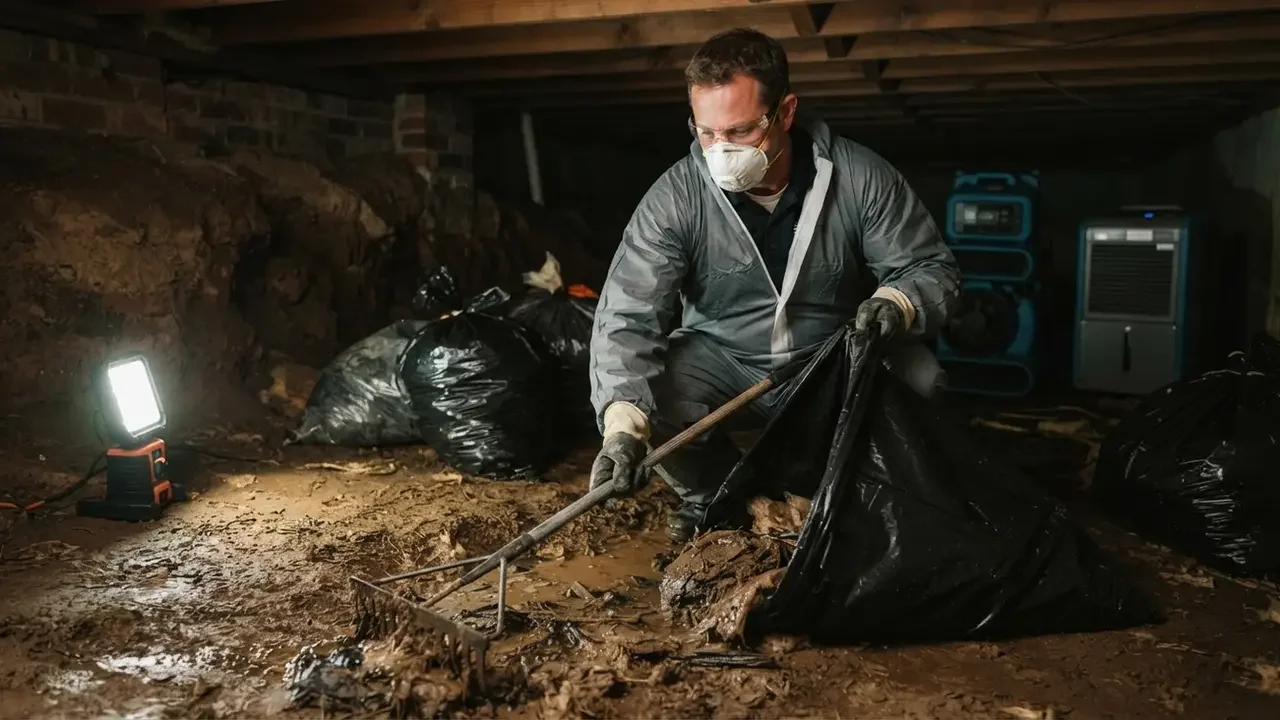
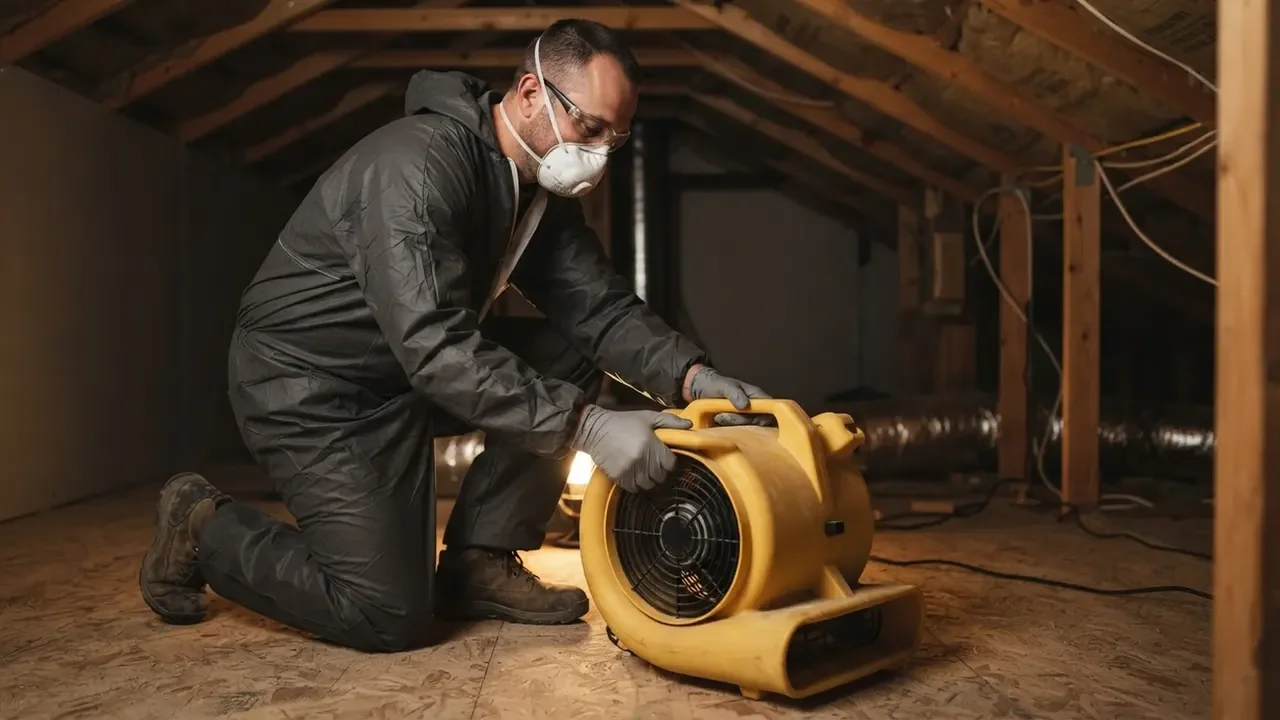
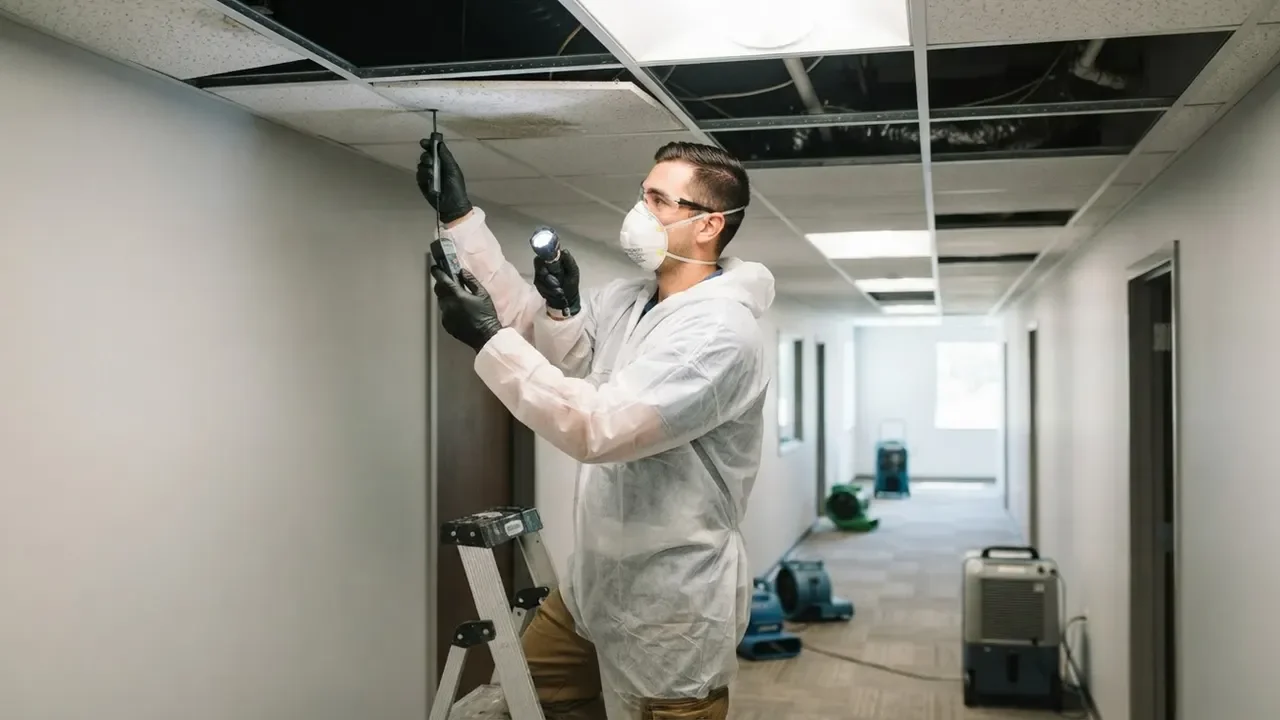
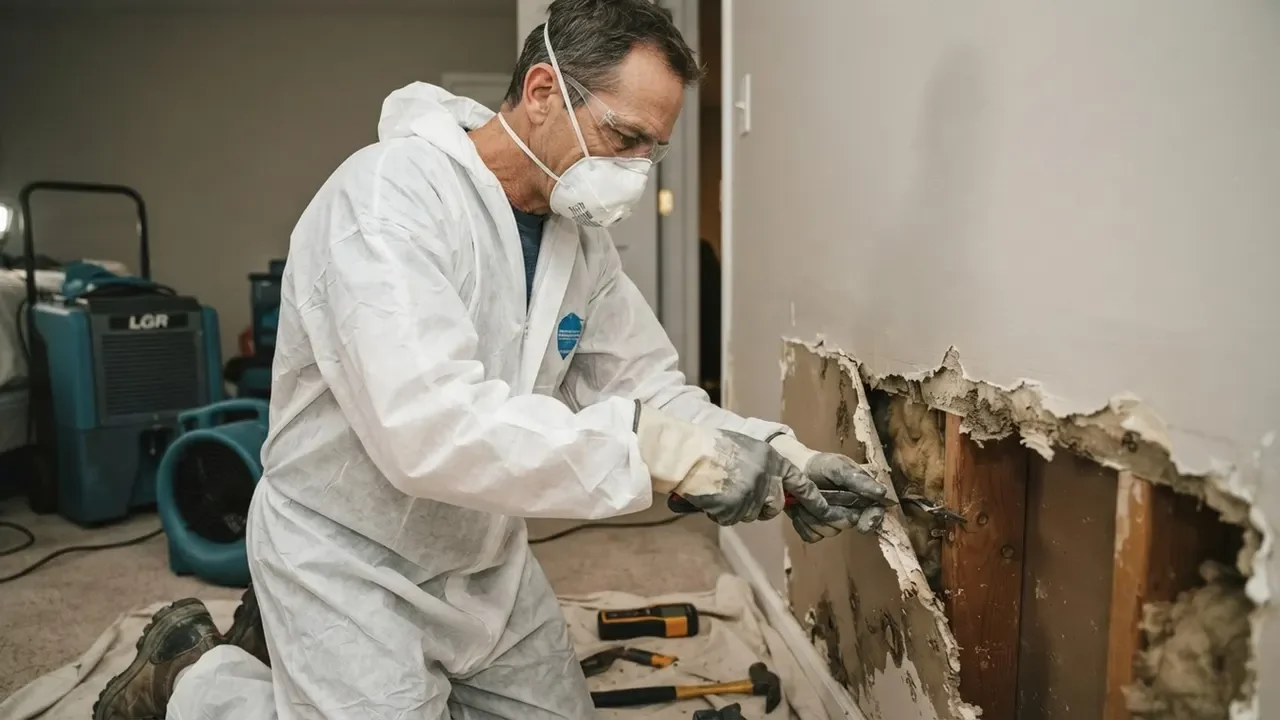
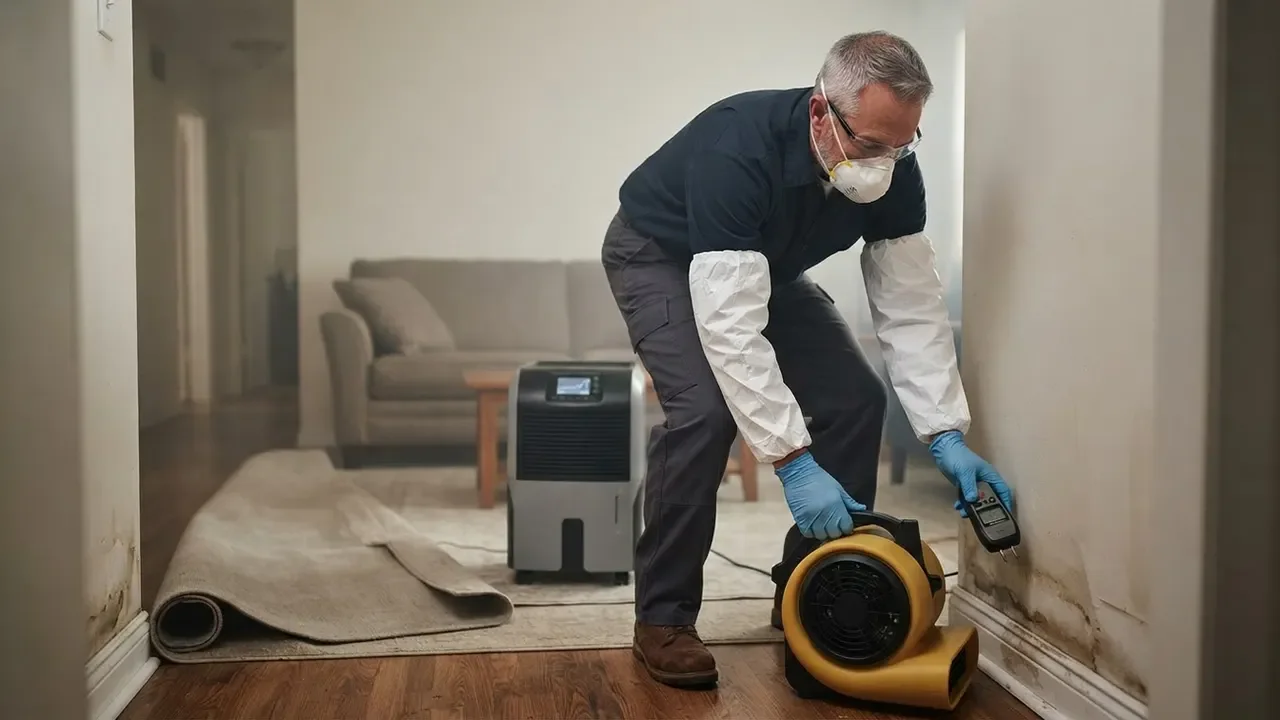
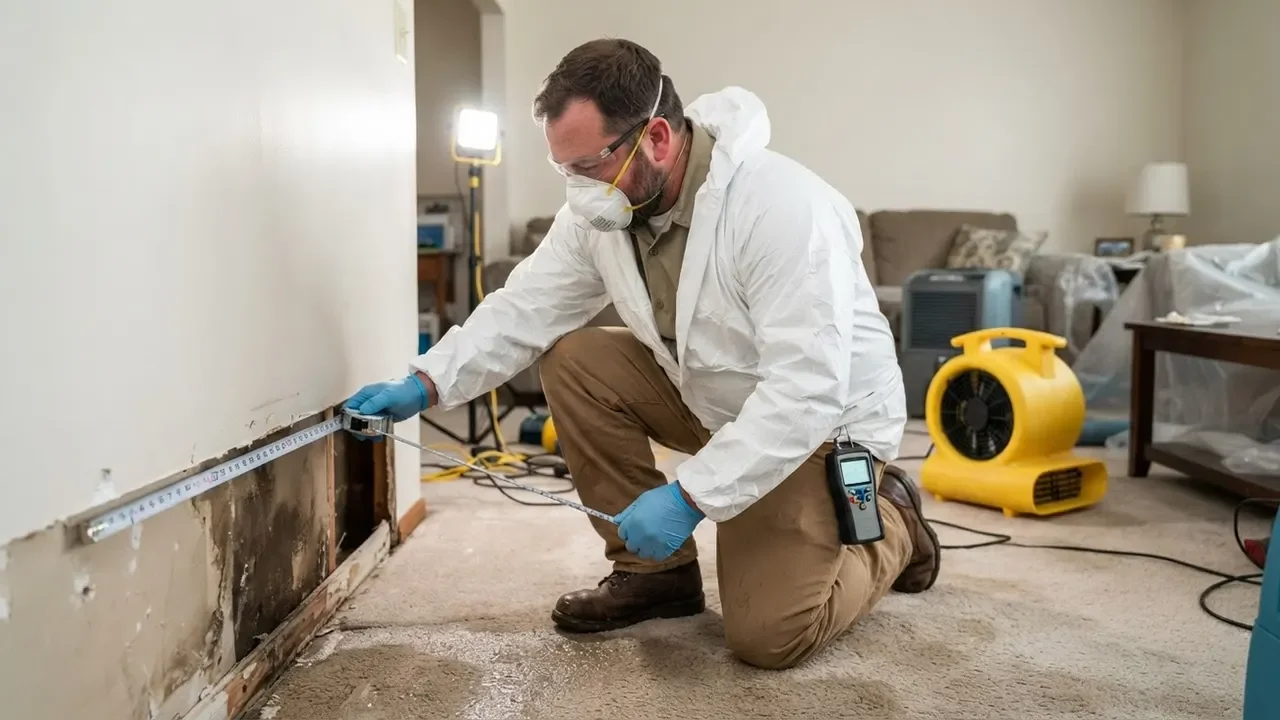
Riverside combines older housing stock, lower-level living spaces, mixed residential and industrial buildings, and river-adjacent conditions. Heavy rain can overwhelm storm drains, while freezing winter temperatures put exposed or poorly insulated pipes at risk. A high water table near the Merrimack River can make basement seepage persistent, but each property still needs an individual inspection. Riverside water damage restoration addresses the actual source and materials rather than assuming every wet basement has the same cause. We check nearby rooms, flooring edges, and enclosed cavities before calling a structure dry.
Older housing stock may have aging foundation joints, previous repairs, or basement finishes that conceal moisture paths. Extended rainfall can saturate surrounding ground and bring water through weak points. Near the Merrimack River, local water table conditions make repeat seepage a concern worth checking.
During heavy rain, drainage systems can be strained and water may enter through low drains or openings. The resulting water can contain debris and contaminants, so carpet, padding, and stored items require careful evaluation rather than ordinary drying.
A frozen pipe can split as water pressure builds, then release water when temperatures rise or the line thaws. Pipes near exterior walls, unheated spaces, or basement ceilings can be vulnerable during sharp winter cold, particularly if a small leak goes unnoticed.
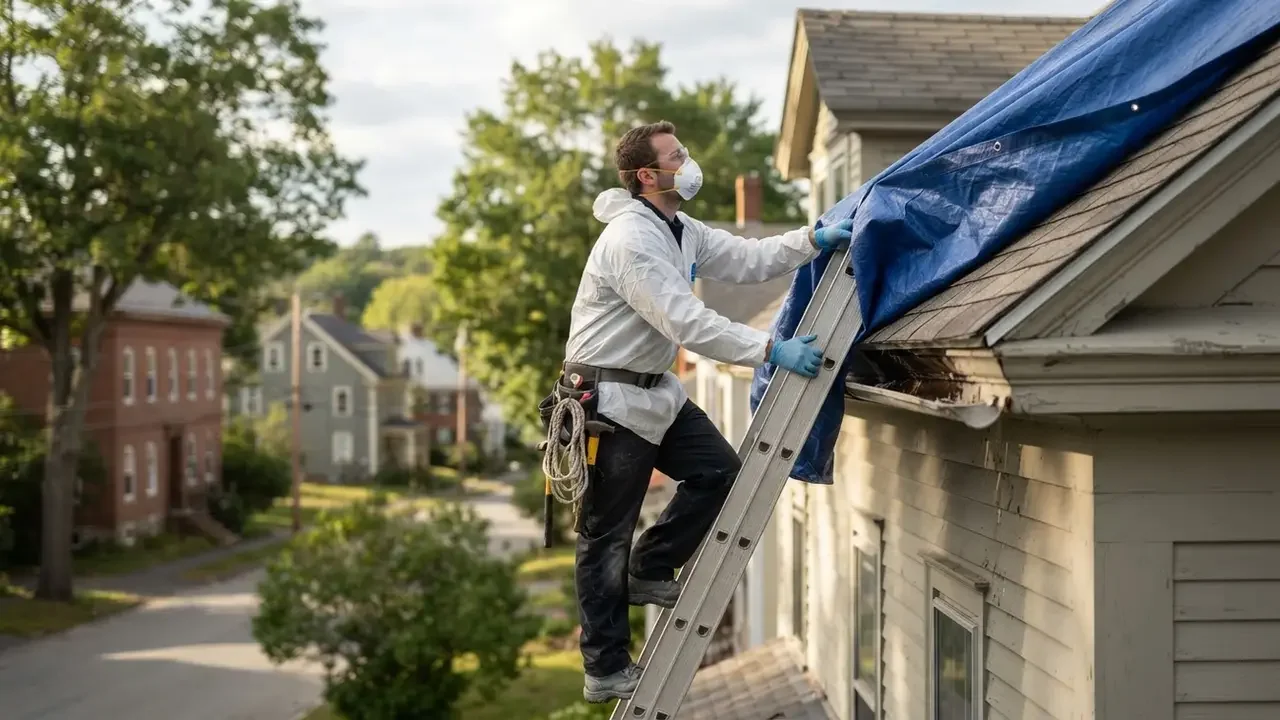
Wind-driven rain, damaged flashing, or an opening in the roof can direct water into attic insulation and ceiling cavities. The visible stain may appear well away from the entry point, and wet insulation can hold moisture after rainfall ends.
Call for water damage restoration in Riverside when water is still entering, a ceiling is sagging, sewage has backed up, or a basement floor remains wet after extraction. Do not wait for a musty odor; moisture can move behind drywall and beneath flooring before it becomes visible. For emergency water damage restoration in Riverside Massachusetts, tell us whether the water is clean, storm-related, or from a drain, and whether electricity is near the affected area. These details help us plan the first safe steps and bring the right equipment.
A ceiling stain grows after rainfall
A spreading stain means water may still be entering through the roof or moving through the ceiling assembly. If the surface bows or feels soft, keep people and valuables clear of the area and call promptly. We trace the wet boundary before removing material.
Basement water returns after pumping
Recurring water at the same wall or floor edge can point to ongoing seepage, a failed sump pump, or drainage problems. Repeated pumping without checking the surrounding materials leaves hidden moisture behind. We inspect the affected perimeter and dry the space after extraction.
Floorboards cup or lift near a leak
Cupping, raised edges, or a soft spot can indicate water beneath hardwood or in the subfloor. Surface drying alone may not reach the trapped moisture. Early measurement helps determine whether targeted drying can stabilize the assembly or whether affected boards need removal.
Musty odor persists after cleanup
A persistent musty smell often means damp porous material remains, such as carpet padding, insulation, or a wall cavity. Odor masking will not correct the moisture source. We inspect the area, identify retained moisture, and address affected materials before deodorization.
A drain backs up during heavy rain
Water emerging from a floor drain can carry contaminants and spread into finished rooms or stored contents. Avoid contact and keep people and pets away from the area. We assess the source, isolate the work zone, and use appropriate cleanup procedures.
Landmarks help identify the right part of Riverside when a street address is difficult to spot, but we use the property address for dispatch and service records. Riverside Park, Haverhill High School, and Riverside MBTA Station are useful orientation points for calls in the surrounding area. We confirm the entrance, unit number, and parking or loading access directly with you, then carry equipment to the affected space. Nearby roads and building access matter more to the work plan than proximity to any landmark.
Riverside Park is a local orientation point for identifying the Riverside area. If you use it to describe your location by phone, provide the exact street address as well so our crew can navigate to your property entrance.
Haverhill High School is a recognizable Haverhill reference point when describing the broader service area. The property address and unit or business entrance remain the details needed to reach a water loss location accurately.
Riverside MBTA Station is a transit reference that can help clarify which part of Riverside you mean. We use your street address and access instructions to identify the correct building and plan equipment unloading.
Plus surrounding Essex County neighborhoods, with same-day routing on most appointments.
As November 2026 brings colder nights, Riverside homeowners should check vulnerable pipes, basement drainage, and roof conditions before sustained winter weather. Winter brings frozen-pipe risks; spring can bring prolonged rain and high groundwater; summer storms can overwhelm drainage; and fall debris can restrict roof and gutter flow. If you need same day water damage cleanup Riverside after a sudden leak, shut off the water if safe and call with the affected room and source. Seasonal preparation helps, but quick extraction and verified drying remain the priority after water enters.
Long rain events and snowmelt can saturate soil and expose seepage at basement walls or slab edges. Riverside's river-adjacent setting and high water table near the Merrimack River make lower-level checks especially useful after several wet days. Storm drain backups can also affect low entrances.
Tip: Move stored goods off basement floors, test the sump pump, and keep a clear route to the drain. If water returns after pumping, note where it enters and call before wet finishes are covered or repainted.
Short, intense storms can send water toward low doors, window wells, and drains. Roof leaks may show up as ceiling stains after wind-driven rain, while warm, humid air can slow drying in enclosed spaces. Commercial buildings also need access plans that protect operations.
Tip: After a storm, check ceilings, basement corners, and areas around exterior doors. Photograph new water marks and move electronics or stored goods away from wet floors while keeping clear of electrical hazards.
Falling leaves and debris can obstruct drainage paths, while cool, wet periods keep basements damp. Roof and window leaks may become apparent before winter, and a small plumbing drip can remain hidden behind stored items or cabinets.
Tip: Clear accessible drainage areas and inspect ceilings and basement walls before cold weather. Find the main water shutoff and make sure everyone in the household knows where it is.
Freezing temperatures raise the risk of burst pipes in cold rooms, crawl spaces, and exterior-wall cavities. A thaw can reveal a leak that began overnight. Snow and ice can also complicate roof-water entry, leaving wet attic insulation or ceiling materials.
Tip: Keep vulnerable areas reasonably warm, open cabinet doors where pipes sit against cold walls, and know the shutoff location. If a pipe breaks, stop the supply if safe and call for extraction before water spreads.
Riverside is one part of Haverhill Water Damage Restoration's broader Haverhill-area service region. Our crews handle residential and commercial water losses throughout the local network, with routing based on the address, active water conditions, and the equipment needed. The same inspection and drying sequence applies whether you are near Riverside Avenue or calling from another Haverhill neighborhood. Share your location and what happened so we can direct the right response.
(City)
Downtown Haverhill is part of the same Haverhill service area, with calls routed alongside Riverside properties according to active job locations.
View Downtown Haverhill(City)
Mount Washington is another Haverhill coverage area; our local dispatch considers access, affected building type, and emergency conditions.
View Mount Washington(City)
Bradford sits within the wider Haverhill service region and shares the same restoration intake and documentation process used for Riverside calls.
View Bradford(City)
Ward Hill is included in our Haverhill-area coverage, with scheduling coordinated across residential and commercial restoration calls.
View Ward Hill(City)
Highlands is served as part of the same local coverage network, and response planning begins with the property address and water source.
View Highlands(City)
Ayers Village is within our broader Haverhill service region; the same extraction, drying, and job-record process applies there.
View Ayers VillageReal answers from our team for the questions we hear most often before a job starts.
Water entering your Riverside home or business needs a measured response: control the source, extract standing water, and dry affected materials. Our emergency phone line is available 24/7, and we serve Riverside properties across 01830, 01832, and 01835. Call Haverhill Water Damage Restoration at (833) 546-4116 with your address, the source of water, and the rooms affected. We will help you take the next practical step.
Call (833) 546-4116 when water is entering your home or business, or when a damp room needs inspection. Our referral line is available 24 hours a day to connect you with independent companies serving Haverhill, MA, including areas near 01831 and 01835. Tell us what happened, where the water is, and whether it is still flowing.
Phone
(833) 546-4116Address
Haverhill, Massachusetts
Hours
Mon–Fri: 7AM – 7PM
Sat: 8AM – 4PM
Sun: Emergency Only
24/7 Emergency Available