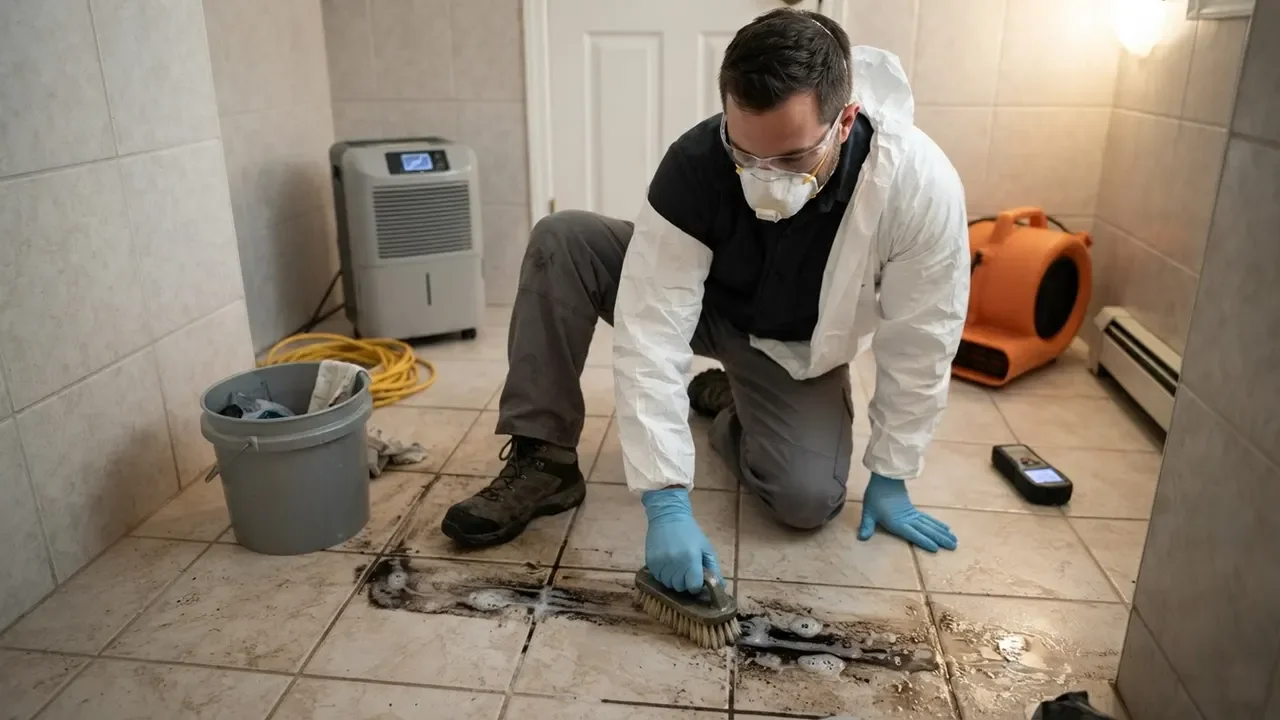
Surface and Edge Inspection
We inspect grout joints, tile edges, transitions, drains, and nearby baseboards for signs of water movement or loss of bond. You learn where the affected area ends and whether adjoining drywall or flooring needs checking.
Tile and grout restoration covers inspection, water removal, moisture monitoring, drying, and repair of affected tile or grout when the surface and substrate allow it. We also check adjoining finishes and document the observed damage. Plumbing, roofing, extensive subfloor reconstruction, and mold remediation are handled as related work when inspection shows they are needed; we explain those needs before proceeding.
We inspect grout joints, tile edges, transitions, drains, and nearby baseboards for signs of water movement or loss of bond. You learn where the affected area ends and whether adjoining drywall or flooring needs checking.
We remove accessible standing water and set drying equipment based on the room and material conditions. Follow-up moisture readings guide the drying period, which commonly runs 2 to 5 days for affected assemblies.
After drying, we clean and restore serviceable grout or replace damaged sections of tile and grout. We check the repair for stable footing and a consistent finish before returning the area to normal use.
We record visible damage and moisture findings so you have a practical account of the work. Photos and readings help you follow progress and share relevant restoration details with your property manager or insurer.
Tile and Grout Water Damage Restoration in Haverhill is a floor recovery service that finds and removes water affecting tile, grout, and the layers beneath them after a leak or flood. We inspect grout joints, tile edges, transitions, and nearby baseboards because water can travel below an intact-looking surface. Our crew extracts accessible water, measures moisture in the subfloor and adjacent materials, and sets drying equipment when readings show retained moisture. We clean salvageable surfaces and identify tiles that need careful removal so the cause and extent are addressed, not just the visible stain.
Haverhill homes and businesses call after a burst pipe, frozen pipe, appliance leak, basement flooding, or roof leak sends water across a tiled room. Cold weather can bring pipe failures, while heavy rain can expose water entry at lower levels and thresholds. We check adjoining drywall, insulation, and carpet padding where the wet area meets another finish. If you are searching for tile and grout water damage restoration near me Haverhill MA, our inspection pinpoints whether the tile is sound, the grout has failed, or moisture has reached the subfloor.
Tile and grout restoration in Haverhill starts with stopping the water source and establishing what is wet. We explain the next action at each stage, protect the route through your home, and keep drying focused on measured conditions. Your floor is not considered ready for finish work until moisture checks support that decision.
Schedule
Call or book online — a real human picks up and confirms a 2-hour arrival window.
Diagnose
A tech inspects on-site, then walks you through the cause and your options.
Fix
The job is completed to code and done right the first time — no shortcuts, no surprises.
Guarantee
Every job backed by a written workmanship warranty — and we stand behind it.
Moisture meter
We use it to compare moisture readings at grout edges, baseboards, and accessible subfloor locations. Repeat checks show whether affected materials are drying and help determine when finish work can proceed.
Thermal imaging camera
It identifies temperature patterns that can point to areas for closer inspection. We verify suspected moisture with direct readings because an image alone does not confirm water is present.
Extraction wand
We use the wand to remove accessible standing water from tile and nearby floor surfaces. Controlled extraction limits water left at edges and transitions before the drying equipment is set.
Air mover and dehumidifier
An air mover circulates air over affected surfaces while a dehumidifier removes moisture from the room air. We position and adjust equipment based on readings and the materials being dried.
HEPA vacuum
We use a HEPA vacuum for appropriate cleanup of fine debris during restoration work. It helps control dust when damaged grout or material is removed and the affected area is prepared for repair.
ANSI/IICRC S500 water restoration principles
We use the standard's water damage framework to guide inspection, water removal, drying, and documentation. The work is adjusted to the water source and material conditions. That distinction matters when a clean pipe leak affects tile versus a sewage backup that contaminates the floor.
Moisture mapping and verification
We establish initial readings at affected and nearby materials, then revisit the same locations during drying. Comparing readings over time helps show whether moisture is moving out of the assembly. We use the results to guide equipment changes and repair timing.
Controlled structural drying
We direct airflow and dehumidification toward the wet assembly while protecting nearby finishes. Equipment is monitored rather than left without review, and readings inform adjustments. Drying is considered complete when the affected materials reach an appropriate condition for their type and the planned repair.
ANSI/IICRC S520 remediation practices
If inspection finds microbial growth, we use relevant remediation principles to define affected materials and cleaning or removal needs. Moisture correction remains part of the response. We do not treat staining alone as proof of mold; findings guide the next step.
01
What we do: We start by confirming the water source is controlled, then extract water from the floor and check grout edges, cabinets, and the room below where accessible. Moisture readings guide equipment placement. We document the affected area and return to verify drying before tile repairs begin.
→ The floor is assessed below its visible surface, and the repair plan reflects actual moisture rather than appearance alone.
02
What we do: We remove standing water, check tile and wall junctions, and assess whether basement finishes or stored contents were affected. If water entry continues, that source must be controlled alongside cleanup. Drying equipment is set according to the measured conditions in the room.
→ Your basement receives a coordinated cleanup and drying plan, reducing lingering dampness and helping protect adjacent materials.
03
What we do: We inspect the accessible toe-kick area, transitions, grout joints, and nearby baseboards for water movement. Extraction and moisture checks establish whether water remains under the tile or has reached the subfloor. We coordinate finish repair after the affected area is dry.
→ You know whether the kitchen floor is ready for normal use or needs additional drying before a durable repair.
04
What we do: We document the interior path from ceiling to floor, remove water from tile, and check the adjoining wall and baseboard. The roof opening must be protected to stop new water entry. We then dry and repair affected interior materials in a practical sequence.
→ The floor and connected finishes are addressed together, while temporary protection helps prevent the same storm from adding more damage.
Tile and grout water damage repair Haverhill MA calls for attention to both winter leaks and rain-driven water entry. As temperatures drop in November and winter approaches, frozen pipes can release water into bathrooms, kitchens, and lower-level rooms. Spring rain and storm events can also expose basement seepage or roof leaks. We inspect the floor and the nearby wall, because water can travel beneath grout and emerge well away from the source. In older and remodeled properties alike, tile may sit over different subfloor materials, so we check what is accessible before choosing a drying approach. For tile water damage repair near me open now Haverhill, call (833) 546-4116 and tell us whether the water is clean, sewage-related, or still entering. We serve homes and businesses throughout Essex County, including ZIP codes 01832, 01830, 01835, and 01831. Our team records observed conditions and follows applicable restoration standards; any building repair or permit requirements are handled according to the work involved and local rules.
Riverside
We check tile edges and lower-level finishes where water has crossed a doorway or collected near an exterior wall. Moisture readings help determine whether the floor needs drying below the surface.
Bradford
After a pipe leak or appliance failure, we inspect kitchen and bathroom transitions for water that has moved under cabinets or into adjacent flooring.
Downtown Haverhill
For apartments and commercial spaces, we document the affected tiled area and connected finishes so property contacts can coordinate access and restoration.
Ward Hill
When storm water or a roof leak reaches a tiled room, we follow the path from the entry point to floor edges and check nearby wall materials.
Freezing winter temperatures increase the risk of burst and frozen pipes
Water released in a bathroom or utility space can pass through grout and reach the subfloor before the leak is noticed. We prioritize stopping the source, extracting water, and checking the floor edges and nearby finishes.
Heavy rain can send water into lower-level rooms
Basement tile may appear clean while water remains near drains, wall junctions, or beneath stored materials. We remove standing water and check the floor assembly and adjoining finishes before setting a drying plan.
Mixed flooring transitions can carry moisture beyond tile
A tiled entry may meet hardwood flooring or carpet, each with different drying needs. We inspect both sides of the transition, track readings by material, and coordinate equipment to avoid leaving a damp boundary.
Tile can hide water until grout darkens, a tile shifts, or a musty odor develops. We find the source and assess what is happening beneath the finish. Acting early helps limit continued moisture exposure to the substrate and nearby materials.
Problem
Persistent discoloration can signal moisture below the surface, especially when it spreads beyond the original spill. Ignoring it can leave the subfloor damp and allow odors to develop.
Our Fix
We inspect the grout pattern, edges, and nearby baseboards, then take moisture readings to locate the extent. We extract any accessible water and dry the affected assembly before cleaning or replacing grout. If the leak is ongoing, we identify the need to stop it before finish work.
Problem
Movement can indicate a weakened bond or moisture-damaged backing. Continued foot traffic may crack adjacent tiles and expose more of the floor to water.
Our Fix
We assess loose and hollow-sounding areas and check the substrate for moisture or deterioration. Damaged tiles are removed carefully when needed, and the exposed area is dried and repaired before replacement. We also check neighboring tiles so a small repair does not miss a wider failure.
Problem
Odor can come from wet backing, a damp subfloor, or adjacent porous materials rather than the tile surface itself. Covering the smell without drying leaves the source in place.
Our Fix
We follow the odor to likely moisture pathways, check readings at tile edges and adjoining finishes, and dry or remove affected materials as conditions require. If inspection indicates mold growth, we discuss the appropriate remediation step rather than masking the odor.
Problem
Moisture at a threshold can affect hardwood flooring, carpet padding, or lower drywall. Treating only the tiled area leaves connected materials wet and increases the chance of secondary damage.
Our Fix
We inspect transitions on both sides of the doorway and check the materials that meet the tile. Extraction and drying are coordinated across the affected boundary, with separate readings for different flooring types. We then repair the tile edge and any confirmed damaged adjoining finish.
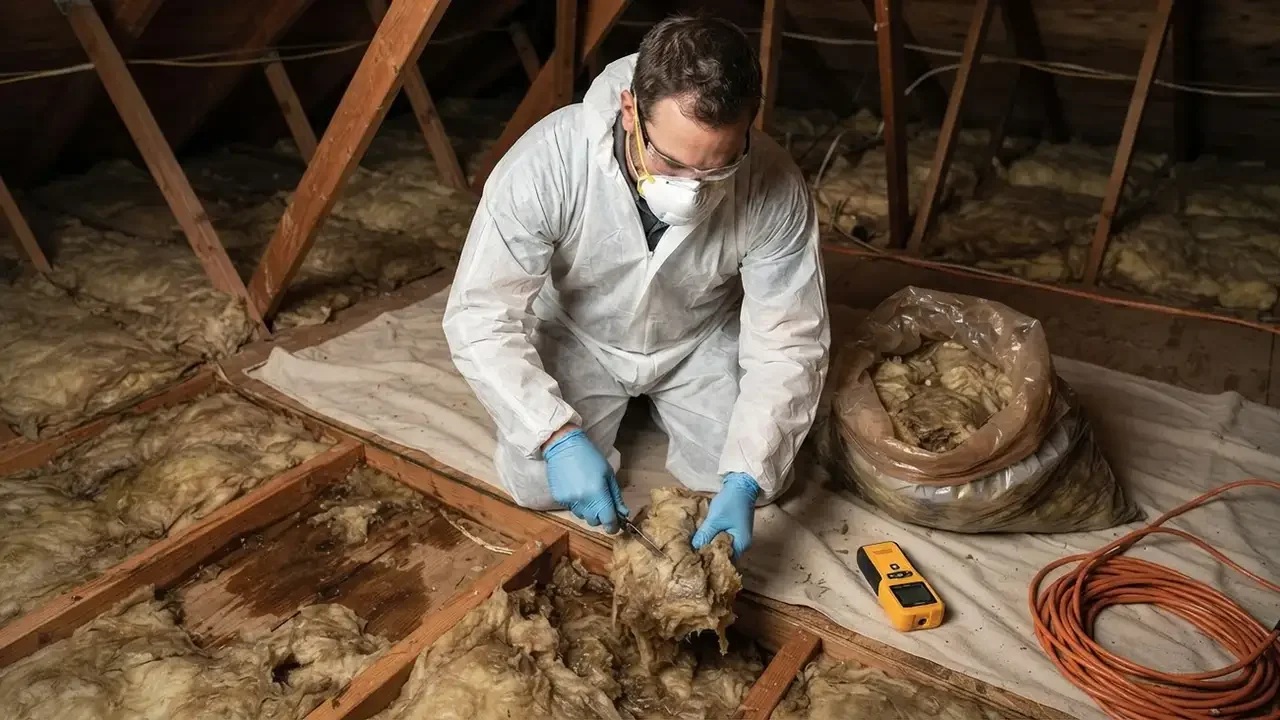
A dry-looking tile surface does not prove the floor assembly is dry. We track moisture below and around the damaged area, then match the repair to the actual conditions. That approach helps you avoid premature regrouting over damp material and unnecessary tile removal when controlled drying is enough.
Moisture Located Early
We use a moisture meter and visual inspection to map wet areas beyond the visible spill line. That matters when water has moved under tile or into a baseboard edge. You get a clearer repair boundary, with readings tracked during drying rather than relying on touch or appearance alone.
Stable Tile Underfoot
Loose, hollow-sounding, or lifted tiles are assessed before surface work begins. We identify whether the bond, grout, or substrate is compromised and handle each accordingly. For Haverhill tile and grout water damage restoration, that means addressing movement and moisture together instead of hiding the problem with fresh grout.
Controlled Drying Setup
Air movers and a dehumidifier are positioned to move moisture out without directing excessive airflow at loose finishes. We check the equipment and moisture readings during the drying period. This controlled setup protects nearby hardwood flooring, carpet padding, and painted baseboards from avoidable secondary damage.
Clear Repair Decisions
We separate cleanable, dryable materials from those that are swollen, detached, or contaminated. You can see which tiles remain serviceable and where replacement is warranted. We document affected areas and use Xactimate when preparing restoration documentation for an insurance claim.
Tile failures need more than a mop and a tube of grout. Our local experience covers tracing water paths, distinguishing surface staining from trapped moisture, and coordinating floor work with structural drying. We follow applicable IICRC guidance, including ANSI/IICRC S500 for water damage restoration and ANSI/IICRC S520 when microbial remediation is involved. Our technicians explain what readings mean in plain language and keep the repair focused on the affected materials. We do not claim a credential or job count we cannot substantiate; we show you the inspection findings and the work required.
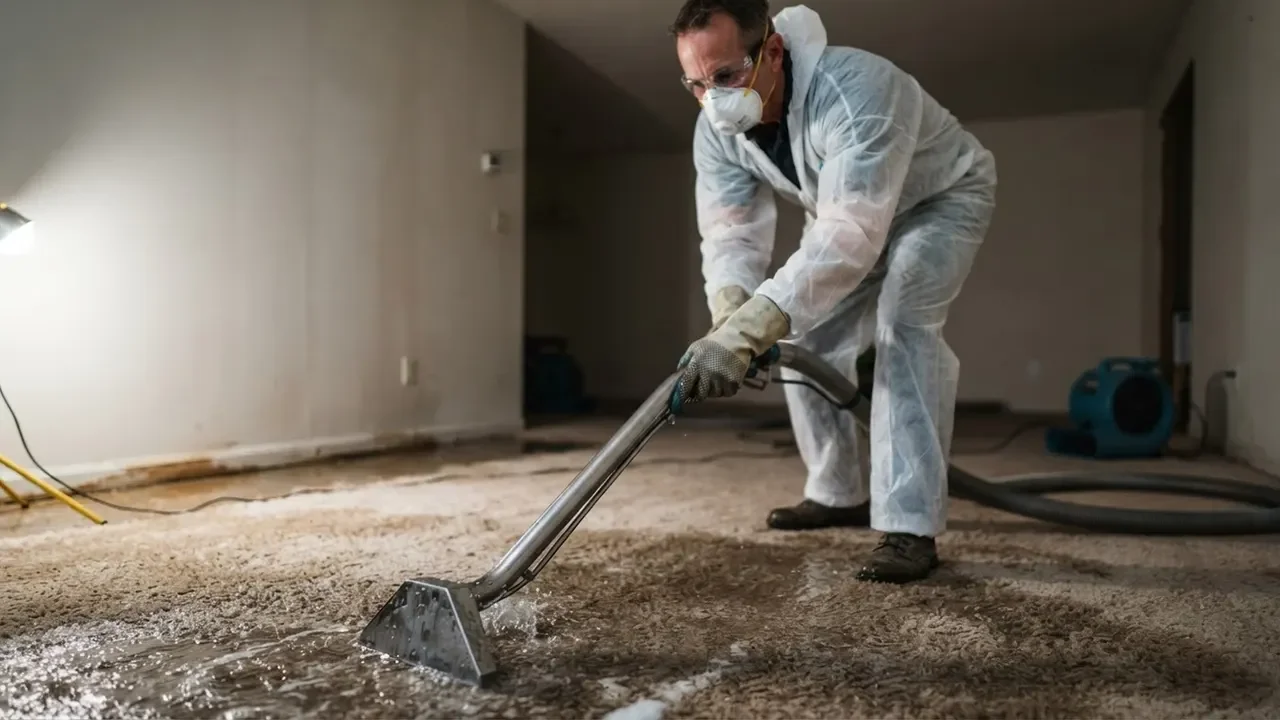
Real answers to the questions we hear most often from local homeowners and property managers.
When water reaches tile and continues into walls, flooring, or contents, broader restoration keeps the response coordinated. We trace the affected area, remove damaged materials when necessary, and dry connected spaces so a finished tile repair is not placed over an unresolved leak.
View Water Damage RestorationStanding water on tile should be removed before it seeps through grout joints or edges. We extract accessible water, check adjacent rooms, and start drying where readings show moisture. Quick extraction also helps limit water transfer into carpet padding and nearby baseboards.
View Emergency Water ExtractionFloodwater can leave tile, grout, and lower wall materials contaminated. We assess the water category, remove affected debris, and clean or discard materials according to condition. The service addresses the room as a whole, not only the visible tile surface.
View Flood CleanupBasement tile can conceal water at floor edges, around drains, and below finished walls after flooding. We remove standing water, check the floor assembly, and set drying equipment where needed. The work helps prevent persistent dampness and musty odors in lower-level rooms.
View Basement Water RemovalA sewage backup changes the response because contaminated water can affect grout joints and porous materials. We isolate the area, remove impacted contents, and clean affected surfaces using appropriate procedures. Damaged materials that cannot be safely cleaned are removed before drying and repair.
View Sewage Backup CleanupStorm water entering through a damaged roof, window, or foundation can travel onto tiled floors. We help control the affected interior, extract water, and inspect nearby walls and flooring. Emergency board-up or tarping can be coordinated when an opening is allowing more water inside.
View Storm Damage RestorationCall (833) 546-4116 when water is entering your home or business, or when a damp room needs inspection. Our referral line is available 24 hours a day to connect you with independent companies serving Haverhill, MA, including areas near 01831 and 01835. Tell us what happened, where the water is, and whether it is still flowing.
Phone
(833) 546-4116Address
Haverhill, Massachusetts
Hours
Mon–Fri: 7AM – 7PM
Sat: 8AM – 4PM
Sun: Emergency Only
24/7 Emergency Available