Haverhill Water Damage Restoration
Call (833) 546-4116

Basement Water Removal Haverhill MA

Standing water out, damaged materials assessed, drying started


Basement water removal Haverhill MA helps homeowners and property managers facing a burst pipe, storm seepage, sump failure, or sewage backup. We extract standing water, check affected materials, and set drying equipment so damage does not keep spreading behind walls or beneath flooring. Call Haverhill Water Damage Restoration at (833) 546-4116 for a clear next step when your basement is wet, unsafe, or carrying a musty odor.

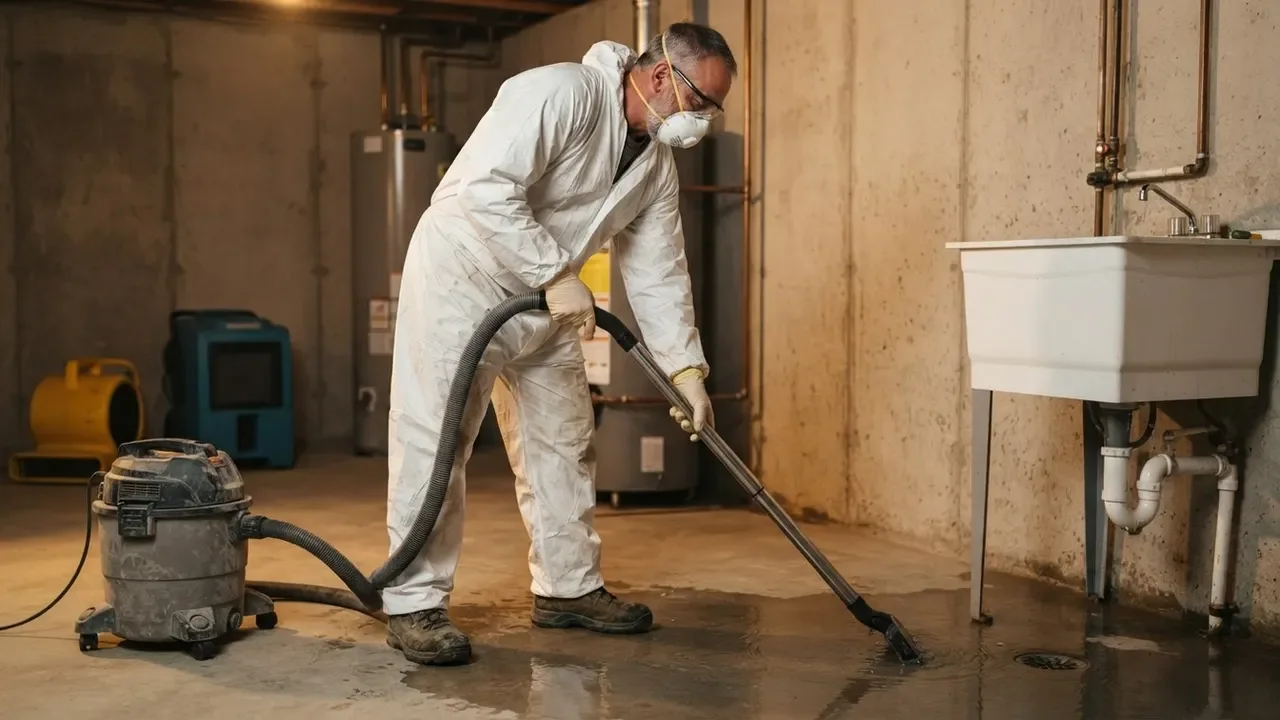
Basement Water Removal in Haverhill: restoration technician using a wet/dry vacuum to remove residual water from a basement
24/7 Emergency Same-Day Response
Warranty Backed Workmanship Guaranteed in Haverhill

What Basement Water Removal Includes

Our basement water removal service covers an initial safety and moisture assessment, extraction of accessible standing water, and setup of drying equipment when the materials need it. We also explain findings and document affected areas. Cleaning, sewage sanitation, extensive demolition, plumbing repairs, and rebuilding are separate work steps when conditions require them; we identify those needs clearly so you understand what the immediate removal addresses and what comes next.

Initial Safety Assessment

We review the water source, depth, affected rooms, and access conditions before beginning. If water is near electrical equipment or appears contaminated, we adjust entry and cleanup priorities. This first check helps protect occupants and points the extraction work toward the areas that need attention first.

Standing Water Extraction

We pump or vacuum accessible water from the basement floor using equipment matched to the depth and layout. Extraction includes checking corners, floor transitions, and accessible low points where water can remain after the main pool is removed. We keep salvageable contents clear of the work path where possible.

Affected Material Checks

We inspect visible flooring, lower walls, baseboards, and nearby contents for signs of water migration. A moisture meter helps distinguish damp materials from surfaces that are dry to the touch but still hold moisture. Findings guide whether materials should be monitored, dried, cleaned, or removed.

Drying Equipment Setup

When readings show retained moisture, we position air movers and a dehumidifier to support controlled drying. We explain where equipment will sit, how long it may run, and which paths should stay clear. Follow-up readings show whether the setup needs adjustment.

Cleanup Next-Step Guidance

After extraction, we review any remaining sanitation, mold inspection, material removal, or repair needs. If water came from sewage or runoff, cleaning requirements differ from a clean plumbing leak. You leave with a clear account of the immediate work and the practical next steps.

Basement Water Removal Haverhill MA: What It Covers


Basement water removal Haverhill MA is emergency mitigation that extracts unwanted water and stabilizes affected building materials after a leak, flood, or plumbing failure. We identify the source if it is accessible, remove standing water with an extraction wand or pump, and check walls, floors, and stored contents for moisture. A moisture meter helps show whether drywall, carpet padding, or the subfloor remains wet. We then place air movers and a dehumidifier where readings and airflow call for them. The goal is measured drying, not simply a dry-looking floor.

Haverhill basements face different water paths: a frozen pipe can split during a cold snap, while heavy rain can expose drainage or foundation problems. In older finished spaces, water can move beneath hardwood flooring or into insulation before it becomes visible. Our Haverhill basement water removal services begin with the water category and source, then set priorities for safe extraction and drying. If you searched for 24/7 basement water extraction in Haverhill MA, call us with the water depth, source, and whether power is affected.

What Happens During Removal

Basement water removal Haverhill MA follows a controlled sequence: protect people, stop or isolate the source, extract water, and dry the structure. We explain each step as we work, including what you should avoid touching and which areas need another moisture check.

01

Schedule

Call or book online — a real human picks up and confirms a 2-hour arrival window.

02

Diagnose

A tech inspects on-site, then walks you through the cause and your options.

03

Fix

The job is completed to code and done right the first time — no shortcuts, no surprises.

04

Guarantee

Every job backed by a written workmanship warranty — and we stand behind it.

Equipment and Drying Methods

Tools & Equipment

Moisture meter

We take readings in affected drywall, flooring, and other accessible materials to establish a baseline and track drying. The readings help us find damp areas that cannot be judged reliably by touch or appearance.

Extraction wand

An extraction wand removes water from floors and carpeted areas after bulk pumping. We use it to collect remaining water from accessible surfaces and reduce moisture left behind after the visible pool is gone.

Air mover

Air movers direct airflow across wet surfaces to support evaporation. We position them to reach affected floors and wall bases while keeping walkways and equipment access clear.

Dehumidifier

A dehumidifier collects moisture released into the air during structural drying. We select placement based on the room and adjust the setup as readings and conditions change.

Thermal imaging camera

A thermal imaging camera helps identify temperature patterns that may warrant a closer moisture check behind or around finished surfaces. We confirm suspected wet areas with direct measurement rather than relying on the image alone.

Methods & Standards

Source and water-category assessment

We identify whether the event appears to involve a clean plumbing leak, storm runoff, or sewage before choosing cleanup procedures. The source affects personal safety, which contents can be handled, and whether cleaning or material removal must follow extraction.

Measured structural drying

We record moisture conditions, place air movers and a dehumidifier, and check readings as drying progresses. Equipment placement is adjusted to the affected materials and room configuration. We remove equipment when measurements support the drying goal, not on a fixed calendar alone.

ANSI/IICRC S500-informed restoration

We use ANSI/IICRC S500 water restoration principles to guide assessment, extraction, drying, and documentation. The standard supports a systematic approach: identify conditions, protect occupants, control water, and verify progress. We apply the method to the actual building and water source.

Targeted material decision

We inspect each affected material and decide whether drying, cleaning, or removal is appropriate. Carpet padding, insulation, drywall, and hardwood flooring respond differently to water. Targeted decisions help avoid removing sound materials while preventing wet or contaminated materials from being left in place.

When to Call for Water Removal

01

A Frozen Pipe Splits Overnight in Bradford and Leaves Water Moving Across a Finished Basement Floor.

What we do: Call us once the water source is shut off and the area is safe to approach. We assess electrical risk, extract standing water, and check whether carpet padding, lower drywall, or stored contents have absorbed moisture. We then set drying equipment where readings show it is needed.

→ Water is removed and the affected area is mapped, helping you act on wet materials before they remain damp for days.

02

A Riverside Sump Pump Fails During a November Rainstorm and Water Collects Around Basement Storage.

What we do: We remove the pooled water, separate wet contents from dry belongings, and inspect floor edges for water migration. We check whether water is still entering and note conditions around the sump area. After extraction, we explain drying and any follow-up needed to address the water source.

→ Your storage area is cleared of standing water, with a documented plan for drying the floor and managing affected belongings.

03

A Water Heater Leaks Near the Basement Utility Room Shortly Before a Holiday Gathering.

What we do: We extract water around the appliance and check nearby flooring, baseboards, and stored items. If the leak is ongoing, the water supply must be controlled before cleanup can finish. We use readings to decide whether air movement and dehumidification are needed beyond surface cleanup.

→ The immediate water is removed, and you know which nearby materials need monitoring or additional drying before the room is put back into use.

04

Heavy Runoff Enters a Basement Near Kenoza Lake and Leaves Muddy Water Along One Wall.

What we do: We assess the water source and contamination level before choosing the cleanup method. The crew extracts the water, removes affected debris as appropriate, and checks the wall base and flooring for retained moisture. We explain whether cleaning or material removal should follow.

→ The contaminated water is addressed with a plan that accounts for both residue and moisture, rather than treating the event like a clean pipe leak.

How Basement Water Removal Works in Haverhill

Haverhill homes range from older finished basements to utility spaces with exposed masonry, and each layout changes how water moves. In November and through winter, frozen pipes and thawing conditions can create sudden indoor releases; spring rain and summer storms can test sump pumps, window wells, and foundation drainage. We ask whether water followed a pipe, entered from outdoors, or came through a drain, because the source determines safety and cleanup steps. For basement flooding cleanup Haverhill, we extract first, then check lower walls, floor joints, and stored contents for retained moisture. If you need basement water removal near me Haverhill MA, share the neighborhood, water depth, and whether the source is still active. We serve Haverhill in Essex County, including addresses in 01832, 01830, 01835, and 01831. Our team uses measured readings to plan drying, and we explain when plumbing, drainage, or building repairs need a separate trade. Local conditions matter; the work plan follows the water path in your particular home.
Neighborhoods We Serve

  • Bradford

    Finished basements and utility rooms need careful checks at flooring transitions and lower drywall. We measure those edges after extraction to find water that has moved beyond the visible pool.

  • Downtown Haverhill

    Older buildings can have mixed materials and tight basement access. We plan equipment placement around stairs, stored contents, and narrow work paths while checking masonry and finished surfaces.

  • Riverside

    Storm-related water can arrive alongside plumbing problems. We ask about recent rain and water direction, then distinguish runoff concerns from a clean interior pipe leak before selecting cleanup methods.

  • Ward Hill

    Basement utility areas often contain stored equipment and household goods. We clear a safe route for extraction and check around appliances where a slow leak can remain hidden.

Local Conditions We Plan For

  • Freezing winter temperatures increase the risk of burst pipes in exposed areas

    A pipe release can spread quickly across a basement before it is noticed. We prioritize safe shutoff, extraction, and checks behind nearby finishes; drying cannot solve an active plumbing leak.

  • Heavy rain can overwhelm sump systems and expose drainage weaknesses

    Water may enter at floor joints, window wells, or low foundation areas. We assess the water path and contamination, remove standing water, and identify whether ongoing entry needs separate drainage or foundation work.

  • Finished basements can conceal moisture beneath flooring and behind baseboards

    A dry-looking surface does not prove the assembly is dry. We check likely edges and material transitions with a moisture meter, then target drying or removal to the areas supported by readings.

Sump Failure After Heavy Rain

Before

Several inches of water covered the utility-room floor after a sump pump stopped during a storm. Cardboard storage boxes were wet at the bottom, and water had reached the edge of carpet in the adjoining room. The homeowner could not tell whether the moisture had spread under the carpet or remained on the concrete.

After

The crew extracted the standing water, cleared wet boxes from the work path, and checked the adjoining carpet edge and wall base. The initial pool was removed in about three hours; drying equipment then ran while readings were monitored over several days. The homeowner had a clearer picture of which belongings and materials needed attention.

Maintenance: Test the sump pump before the rainy season and keep its discharge route clear. Store cardboard and valuables on shelving, not directly on the basement floor, so a future leak is easier to spot and less likely to damage contents.

Before

A pipe split near an exterior wall during a cold spell, soaking carpet and the bottom of the drywall. Water had been shut off, but the room still smelled damp and the surface carpet felt cold. The family was unsure whether wiping the floor was enough or whether the wall cavity had also been affected.

After

After confirming the source was controlled, the team extracted water from the carpet and checked the baseboard and drywall with a moisture meter. Wet carpet padding was assessed separately from the carpet surface, and air movers with a dehumidifier supported drying. Follow-up readings showed where additional attention was still needed.

Maintenance: Keep vulnerable plumbing protected during freezing weather and know where the main shutoff is located. After any pipe leak, check behind stored items and along exterior walls, where water and cold conditions can make damage harder to notice.

Before

Muddy water entered along one basement wall after intense rain, leaving grit on the floor and dampness near stored furniture. The visible waterline was low, but the homeowner noticed a musty odor several days later. The source appeared weather-related, so ordinary mopping would not address the residue or moisture in nearby materials.

After

The crew removed the pooled water and debris, assessed the water source, and checked wall edges and flooring for retained moisture. Cleaning addressed the residue, while drying equipment handled damp materials identified by readings. The family received a practical list of remaining drainage concerns and the areas to monitor.

Maintenance: Keep exterior drainage paths and window wells clear, and move stored items away from basement walls. After heavy rain, inspect for new seepage promptly; repeated entry calls for source correction as well as interior extraction.

Problems Solved by Basement Water Removal

A wet basement can threaten finishes, stored belongings, and indoor air if moisture remains after the pool is gone. Our team addresses the water first, then checks the materials most likely to hold it. If you are searching for same day wet basement water removal Haverhill Massachusetts, call with the source and approximate water depth.

Problem

Water Pooling After a Failed Sump Pump During Heavy Rain

Standing water can soak stored boxes, carpet padding, and lower drywall. If it remains, odors and material damage can worsen as moisture spreads beyond the visible pool.

Our Fix

We remove accessible water with a pump or extraction equipment, then check floor edges and lower walls for migration. We also assess whether water appears to be continuing to enter and explain what needs attention at the sump or drainage system. Drying equipment follows when readings show materials remain wet.

Problem

A Burst or Frozen Pipe Soaking a Finished Basement

Water can travel under flooring and behind baseboards before the leak is obvious. Wet insulation and drywall can stay damp after the surface has been wiped dry.

Our Fix

We begin with safe access and water extraction, then map affected areas with direct moisture readings. We identify materials that can be dried and those that are too damaged or contaminated to keep. Once the plumbing source is controlled, our drying plan targets the floor, wall, and contents affected by the release.

Problem

Sewage Backup Leaving Contaminated Water on the Floor

Sewage carries contamination into porous materials and stored items, creating a sanitation concern that ordinary water extraction alone does not resolve.

Our Fix

We treat sewage backup as a separate cleanup condition, restrict access to affected areas, and remove contaminated water and materials using appropriate protective procedures. We then clean affected surfaces and explain what contents can be handled. Drying begins after the contaminated material and sanitation needs are addressed.

Problem

Persistent Dampness and Musty Odor After a Small Leak

A small leak can leave moisture beneath flooring or behind finished walls. Lingering dampness can damage materials and support mold growth if the source remains active.

Our Fix

We look beyond the visible stain, check likely water pathways, and take moisture readings around the leak area. If the source is controlled, targeted drying can address retained moisture; if readings or visible conditions point to further concerns, we explain inspection or remediation options.

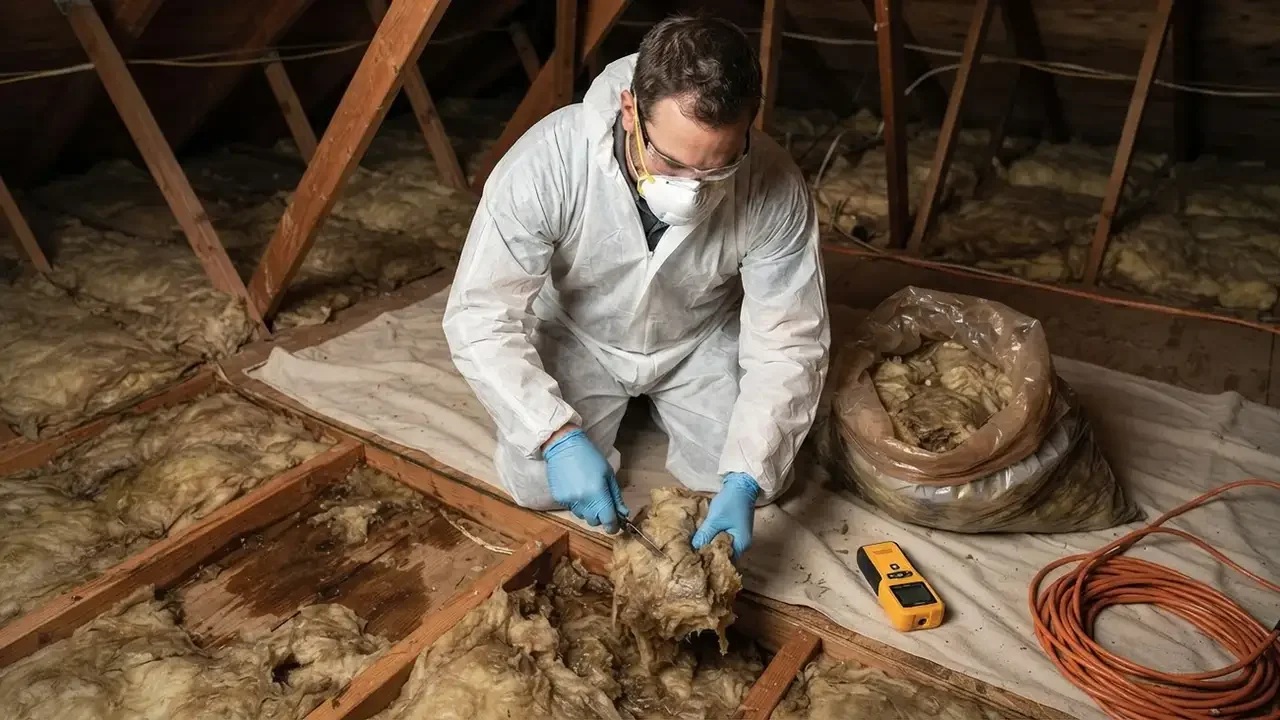
Water damage restoration in Haverhill: restoration technician carefully removing water-saturated insulation from an attic

A Drier Basement, With Less Guesswork

Basement water removal in Haverhill is about controlling the water and documenting what remains damp. We work from the visible pool to the hidden edges, so you know which materials need drying, cleaning, or removal rather than relying on appearance alone.

  • Water Out Quickly

    We remove pooled water with pumps and extraction equipment suited to the depth and access. For a shallow, open basement, extraction can take a few hours; a multi-room flood takes longer. Getting water off carpet and tile early limits how far it travels into carpet padding, baseboards, and stored belongings.

  • Moisture Mapped Clearly

    A moisture meter and thermal imaging camera help us compare wet areas with unaffected surfaces. We record readings at the lower wall, floor edge, and other likely migration points. That gives you a practical drying target and helps prevent a damp corner from being overlooked after the visible water is gone.

  • Materials Handled Properly

    Wet drywall, insulation, hardwood flooring, and carpet padding do not all respond the same way. We assess each material before deciding whether to dry, clean, or remove it. That distinction can preserve sound finishes while opening only the areas that are holding moisture or creating a sanitation concern.

  • Next Steps Made Clear

    After extraction, we explain what equipment is running, what readings we are tracking, and when the next check is due. You get a practical plan for drying, cleaning, and repairs, rather than a promise based only on how the basement looks at the end of the visit.

Training and Work Standards

Industry Standards

  • IICRC Water Restoration Technician (WRT) — issued by Institute of Inspection, Cleaning and Restoration Certification
  • IICRC Applied Structural Drying (ASD) — issued by Institute of Inspection, Cleaning and Restoration Certification
  • IICRC Applied Microbial Remediation Technician (AMRT) — issued by Institute of Inspection, Cleaning and Restoration Certification
  • EPA Lead-Safe Certification — issued by U.S. Environmental Protection Agency

Field Knowledge That Guides Drying

Basement cleanup depends on reading the building, not just running a pump. Our team uses local experience to distinguish a one-time plumbing release from recurring seepage, and to track water into concealed floor and wall assemblies. We follow applicable IICRC practices for water restoration and use measured readings to guide equipment placement and drying decisions. We also account for contamination, material condition, and the practical limits of a finished basement. You get a clear explanation of what we found and what needs attention next.

  • We assess water category and likely source before choosing extraction, cleaning, or material removal methods.
  • Moisture readings guide equipment placement and progress checks instead of guesswork based on surface appearance.
  • Our technicians understand IICRC WRT principles for water damage restoration and structural drying.
  • We account for electrical hazards, sewage exposure, and safe access before entering affected basement areas.
  • We document affected materials and communicate practical next steps for drying, cleaning, and repairs.
Get Started Today
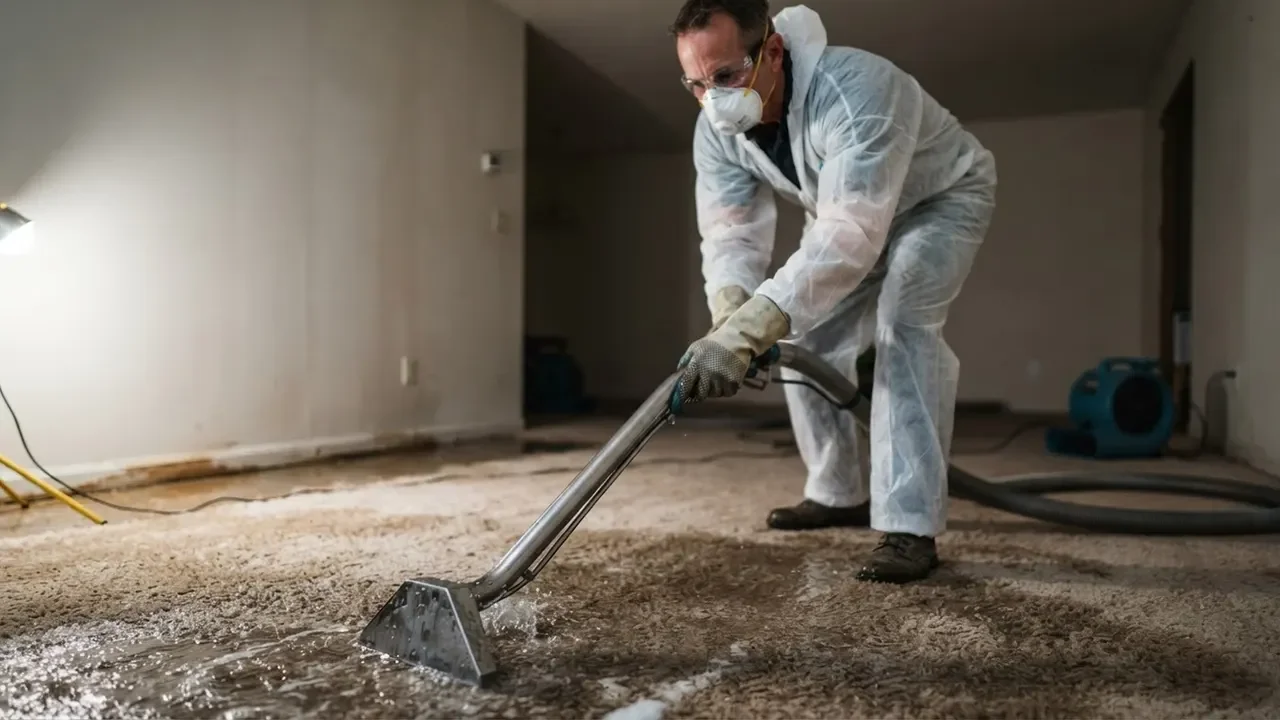
Water damage restoration in Haverhill: restoration technician operating a high-powered water extraction wand across a soaked

Basement Water Removal Questions

Real answers to the questions we hear most often from local homeowners and property managers.

How much does basement water removal cost in Haverhill MA?
A straightforward extraction often varies while extensive drying or contaminated water cleanup can be higher. Typical pricing in Haverhill depends on water depth, affected square footage, material removal, and equipment days. We assess the actual conditions and explain the price before work proceeds. A small clean-water leak caught quickly costs less than sewage backup or water trapped under finished flooring.
Why is my basement leaking water in Haverhill?
Common causes include a burst or frozen pipe, sump pump failure, foundation seepage, roof runoff, or a sewer backup. The location and timing offer clues: water after heavy rain points toward drainage or foundation pathways, while a sudden pool near plumbing suggests a fixture or pipe failure. We trace visible signs, check nearby materials, and recommend addressing the source alongside cleanup.
How do you dry a basement after water removal in Haverhill Massachusetts?
We remove standing water, measure affected materials, then run air movers and a dehumidifier while tracking moisture for about three to five days on many jobs. Drying time changes with temperature, humidity, materials, and how long water sat. We check wall bottoms, flooring edges, and concealed areas where readings indicate concern. Equipment comes out when measurements support the drying goal, not just when surfaces feel dry.
Can you remove basement water same day in Haverhill MA?
Yes, we can start same-day extraction when a crew and safe access are available; call (833) 546-4116 as soon as water appears. Tell us the approximate depth, source, sewage involvement, and whether electricity is affected. Emergency basement water removal Haverhill MA starts with safety and water control, followed by moisture checks and a drying plan. The full drying process often continues beyond the first visit.

Related Cleanup and Repair Services

Water Damage Restoration

Basement extraction handles the immediate water, while broader restoration addresses affected structure and contents. We can assess wet drywall, flooring, and stored belongings after a Haverhill basement leak, then coordinate cleaning and drying steps that return the space to usable condition.

View Water Damage Restoration

Emergency Water Extraction

Emergency extraction is the immediate removal step for a flooded basement, broken pipe, or failed sump pump. We select pumping and vacuum equipment based on depth and access, then check for water that has moved beneath carpet or toward wall assemblies.

View Emergency Water Extraction

Flood Cleanup

Flood cleanup addresses water and residue left after heavy rain, runoff, or a basement flood. We remove standing water, separate salvageable contents, and assess affected surfaces. The water source determines whether cleaning and disinfection need to follow extraction.

View Flood Cleanup

Sewage Backup Cleanup

A sewage backup requires protective procedures and sanitation beyond ordinary water removal. We isolate affected areas, remove contaminated water and materials as needed, and clean surfaces with an appropriate method. Keep people and pets out until the affected space is addressed.

View Sewage Backup Cleanup

Storm Damage Restoration

Storm damage can bring water through foundation openings, window wells, or damaged exterior areas. We extract basement water and assess the route it took indoors. If an opening remains exposed, emergency board-up or tarping can help limit further entry while repairs are arranged.

View Storm Damage Restoration

Burst Pipe Repair and Cleanup

A burst pipe can release water quickly into a basement and soak insulation, drywall, or stored items. We remove the water and document the affected area; plumbing repair addresses the failed line. Coordinating both helps prevent a repeat release while drying is underway.

View Burst Pipe Repair and Cleanup

Call for Basement Water Removal Haverhill MA

Water in your basement needs attention before it spreads into walls, flooring, and stored belongings. Call Haverhill Water Damage Restoration at (833) 546-4116 and tell us what happened; our team will explain the next step and the information needed to respond.

Call Now Call Our Team

Contact Haverhill Restoration

Call (833) 546-4116 when water is entering your home or business, or when a damp room needs inspection. Our referral line is available 24 hours a day to connect you with independent companies serving Haverhill, MA, including areas near 01831 and 01835. Tell us what happened, where the water is, and whether it is still flowing.

Or call us right now at (833) 546-4116 — we answer.
Or email us at hello@haverhillwaterdamagema.com

Haverhill Water Damage Restoration


  • Address

    Haverhill, Massachusetts

  • Hours

    Mon–Fri: 7AM – 7PM
    Sat: 8AM – 4PM
    Sun: Emergency Only
    24/7 Emergency Available

Call (833) 546-4116 Get Quote
Call Quote