Haverhill Water Damage Restoration
Call (833) 546-4116

Burst Pipe Repair Haverhill MA, Done Right

Stop the leak, remove water, and protect your home


Burst pipe repair Haverhill MA helps homeowners and property managers limit damage when a line splits, freezes, or fails without warning. We locate the affected area, coordinate the repair, extract standing water, and dry wet materials. Our burst pipe cleanup Haverhill MA service is built for urgent leaks in kitchens, basements, ceilings, and multi-unit buildings, with practical steps to protect your property from swelling floors and mold growth.

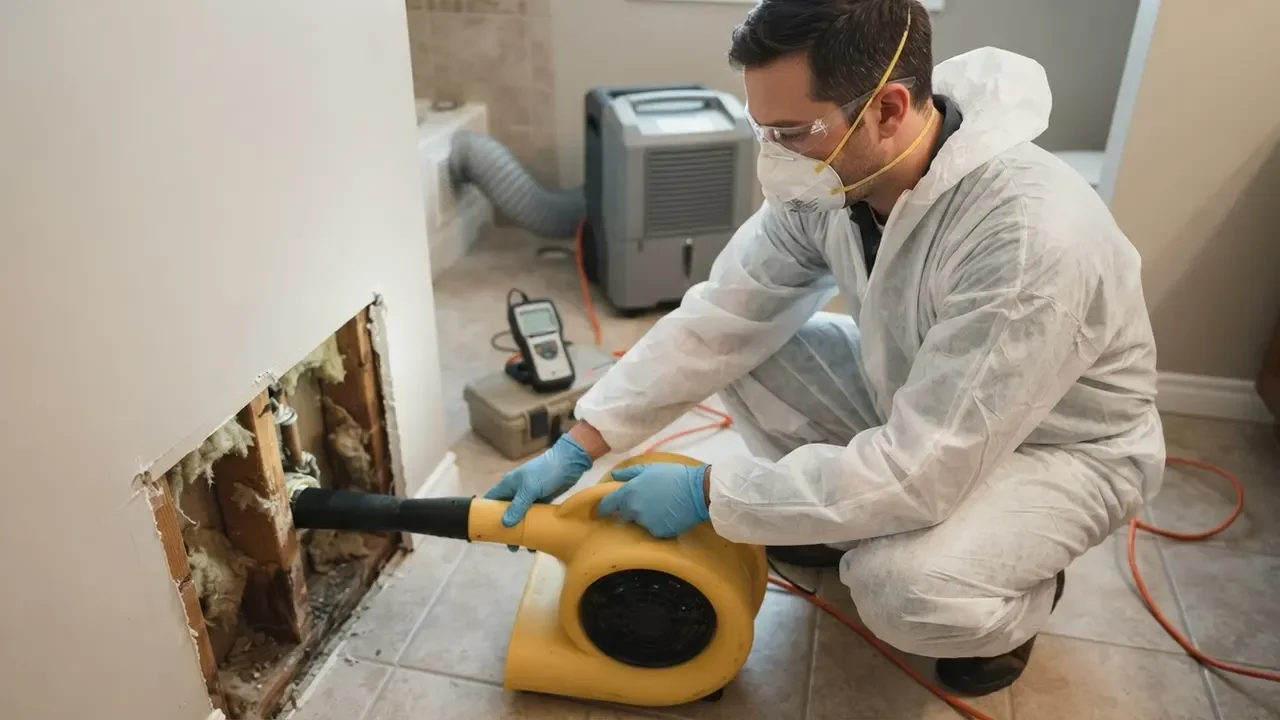
Burst Pipe Repair and Cleanup in Haverhill: restoration technician setting up a targeted air mover to dry a wall cavity in a
24/7 Emergency Same-Day Response
Warranty Backed Workmanship Guaranteed in Haverhill

What Burst Pipe Cleanup Includes

Burst pipe repair and cleanup covers immediate water mitigation, inspection, extraction, and drying recommendations for affected rooms. We help coordinate the response to the failed line and document what became wet. Finish carpentry, plumbing replacement, and full reconstruction are separate trades when required, but we explain how those steps connect so your property can move toward a complete repair.

Leak-Area Assessment

We inspect the visible failure area and nearby surfaces, including baseboard, cabinets, ceilings, and flooring. Moisture readings help identify where water traveled, while your account of when the leak began helps us understand likely exposure.

Water Extraction

We remove accessible standing water from floors and low areas using suitable extraction equipment. The work focuses first on rooms with the greatest water depth and on protecting safe pathways through the property.

Drying Setup and Checks

We position air movers and dehumidification equipment according to the materials and room layout. Follow-up readings show whether drying is progressing or if equipment placement needs adjustment.

Material and Contents Review

We identify wet drywall, insulation, carpet padding, hardwood flooring, or other materials that need monitoring or removal. We also help separate dry belongings from items in the affected area.

Job Documentation

Photos, affected-area notes, and moisture readings give you a record of the mitigation work. You can use those details when discussing the incident with your insurer or coordinating later repairs.

Burst Pipe Repair Haverhill MA Explained


Burst pipe repair Haverhill MA is a plumbing and water mitigation service that stops a failed water line and removes moisture before building materials deteriorate. We help identify the leak area, shut down affected supply when needed, coordinate pipe repair, extract water, and check walls, floors, and ceilings for hidden moisture. A moisture meter and thermal imaging camera help us map damp areas beyond the visible puddle. We then set drying equipment where readings show it is needed, document the work, and explain the next steps in plain language.

Haverhill homes face frozen pipe risks during November cold snaps and deeper winter freezes, especially in unheated basements, exterior walls, and crawl spaces. A leak can soak insulation, drywall, hardwood flooring, or carpet padding before it becomes visible downstairs. Our Haverhill burst pipe repair and cleanup service addresses the leak and resulting water damage together. If you are asking how to stop a burst pipe from flooding your home in Haverhill MA, shut off the main valve if safe, avoid electrical hazards, and call for help promptly.
What Happens After Your Call

Burst pipe repair in Haverhill starts with stopping active water and understanding what has become wet. We keep you informed as the work moves from inspection to extraction and drying, so you know what is happening in each room and what the next decision involves.

01

Schedule

Call or book online — a real human picks up and confirms a 2-hour arrival window.

02

Diagnose

A tech inspects on-site, then walks you through the cause and your options.

03

Fix

The job is completed to code and done right the first time — no shortcuts, no surprises.

04

Guarantee

Every job backed by a written workmanship warranty — and we stand behind it.

Tools and Drying Methods

Tools & Equipment

Moisture meter

We use a moisture meter to compare readings in affected and unaffected materials. Repeated checks help show whether drywall, trim, or flooring is drying and guide equipment adjustments.

Thermal imaging camera

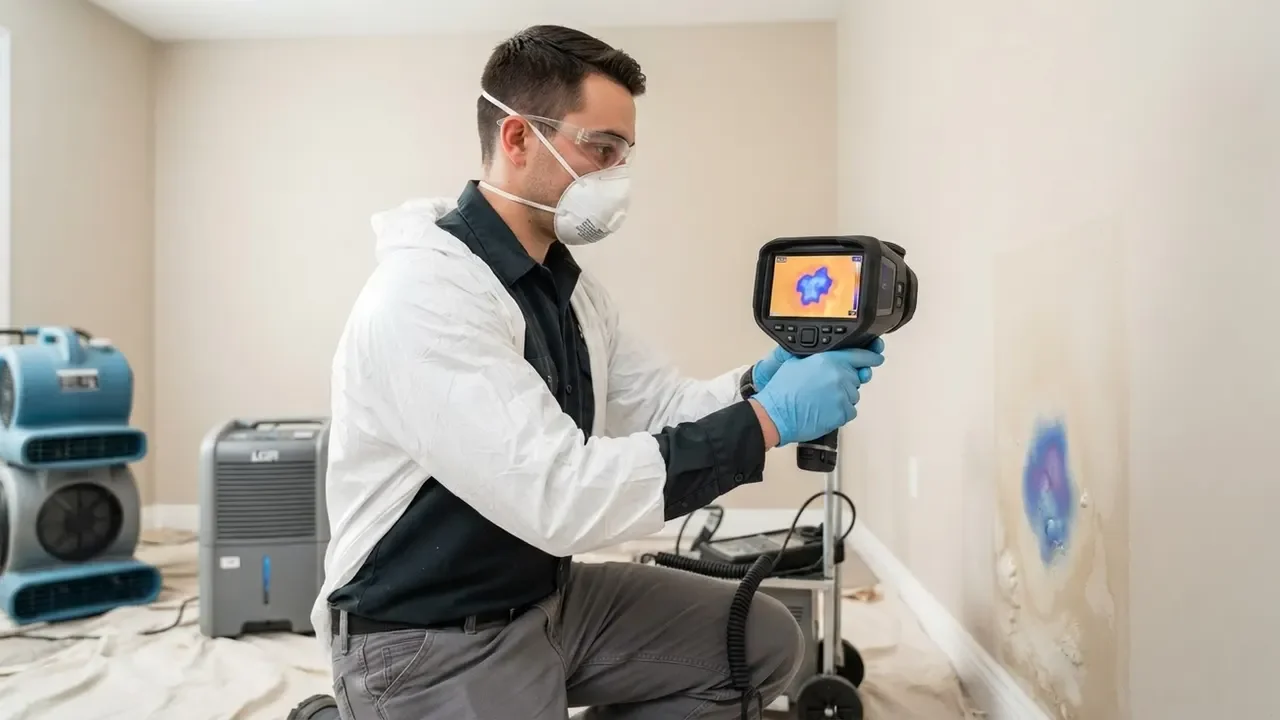
A thermal imaging camera helps us scan surfaces for temperature patterns that can point to hidden moisture. We confirm suspect areas with direct inspection and moisture readings.

Extraction wand

An extraction wand removes water from accessible carpet and flooring. We use it to reduce standing water before setting air movers and dehumidification equipment.

Air mover and dehumidifier

Air movers circulate air across wet surfaces, while a dehumidifier removes moisture from room air. Their placement depends on room size, material, and measured conditions.

HEPA vacuum

A HEPA vacuum captures fine debris during appropriate cleanup tasks, especially when damaged materials are handled. It is not a substitute for correcting the water source or drying the structure.

Methods & Standards

ANSI/IICRC S500 water restoration practice

We use ANSI/IICRC S500 as a professional reference for assessing water damage and planning mitigation. The work begins with identifying the water source and affected materials, then proceeds through extraction, drying, and documentation. Conditions at your property determine the specific equipment and material decisions.

Moisture mapping and verification

We record readings in affected materials and compare them with unaffected reference areas. That creates a practical baseline and helps show whether drying is progressing. When readings remain elevated, we review equipment placement and access rather than closing the area based on appearance.

Controlled structural drying

We combine extraction, air movement, and dehumidification to dry suitable building materials. Equipment is set with attention to room layout and occupant access. Progress checks guide changes, and wet insulation or unsalvageable materials are handled separately when needed.

Containment-conscious material handling

When a leak has led to suspected microbial growth or contaminated water, we assess the material and exposure before disturbing it. Appropriate separation and protective procedures help limit spread during removal. The moisture source must be corrected before cleaning and reconstruction can hold.

When to Call for Service

01

A Kitchen Supply Line Splits While You Are Away, Soaking Cabinet Bases and the Adjoining Floor.

What we do: We help you stop active water safely, inspect the cabinet and floor edges, and extract accessible water. Our team checks whether moisture moved beneath the flooring and sets drying equipment where readings support it. We also document the affected rooms for your records.

→ Water is removed from the affected area, and you have a clear drying and repair sequence before swollen cabinets or flooring are covered up.

02

A Frozen Pipe in a Bradford Basement Leaks Into a Finished Room During a Cold Snap.

What we do: We assess safe access, identify wet walls and flooring, and coordinate mitigation after the pipe is isolated or repaired. If water reached insulation or drywall, we evaluate the cavity and explain removal or drying steps. Equipment is placed to suit the basement layout.

→ The basement moves from active water exposure to controlled drying, with affected materials identified and the plumbing repair coordinated.

03

Water Drips Through a Ceiling After a Pipe Breaks in an Upstairs Bathroom.

What we do: We inspect the ceiling below and adjacent rooms, check for trapped water, and extract or remove affected materials where needed. We use moisture readings to guide drying and avoid closing a damp ceiling. If the area is bulging, we keep people clear until it is assessed.

→ The wet ceiling cavity is addressed before finishing work, reducing the risk of concealed moisture and recurring stains.

04

A Property Manager Discovers a Burst Line Affecting Two Neighboring Haverhill Apartment Units.

What we do: We map affected rooms in each unit, coordinate access with the manager, and document water travel between floors or shared walls. Extraction and equipment placement are organized to keep safe paths open while residents and repair trades coordinate next steps.

→ The manager receives a room-by-room picture of impact and a drying plan that supports coordinated repairs across both units.

How Pipe Cleanup Works in Haverhill

Burst pipe cleanup Haverhill MA properties need often begins in a basement, utility area, or exterior wall after a hard freeze. November is the start of the cold-weather watch: exposed lines and unheated spaces deserve attention before deeper winter temperatures arrive. Haverhill's mix of older homes, multi-unit buildings, finished basements, and renovated interiors means water can travel through different wall and floor assemblies. We check the room where the leak started and nearby spaces rather than assuming the visible stain marks the full damage. For a same day burst pipe repair Haverhill Massachusetts call, tell us whether the water is still running, which floor is affected, and whether the building has shared plumbing. We coordinate mitigation around the plumbing repair, protect safe access, and record conditions with moisture readings. Local work also means considering Essex County conditions such as cold basements, snowmelt, and seasonal temperature swings that can complicate drying. We explain what can be addressed immediately and what needs a separate plumbing or finish trade.

Neighborhoods We Serve

  • Bradford

    Multi-level homes and finished lower floors can let water move from an upstairs pipe into ceilings or basement areas. We check connected rooms and floor edges.

  • Downtown Haverhill

    Apartments and mixed-use buildings may share walls, ceilings, or plumbing routes. We document affected units and coordinate access with residents or property managers.

  • Riverside

    Basements and lower-level utility areas need careful inspection after a line failure. We look for water against wall bottoms and around stored belongings.

  • Ward Hill

    Cold-weather exposure in garages, utility spaces, or less-used rooms can increase frozen-line risk. We prioritize shutoff, access, and inspection of nearby materials.

Local Conditions We Plan For

  • November cold snaps and winter freezes expose pipes in unheated spaces

    A line can freeze and split before water becomes visible, then leak as temperatures rise. We inspect beyond the first wet spot and check adjacent insulation and wall cavities.

  • Finished basements conceal water beneath trim and flooring

    Water can move behind baseboard or below carpet before a homeowner sees a stain. We use readings and targeted inspection to identify affected materials and set drying equipment.

  • Shared plumbing can carry damage across apartment units

    A leak may affect a ceiling below or wall beside the failed line. We document the extent by room and coordinate entry so mitigation and plumbing work can proceed in an organized sequence.

Kitchen Line Failure Contained

Before

A split supply line under the sink soaked the cabinet base and spread water across the kitchen floor. The visible puddle was about 30 square feet, but dampness had reached the dining-room threshold. The homeowner had shut off the water, yet carpet padding near the doorway remained wet.

After

We extracted standing water, checked the cabinet edges and adjoining floor, and set drying equipment. Follow-up readings over 4 days showed the accessible materials trending dry. The affected carpet padding was evaluated separately, and the plumber repaired the line before cabinet and floor finish work proceeded.

Maintenance: Check sink supply connections every few months for corrosion, bulges, or drips. Know where the main shutoff is, and keep the cabinet area clear enough to reach the valve quickly.

Before

A pipe in a cold basement wall split during a freeze and leaked into a finished room. Water reached the carpet and lower drywall before the homeowner found it. A musty odor remained after the visible water was mopped, and stored boxes blocked part of the wall.

After

We removed standing water, moved affected contents out of the work path, and inspected the lower wall and flooring. Drying equipment ran for 5 days with readings checked during the process. Wet materials were identified before the repaired pipe and finish work were closed in.

Maintenance: Before each winter, check that basement temperatures remain above freezing and keep air moving around exposed pipes. Move stored items away from exterior walls so a leak is easier to spot.

Before

An upstairs pipe failure left a brown stain and soft area in a first-floor ceiling. Water had also reached a nearby wall corner, though the floor below looked dry. The occupant was concerned that painting over the stain would hide a larger problem.

After

We inspected the ceiling and wall corner after the source was controlled, checked for trapped moisture, and removed compromised material where needed. Readings and drying checks continued for 3 days before repair planning. The stain was not covered until the cavity had been addressed.

Maintenance: Watch for new ceiling stains, bubbling paint, or a soft surface after plumbing work. If a ceiling sags or bulges, keep people clear and arrange an inspection rather than puncturing it yourself.

Stop Water Before Damage Spreads

A failed pipe can wet more than the room where the break is visible. We look for water beneath flooring, behind trim, and inside ceiling or wall cavities, then prioritize steps that reduce continued exposure. If you are searching how to stop a burst pipe from flooding your home in Haverhill Massachusetts, shut off the water only if it is safe and call for help.

Problem

Water Keeps Spreading After the Visible Pipe Leak Stops

Water already in flooring and wall cavities continues to move, swelling trim and saturating insulation even after the valve is shut off.

Our Fix

We inspect beyond the original puddle, map wet areas with moisture readings, and extract standing water. Then we set drying equipment around affected materials and recheck progress, so the response addresses water already inside the building.

Problem

Frozen Basement or Exterior-Wall Pipe Bursts Overnight

A small split can release water for hours into a basement, ceiling, or closed wall before anyone notices the leak.

Our Fix

We help prioritize safe shutoff and access, assess the path of water, and coordinate cleanup after the line is repaired. If insulation or drywall is wet, we determine whether it can be dried or needs removal before rebuilding.

Problem

Wet Carpet and Hardwood Hide Moisture Below

Surface drying can leave damp carpet padding or subfloor beneath, creating lingering odors and increasing the chance of material damage.

Our Fix

We extract the surface water and inspect the floor assembly rather than relying on appearance. Readings guide whether carpet padding can remain and where additional drying is needed to protect the subfloor and nearby hardwood.

Problem

Water Stains Appear in a Lower-Floor Ceiling

A stain may mark a larger area of wet drywall or insulation above it, and a bulging ceiling can become unsafe if trapped water builds up.

Our Fix

We trace the affected area, advise you to keep clear of a sagging section, and assess the ceiling and surrounding rooms after the source is stopped. We plan extraction and drying before finish repairs cover the cavity.

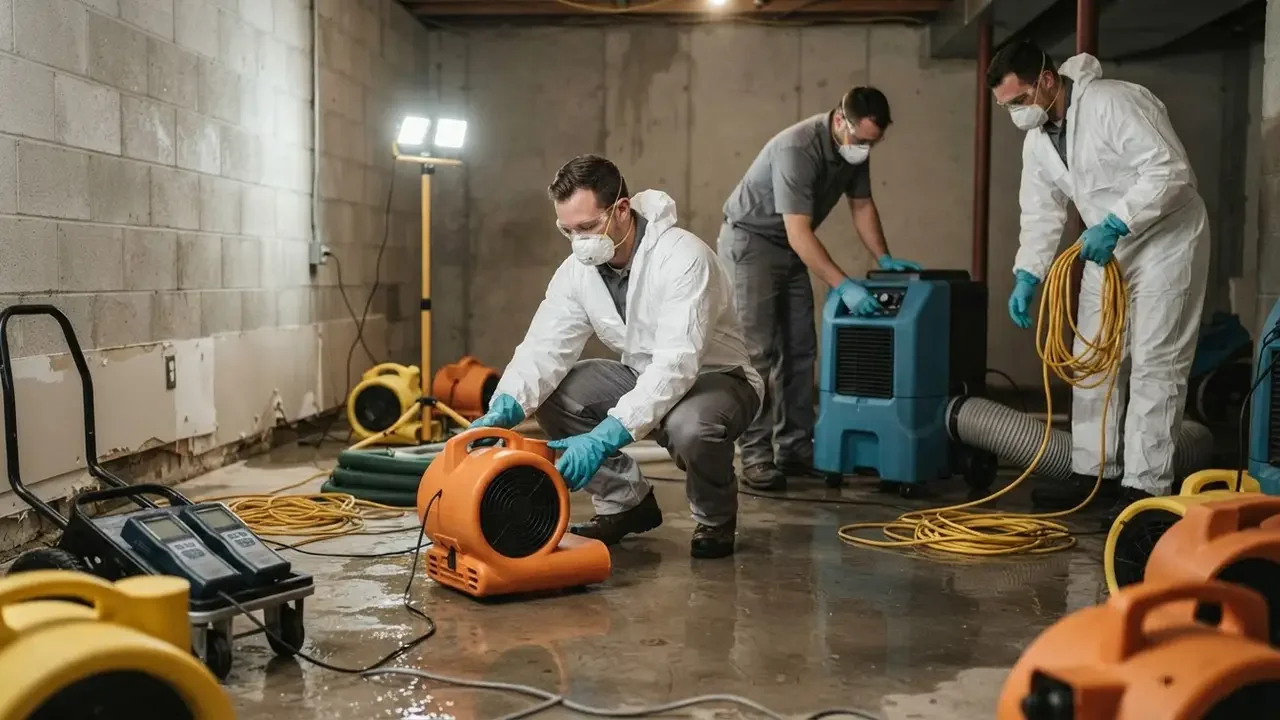
Water damage restoration in Haverhill: team of restoration technicians strategically placing industrial air movers and a

A Drier, Safer Property

A failed pipe is only half the problem; water trapped behind a wall or beneath flooring can keep causing damage after the visible leak stops. We focus on the source, water removal, and measurable drying so you can make informed decisions about repairs and belongings.

  • Contain water quickly

    We locate the affected supply and help stop ongoing flow before it spreads into adjoining rooms. If water is standing, an extraction wand removes it from floors and low areas. Acting during the first few hours can reduce the area of wet drywall and flooring that needs attention.

  • Find hidden moisture

    Water travels behind baseboard, beneath tile, and through floor assemblies. We compare moisture readings across affected and dry areas, then use thermal imaging to guide inspection. This helps identify where drying is needed instead of relying on surface appearance alone.

  • Dry materials methodically

    Air movers and a dehumidifier help pull moisture from suitable building materials while readings are tracked. We adjust placement as conditions change and watch for damp insulation, subfloor, and hardwood flooring. The goal is a documented drying result, not simply a dry-looking room.

  • Keep the next steps clear

    You receive a practical explanation of the affected areas, equipment plan, and repair sequence. We can organize photos and moisture readings for your records and discuss Insurance Claim Assistance if you need it. That makes it easier to coordinate plumbing repairs and finish work.

Standards and Accountability

Industry Standards

  • IICRC Water Restoration Technician — issued by Institute of Inspection, Cleaning and Restoration Certification
  • IICRC Applied Structural Drying — issued by Institute of Inspection, Cleaning and Restoration Certification
  • IICRC Applied Microbial Remediation Technician — issued by Institute of Inspection, Cleaning and Restoration Certification

Practical Restoration Expertise

Our local experience covers the full path from a broken supply line to wet building materials and finish repairs. We use established water mitigation practices and document conditions so you can see what was affected and how drying progressed. Technicians apply IICRC WRT principles for water restoration and follow ANSI/IICRC S500 guidance for professional water damage restoration work. Where microbial contamination is present, the work plan changes to protect occupants and materials. We do not claim a business tenure we cannot substantiate; we focus on clear inspection, sound methods, and careful communication at your property.

  • We use moisture readings to compare wet materials with unaffected areas, rather than deciding that a wall is dry by touch alone.
  • Our drying plans account for drywall, insulation, hardwood flooring, carpet padding, and subfloor assembly differences.
  • We document affected areas and progress photos to help you organize a claim file and follow-up repairs.
  • For contaminated water or visible mold growth, we assess containment and appropriate remediation steps before disturbing materials.
  • We explain when a plumber must complete the pipe repair and coordinate mitigation around that work.
Get Started Today
Water damage restoration in Haverhill: close-up of a thermal imaging camera screen displaying a color-coded heat map

Frequently Asked Questions

Real answers to the questions we hear most often from local homeowners and property managers.

How much does burst pipe repair cost in Haverhill MA?
A small, accessible leak with limited cleanup can vary while extensive extraction and drying can be higher. Typical pricing depends on pipe access, water volume, affected materials, and drying duration. Plumbing labor and reconstruction can be separate costs. We explain the known work and pricing upfront, then document additional affected areas discovered during inspection.
How do you clean up after a burst pipe in Haverhill?
We stop or isolate the water source, extract standing water, inspect nearby materials, and set drying equipment based on moisture readings. Burst pipe cleanup Haverhill MA work often includes checking baseboard, drywall, flooring, and insulation, not just mopping the visible puddle. Drying commonly takes 3 to 5 days. We monitor progress and explain whether materials can remain or require removal.
Does insurance cover burst pipe cleanup in Haverhill MA?
Many policies cover sudden accidental pipe damage and reasonable mitigation, but coverage depends on your policy, cause, and maintenance history. Photograph the leak and damage, keep receipts, and contact your insurer promptly. We can provide job documentation and moisture records to support your claim file. Your insurer determines coverage, and pipe repair, cleanup, and reconstruction may be reviewed separately.
Who does emergency burst pipe repair near me in Haverhill?
Haverhill Water Damage Restoration handles emergency water extraction and cleanup, while a licensed plumbing contractor repairs the failed line when plumbing work is required. Call (833) 546-4116 and describe the leak location, water shutoff status, and any electrical concerns. We help you move from active water to inspection and drying, including burst pipe repair near me Haverhill MA searches.

Related Services for Pipe Damage

Water Damage Restoration

After a pipe breaks, water can travel beyond the room where it started. Our Haverhill restoration work assesses wet walls, floors, and ceilings, then coordinates extraction, drying, and repair planning so the original leak does not leave hidden moisture behind.

View Water Damage Restoration

Emergency Water Extraction

Standing water from a burst line needs removal before it soaks deeper into carpet, flooring, or a basement slab. We extract accessible water and identify remaining damp areas, then set a drying plan suited to the materials in your Haverhill property.

View Emergency Water Extraction

Flood Cleanup

A major pipe failure can flood a basement or several rooms in minutes. Flood cleanup removes water and affected debris, checks surrounding materials, and supports structural drying. We prioritize the deepest water and protect safe access through the Haverhill home.

View Flood Cleanup

Basement Water Removal

A burst pipe in a basement can affect storage, finished walls, and mechanical areas. We remove standing water, check lower wall sections and floor edges, and plan drying around the basement layout. If a sump pump is involved, we inspect the area for related water intrusion.

View Basement Water Removal

Sewage Backup Cleanup

A pipe leak is different from a sewage backup, but both require the correct water-safety response. If wastewater is involved, we use a separate cleanup plan and appropriate protective measures rather than treating it as clean supply water. Tell us what the water looks or smells like.

View Sewage Backup Cleanup

Storm Damage Restoration

Storms can coincide with pipe failures, basement flooding, or roof leaks, leaving multiple water sources to trace. We inspect affected areas, separate the sources, and plan extraction and drying for each. That helps Haverhill property owners avoid overlooking water that entered through a second route.

View Storm Damage Restoration

Call for Burst Pipe Repair Haverhill MA

Water spreads quickly after a pipe splits. Call Haverhill Water Damage Restoration at (833) 546-4116 for emergency extraction and cleanup guidance. Our team follows IICRC WRT practices and will help you move from active leak to a clear drying plan.

Call Now Call for Help

Contact Haverhill Restoration

Call (833) 546-4116 when water is entering your home or business, or when a damp room needs inspection. Our referral line is available 24 hours a day to connect you with independent companies serving Haverhill, MA, including areas near 01831 and 01835. Tell us what happened, where the water is, and whether it is still flowing.

Or call us right now at (833) 546-4116 — we answer.
Or email us at hello@haverhillwaterdamagema.com

Haverhill Water Damage Restoration


  • Address

    Haverhill, Massachusetts

  • Hours

    Mon–Fri: 7AM – 7PM
    Sat: 8AM – 4PM
    Sun: Emergency Only
    24/7 Emergency Available

Call (833) 546-4116 Get Quote
Call Quote