Haverhill Water Damage Restoration
Call (833) 546-4116

Mold Remediation Haverhill MA for Dry, Clean Rooms

We remove affected materials and track down moisture.


mold remediation Haverhill MA gives homeowners and property managers a direct plan for visible growth, persistent musty odors, or damp materials after a leak. We contain the affected area, remove unsalvageable porous materials, clean remaining surfaces, and dry the structure. If a burst pipe, basement seepage, or roof leak has left your home damp, call our local team before the problem spreads into adjoining rooms.

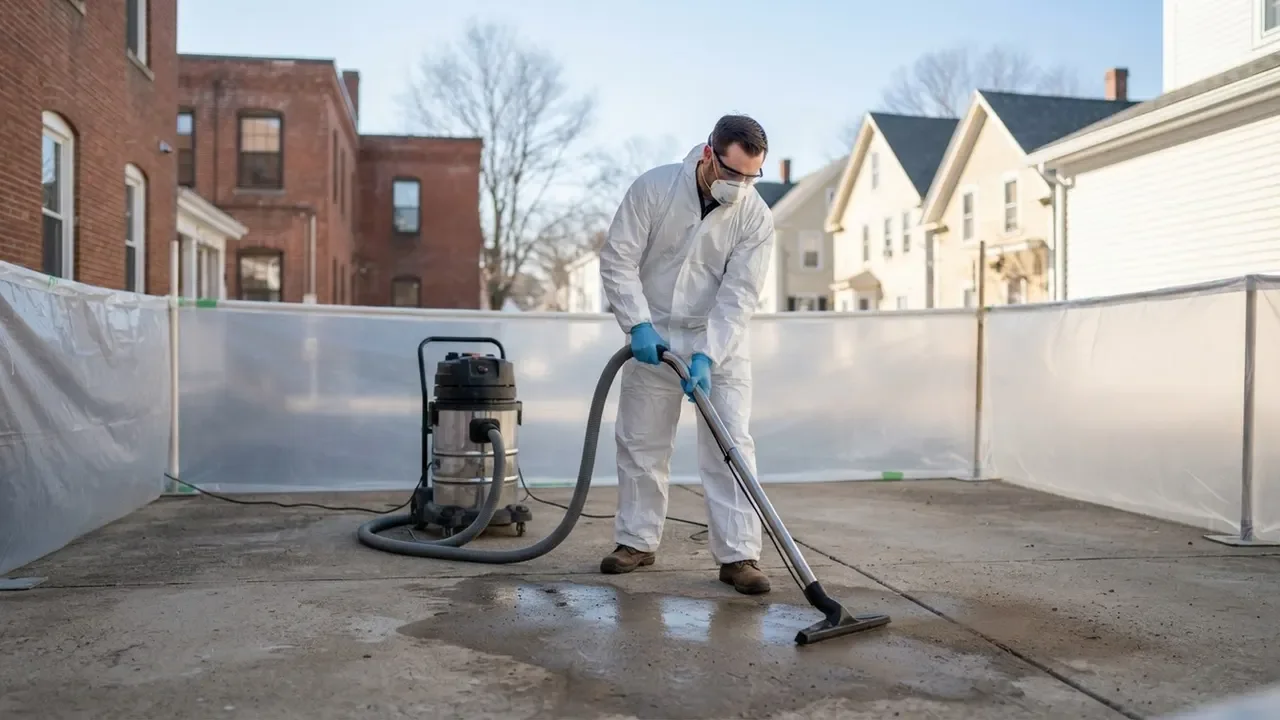
Mold Remediation in Haverhill: restoration technician in full PPE using a HEPA-filtered vacuum to clean mold spores from a
24/7 Emergency Same-Day Response
Warranty Backed Workmanship Guaranteed in Haverhill

What Mold Remediation Includes

Our remediation work covers inspection of the affected area, containment, removal of contaminated or unsalvageable materials, cleaning of appropriate surfaces, and moisture checks during drying. We explain how the source of water relates to the mold problem and identify repairs needed to stop recurrence. Rebuilding, plumbing repairs, roof repairs, and independent laboratory testing are separate tasks when required; we clarify the next step so your cleanup is not mistaken for a complete building repair.

Affected-Area Assessment

We inspect visible growth, stains, odors, and nearby materials, then use moisture readings to guide the work area. Where access permits, we check concealed spaces that could hold damp insulation or framing. You receive a clear explanation of the observed condition before removal starts.

Work-Zone Containment

We establish barriers around the affected section and protect nearby surfaces and access routes. Containment is sized to the project rather than applied as a one-size setup. The aim is to keep dust and debris from spreading while the crew removes damaged material.

Controlled Material Removal

Porous materials that cannot be reliably cleaned, including affected drywall or insulation, are removed and bagged. We preserve sound materials where practical and inspect exposed framing for visible contamination and moisture. This keeps demolition focused on what the condition actually requires.

Surface Cleaning and Drying

Appropriate remaining surfaces are HEPA-vacuumed and cleaned, then air movers and dehumidification support drying. We check moisture at relevant points as the work progresses. The area is reviewed before new finishes are installed over the cleaned, dry assembly.

Closeout and Next Steps

At closeout, we explain what was removed, what was cleaned, and whether the moisture source still needs repair. We review drying readings and note any follow-up work required before rebuilding. You can use this information to plan repairs or discuss the loss with your insurer.

Mold Remediation Haverhill MA Explained


mold remediation Haverhill MA is a structural cleaning service that removes mold-contaminated materials, cleans affected surfaces, and corrects the moisture conditions that support growth. We begin by locating damp areas, mapping visible damage, and checking concealed cavities where practical. A moisture meter and thermal imaging camera help us distinguish a dry wall from one holding water behind the finish. Then we isolate the work zone, remove material that cannot be cleaned, HEPA-vacuum remaining surfaces, and dry the assembly before rebuilding is considered.

Haverhill homes see mold after frozen or burst pipes, roof leaks, basement flooding, and condensation that lingers through cold weather. Older plaster, finished basements, and tight spaces around plumbing can hide wet insulation or damp subfloor. Our Haverhill mold remediation services address the growth and its moisture source together. After a leak, mold remediation after water damage Haverhill MA is most effective when wet materials are found early and drying is checked rather than judged by touch.

What to Expect During Cleanup

Mold remediation in Haverhill, Massachusetts follows a measured sequence: inspect, contain, remove, clean, and verify drying. We explain each stage before work starts and keep you updated as materials are opened. Small contained areas may be completed in a day; larger or concealed damage takes longer because drying and careful removal cannot be rushed.

01

Schedule

Call or book online — a real human picks up and confirms a 2-hour arrival window.

02

Diagnose

A tech inspects on-site, then walks you through the cause and your options.

03

Fix

The job is completed to code and done right the first time — no shortcuts, no surprises.

04

Guarantee

Every job backed by a written workmanship warranty — and we stand behind it.

Tools and Remediation Methods

Tools & Equipment

Moisture meter

We check moisture levels in accessible building materials and compare readings across affected and unaffected areas. Repeat readings help us track drying instead of relying on touch.

Thermal imaging camera

Thermal patterns help identify areas that deserve closer inspection behind finishes. We confirm suspected moisture with direct checks because an image alone does not establish that a material is wet.

HEPA vacuum

A HEPA vacuum captures fine dust from appropriate surfaces during detailed cleaning. We use it as part of a controlled process after material removal, not as a substitute for removing contaminated porous materials.

Dehumidifier and air mover

A dehumidifier removes moisture from the air while an air mover encourages evaporation from exposed materials. We position equipment for the room and adjust the drying plan using follow-up readings.

Antimicrobial spray

Where appropriate for the material and task, antimicrobial spray is applied to cleaned surfaces according to product directions. It does not replace source correction, physical removal, or thorough drying.

Methods & Standards

ANSI/IICRC S520-informed remediation

We use the principles of ANSI/IICRC S520 to plan containment, remove affected materials, clean suitable surfaces, and address the moisture condition. The work area and methods reflect the size of the affected space and the materials involved. We avoid treating a surface coating as a substitute for physical cleanup.

Moisture mapping and verification

We record readings at locations relevant to the water path, including affected framing or flooring where accessible. Follow-up checks show whether moisture is falling and help identify a slow-drying section. The final review focuses on measured condition, not a preset equipment run time.

Source control before rebuilding

We identify whether a pipe, roof, or groundwater condition is still introducing moisture and plan remediation around stopping it. If the source remains active, new finishes can be damaged again. We make the sequence clear so repairs follow cleanup and drying rather than conceal an unresolved leak.

Contained removal and debris handling

We isolate the affected area before disturbing contaminated materials, then bag debris and move it along a planned route. The method limits dust migration into occupied rooms and keeps removal focused. We adjust the barrier and work sequence for the building layout and the people using nearby spaces.

When to Book Mold Remediation

01

A Riverside Basement Has a Musty Odor Weeks After Water Receded From the Floor.

What we do: We inspect the perimeter walls, floor edges, and stored items for remaining dampness. If growth is present, we contain the work area, remove affected porous materials, and dry the structure. We also look for the entry point or drainage condition that allowed water to collect.

→ You get a cleaned, dry basement area and a clearer plan for correcting the moisture source before replacing finishes or storing belongings again.

02

A Bradford Homeowner Finds a Soft, Stained Patch Below a Bathroom Pipe After a Slow Leak.

What we do: We check the wall and floor around the plumbing, then open the affected section as needed to inspect hidden materials. Contaminated drywall or insulation is removed, suitable surfaces are cleaned, and the cavity is dried. The plumbing repair must stop the leak before the wall is closed.

→ The concealed wet area is addressed rather than covered, and you know which repairs need to happen before new wallboard goes in.

03

A Ward Hill Roof Leak Wets Attic Insulation During a November Rainstorm.

What we do: We assess the attic for damp insulation, affected sheathing, and visible growth after the roof opening is controlled. The crew removes material that cannot be restored, cleans appropriate surfaces, and checks drying. We keep the work focused on the affected roof section and nearby materials.

→ You can move from temporary leak control to a dry, inspected attic assembly, with contaminated insulation removed before replacement.

04

A Downtown Haverhill Rental Unit Develops a Persistent Odor After a Neighboring Unit's Plumbing Leak.

What we do: We inspect the affected wall and shared boundary, document moisture patterns, and coordinate access with the property representative. Containment protects the occupied area while damaged materials are removed and remaining surfaces cleaned. We track drying before repair work closes the wall.

→ The tenant and property manager receive a defined cleanup sequence, a documented work area, and a practical path to restoring the unit.
Mold Remediation Across Haverhill

Haverhill's mix of older homes, multi-unit buildings, finished basements, and newer additions creates different moisture paths. Cold-season temperature swings can leave exterior walls and attic spaces vulnerable to condensation, while November rain and freeze-thaw weather can expose roof or foundation weaknesses. A frozen pipe at night can wet a wall cavity before anyone sees a stain; basement flooding can leave carpet padding and lower drywall damp after surface water is gone. We inspect the affected assembly instead of assuming the visible mark tells the whole story. Our residential mold remediation Haverhill work accounts for occupied rooms, shared walls, narrow basement stairs, and the location of stored belongings. We plan containment and equipment placement around access, then check materials as they dry. In Riverside, lower-level moisture deserves attention; in Bradford, roof and plumbing leaks can affect finished rooms; and older properties may have layered finishes that need careful opening. We follow applicable work practices and explain whether repairs, testing, or additional trades are needed. Call if you need mold remediation in Riverside Haverhill after a leak or persistent dampness.

Neighborhoods We Serve

  • Riverside

    Lower-level rooms near the river corridor can be affected by damp basements or water entry. We check wall bases and stored materials rather than judging conditions from the floor surface alone.

  • Bradford

    Homes with finished ceilings and wall cavities need careful inspection after roof or plumbing leaks. We map the affected area before opening materials, keeping removal tied to observed moisture.

  • Downtown Haverhill

    Multi-unit buildings and closely used spaces call for planned access and containment. We coordinate the work zone so neighboring rooms remain separated from cleanup activity.

  • Ward Hill

    Attics and exterior-facing rooms can show dampness after roof leaks or cold-weather condensation. We inspect insulation and adjacent framing before replacement finishes are installed.

Local Conditions We Plan For

  • Cold-weather pipe breaks wet enclosed wall cavities

    Water can travel behind drywall and along floor framing before a stain appears. We check nearby materials and use readings to determine whether the affected area extends beyond the visible opening.

  • Basement flooding leaves moisture below finished flooring

    Carpet padding, baseboards, and subfloor can hold water after the room looks clear. We assess each layer and remove materials that cannot be cleaned or dried to a suitable condition.

  • Rain enters through roof details and attic penetrations

    Insulation can stay wet against sheathing, especially where access is restricted. We inspect the roof-side assembly and dry the remaining structure after the leak source is controlled.

Basement Wall After Seepage

Before

A finished basement wall had a recurring musty smell after water entered near the foundation. The surface stain covered only a small section, but lower drywall and carpet padding remained damp. The homeowner had cleaned the visible area twice without finding why the odor returned.

After

We contained the work zone, removed affected drywall and padding, cleaned exposed surfaces, and dried the framing. Readings at three check points were reviewed during drying, and the source of water entry was identified for correction. The wall was left ready for repair rather than sealed over while wet.

Maintenance: Keep stored items a few inches off basement walls and check after heavy rain. If the musty smell returns, look for new dampness early and address water entry before replacing finishes.

Before

A slow plumbing leak in a Bradford bathroom left a soft patch beside the vanity. The paint hid the full damage, and the wall cavity held damp insulation. The household noticed a musty odor but had not seen standing water.

After

After the plumbing source was stopped, we removed the affected wall section, bagged damaged material, and cleaned the exposed framing. Drying equipment ran for 48 hours before readings were checked again. The homeowner had a clear repair area and no longer had to guess what was behind the wall.

Maintenance: Check supply connections and the cabinet base for drips every few months. Repair small leaks promptly, and do not close an opened wall until framing readings show that drying is complete.

Before

A roof leak near a vent left a ceiling stain and damp attic insulation. The affected area was larger than the stain, and the insulation covered part of the wet sheathing. The owner needed cleanup before arranging interior ceiling repairs.

After

We inspected the attic section, removed wet insulation that could not be restored, and cleaned suitable exposed surfaces after the roof entry was controlled. Moisture checks confirmed the remaining materials had dried before the ceiling repair was planned. The work area was documented for the next repair stage.

Maintenance: Look for roof stains after major rain and keep attic access clear for inspection. Have damaged roof details repaired promptly, and recheck the sheathing after any leak.

Problems Mold Remediation Solves

Hidden moisture, recurring odors, and visible growth often point to a building material that stayed wet too long. We locate the affected assembly, remove what cannot be restored, and dry what remains. If you need mold removal near me open now Haverhill, call when active water or spreading damage needs immediate attention.

Problem

Musty Odor Returns After Cleaning a Basement Wall

The odor can persist because damp insulation, framing, or carpet padding remains behind the finished surface, allowing the problem to continue unseen.

Our Fix

We inspect the wall and adjacent floor, check moisture, and open the affected assembly where needed. Our crew removes contaminated porous material, cleans suitable surfaces, and dries the structure. We also identify whether seepage, a plumbing leak, or another source needs correction before the wall is rebuilt.

Problem

Mold Appears Around a Ceiling Stain After a Roof Leak

Water may have travelled beyond the stain into insulation or framing, so painting the ceiling can conceal wet materials and allow damage to spread.

Our Fix

We trace the affected area, coordinate the need to stop roof entry, and inspect the ceiling cavity. Wet or contaminated materials are removed as appropriate, then the remaining assembly is cleaned and dried. You get a clear handoff for ceiling repairs after moisture checks are complete.

Problem

Growth Develops Beside a Wall After a Frozen Pipe

A small pipe failure can wet wall cavities and floor edges before a visible stain forms, raising the chance of hidden contamination and damaged finishes.

Our Fix

We assess the leak area and nearby rooms, check wall and floor moisture, and contain removal work. The crew addresses affected drywall and insulation, cleans exposed surfaces, and runs drying equipment as readings direct. Once the source is repaired and the assembly is dry, you can plan replacement finishes.

Problem

Damp Crawl Space Leaves Odors and Visible Growth

Persistent ground moisture can affect framing and insulation, while odors may move into occupied rooms through floor gaps and utility penetrations.

Our Fix

We inspect accessible crawl space materials, remove standing water when present, and identify damp or contaminated insulation and framing. After suitable cleaning and material removal, we dry the space and explain moisture-control needs. This helps address the source rather than masking the odor inside the home.

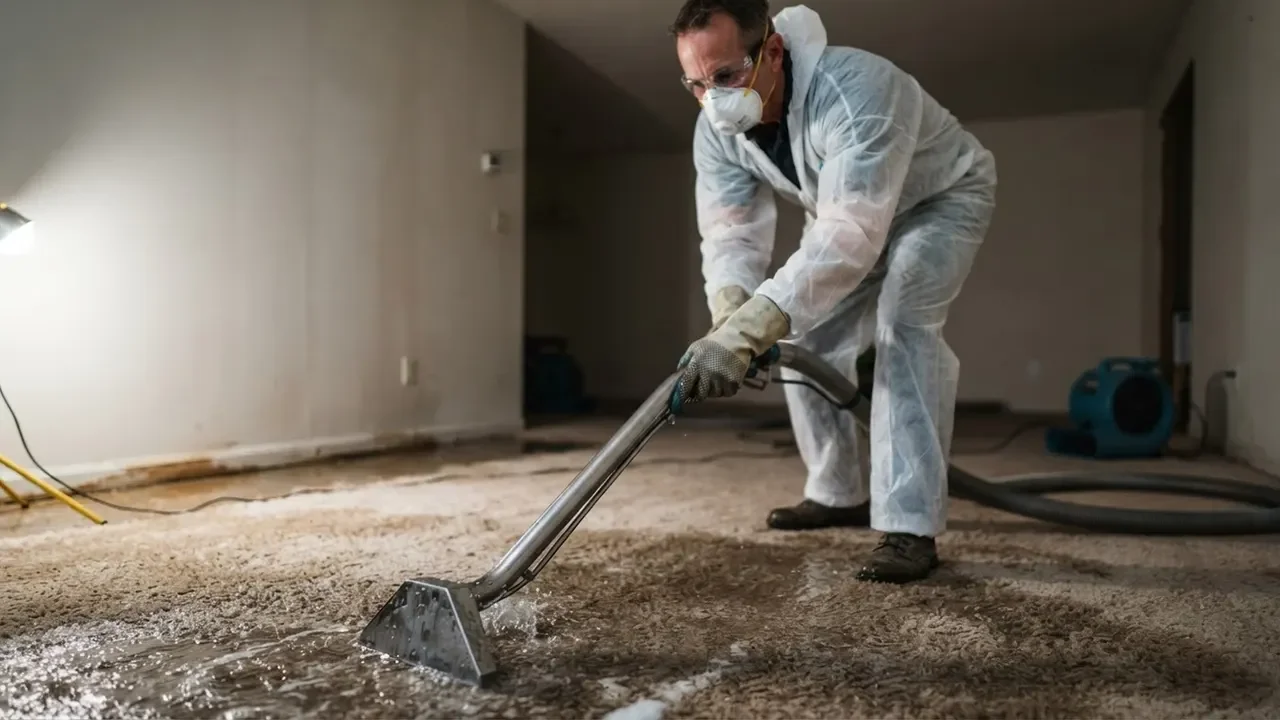
Water damage restoration in Haverhill: restoration technician operating a high-powered water extraction wand across a soaked

A Cleaner, Drier Result

Mold cleanup works best when removal, cleaning, and drying are handled as one job. We focus on the affected building materials and the leak or moisture condition behind them, so you are not left with a clean-looking surface over a damp cavity. You get clear work stages, practical protection for nearby rooms, and a finish-ready space.

  • Moisture Source Addressed

    We look beyond discoloration to identify why the area stayed wet, such as a supply-line leak, roof penetration, or basement seepage. A dehumidifier and air mover support controlled drying after cleanup. For mold remediation near me Haverhill MA searches, this source-first approach helps you avoid treating only the visible patch.

  • Containment During Cleanup

    Before disturbing affected drywall or insulation, we separate the work zone and manage debris so dust does not travel through the home. You can keep unaffected rooms in use while the crew works, with access routes and protective barriers planned around your household and the size of the affected area.

  • Materials Sorted Correctly

    Carpet padding, paper-faced drywall, and wet insulation often cannot be restored once contaminated or damaged. We separate materials that need removal from cleanable structural surfaces, then document the work area. That distinction limits unnecessary demolition while giving you a sound basis for repairs.

  • Drying Verified, Not Guessed

    We use moisture readings to track progress in framing and surrounding materials instead of relying on a dry surface. Readings taken at several points help show whether drying is even. You receive a practical closeout review before the area moves to rebuilding or finish work.

Training and Work Standards

Industry Standards

  • IICRC Water Damage Restoration Technician — issued by Institute of Inspection, Cleaning and Restoration Certification
  • IICRC Applied Structural Drying — issued by Institute of Inspection, Cleaning and Restoration Certification
  • IICRC Applied Microbial Remediation Technician — issued by Institute of Inspection, Cleaning and Restoration Certification
  • ANSI/IICRC S520 Professional Mold Remediation — issued by Institute of Inspection, Cleaning and Restoration Certification

Practical Remediation Experience

Mold work calls for controlled removal, building-material knowledge, and a clear understanding of water movement. Our local team applies established restoration practices and uses IICRC AMRT and IICRC WRT training principles to guide assessment, cleaning, and drying. We do not claim a set number of years or completed jobs; instead, we explain the condition we find, the materials affected, and the work needed to restore a dry, clean area. For larger losses, we organize documentation in a format familiar to property owners and adjusters, including line-item estimating practices such as Xactimate.

  • We follow ANSI/IICRC S520 principles for professional mold remediation and tailor containment to the affected area.
  • IICRC WRT training informs moisture mapping, material decisions, and structural drying after water intrusion.
  • We check concealed cavities where access allows instead of treating discoloration as the full extent of damage.
  • Our crew separates salvageable framing from porous materials that need removal, keeping demolition focused.
  • We document conditions and completed work so you can discuss the loss with your insurer or repair contractor.
Get Started Today
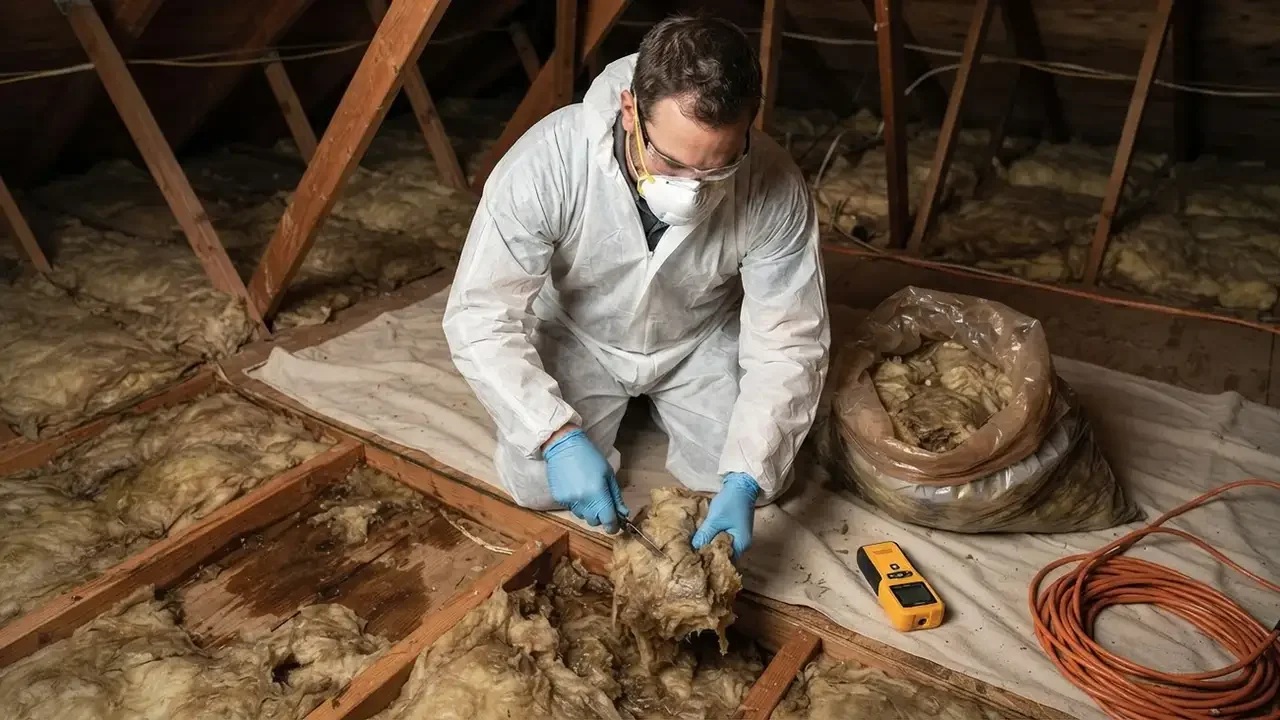
Water damage restoration in Haverhill: restoration technician carefully removing water-saturated insulation from an attic

Mold Remediation Questions

Real answers to the questions we hear most often from local homeowners and property managers.

How much does mold remediation cost in Haverhill MA?
A small, contained cleanup often varies while larger or concealed damage can be higher. Typical pricing in Haverhill depends on affected square footage, material removal, access, containment, and drying time. We inspect the area and explain the cost drivers before work. Repairs to the original leak and rebuilding are separate considerations, so we identify those needs rather than combining unlike tasks.
How long does mold removal take in Haverhill?
A small contained project often takes one to three days, including setup, removal, cleaning, and drying checks. Larger areas or wet framing can take a week or longer because materials need time to dry before repairs. For mold removal near me Haverhill searches, remember that the visible cleanup may finish before the moisture verification does. We update you as readings change and explain when the area is ready for the next trade.
Does insurance cover mold remediation in Haverhill Massachusetts?
Insurance coverage depends on your policy, the cause of the moisture, and how promptly the loss was addressed. Sudden accidental water damage may be treated differently from long-term seepage or maintenance issues. We document observed conditions, affected materials, and completed work to help you discuss the claim with your carrier. Your insurer makes the coverage decision, so review your policy and contact the adjuster about required documentation.
Can mold come back after remediation in Haverhill MA?
Yes, mold can return if a moisture source remains or indoor materials stay damp. Remediation removes affected growth and cleans suitable surfaces, but a recurring roof leak, plumbing leak, or persistent condensation must also be corrected. We check moisture during the job and explain any unresolved source. Keep humidity controlled, repair leaks promptly, and watch for renewed staining or musty odors, especially in basements and enclosed utility areas.

Related Restoration Services

Water Damage Restoration

Water damage restoration addresses the leak or flooding that often precedes mold growth. We remove standing water, assess affected building materials, and dry the structure so mold remediation can focus on any contamination that remains. Haverhill customers benefit from treating the moisture event and its aftermath as connected work.

View Water Damage Restoration

Emergency Water Extraction

Standing water left after a pipe break or appliance leak can soak flooring and wall edges. Emergency extraction removes bulk water quickly, reducing the amount that migrates into carpet padding and subfloor. Once extraction is complete, we assess whether drying or mold cleanup is also needed.

View Emergency Water Extraction

Flood Cleanup

Flood cleanup removes water and contaminated debris after basement or ground-level flooding. We inspect porous materials, clean affected surfaces, and dry the structure before mold becomes a secondary problem. If you have a Haverhill flood loss, early cleanup helps limit the area requiring remediation.

View Flood Cleanup

Basement Water Removal

Basement water removal clears accumulated water and helps identify entry points such as seepage or a failed sump system. We dry foundation-adjacent materials and check finished walls where moisture can remain hidden. Mold remediation follows if growth or contamination is found after the water is controlled.

View Basement Water Removal

Sewage Backup Cleanup

A sewage backup requires careful removal of contaminated water and porous materials, followed by cleaning and drying. We separate affected items from clean areas and assess whether wallboard or flooring must come out. Prompt sanitation also reduces lingering dampness that can support mold growth.

View Sewage Backup Cleanup

Storm Damage Restoration

Wind-driven rain can enter through roof or window openings and wet insulation, ceilings, and wall cavities. Storm damage restoration addresses water entry and drying first. We then inspect any areas that stayed damp and plan mold remediation if contamination developed.

View Storm Damage Restoration

Call for Mold Remediation Haverhill MA

If you see growth, smell persistent mustiness, or find damp materials after a leak, tell us what happened and where. Our team will help you plan an inspection and the right cleanup sequence. Call Haverhill Water Damage Restoration at (833) 546-4116 for a direct next step.

Call Now Call Our Team

Contact Haverhill Restoration

Call (833) 546-4116 when water is entering your home or business, or when a damp room needs inspection. Our referral line is available 24 hours a day to connect you with independent companies serving Haverhill, MA, including areas near 01831 and 01835. Tell us what happened, where the water is, and whether it is still flowing.

Or call us right now at (833) 546-4116 — we answer.
Or email us at hello@haverhillwaterdamagema.com

Haverhill Water Damage Restoration


  • Address

    Haverhill, Massachusetts

  • Hours

    Mon–Fri: 7AM – 7PM
    Sat: 8AM – 4PM
    Sun: Emergency Only
    24/7 Emergency Available

Call (833) 546-4116 Get Quote
Call Quote