Initial Water-Event Review
We ask what happened, when it occurred, and which rooms show stains, odors, or damp materials. That history helps direct the scan toward likely water pathways and gives context to the readings taken during the visit.
A standard visit includes a review of the reported water event, visual checks of accessible surfaces, thermal scanning, moisture-meter readings at selected points, and a plain-language summary of findings. We identify areas that need drying or further investigation and explain why. If the source is still active, concealed access is needed, or restoration work is required, we discuss that next step separately so the inspection remains focused on locating and measuring moisture.
We ask what happened, when it occurred, and which rooms show stains, odors, or damp materials. That history helps direct the scan toward likely water pathways and gives context to the readings taken during the visit.
We scan accessible ceilings, walls, and floors for temperature patterns that deserve closer checking. The camera helps narrow the search, while our technician accounts for drafts, sunlight, and other temperature influences before interpreting the image.
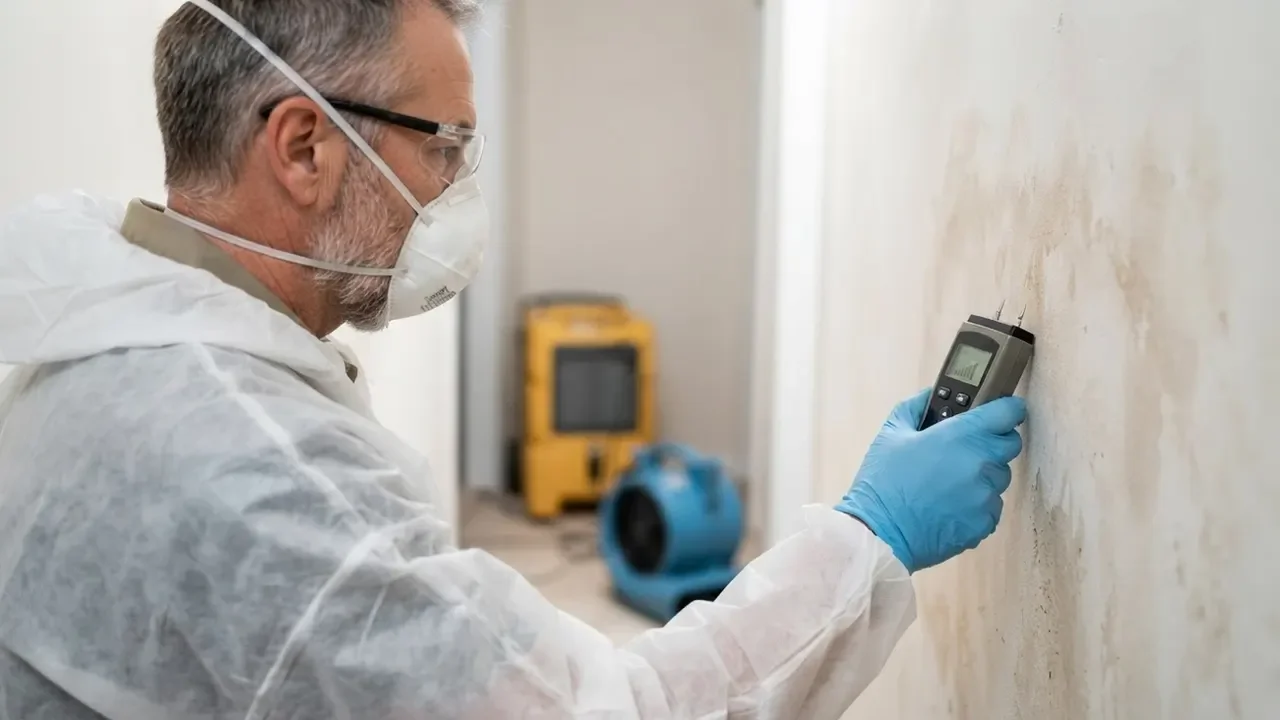
We use a moisture meter to check selected materials and compare suspect locations with nearby reference points. Readings help distinguish a cool surface from material with elevated moisture and support decisions about drying or further inspection.
We walk you through the locations checked, what the readings indicate, and where water may have traveled. You leave with a practical understanding of which areas need attention and whether follow-up measurements would be useful.
If the findings point to drying, source repair, or targeted access, we explain the reason and sequence. Equipment setup, invasive opening, and restoration are separate work steps, planned according to what the inspection finds.
moisture detection Haverhill MA is a building assessment that locates and measures unwanted water in walls, floors, ceilings, and other materials after a leak or flooding. We scan for temperature patterns with a thermal imaging camera, then check suspect areas using a moisture meter; infrared images show temperature differences, not water itself. That distinction matters. We compare readings across affected and unaffected surfaces, note likely pathways, and identify where targeted confirmation is appropriate. The result is a practical map of damp areas to guide drying, repairs, or further investigation while limiting unnecessary cuts into drywall and finishes.
Haverhill homes and commercial spaces face frozen pipe releases during cold snaps, roof leaks after heavy rain, basement flooding, and moisture migration around older foundations. In Essex County, a small ceiling stain can sit below a leak that has traveled along framing, so visible damage may not mark the wettest point. Our Haverhill moisture detection services help trace that path and check adjacent materials. If you are searching for moisture detection near me Haverhill MA, we can inspect the affected area, explain the readings, and outline the next practical step.
Moisture detection in Haverhill follows a simple sequence: understand the water event, scan the structure, confirm readings, and explain the findings. A straightforward room-level inspection often takes about 1-3 hours; larger or multi-level properties take longer.
Schedule
Call or book online — a real human picks up and confirms a 2-hour arrival window.
Diagnose
A tech inspects on-site, then walks you through the cause and your options.
Fix
The job is completed to code and done right the first time — no shortcuts, no surprises.
Guarantee
Every job backed by a written workmanship warranty — and we stand behind it.
Thermal imaging camera
Shows surface temperature patterns that can help locate areas for closer checking. Our technician interprets the scan in context and confirms suspect locations with direct measurements.
Moisture meter
Measures moisture in selected materials such as drywall and trim. We compare suspect points with nearby reference areas to make readings more useful.
Infrared thermometer
Checks surface temperature at a specific point when we need to compare locations or verify a thermal pattern during the inspection.
Bore scope
A small inspection camera can help view a concealed cavity when access is appropriate. We use it to gather visual information through a targeted opening rather than relying on a surface scan alone.
Dehumidifier
When readings show wet materials that need drying, a dehumidifier removes water vapor from the air. Equipment selection and placement follow the affected area and are checked against later readings.
Thermal pattern screening
We scan surfaces around the reported leak and compare temperature patterns across connected areas. A pattern points us toward places to test; it does not prove water is present. We account for sunlight, drafts, and nearby heat sources before drawing conclusions.
Comparative moisture mapping
We take readings in suspect materials and compare them with nearby reference points of similar material. Locations are recorded so a later visit can revisit the same spots. This makes the results more useful for planning drying and checking whether conditions are changing.
Water-path tracing
We follow the likely route from the reported source through connected surfaces, checking above, below, and beside visible damage when appropriate. A ceiling stain, for example, may be offset from the roof or pipe entry. The inspection focuses on evidence rather than assuming the stain marks the source.
ANSI/IICRC S500 principles
For water-related assessment and drying decisions, we use the practical framework of ANSI/IICRC S500. Material type, water exposure, and measured conditions inform the plan. The standard guides professional judgment; it does not replace direct inspection of your specific property.
01
What we do: We inspect the ceiling, nearby wall, and connected areas below the pipe route. Thermal scanning helps identify temperature patterns; moisture-meter readings check suspect materials. We explain whether the leak affected only the visible section or traveled farther along the ceiling.
→ You get a measured picture of the affected area and a clear direction for drying before ceiling repairs begin.
02
What we do: We scan the ceiling and adjoining wall around the stain, then check likely pathways near the roof line. This helps distinguish the point where water showed itself from the area where it entered. We document damp readings and identify what should be dried or rechecked.
→ You can address the roof opening and interior moisture in the right order, with fewer guesswork repairs.
03
What we do: We check the cabinet area, nearby baseboard, and accessible flooring for moisture. If readings suggest water behind the finish, we explain whether a small access point or additional plumbing check is appropriate. The findings help the property manager plan work without treating the whole room as affected.
→ The business gets a focused investigation plan and can direct cleanup toward the materials that actually need attention.
04
What we do: We scan the floor and lower walls, then take direct readings at selected points to distinguish a temperature change from elevated moisture. We check the nearby baseboard and likely entry areas, then explain whether drying or further source investigation is warranted.
→ You learn whether the damp feeling reflects measurable moisture and which part of the basement needs follow-up.
Haverhill properties see freeze-thaw cycles, cold-weather pipe failures, wind-driven rain, and basement moisture after wet periods. In November and through winter, frozen pipes and roof leaks deserve prompt attention because water can move into a wall or ceiling before the surface shows a clear stain. Older homes and remodeled spaces may have layered finishes or insulation that make the visible damage a poor guide to the full wet area. Our thermal imaging inspection Haverhill MA starts with the reported event, then checks accessible surfaces and confirms suspect points with a moisture meter. If you need same day thermal imaging water leak detection Haverhill Massachusetts, call with the leak location and whether the water source is stopped. We serve Essex County, including Bradford, Ward Hill, and Downtown Haverhill. When restoration work follows, we use ANSI/IICRC S500 principles to guide water-damage assessment and drying decisions. We explain findings plainly, including when a thermal pattern needs further confirmation rather than immediate demolition.
Bradford
A leak on an upper floor can show up as a ceiling stain below. We check connected ceiling and wall areas rather than assuming the visible mark is the full footprint.
Riverside
After heavy rain or a plumbing failure, lower levels can show dampness along floors and baseboards. We compare readings across nearby materials to locate the affected boundary.
Downtown Haverhill
Apartments and commercial spaces can share walls or floors, making water migration harder to judge by sight. We document the reported room and connected surfaces for a focused plan.
Kenoza Lake
When a basement feels damp without standing water, we check lower walls and accessible flooring to help separate surface temperature changes from measurable moisture.
Cold snaps increase the chance of frozen pipes in exposed areas
A pipe can release water inside a wall or ceiling before a homeowner sees a puddle. We inspect the reported route and nearby materials, then confirm suspect areas with direct readings.
Rain and snowmelt can expose roof and foundation entry points
Water may travel along framing or behind finishes before appearing indoors. We check around the visible stain and connected surfaces so the inspection follows the likely path rather than stopping at the first mark.
Older finishes can conceal moisture from a quick visual check
Paint, paneling, or flooring can look intact while moisture remains behind or beneath it. Thermal patterns help narrow the search, and moisture measurements establish whether further investigation is warranted.
Moisture that stays hidden can damage finishes, flooring, and insulation after the visible leak has stopped. If you are asking how to detect moisture in walls with thermal imaging in Haverhill, the useful answer combines a scan with direct measurements and a check of the surrounding materials.
Problem
The pipe may be fixed while water remains in the ceiling cavity or nearby insulation, causing the mark to spread or the material to soften.
Our Fix
We scan the stained ceiling and adjoining wall, then measure selected points to check whether moisture remains. We compare those readings with nearby dry areas and explain whether the next step is drying, a targeted opening, or monitoring after the plumbing repair.
Problem
Moisture can remain under stored items, behind baseboard, or in carpet padding, creating continuing odor and material damage.
Our Fix
We inspect the odor area and likely water pathways, checking accessible flooring, baseboard, and lower walls. If readings show damp materials, we identify their location and discuss removal or drying options. The goal is to locate the moisture source before treating odor alone.
Problem
A temperature difference can come from airflow or insulation conditions, so acting on an image alone could lead to unnecessary demolition or missed water.
Our Fix
Our technician treats the thermal scan as a screening clue, not a final diagnosis. We take moisture-meter readings at the suspected patch and compare them with nearby surfaces. That combination helps determine whether the wall is wet and whether a closer investigation is justified.
Problem
Water may have passed through the finished floor into padding or the subfloor, where surface drying does not show the full extent.
Our Fix
We map the affected floor and check accessible edges, adjacent walls, and transitions into nearby rooms. Readings help show whether moisture remains below or beyond the visibly affected section. We then explain whether extraction, drying, or another inspection is the right next step.
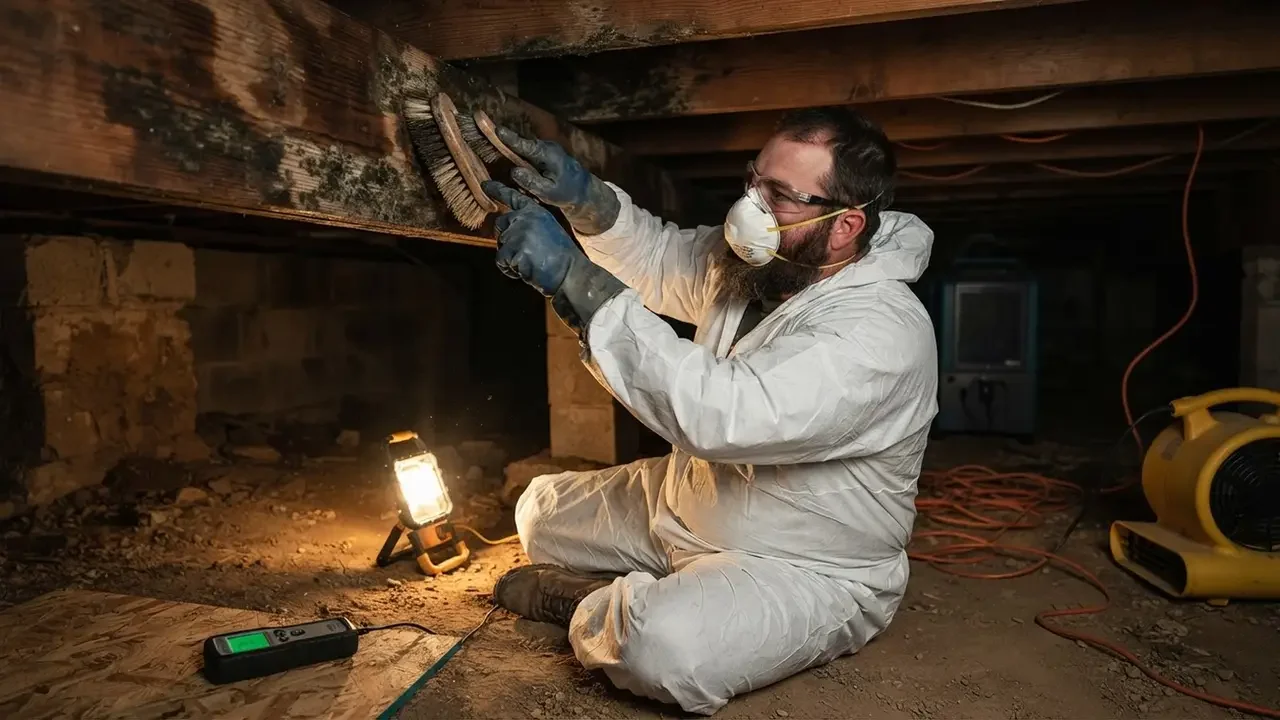
A focused inspection gives you more than an image: it connects visible symptoms with measured conditions and a clear next action. We explain what the readings show, what needs drying, and what should be checked again.
Find concealed damp areas
A thermal scan can reveal temperature patterns behind a finished surface, helping us choose where to take direct readings. We check suspect drywall, baseboard, and flooring rather than treating every cool patch as a leak. This targeted approach helps you understand the affected footprint before repair or drying work starts.
Limit unnecessary opening
Instead of cutting exploratory holes across a room, we use infrared images and a moisture meter to narrow the investigation. If readings point to one section of wall, you can focus the next step there. This does not eliminate all openings, but it helps avoid needless disturbance to otherwise dry finishes.
Check drying progress
A first reading gives us a baseline for comparison. Follow-up checks in the same locations show whether materials are drying or whether moisture remains trapped near a sill, subfloor, or insulation. Your technician records the locations and readings so you can see measurable change rather than relying only on touch or appearance.
Spot risk before repairs
Hidden moisture left behind a cabinet or under carpet padding can contribute to material damage and musty odors. We help locate the damp zone early, then explain whether extraction, controlled drying, or a repair inspection is the sensible next move. You get a clear sequence instead of guesswork.
Our local experience comes from investigating real water events in homes, apartments, and commercial spaces across Haverhill. We use thermal imaging as a screening tool and confirm conditions with direct measurements instead of treating every image as proof of a leak. Our technicians understand how water moves through drywall, insulation, flooring, and framing, and they explain when additional access is warranted. We follow the principles of ANSI/IICRC S500 for water-damage work and use documented readings to support a clear drying or repair plan. You get an assessment grounded in the building, not a guess from a single scan.
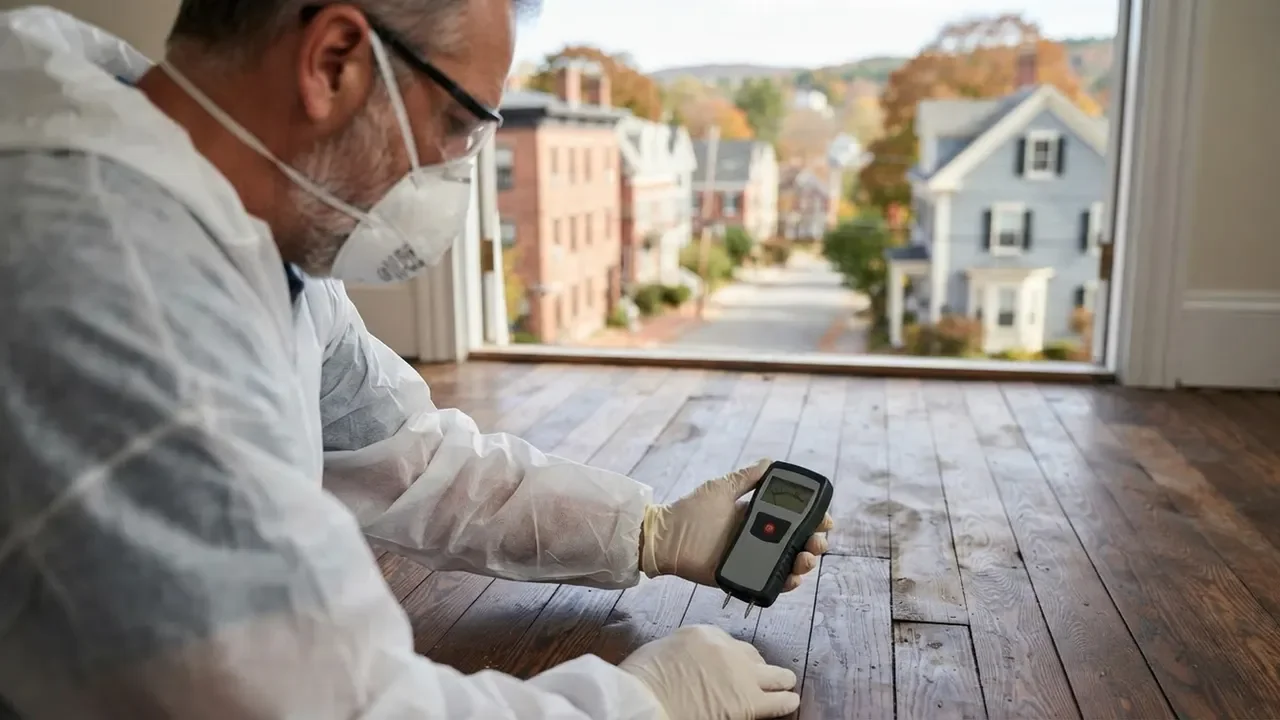
Real answers to the questions we hear most often from local homeowners and property managers.
After moisture detection identifies the affected footprint, restoration addresses damaged materials and drying needs. In Haverhill, we use inspection findings to guide the work, check connected rooms, and help prevent a small leak from becoming a larger interior repair.
View Water Damage RestorationStanding water needs removal before detailed drying can begin. We locate wet carpet, padding, or flooring, extract accessible water, and use moisture readings to identify what remains damp. This is useful after a pipe break or basement flooding in Haverhill.
View Emergency Water ExtractionFlood cleanup pairs removal of water and debris with a careful check of affected materials. Moisture readings help distinguish surfaces that need drying from those that can be cleaned and retained. We assess the affected rooms and explain the sequence for your Haverhill property.
View Flood CleanupAfter a basement takes on water, moisture can remain behind stored items, along baseboards, or under flooring. We assess the area, identify damp materials, and plan removal and drying. Checking the basement after extraction helps catch moisture that is not visible from the doorway.
View Basement Water RemovalA sewage backup requires controlled cleanup as well as moisture assessment. We identify affected porous materials and check surrounding floors and walls for water migration. Findings help determine what needs removal, cleaning, and drying in your Haverhill home or business.
View Sewage Backup CleanupWind-driven rain can enter around roofs, windows, and exterior openings, then travel into ceilings or wall cavities. Moisture detection helps locate the interior impact after the opening is secured. We use those findings to direct drying and repair work across the affected area.
View Storm Damage RestorationCall (833) 546-4116 when water is entering your home or business, or when a damp room needs inspection. Our referral line is available 24 hours a day to connect you with independent companies serving Haverhill, MA, including areas near 01831 and 01835. Tell us what happened, where the water is, and whether it is still flowing.
Phone
(833) 546-4116Address
Haverhill, Massachusetts
Hours
Mon–Fri: 7AM – 7PM
Sat: 8AM – 4PM
Sun: Emergency Only
24/7 Emergency Available