Haverhill Water Damage Restoration
Call (833) 546-4116

Mold Inspection Haverhill MA for Clear Answers

Find hidden moisture, understand the risk, and plan repairs.


Our mold inspection Haverhill MA service helps homeowners, landlords, and businesses locate moisture sources and determine whether mold sampling is appropriate. We inspect affected rooms, look behind accessible finishes, and explain findings in plain language. If you have musty odors, visible growth, or a leak that never fully dried, our team can help you decide what needs attention and what can wait.

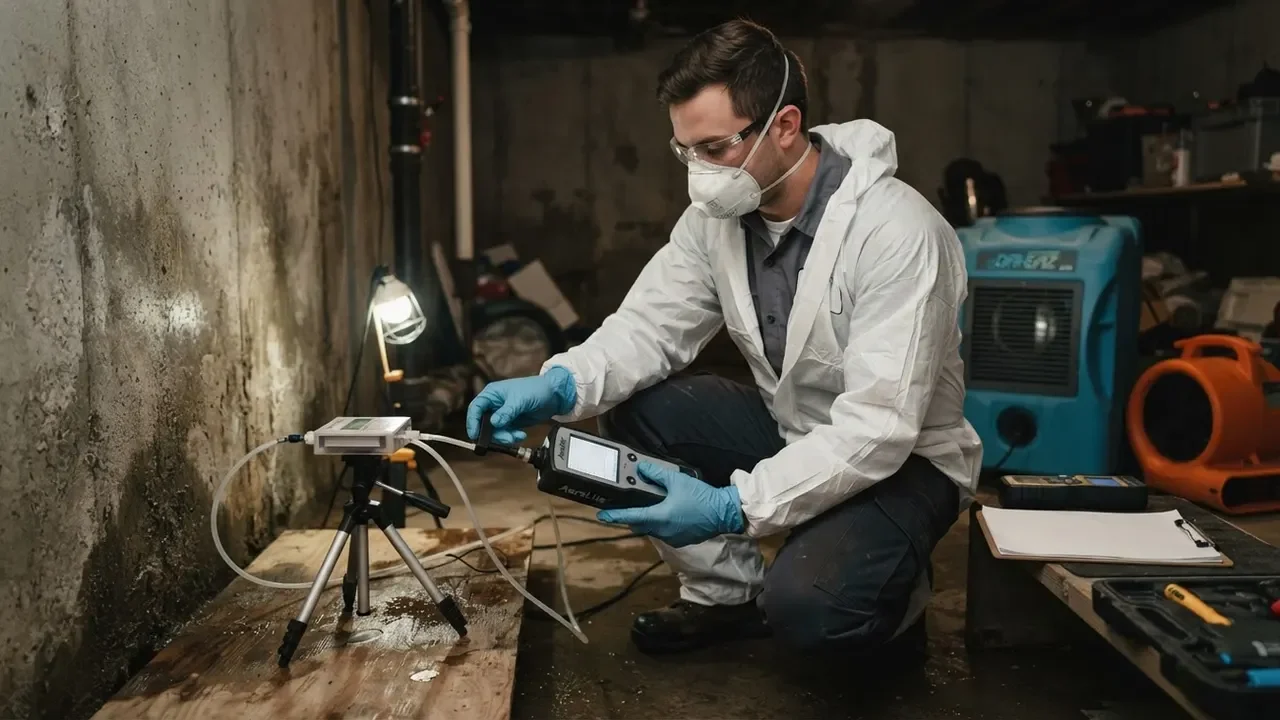
Mold Inspection and Testing in Haverhill: restoration technician carefully collecting an air sample with a specialized pump
24/7 Emergency Same-Day Response
Warranty Backed Workmanship Guaranteed in Haverhill

What Mold Inspection and Testing Includes

Our inspection covers visible conditions, moisture checks in accessible affected materials, and a discussion of likely water sources. When testing is useful, we explain the sampling purpose and document collection locations. The service identifies conditions and guides next steps; repairs, drying, and remediation are separate work based on what the inspection finds. You receive a clear review of observations and practical priorities.

Visual Room Assessment

We inspect reported rooms and nearby accessible areas for visible growth, staining, peeling finishes, swollen trim, and musty odors. You can show us where the problem began and any previous repairs. We document relevant observations so the next decision is based on the actual condition, not appearance alone.

Moisture Mapping

We take readings at affected materials and compare them with nearby reference points. A moisture meter helps assess drywall, baseboards, and other accessible surfaces. The recorded locations show where moisture remains and help focus drying or further investigation without assuming every discolored area is wet.

Targeted Sample Collection

If sampling can answer a specific concern, we discuss the sample type and collection location before proceeding. Samples are labeled and sent for laboratory analysis when applicable. Results are interpreted alongside the inspection; a sample alone does not reveal the moisture source or replace corrective work.

Findings and Next Steps

We review observations, readings, and available lab results with you, then identify practical follow-up such as leak repair, drying, or remediation. You can ask questions during the review. We distinguish confirmed findings from suspected concealed conditions so you understand what is known and what remains to be checked.

Mold Inspection Haverhill MA: What We Check


mold inspection Haverhill MA is a property assessment that locates moisture conditions and visible mold concerns so owners can choose appropriate testing or corrective work. We review the affected area, trace likely water pathways, and take comparative moisture readings in materials such as drywall, baseboard, and flooring. A moisture meter helps identify damp areas, while thermal imaging can show temperature patterns that warrant closer examination. Testing is not automatic: we recommend sampling when it can answer a specific question, such as whether airborne spores or a hidden cavity need further evaluation.

Haverhill homes and commercial spaces face leaks from frozen pipes, roof penetrations, basement flooding, and damp crawl spaces, especially after prolonged rain or winter thaw. Our Haverhill mold inspection services focus on the source as well as the visible spot, because cleaning a surface without drying the assembly leaves the problem unresolved. If you are asking about mold inspection and testing after water damage Haverhill MA, we inspect promptly, document affected materials, and discuss whether sampling, drying, or remediation is the next step.
What to Expect During Inspection

Mold inspection Haverhill MA follows a clear sequence, from the first call through findings and recommended next steps. We ask about the leak history, inspect accessible areas, and explain any limitations before testing. A straightforward visit often takes two to four hours; larger properties, multiple floors, or concealed damage require more time.

01

Schedule

Call or book online — a real human picks up and confirms a 2-hour arrival window.

02

Diagnose

A tech inspects on-site, then walks you through the cause and your options.

03

Fix

The job is completed to code and done right the first time — no shortcuts, no surprises.

04

Guarantee

Every job backed by a written workmanship warranty — and we stand behind it.

Inspection Tools and Methods

Tools & Equipment

Moisture meter

Measures moisture in accessible building materials and supports comparisons between affected and reference areas. We record where readings are taken because values depend on the material and instrument setting.

Thermal imaging camera

Shows surface temperature patterns that can point to areas needing closer inspection. It does not detect mold or prove a wall is wet; we verify suspicious patterns with appropriate checks.

Infrared thermometer

Checks surface temperatures at selected locations, helping us assess temperature differences that may relate to condensation or an exterior-corner concern.

Bore scope

Provides a view into an approved small access opening when a concealed cavity needs examination. We discuss access and the reason for it before using this method.

HEPA vacuum

Used during appropriate controlled cleanup to capture fine particles from surfaces. It supports remediation procedures but does not replace moisture correction or inspection.

Methods & Standards

Visual and Moisture Survey

We begin with a visual review, moisture mapping, and comparison against nearby reference materials. Locations and readings are documented together, so a single high reading is not treated as a complete diagnosis. This method helps identify the next area to inspect and whether concealed access or sampling could add useful information.

Targeted Mold Sampling

When a specific question remains, we choose an appropriate sampling approach and record the conditions and collection location. Laboratory analysis provides results for the submitted sample, not a complete map of every surface in the property. We review those results alongside water history, visible conditions, and moisture readings.

Drying Verification

After water intrusion, we revisit affected materials or review follow-up readings to assess whether drying is progressing. Equipment such as an air mover or dehumidifier supports drying, but operating time alone does not verify the result. Measurements and material condition guide the decision to continue or move toward repair.

Remediation Reference Review

If inspection findings point to mold remediation, we use ANSI/IICRC S520 as a professional reference for work planning and communication. The process considers affected materials, containment needs, and correction of the moisture source. Inspection and remediation findings remain distinct from any laboratory identification.

When to Book an Inspection

01

A Frozen Pipe in a Bradford Home Leaked Overnight, Wetting a Bedroom Wall and the Floor Below.

What we do: We inspect the wall, floor transition, and adjacent room for moisture migration, then identify materials that need drying or further evaluation. If growth or a persistent odor is present, we discuss whether mold sampling answers a specific question. You receive findings tied to the leak area.

→ You can direct repairs toward the affected assembly, rather than replacing finishes based only on the visible wet patch.

02

A Riverside Basement Still Smells Musty Several Days After a Sump Pump Removed Water.

What we do: We check the lower wall, stored contents, carpet padding, and accessible floor edges for remaining moisture. We look for signs that water entered behind finishes and review whether drying has reached reference conditions. Testing is considered only if it helps resolve a defined concern.

→ You learn whether the odor is tied to damp materials and which areas need drying, cleaning, or further investigation.

03

A Roof Leak Near Downtown Haverhill Left a Ceiling Stain, but the Source Is Not Obvious.

What we do: We inspect the stain and surrounding ceiling, then check accessible attic materials and nearby surfaces for moisture patterns. Thermal imaging can guide inspection but does not confirm mold. We document findings and explain whether the next move is roof repair, drying, or targeted sampling.

→ You get a clearer repair path before the ceiling is closed or repainted, reducing the chance of trapping wet materials.

04

A Property Manager in Ward Hill Needs to Assess a Musty Odor Reported in One Apartment.

What we do: We inspect the unit's reported area and accessible neighboring surfaces, noting visible conditions and moisture readings. If a shared plumbing chase or ceiling is involved, we identify where coordinated access may be needed. We give the manager a location-based summary for follow-up.

→ The manager can prioritize the right unit and materials, communicate findings clearly, and avoid treating an odor without investigating its source.

How Haverhill Mold Inspection Works Locally

Haverhill properties include older basements, multifamily buildings, and homes with finished lower levels where a small leak can travel behind trim or flooring. Cold Massachusetts winters raise the chance of frozen-pipe leaks, while spring thaw and heavy rain can expose roof and foundation issues. Our Haverhill mold inspection services begin with the reported water history, then check nearby materials rather than stopping at the stain. If you need same day mold testing Haverhill Massachusetts, call to describe visible growth, active water, or a persistent odor; we will discuss the right inspection priority. We serve Essex County and work across Downtown, Riverside, Bradford, and Ward Hill. Where sampling is appropriate, we document locations and explain laboratory timing. We use IICRC guidance as a work reference and distinguish observed conditions from test results. For older finishes, we discuss access before any opening, and we consider whether EPA Lead-Safe Certification requirements apply before disturbing painted surfaces in older buildings. The goal is a practical local plan: control the source, identify affected materials, and choose testing only when it informs the next decision.

Neighborhoods We Serve

  • Riverside

    Homes near the Merrimack River can have basement or lower-level moisture concerns after heavy rain. We check the reported area and adjacent materials for signs of water movement.

  • Bradford

    A mix of housing types means plumbing leaks may affect shared walls, finished basements, or older trim. We record locations so the findings support focused follow-up.

  • Downtown Haverhill

    Multifamily and mixed-use properties can involve ceiling leaks or plumbing chases between units. We note access points and affected areas for coordinated inspection.

  • Ward Hill

    Larger homes and commercial spaces can involve several rooms or levels. We map moisture concerns by area so inspection findings remain easy to follow.

Local Conditions We Plan For

  • Freeze-thaw cycles can expose pipe leaks after cold snaps.

    A small leak may run inside a wall or under flooring before a stain appears. We check beyond the visible mark and ask when the pipe was repaired and drying began.

  • Heavy rain can drive water through roofs and foundation openings.

    Water can travel along framing or collect at basement edges, leaving insulation and lower wall materials damp. Inspection follows the likely path and checks accessible adjoining areas.

  • Finished basements can conceal moisture behind trim and flooring.

    Carpet padding, subfloor, and the lower edge of drywall may retain water after surface cleanup. We assess accessible transitions and identify when additional access or drying checks are warranted.

Basement Odor After Pump-Out

Before

A Haverhill homeowner had removed visible basement water, but a musty odor lingered near a finished wall. Carpet looked dry, and the source was unclear. The homeowner was concerned that the whole basement needed replacement, though no moisture readings had been taken beneath the surface or around the baseboard.

After

Our inspection found elevated moisture at the lower drywall and carpet edge compared with nearby reference points. We documented the affected locations and recommended focused drying and removal of materials that remained wet. A follow-up check showed readings moving toward the dry comparison area, giving the homeowner a specific basis for repair decisions.

Maintenance: Keep stored items several inches off basement walls, check the sump pump before forecast rain, and investigate new odors promptly. After any leak, record when water was removed and when drying started.

Before

A ceiling stain in Bradford returned after rain, even though the interior had been repainted. The occupant reported a faint odor and did not know whether the leak had reached attic insulation. The visible mark covered a small area, but water may have traveled along framing before appearing indoors.

After

We inspected the ceiling and accessible attic, then mapped moisture readings around the stain and nearby materials. The findings pointed to a continuing roof entry path rather than a surface-only issue. After the leak was corrected and wet material dried, a follow-up check found the inspected ceiling area dry relative to reference points.

Maintenance: Check the ceiling after heavy rain and address new discoloration before repainting. Keep a record of roof repairs and inspect attic areas after leaks, especially where insulation or sheathing was previously wet.

Before

A tenant noticed dark spotting and a musty smell near a bathroom vanity. The surface had been wiped, but no one had checked the plumbing wall or adjoining room. The property manager needed to know whether the wall was still damp and whether a mold sample would help.

After

Our technician checked the visible area and adjoining materials, recording moisture readings at several points. We found a localized damp area near the plumbing route and explained that color alone could not identify the growth. The manager arranged leak repair and targeted drying; sampling was discussed only as a follow-up option if questions remained.

Maintenance: Check under sinks monthly for drips, keep cabinet contents from blocking plumbing access, and report recurring odor or softened finishes. After a repair, verify the wall and cabinet base are dry before closing the area.

Solve Moisture Problems Before They Spread

Mold concerns in Haverhill often begin with a small leak, damp basement, or wet material hidden behind a finish. Our inspection helps you locate the condition, understand whether testing adds value, and identify the next practical step. If you need mold inspection and testing after water damage Haverhill MA, we connect the findings to the water source and affected building materials.

Problem

A Musty Basement Odor Remains After Standing Water Was Removed.

Odor can persist when carpet padding, stored materials, or the base of a finished wall remains damp, even after the visible floor dries.

Our Fix

We inspect likely moisture reservoirs, compare readings across affected and reference areas, and check accessible wall and floor edges. If a concealed cavity needs evaluation, we explain the options. You leave knowing whether additional drying, material removal, or sampling is the logical next step.

Problem

A Ceiling Stain Returns After Each Heavy Rain.

Repeated staining can indicate an active roof leak or water traveling along framing, with insulation and ceiling materials staying wet between storms.

Our Fix

We inspect the ceiling, adjacent surfaces, and accessible attic areas to trace likely water movement. Moisture readings help distinguish an old dry mark from an active condition. We document where the leak appears to travel so repairs address the entry point, not only the visible stain.

Problem

Dark Growth Appears Near a Bathroom or Plumbing Wall.

Covering the spot without checking the wall can leave a leak or damp cavity untouched, allowing odor and damage to continue behind the finish.

Our Fix

We examine the visible area and nearby plumbing-adjacent materials, then map moisture readings. We explain that color does not identify a mold species and discuss sampling only when it answers a useful question. Findings guide leak repair, drying, and any needed remediation.

Problem

A Rental Unit Has Odor Complaints but No Obvious Leak.

A slow plumbing leak, condensation, or water migration from another unit can remain concealed and affect finishes before visible damage appears.

Our Fix

We inspect the reported room and accessible adjoining areas, recording odor observations, visible conditions, and moisture checks. For multifamily properties, we note likely shared-wall or ceiling pathways and help the manager prioritize access and follow-up with affected occupants.

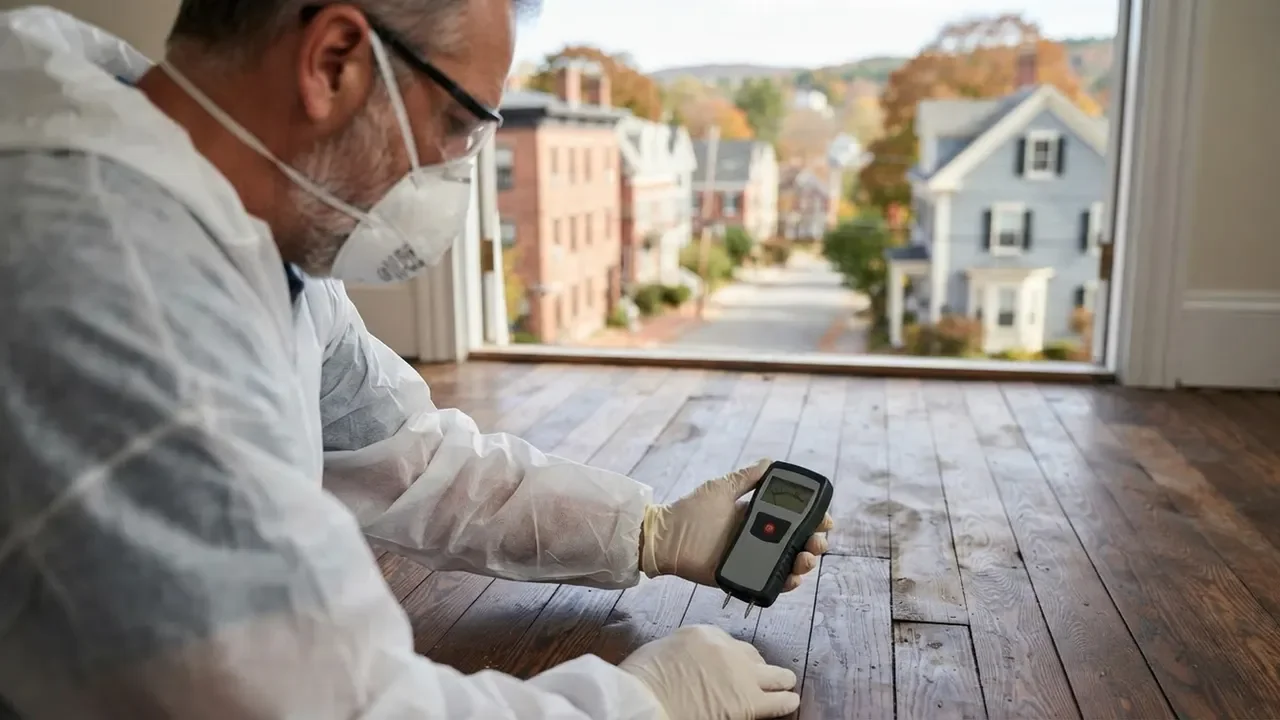
Water damage restoration in Haverhill: close-up of a restoration technician checking moisture levels on a hardwood floor

Clear Findings, Practical Next Steps

Mold concerns are easier to manage when you know where moisture is coming from, which materials are affected, and whether testing will change the plan. We explain observations room by room, distinguish visible evidence from lab results, and help you prioritize the work rather than guessing from odor or appearance alone.

  • Pinpoint Moisture Sources

    We use a moisture meter and visual inspection to compare affected and dry areas, then trace likely routes from a pipe, roof, or foundation. That helps you avoid opening sound walls unnecessarily and directs attention to materials that remain damp. Your report identifies readings and locations for a focused repair plan.

  • Choose Testing With Purpose

    Mold testing Haverhill MA is most useful when a defined question needs an answer, such as checking a concealed cavity or comparing indoor and outdoor air samples. We explain the sampling approach before collection and connect results to observed conditions. Testing is not presented as a substitute for fixing active moisture.

  • Protect Repair Decisions

    A clear inspection record gives you a practical basis for deciding whether drywall, insulation, carpet padding, or subfloor needs further evaluation. We photograph relevant conditions and note moisture readings, so you can discuss the findings with a property manager or insurance representative without relying on memory.

  • Reduce Repeat Damage

    We look beyond surface discoloration to the moisture source and surrounding materials. If a leak affected a 10-by-10-foot room, for example, we check edges and adjacent assemblies rather than assuming the stain marks the full wet area. Correct drying and source repair help reduce the chance of recurring odor or growth.

Standards and Service Records

Industry Standards

  • IICRC Water Damage Restoration Technician — issued by Institute of Inspection, Cleaning and Restoration Certification
  • IICRC Applied Structural Drying — issued by Institute of Inspection, Cleaning and Restoration Certification
  • IICRC Applied Microbial Remediation Technician — issued by Institute of Inspection, Cleaning and Restoration Certification
  • EPA Lead-Safe Certification — issued by U.S. Environmental Protection Agency

Field Knowledge and Sound Methods

Our team approaches mold concerns as moisture problems first: identify how water entered, determine which materials remain damp, and decide whether sampling adds useful information. We use trade methods suited to occupied homes and commercial spaces, with attention to containment and safe access. Our technicians apply IICRC WRT and IICRC AMRT principles where relevant and use ANSI/IICRC S520 as a reference for mold remediation practices. We do not claim a laboratory result from a visual inspection; findings are clearly separated from test results, and the recommended work follows the evidence found at your property.

  • We document moisture readings by room and material so you can compare affected locations with nearby reference areas.
  • Our inspection distinguishes visible growth, suspected concealed conditions, and laboratory-confirmed sample findings.
  • We consider ANSI/IICRC S520 guidance when inspection findings indicate remediation planning is appropriate.
  • We connect water entry, drying history, and building materials instead of treating a stain as the whole problem.
  • We explain sampling choices and expected lab turnaround before collecting samples or discussing follow-up.
Get Started Today
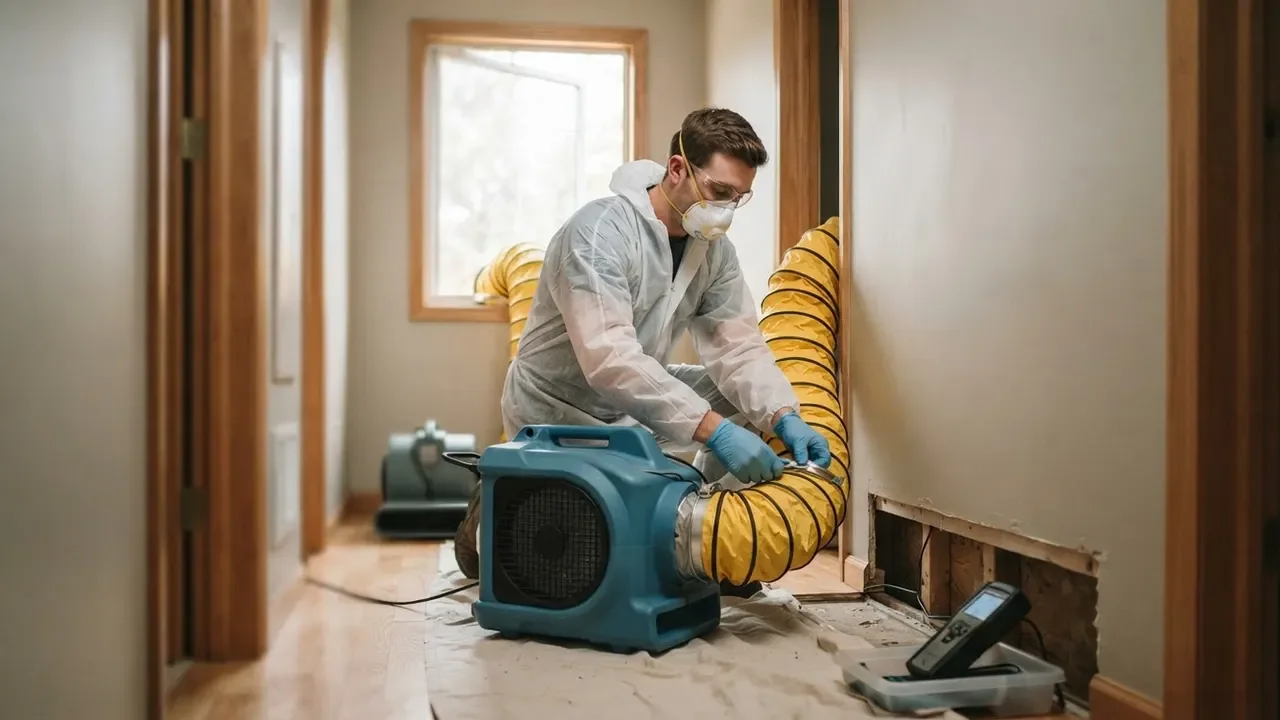
Water damage restoration in Haverhill: professional-grade portable air scrubber with its exhaust ducting running out a

Mold Inspection Questions, Answered

Real answers to the questions we hear most often from local homeowners and property managers.

How much does mold inspection cost in Haverhill MA?
A visual mold inspection in Haverhill often varies while sampling and laboratory analysis can vary with the work involved. Typical pricing depends on property size, access, sample count, and whether several areas need evaluation. We explain the price before work begins. A clear moisture source and a single affected room usually take less time than a multi-level property with concealed damage.
How long does mold testing take in Haverhill?
An on-site inspection and sample collection often take two to four hours, while laboratory results commonly take three to seven business days. A larger building or difficult access can extend the visit. If you searched mold testing near me open now Haverhill, call to describe the issue; we can discuss the next available inspection and whether immediate water control should come first.
Do I need mold inspection and testing after water damage in Haverhill Massachusetts?
You need an inspection when materials stayed wet, odors persist, or growth appears; testing is useful only when it answers a specific question. Drying wet materials within about 24-48 hours reduces the chance of mold growth, but concealed water can remain longer. Our inspection checks the affected area and moisture source, then explains whether sampling or remediation is warranted.
Does insurance cover mold testing in Haverhill MA?
Coverage varies by policy and cause, and mold testing is not automatically covered. Insurers often review whether a covered water event caused the condition, how quickly it was reported, and what documentation exists. We can record observed damage and moisture conditions for your claim file, but your insurer decides coverage. Keep dated photos, invoices, and any leak-repair records.

Related Property Recovery Services

Water Damage Restoration

After a leak or overflow, restoration addresses wet building materials and the water source that led to mold concerns. We inspect affected rooms, document damage, and coordinate drying and repairs so you are not left treating a stain while damp materials remain behind it.

View Water Damage Restoration

Emergency Water Extraction

Standing water can soak carpet, padding, and lower wall materials quickly. Extraction removes water before inspection and drying begin, helping our team assess what remains wet and where a mold concern may develop. We check moisture after extraction rather than assuming the surface is dry.

View Emergency Water Extraction

Flood Cleanup

Floodwater can affect several rooms, storage areas, and porous materials at once. Cleanup removes water and debris, while a follow-up inspection evaluates hidden moisture and visible growth concerns. We help identify which materials need further drying or assessment after a basement or ground-floor flood.

View Flood Cleanup

Basement Water Removal

Basement water can remain trapped behind stored belongings, finished walls, or flooring. We remove standing water and inspect moisture-prone areas such as the base of drywall and the subfloor. Follow-up mold assessment helps determine whether damp materials need additional drying or remediation.

View Basement Water Removal

Sewage Backup Cleanup

A sewage backup brings contaminated water into living or utility spaces and requires controlled cleanup. Once affected materials are addressed, inspection checks for persistent moisture and odor conditions. We identify areas that need further drying or mold evaluation rather than relying on surface cleaning alone.

View Sewage Backup Cleanup

Storm Damage Restoration

Wind-driven rain and roof openings can wet ceilings, insulation, and wall cavities. We address storm-related water entry and inspect the affected assembly for lingering moisture. Mold assessment is especially useful when a leak was hidden above a ceiling or remained active through several rain events.

View Storm Damage Restoration

Schedule Mold Inspection Haverhill MA

A persistent musty odor, visible growth, or a leak that soaked building materials deserves a closer look. Our team explains the findings and next steps in plain language. Call (833) 546-4116 to schedule your Haverhill inspection.

Call Our Team Schedule Inspection

Contact Haverhill Restoration

Call (833) 546-4116 when water is entering your home or business, or when a damp room needs inspection. Our referral line is available 24 hours a day to connect you with independent companies serving Haverhill, MA, including areas near 01831 and 01835. Tell us what happened, where the water is, and whether it is still flowing.

Or call us right now at (833) 546-4116 — we answer.
Or email us at hello@haverhillwaterdamagema.com

Haverhill Water Damage Restoration


  • Address

    Haverhill, Massachusetts

  • Hours

    Mon–Fri: 7AM – 7PM
    Sat: 8AM – 4PM
    Sun: Emergency Only
    24/7 Emergency Available

Call (833) 546-4116 Get Quote
Call Quote