Haverhill Water Damage Restoration
Call (833) 546-4116

Residential Water Damage Restoration in Haverhill

We dry damaged rooms and help protect your home


Residential Water Damage Restoration in Haverhill helps homeowners stop active leaks, remove standing water, and dry building materials before damage spreads. We handle burst pipes, basement flooding, roof leaks, and appliance failures for homes across Haverhill, Massachusetts. Our home water damage repair Haverhill MA service starts with finding the water source, then mapping affected areas and choosing a practical drying and repair plan.

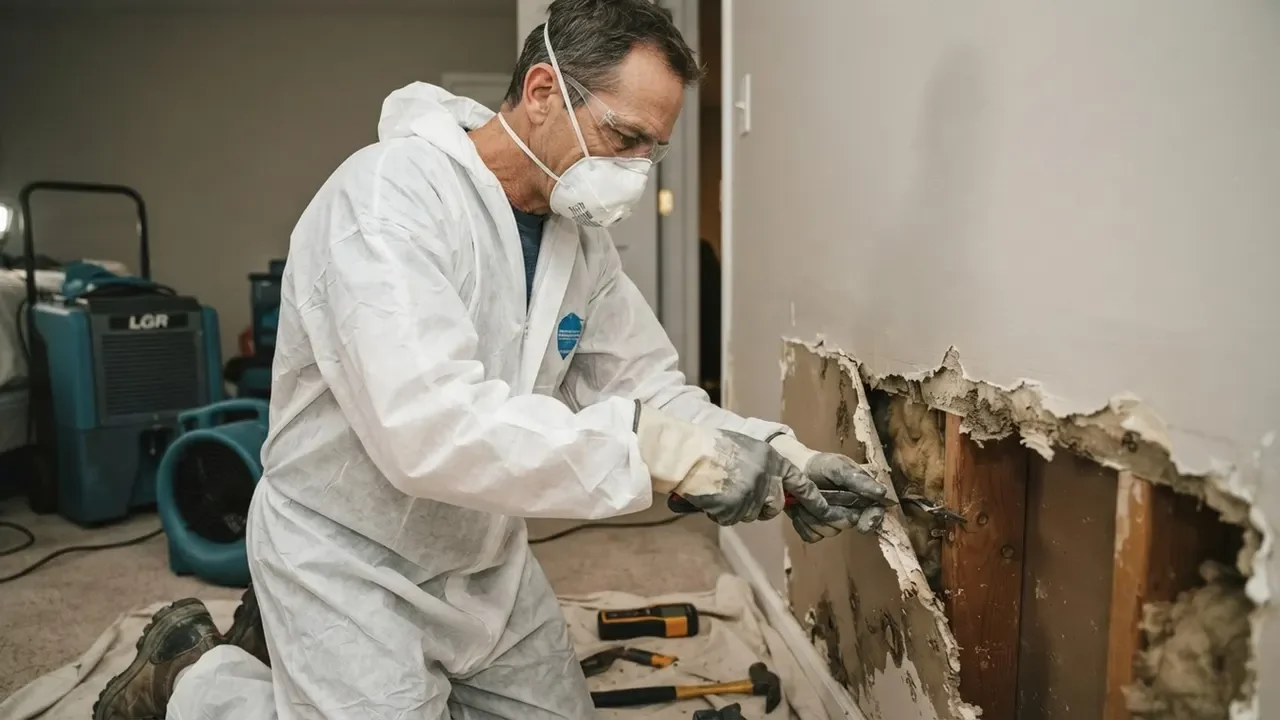
Residential Water Damage Restoration in Haverhill: restoration technician carefully removing a section of water-damaged
24/7 Emergency Same-Day Response
Warranty Backed Workmanship Guaranteed in Haverhill

What Residential Restoration Includes

Residential water damage work covers assessment, water extraction, controlled drying, cleanup, and repair of materials damaged by the loss. We identify the water source and explain which rooms and materials are affected. The exact work depends on water category and condition: sewage contamination, major reconstruction, plumbing repairs, and specialized contents restoration require additional task planning. We keep the work tied to the observed damage and explain the next step before moving forward.

Source and Damage Check

We inspect the source, affected rooms, visible staining, and likely water pathways. Moisture readings help determine whether water reached drywall, insulation, flooring, or the subfloor. You get a practical summary of immediate priorities and the areas that need follow-up.

Water Extraction

We remove standing water from accessible floors and affected materials using suitable extraction equipment. Contents are moved or separated when practical, and saturated carpet padding is assessed independently from the carpet. Extraction reduces the amount of water left for structural drying.

Drying and Monitoring

Air movers and dehumidifiers are set according to the room and materials. We take follow-up readings to track whether moisture is moving out of the structure. Equipment is adjusted or removed based on results, rather than a fixed guess about how long drying should take.

Cleaning and Material Removal

We clean salvageable surfaces and remove materials that are contaminated, swollen, or too damaged to dry safely. For sewage backup, we use a more controlled cleanup sequence and assess porous items carefully. The affected area stays focused on materials tied to the loss.

Repair Coordination

After the structure is dry, we plan repairs to finishes such as drywall, baseboards, and flooring. We document the transition from mitigation to reconstruction, so you can track what was removed, dried, and restored. Plumbing or roof repairs are coordinated with the appropriate trade.

Residential Water Damage Restoration in Haverhill


Residential Water Damage Restoration in Haverhill is a property restoration service that removes water, dries affected building materials, and repairs damage after leaks or flooding. We first address the source when it is safe to do so, extract standing water, and check walls, floors, and cavities for hidden moisture. A moisture meter helps us compare readings across affected and unaffected areas; targeted removal of saturated drywall, insulation, or carpet padding follows when drying alone will not restore the material. The goal is a dry, clean structure with a clear path to repairs.

Haverhill homes face winter frozen-pipe breaks, spring runoff, roof leaks, and basement flooding after heavy rain. Older finishes and enclosed wall cavities can hold moisture after the visible water is gone, so we inspect beyond the wet spot. For a burst pipe or sewage backup, we separate affected materials and use appropriate cleaning methods. If you are searching for residential water damage restoration near me Haverhill MA, our local team can assess the source, affected rooms, and drying needs.
What to Expect During Restoration

Residential water damage restoration in Haverhill follows a measured sequence: control the source, remove water, dry the structure, clean affected areas, and complete repairs. We explain each stage before work moves on, keep access routes clear where possible, and update you when readings show a change. The exact schedule depends on the materials and how far moisture traveled.

01

Schedule

Call or book online — a real human picks up and confirms a 2-hour arrival window.

02

Diagnose

A tech inspects on-site, then walks you through the cause and your options.

03

Fix

The job is completed to code and done right the first time — no shortcuts, no surprises.

04

Guarantee

Every job backed by a written workmanship warranty — and we stand behind it.

Equipment and Drying Methods

Tools & Equipment

Moisture meter

We use a moisture meter to compare readings in affected materials with nearby dry areas. Repeated measurements show whether drywall, trim, or flooring is drying and help guide equipment changes.

Thermal imaging camera

A thermal imaging camera highlights temperature patterns that can point to areas needing direct moisture checks. We confirm those areas with a meter rather than treating an image as proof of water.

Air mover

Air movers direct airflow across wet surfaces and exposed framing. We position them to support evaporation while keeping pathways and equipment placement practical for the household.

Dehumidifier

A dehumidifier removes moisture from room air as water evaporates from building materials. We select placement based on the affected space and monitor conditions during the drying period.

HEPA vacuum

We use HEPA filtration for appropriate cleanup tasks where fine debris needs to be captured rather than redistributed. It supports a cleaner work area during removal and surface preparation.

Methods & Standards

ANSI/IICRC S500 water restoration principles

We use the ANSI/IICRC S500 as a technical reference for assessing water damage, selecting restoration procedures, and documenting work. The water source, exposure duration, and material type shape the response. We apply the principles to the conditions found in your home instead of following a one-size-fits-all checklist.

Moisture mapping and daily checks

We establish baseline readings in affected and comparison areas, then repeat measurements during drying. This makes progress visible and helps identify a stalled location. If readings remain elevated, we inspect for trapped moisture or adjust equipment before deciding that the structure is ready for repairs.

Controlled removal and cleaning

We distinguish materials that can be dried and cleaned from those that are contaminated or physically damaged. Removal is focused on the affected area, and salvageable surfaces are cleaned using methods suited to the water category. This prevents a cosmetic repair from covering unresolved damage.

When to Call for Home Restoration

01

A Frozen Pipe Breaks Overnight and Water Reaches the Ceiling Below the Bathroom.

What we do: We help you focus first on stopping the water and keeping people clear of unsafe areas. Our team checks both the bathroom and the ceiling below, extracts accessible water, and measures the affected materials. Drying equipment is placed after the leak is controlled and the structure is assessed.

→ You get a documented drying plan for both floors, reducing the chance of repairing the ceiling while the cavity remains wet.

02

A Spring Storm Sends Water Through a Basement Window in a Riverside Home.

What we do: We remove standing water, separate wet contents from building materials, and inspect the lower wall, floor edge, and nearby storage. We check whether water reached insulation or finished wall panels, then dry or remove materials according to their condition.

→ The basement is cleared and dried in a controlled sequence, with damaged contents and building materials identified instead of hidden behind stored items.

03

A Slow Dishwasher Leak Is Found After Water Has Reached Hardwood Flooring.

What we do: We inspect the kitchen and adjacent rooms for water beneath the hardwood and cabinets. Extraction and controlled drying start after the appliance source is stopped. We track floor and subfloor readings and explain whether boards can be preserved or need repair.

→ You know the extent of the damage before choosing repairs, and the drying record helps show when the floor is ready for the next step.

04

A Roof Leak Leaves Ceiling Stains and a Damp Attic After Wind-Driven Rain.

What we do: We check the ceiling and accessible attic materials, including insulation and framing. After temporary protection and roof repair are addressed, we dry the cavity and remove materials that cannot be restored. Follow-up readings guide when ceiling repairs can proceed.

→ The leak path is addressed along with interior moisture, reducing the risk of a fresh stain appearing over a new ceiling finish.

How Restoration Works Across Haverhill

Residential restoration in Haverhill has to account for winter freezes, strong rain, and homes with different ages and construction details. A pipe in a second-floor bathroom can send water through a ceiling cavity, while a basement leak can affect stored belongings and lower wall finishes. We check how water moved through the building before setting equipment. For Haverhill residential water damage restoration, that means looking beyond the first visible stain and checking adjoining rooms, trim, and subfloor edges. In Bradford and Riverside, access and drainage conditions vary from one property to the next, so we assess the actual source rather than assuming a standard fix. Our team documents the affected materials, keeps the work area orderly, and follows applicable safety and restoration practices. If a loss happens overnight, call us with the water source and any electrical or sewage concerns; that helps us plan a safe first response.

Neighborhoods We Serve

  • Bradford

    Homes around Bradford can have finished lower levels and multiple floor transitions, so we check stair landings and adjoining rooms for water migration.

  • Riverside

    After heavy rain, we pay close attention to basement edges, window wells, and stored contents so water is not missed behind shelving.

  • Downtown Haverhill

    Older buildings can contain layered finishes and concealed cavities. We use targeted readings to decide where inspection or careful opening is needed.

  • Ward Hill

    For properties with larger layouts, we map affected rooms and separate dry areas from the work zone to keep the restoration sequence clear.

Local Conditions We Plan For

  • Freezing winter temperatures increase the risk of burst pipes

    A pipe can split while a home is unoccupied or while a fixture line freezes overnight. Water may run through ceilings and walls before discovery, so we inspect vertically below the source and check enclosed cavities.

  • Heavy rain can push water into below-grade spaces

    Basement water can pool behind stored items and soak lower wall materials. We remove water first, then inspect the perimeter and check whether the event affected insulation, flooring, or household contents.

  • Older finishes can conceal moisture behind visible stains

    Multiple paint or flooring layers can hide water movement and slow drying. We use direct readings at representative points and inspect adjacent areas before recommending repairs, which helps avoid closing a damp cavity.

Laundry Leak Across Two Rooms

Before

A failed washer hose left water under the laundry-room flooring and along the hallway baseboard. The surface looked mostly dry, but the carpet edge and lower drywall remained damp. The homeowners had shut off the supply line but did not know how far the water had traveled.

After

We extracted water, removed saturated padding, and set drying equipment in both rooms. Follow-up readings over four days showed the affected materials returning to the established dry range. The owners had a documented list of removed materials and a clear handoff to flooring and drywall repairs.

Maintenance: Inspect washer hoses and shutoff valves twice a year, and replace visibly cracked lines. Keep the shutoff accessible, and check the floor behind the appliance after moving it for cleaning.

Before

Water stood along one basement wall and reached cardboard boxes, a rug, and the bottom edge of finished wall panels. A musty smell remained after the visible puddle was pushed toward a floor drain. The source and extent of moisture were not clear.

After

We extracted the pooled water, separated affected contents, and checked the wall edge and flooring. Wet porous materials were removed where needed, and drying equipment ran for five days with progress readings. The basement was left ready for planned repairs, with the damaged items identified.

Maintenance: Keep stored belongings on shelving rather than directly on the basement floor. Check the sump pump before periods of heavy rain and keep floor drains clear of stored items and debris.

Before

A roof leak created a ceiling stain and damp insulation above a bedroom. The household had placed a bucket under the drip, but water had traveled beyond the visible mark. Patching the ceiling without checking the attic could have trapped moisture.

After

We inspected the attic and ceiling cavity, removed compromised insulation, and dried the framing after the roof opening was addressed. Readings were checked over three days before repairs proceeded. The ceiling was then repaired without leaving wet material behind the new finish.

Maintenance: After strong wind or winter weather, look for new ceiling stains and damaged shingles from a safe location. Address roof openings promptly and check the attic for damp insulation if a leak appears.

Problems We Solve in Haverhill Homes

A small wet spot can hide a larger path behind a wall, below flooring, or above a ceiling. Our residential water damage restoration near me Haverhill MA response starts by finding that path and stopping further spread. We then match extraction, drying, cleaning, and repair to the materials and water source.

Problem

A Burst Pipe Has Soaked the Kitchen and Adjoining Hallway

Water can travel under cabinets and flooring into rooms that look unaffected. Delayed drying risks swollen finishes, damaged subfloor, and a persistent musty odor.

Our Fix

We locate the wet boundary with moisture readings, extract water from accessible flooring, and remove saturated padding or drywall where necessary. After the plumbing leak is controlled, we set drying equipment and recheck adjoining rooms. You see which materials are salvageable before repairs begin.

Problem

Basement Water Keeps Returning After Heavy Rain

Repeated dampness can damage stored items and lower wall finishes, while moisture trapped behind storage or paneling can go unnoticed. The source may involve drainage or a failed sump pump.

Our Fix

We remove pooled water, inspect the floor perimeter and stored contents, and check for signs of recurring entry. A sump pump and drainage review helps identify the next practical source-control step. We then dry affected materials and document conditions so you can track the problem.

Problem

A Ceiling Stain Appears After a Roof Leak

Water may travel along framing before staining the ceiling, leaving damp insulation or concealed damage above the visible mark. Covering the stain too soon can trap moisture.

Our Fix

We inspect the ceiling area and accessible attic space, then check insulation and framing for moisture. Once the roof opening is addressed, we dry or remove affected materials and confirm readings before ceiling repair. That sequence helps keep the stain from returning.

Problem

Sewage Backup Leaves Contaminated Water on Finished Floors

Contaminated water can affect porous flooring, belongings, and lower wall materials. Walking through the area or using household fans can spread residue beyond the original room.

Our Fix

We limit access, identify materials exposed to wastewater, and use controlled extraction and cleanup procedures. Porous items that cannot be cleaned safely are removed, while salvageable surfaces are cleaned and dried appropriately. We also check adjoining areas for tracked contamination.

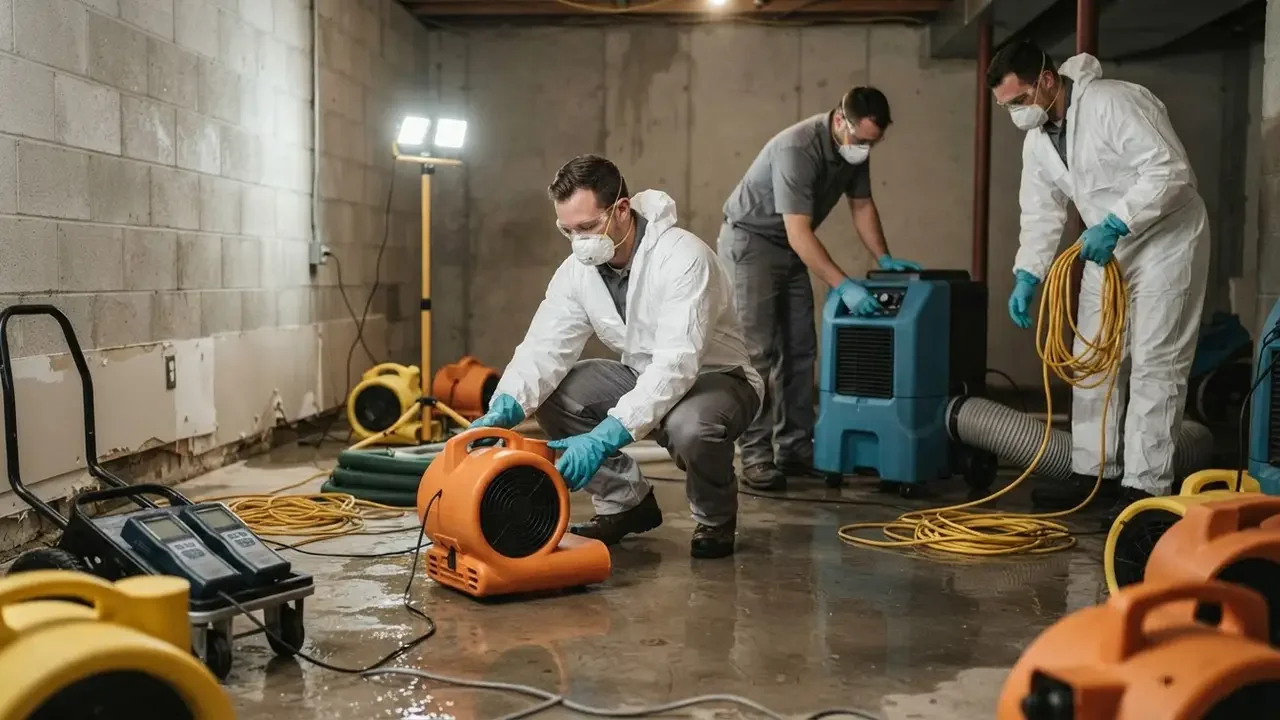
Water damage restoration in Haverhill: team of restoration technicians strategically placing industrial air movers and a

What You Gain From Proper Drying

Residential water damage is easier to manage when extraction, drying, and repair are coordinated instead of handled as separate guesses. We explain what is wet, what can be dried, and what needs removal, then track progress with readings. You get a practical work sequence and fewer surprises as repairs move forward.

  • Water Out Sooner

    Standing water keeps soaking into flooring, baseboards, and the subfloor. We use an extraction wand or pump suited to the depth and material, then position air movers to direct airflow across exposed surfaces. Removing bulk water early shortens the drying stage and helps limit damage to rooms that were not directly flooded.

  • Hidden Moisture Found

    A dry-looking wall is not proof that the cavity is dry. We compare moisture readings and use thermal imaging to flag temperature patterns that need a closer check. That helps us locate damp insulation or a slab-edge leak before you close the wall or reinstall flooring.

  • Safer Cleanup Sequence

    Clean supply-line water and contaminated backup water require different handling. We identify the water category, isolate affected areas, and choose suitable protective measures and cleaning products. For sewage contamination, porous materials that cannot be cleaned safely are removed rather than covered up.

  • Repairs With a Clear Plan

    You receive a room-by-room account of drying progress and damaged materials, which makes the repair stage easier to organize. We document readings and visible conditions for your records, coordinate restoration steps, and help you understand the work reflected in an Xactimate estimate when appropriate.

Training and Work Standards

Industry Standards

  • Water Damage Restoration Technician — issued by Institute of Inspection, Cleaning and Restoration Certification
  • Applied Structural Drying — issued by Institute of Inspection, Cleaning and Restoration Certification
  • Applied Microbial Remediation Technician — issued by Institute of Inspection, Cleaning and Restoration Certification
  • EPA Lead-Safe Certification — issued by U.S. Environmental Protection Agency

Field Knowledge and Training

Our Haverhill team approaches residential losses with practical restoration training and careful documentation rather than assumptions about what is dry. We use IICRC WRT principles for water restoration and follow the ANSI/IICRC S500 standard as a technical reference for water-damage work. The right response changes with the water source, building materials, and contamination level. We explain those distinctions in plain language, protect unaffected areas, and track drying progress so you can see why a material is being dried, cleaned, or removed.

  • IICRC WRT training informs water extraction, drying decisions, and job documentation for residential losses.
  • We use moisture readings at multiple points instead of relying on touch or surface appearance alone.
  • Our crews separate clean-water incidents from sewage contamination and adjust protective procedures accordingly.
  • We document affected materials and work progress to support clear communication with homeowners and insurers.
  • We coordinate repairs around the actual source, whether a burst pipe, roof leak, or basement seepage.
Get Started Today
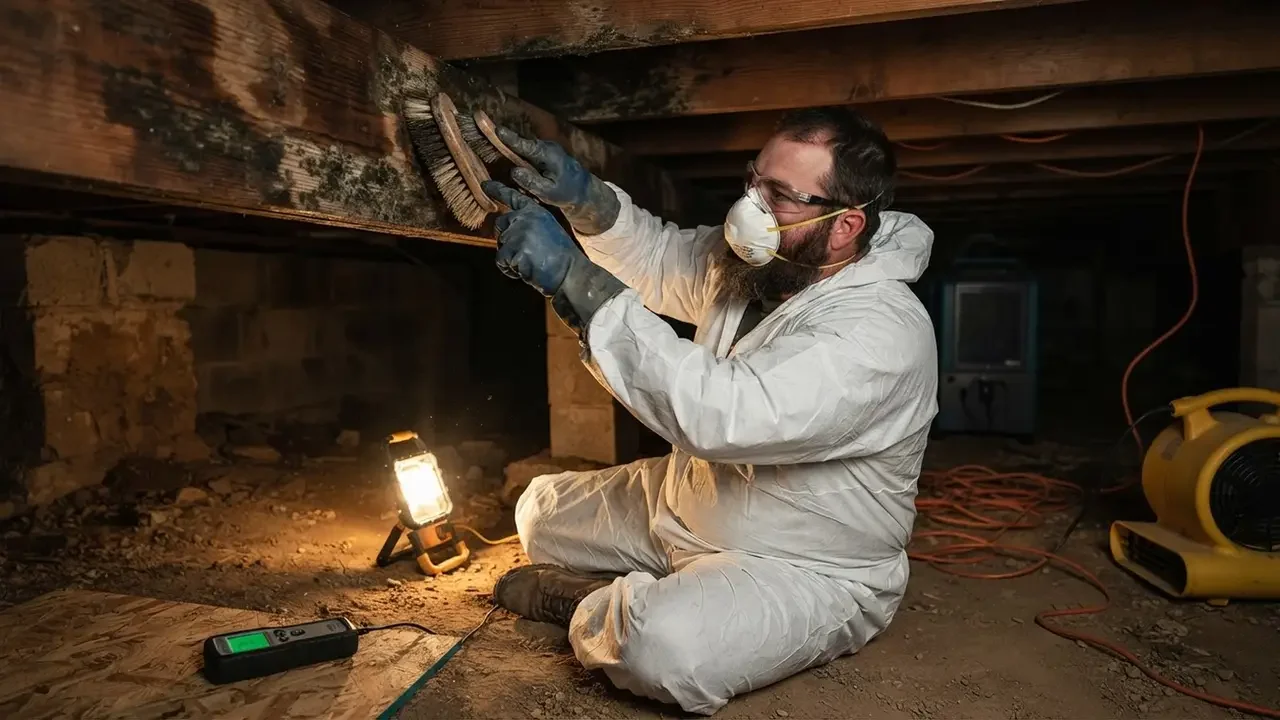
Water damage restoration in Haverhill: restoration technician in full PPE carefully scrubbing a mold-affected wooden beam in

Frequently Asked Questions

Real answers to the questions we hear most often from local homeowners and property managers.

How much does residential water damage restoration cost in Haverhill MA?
Small, localized residential losses often vary while multi-room or contaminated jobs can be higher. Typical pricing in Haverhill depends on water volume, affected materials, access, and whether reconstruction is needed. We inspect the damage and explain the work and price before proceeding. Your insurer determines coverage and deductible; restoration cost is not the same as your out-of-pocket amount.
What should I do first after water damage in my Haverhill home?
If it is safe, stop the water source and keep people away from standing water near electrical equipment. Take photos before moving damaged items, then call for help; do not enter a flooded basement if power may be affected. We can arrange 24/7 home water damage repair in Haverhill MA, assess the water category, and begin extraction. Avoid using household fans on sewage-contaminated water.
Does insurance cover home water damage repair in Haverhill Massachusetts?
Coverage depends on the cause, policy wording, exclusions, and how promptly the damage is reported. Sudden accidental pipe leaks are often treated differently from long-term seepage or floodwater, so your insurer must confirm the decision. We can provide photos, moisture readings, and an itemized restoration record to support your discussion. Keep receipts and document the damaged rooms before cleanup where it is safe.
How long does residential water damage restoration take in Haverhill MA?
Water extraction can take a few hours, structural drying commonly takes three to five days, and repairs can add several days or longer. A single-room leak with accessible materials is faster than basement flooding or moisture inside wall cavities. We check readings during drying and explain what remains before equipment is removed. The repair schedule also depends on material availability and the extent of demolition.

Related Home Restoration Services

Water Damage Restoration

When a loss affects several rooms or includes hidden structural moisture, broader restoration coordinates extraction, drying, cleaning, and repairs. We map the damage across your Haverhill home so each room follows a suitable sequence and the repair plan addresses the original water source.

View Water Damage Restoration

Emergency Water Extraction

Extraction removes standing water before it continues soaking floors and lower walls. We select pumping or vacuum equipment according to depth and surface, then check carpet padding and subfloor conditions. Fast removal is especially useful after a burst pipe or appliance hose failure.

View Emergency Water Extraction

Flood Cleanup

Flood cleanup addresses water and debris that enter from outside or overwhelm a home drainage system. We identify contamination concerns, remove unsalvageable porous materials, and clean affected surfaces. Haverhill homeowners with basement flooding need a plan that includes both water removal and drying.

View Flood Cleanup

Basement Water Removal

Basement water removal clears pooled water and checks the lower walls, stored contents, and floor edges for moisture. We also look for likely sources such as a sump pump failure or seepage. After extraction, controlled drying helps protect framing and stored belongings.

View Basement Water Removal

Sewage Backup Cleanup

A sewage backup requires controlled access, protective equipment, and careful removal of contaminated porous materials. We isolate the affected zone, extract wastewater, clean salvageable surfaces, and dry the structure. Do not handle contaminated carpet or belongings before the area has been assessed.

View Sewage Backup Cleanup

Storm Damage Restoration

Storm damage restoration addresses roof openings, wind-driven rain, and water entering through damaged building components. We remove interior water and can coordinate temporary protection such as board-up or tarping. A prompt inspection helps locate wet insulation before ceilings are repaired.

View Storm Damage Restoration

Call for Residential Water Damage Restoration

Wet flooring, a ceiling stain, or a basement full of water needs a clear next step. Call our Haverhill team at (833) 546-4116 to discuss the source and affected rooms. We provide upfront pricing before restoration work proceeds.

Call Now Call for Help

Contact Haverhill Restoration

Call (833) 546-4116 when water is entering your home or business, or when a damp room needs inspection. Our referral line is available 24 hours a day to connect you with independent companies serving Haverhill, MA, including areas near 01831 and 01835. Tell us what happened, where the water is, and whether it is still flowing.

Or call us right now at (833) 546-4116 — we answer.
Or email us at hello@haverhillwaterdamagema.com

Haverhill Water Damage Restoration


  • Address

    Haverhill, Massachusetts

  • Hours

    Mon–Fri: 7AM – 7PM
    Sat: 8AM – 4PM
    Sun: Emergency Only
    24/7 Emergency Available

Call (833) 546-4116 Get Quote
Call Quote