Haverhill Water Damage Restoration
Call (833) 546-4116

Document Drying Haverhill MA for Wet Records

Recover important papers after leaks, floods, and pipe breaks


document drying Haverhill MA gives homeowners, offices, and organizations a practical way to protect wet files before ink runs, pages stick, or mold growth begins. Our Haverhill team separates, stabilizes, and dries affected papers, books, and records, then explains which items can be treated. Ask us about document restoration Haverhill MA after a burst pipe, roof leak, basement flooding, or other water emergency.

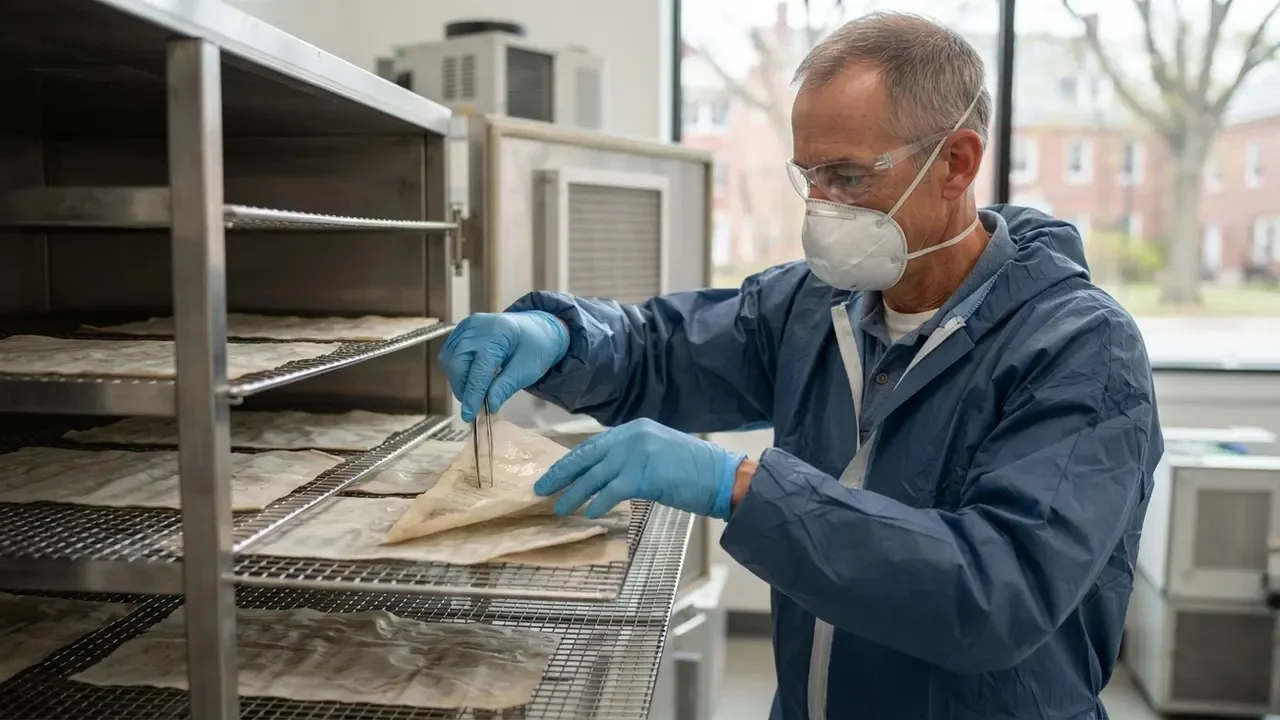
Document Drying and Restoration in Haverhill: restoration technician carefully separating damp paper documents and arranging
24/7 Emergency Same-Day Response
Warranty Backed Workmanship Guaranteed in Haverhill

What Document Restoration Includes

Document restoration covers initial sorting, condition notes, appropriate stabilization, controlled drying, and organized return of eligible paper materials. We coordinate the work with cleanup of the affected room so treated records are not placed back into damp conditions. Separate repairs to walls, floors, or the water source are coordinated as part of the overall loss response.

Document Triage and Labeling

We group papers by location, priority, and condition, then label batches to preserve their order. You can identify urgent records, confidential files, and personal items during intake. This helps keep your collection traceable while treatment proceeds.

Stabilization and Drying

We select a suitable approach based on paper type, ink, binding, and saturation. Controlled airflow, separation, or freezing may be appropriate for different batches. Direct heat is avoided because it can worsen sticking, staining, and brittleness.

Condition and Progress Updates

We note visible damage and monitor batches as they move through treatment. You receive practical updates on priority files and expected next steps. This helps you plan business or household needs while the rest of the documents are processed.

Return Coordination

We coordinate the return of treated documents after the affected storage area is ready. Room moisture and nearby damp materials are checked as part of the wider restoration plan. Organized batches make it easier to place files back where they belong.

Document Drying Haverhill MA: the Essentials


document drying Haverhill MA is a specialized contents-restoration service that stabilizes and dries wet paper records after a leak, flood, or other water intrusion. We first identify the water source and sort documents by condition, value, and urgency. Wet pages are separated or frozen when appropriate, then dried with controlled airflow and humidity rather than direct heat. The goal is to limit ink transfer, brittleness, staining, and microbial damage while keeping records organized for return. Your technician records condition and handling so you can track what is being treated.

Haverhill's older homes, commercial spaces, and mixed-use buildings can hide leaks behind ceilings, walls, and finished basements. A frozen pipe in winter or a roof leak after a storm can soak filing cabinets before the source is obvious. Our Haverhill document drying services start with safe recovery and triage, then coordinate with room drying when needed. If you are searching for document drying near me Haverhill MA, call while papers are still damp; do not separate stuck pages by force.
What Happens During Recovery

Haverhill document drying follows a practical sequence: protect people, stop additional exposure, sort records, dry them under controlled conditions, and confirm their condition before return. We explain the next step as the work progresses, so you know what is happening to each priority batch.

01

Schedule

Call or book online — a real human picks up and confirms a 2-hour arrival window.

02

Diagnose

A tech inspects on-site, then walks you through the cause and your options.

03

Fix

The job is completed to code and done right the first time — no shortcuts, no surprises.

04

Guarantee

Every job backed by a written workmanship warranty — and we stand behind it.

Equipment and Drying Methods

Tools & Equipment

Moisture meter

We use readings to check damp building materials near document storage and help determine whether a room is ready for treated files to return.

Thermal imaging camera

Thermal imaging can help locate temperature patterns associated with hidden moisture behind finishes. We use it to guide inspection, then confirm conditions with direct checks.

Dehumidifier

A dehumidifier reduces excess moisture in the affected room during structural drying. We place it to support the room plan without blowing loose papers around.

Air mover

An air mover supports circulation in a wet room when positioned safely. Documents are protected from direct airflow, which can scatter pages or dry them unevenly.

HEPA vacuum

After the source and contamination conditions are assessed, a HEPA vacuum can help capture settled dust in affected work areas without sweeping debris across stored contents.

Methods & Standards

Prioritized contents triage

We classify documents by saturation, material, urgency, and record group. The process starts with items needed for immediate business or household use, then moves to general files and archives. Labels and condition notes preserve order, while damaged or contaminated materials receive individual assessment before handling continues.

Controlled air drying

For suitable damp materials, we separate pages or small groups and allow controlled airflow in a stable environment. We avoid direct heat and monitor the documents for sticking, curling, and ink transfer. Bound volumes and coated papers need special attention because they dry differently from loose sheets.

Cold stabilization

Heavily saturated paper collections may require freezing to pause deterioration while a suitable drying plan is arranged. The decision depends on material, volume, and condition; freezing is not appropriate for every item. We keep groups labeled and handle them carefully to preserve document sequence.

Room moisture coordination

We coordinate paper recovery with drying of the surrounding room, checking affected materials and storage areas as work progresses. Air movement and dehumidification are aimed at building materials, not loose records. This reduces the risk of returning treated papers to a humid space.

When to Request Document Recovery

01

A Frozen Pipe Breaks Overnight and Soaks Filing Cabinets in a Haverhill Office Before Staff Arrive.

What we do: We help protect priority files, coordinate cleanup of the affected room, and sort records by department or urgency. The team avoids stacking wet pages and checks whether the storage area remains damp before documents are returned.

→ Essential records receive focused attention first, while the rest of the files remain organized through treatment and room drying.

02

A Roof Leak After a Heavy Storm Drips Onto Family Papers Stored in an Attic or Spare Room.

What we do: We move exposed records away from active water, note their condition, and coordinate temporary protection and drying. If boxes have softened, we support them during handling to limit collapse and additional page damage.

→ Your household can identify recoverable papers and keep them separated from wet building materials during repairs.

03

Basement Flooding Reaches Archived Business Records Stored in Cardboard Boxes on the Floor.

What we do: We prioritize files needed for active operations, label archive batches, and coordinate basement water removal and dehumidification. A moisture meter helps check nearby storage conditions before treated documents return to the room.

→ You get a clearer view of what can be recovered and a structured path for returning dry records to storage.

04

A Ceiling Stain Spreads Above a Home Filing Area After a Slow Leak Goes Unnoticed.

What we do: We protect the papers below, coordinate inspection of the leak path, and assess whether the pages are damp or directly soaked. Once the source is controlled, we plan drying for both the documents and affected room.

→ The leak response addresses the cause as well as the records, reducing the chance that files are exposed again.

How Document Drying Works in Haverhill

Haverhill document drying has to account for local building conditions as well as the paper itself. Older homes and converted commercial spaces can have compact basements, plaster or drywall finishes, and storage areas close to plumbing runs. Winter brings frozen-pipe risk; in November, homeowners are already preparing for colder conditions, when a small leak can become a sudden release. Spring rain and storm damage can also send water through roofs, foundations, and lower-level storage. We serve Haverhill and Essex County, including Downtown Haverhill, Bradford, Riverside, and Ward Hill. For water damaged document restoration near me Haverhill, we coordinate records handling with source control and room drying instead of treating the papers in isolation. Our technicians use moisture checks to assess the space and keep the records away from wet insulation, drywall, and flooring. If the water source involves sewage or another contamination concern, we evaluate safe handling before moving documents. We also keep batches identified so a business or household can locate priority records during recovery.

Neighborhoods We Serve

  • Downtown Haverhill

    Commercial offices and mixed-use buildings may store active files near plumbing, ceilings, or shared walls. We prioritize operational records and coordinate drying around the affected suite.

  • Bradford

    Homes and offices can have paper storage in lower levels or rooms beside utility lines. We check the storage environment before placing dried records back.

  • Riverside

    Water intrusion can affect ground-level storage and nearby rooms. We sort wet materials promptly and coordinate the document plan with cleanup of the surrounding area.

  • Ward Hill

    Residential and business records may be held in garages, basements, or back offices. We protect boxes during handling and keep files grouped by their original location.

Local Conditions We Plan For

  • Freezing winter temperatures increase the chance of pipe breaks

    A sudden leak can soak stored files before the water source is found. We help limit handling, prioritize wet records, and coordinate the room response so papers are not left beside an active leak.

  • Older storage spaces can conceal moisture behind finished walls

    A room may feel dry while a wall, baseboard, or floor remains damp. We check the surrounding area and coordinate structural drying before returning treated documents to shelves or cabinets.

  • Storm rain can expose attic and upper-floor paperwork

    Roof leaks may drip onto boxes and binders from above, while ceiling water stains hide the full path. We protect records first and coordinate temporary protection and repair with drying.

Office Files After a Pipe Break

Before

A burst pipe soaked several file boxes and left loose pages stuck together. Staff could not tell which folders contained active contracts, and the office storage room still felt humid after visible water was removed. Handling the boxes roughly risked tearing documents and mixing departmental records.

After

We sorted the materials into labeled batches, separated suitable pages, and prioritized active contracts. The room was checked with a moisture meter and dried before the treated records returned. Staff received organized groups rather than mixed stacks, making it easier to resume routine filing.

Maintenance: Keep file boxes at least 6 inches above basement floors and avoid storing critical records beneath plumbing. Review nearby storage after heavy rain and address musty odors or ceiling stains before they reach paperwork.

Before

Water reached cardboard boxes holding deeds, tax papers, and family letters in a basement. Several folders were damp at the bottom, and the lower pages had begun to cling together. The household was unsure whether to discard the boxes or attempt to dry them with heat.

After

We identified priority papers, supported softened boxes during handling, and selected controlled treatment for the affected batches. The damp basement was dried and checked before return. The family recovered organized documents and had a clearer record of items needing further attention.

Maintenance: Store irreplaceable records in a dry area, raised from the floor, and keep digital copies of essential documents. Check the basement after storms and do not use a radiator or hair dryer on wet pages.

Before

Rain entered through a roof leak and dampened binders and paper boxes beneath the affected area. The outside of the boxes looked only slightly wet, but pages inside had absorbed moisture and some covers were beginning to warp. More rain threatened to worsen the damage.

After

We moved exposed records from the active leak, labeled the affected groups, and coordinated temporary weather protection and attic drying. Materials were assessed individually, then returned in identified batches after the storage area was ready. The homeowner knew which papers had been treated and which needed follow-up.

Maintenance: Check attic ceilings for new staining after storms and keep records away from roof edges and exterior walls. Use closed storage that can be lifted off the floor, but inspect it regularly for dampness.

Stop Wet Records Becoming a Bigger Loss

If water reaches paper, the first hours matter: stacked sheets can bond, ink can migrate, and damp storage can encourage mold growth. We help Haverhill households and businesses protect wet records while the leak or flood response is underway. For document drying and restoration after water damage Haverhill MA, call before attempting home drying.

Problem

Pages Have Stuck Together Inside Soaked Folders or Books

Pulling wet sheets apart can tear fibers, remove ink, or leave portions of the record permanently attached to another page.

Our Fix

We assess the material and saturation before separating anything. Technicians work through manageable batches and use appropriate controlled drying or stabilization. You can identify essential pages first, and we preserve folder order where possible so the collection remains useful after treatment.

Problem

Ink Is Bleeding Across Contracts, Forms, or Handwritten Records

Smearing can make signatures, dates, account details, and notes difficult to read, creating delays for personal or business tasks.

Our Fix

We limit unnecessary handling and avoid direct heat, which can set stains or accelerate ink movement. Our team sorts the most important documents for prompt assessment and explains which materials have the best chance of retaining legibility. We coordinate with room drying to reduce added humidity.

Problem

Basement Files Smell Musty After a Leak

Persistent dampness can affect paper, cardboard boxes, and nearby contents, while an odor signals that the storage environment needs attention.

Our Fix

We remove or stabilize affected records and coordinate moisture checks in the basement. A moisture meter helps assess nearby materials, while structural drying addresses the room conditions. We do not mask an odor before dealing with the source of moisture.

Problem

A Sudden Pipe Break Threatens Irreplaceable Family Papers

Birth records, deeds, photographs, and keepsakes can be lost if they remain wet, are heated, or are discarded before assessment.

Our Fix

We help you isolate the most important items and keep them in their existing groups while the water source is controlled. Our team assesses saturation and selects a suitable recovery method. Prompt calls help protect papers before prolonged dampness makes handling more difficult.

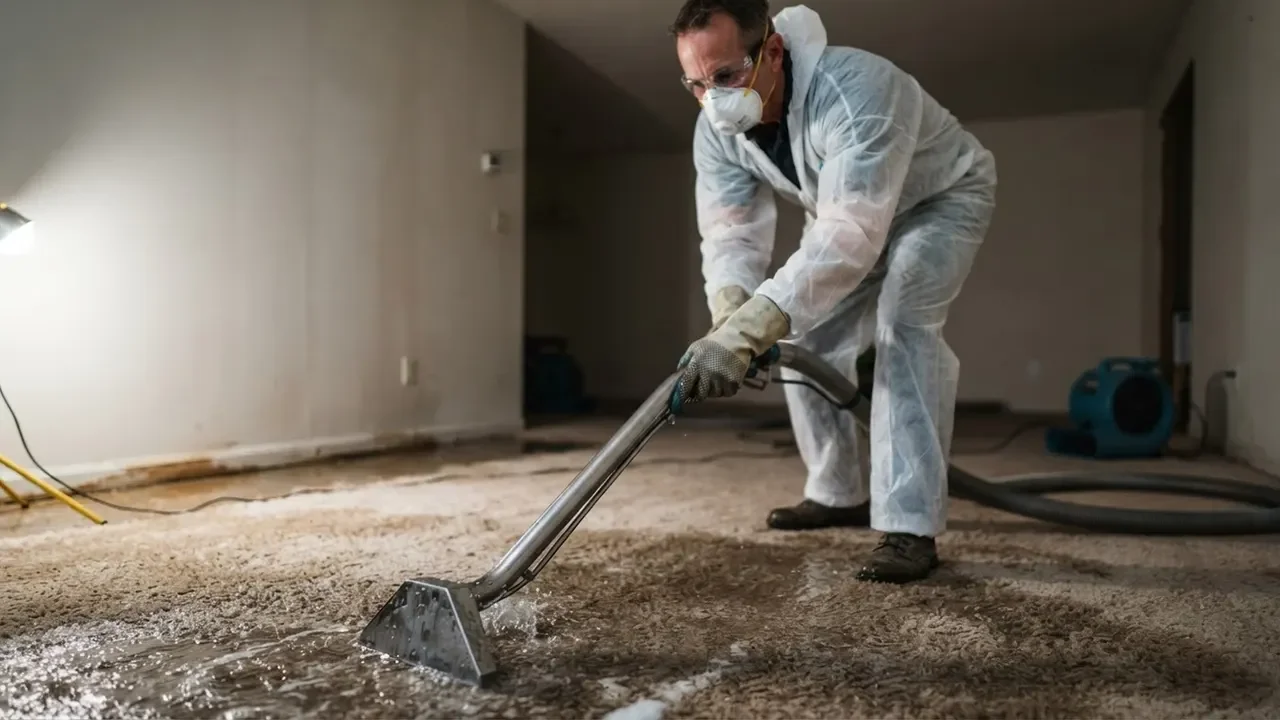
Water damage restoration in Haverhill: restoration technician operating a high-powered water extraction wand across a soaked

Protect Records and Reduce Loss

Wet paperwork can represent years of work, legal obligations, family history, or business continuity. We focus first on the records you need soon, then work through the remaining materials in a controlled order. You receive clear handling updates and a practical path from emergency pickup through drying and return.

  • Prioritize essential files

    We identify high-priority items such as insurance records, contracts, medical files, deeds, and active business documents before processing general archives. You can flag urgent folders during intake, and we keep those items grouped through treatment. Early triage helps direct available drying capacity to the records that matter most to your next business day.

  • Limit page-to-page transfer

    Wet ink and toner can migrate when soaked sheets are stacked, pressed, or exposed to heat. We separate manageable batches and use controlled drying rather than hair dryers or radiators. This reduces avoidable smearing and sticking, especially for damp files recovered within the first several hours.

  • Keep records organized

    Our team labels batches, maintains their order, and notes visible condition before treatment. If several filing cabinets are affected, we map documents to their original groups so your staff can put them back into use efficiently. Document restoration Haverhill MA should preserve both the paper and the filing context.

  • Coordinate the whole loss

    Documents are often wet because a room, not just a file cabinet, has taken on water. We coordinate contents handling with moisture checks and structural drying so damp surroundings do not re-wet returned materials. A moisture meter helps check nearby building materials before the final move-back.

Standards and Careful Handling

Industry Standards

  • IICRC Water Damage Restoration Technician — issued by Institute of Inspection, Cleaning and Restoration Certification
  • IICRC Applied Structural Drying — issued by Institute of Inspection, Cleaning and Restoration Certification
  • IICRC Applied Microbial Remediation Technician — issued by Institute of Inspection, Cleaning and Restoration Certification

Careful Handling, Informed Decisions

Haverhill document drying requires knowledge of both water losses and fragile contents. Our local experience covers common triggers such as burst pipes, roof leaks, and basement flooding, along with the practical challenge of protecting files while a building is being dried. We follow applicable IICRC guidance for water restoration and use a careful triage process for paper records. No drying method restores every item, so we explain likely outcomes before treatment and keep priorities visible throughout the job. We also coordinate with your contents and structural-restoration work when the loss affects more than documents.

  • We sort by saturation, urgency, and record group so critical paperwork receives attention before general archives.
  • Technicians avoid direct heat and rough separation that can tear wet pages or transfer ink.
  • We coordinate record handling with room drying to reduce the chance of materials becoming damp again.
  • Our process accounts for confidential files, books, folders, photographs, and mixed paper collections.
  • We document visible condition and keep batch identification consistent from intake through return.
Get Started Today
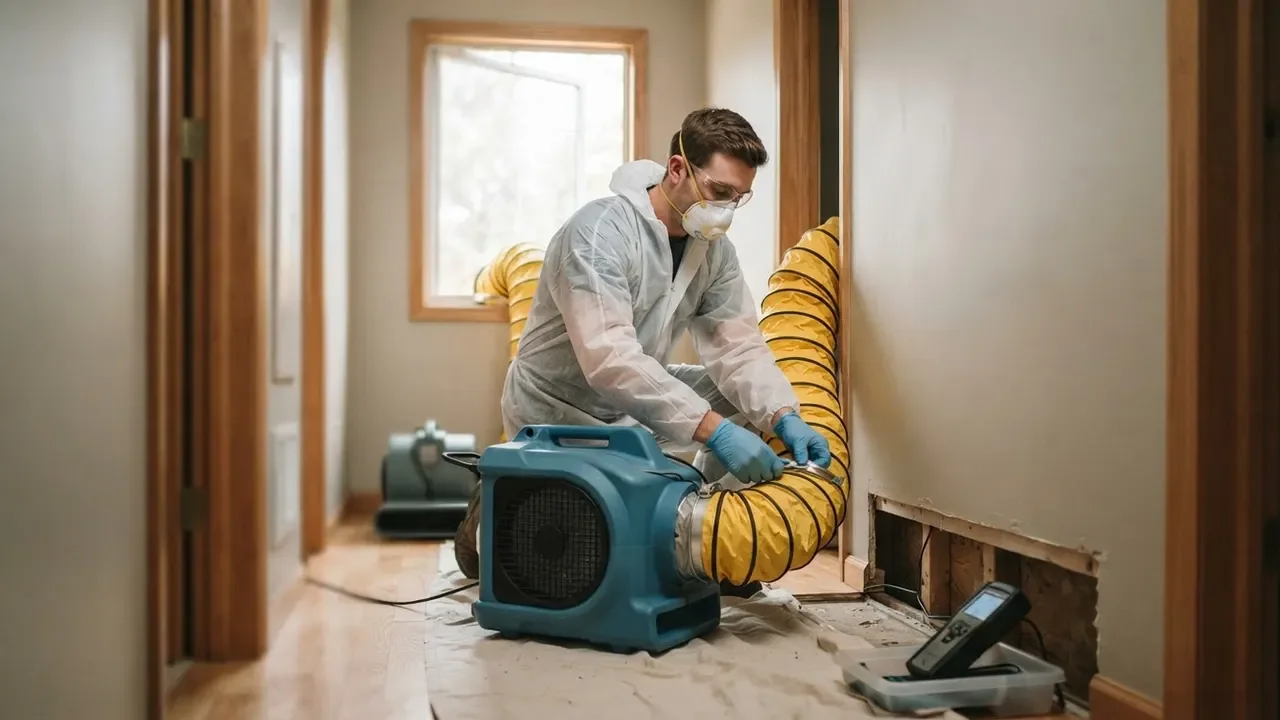
Water damage restoration in Haverhill: professional-grade portable air scrubber with its exhaust ducting running out a

Frequently Asked Questions

Real answers to the questions we hear most often from local homeowners and property managers.

How much does document drying cost in Haverhill MA?
Small document-drying jobs often vary while large archives or severe saturation can be higher. Typical pricing in Haverhill depends on the number of pages or boxes, water exposure, handling needs, and whether freezing or specialized drying is required. We explain the price before treatment. Keep wet files cool, avoid stacking them, and call before attempting to peel apart pages.
Can water damaged documents be restored in Haverhill?
Yes, many damp or water-soaked documents can be stabilized, but complete restoration is not guaranteed. Success depends on water type, paper and ink, saturation, and how long the pages remain wet. Our team sorts materials, protects their order, and selects an appropriate drying method. For water damaged document restoration near me Haverhill, call promptly and avoid heat, sunlight, and forceful separation.
How long does document restoration take in Haverhill Massachusetts?
A small batch may take 2-5 days to process, while a large or heavily soaked archive can require one to several weeks. Drying time depends on volume, paper thickness, binding, and the selected method. We give you progress updates and prioritize records you need first. Room drying and access to the affected storage area can also affect the return schedule.
Does insurance cover document drying in Haverhill MA?
Insurance coverage depends on your policy, the cause of the loss, and the adjuster's decision. Many policies consider reasonable mitigation after a covered water event, but limits and exclusions vary. Photograph the damage, keep affected records together, and save relevant receipts. We can provide job documentation to support your claim and explain how document treatment connects to the broader water-loss work.

Related Restoration Services

Water Damage Restoration

Wet records often sit inside a room with damaged walls, floors, or contents. We coordinate document recovery with water removal and structural drying so papers are not returned to a damp environment. This combined response also helps identify the source affecting your files.

View Water Damage Restoration

Emergency Water Extraction

Standing water can spread through offices and storage rooms quickly. Extraction removes pooled water before it reaches more boxes and cabinets, while our team protects records already exposed. Addressing both contents and flooring reduces the chance of repeat contact.

View Emergency Water Extraction

Flood Cleanup

Floodwater can affect paper records while leaving sediment and contamination behind. We separate document handling from debris cleanup, protect salvageable files, and coordinate cleanup of affected rooms. The water source and category guide safe handling decisions.

View Flood Cleanup

Basement Water Removal

Basements often hold archives, tax files, and family papers close to the floor. We remove standing water, recover affected documents, and check nearby materials such as insulation and baseboard. Moving records to a dry area helps prevent continued exposure.

View Basement Water Removal

Sewage Backup Cleanup

A sewage backup creates a contamination concern beyond ordinary wet paper. We prioritize safety, isolate affected materials, and coordinate cleanup before deciding what can be handled for document recovery. Contaminated records need a careful evaluation, not casual drying.

View Sewage Backup Cleanup

Storm Damage Restoration

Wind-driven rain and roof damage can soak paperwork in upper floors or offices. We help protect exposed documents while the building is secured and water intrusion is addressed. Prompt removal from wet rooms limits further damage to files and books.

View Storm Damage Restoration

Call for Document Drying in Haverhill

Wet records need careful handling, not heat or guesswork. Our team coordinates document recovery with the water-loss cleanup and explains the next step clearly. Call (833) 546-4116 now for help protecting your papers and files.

Call Now Call for Help

Contact Haverhill Restoration

Call (833) 546-4116 when water is entering your home or business, or when a damp room needs inspection. Our referral line is available 24 hours a day to connect you with independent companies serving Haverhill, MA, including areas near 01831 and 01835. Tell us what happened, where the water is, and whether it is still flowing.

Or call us right now at (833) 546-4116 — we answer.
Or email us at hello@haverhillwaterdamagema.com

Haverhill Water Damage Restoration


  • Address

    Haverhill, Massachusetts

  • Hours

    Mon–Fri: 7AM – 7PM
    Sat: 8AM – 4PM
    Sun: Emergency Only
    24/7 Emergency Available

Call (833) 546-4116 Get Quote
Call Quote