Haverhill Water Damage Restoration
Call (833) 546-4116

Odor Removal Haverhill MA for Fresher Rooms

Find the source, clear the odor, protect your home


odor removal Haverhill MA helps homeowners and property managers get rid of persistent musty, smoke, and sewage smells at their source. Our team inspects affected rooms, identifies hidden moisture or residue, and matches the treatment to the material. For deodorization services Haverhill MA, call (833) 546-4116 when an odor returns after cleaning, follows a leak, or makes a room difficult to use.

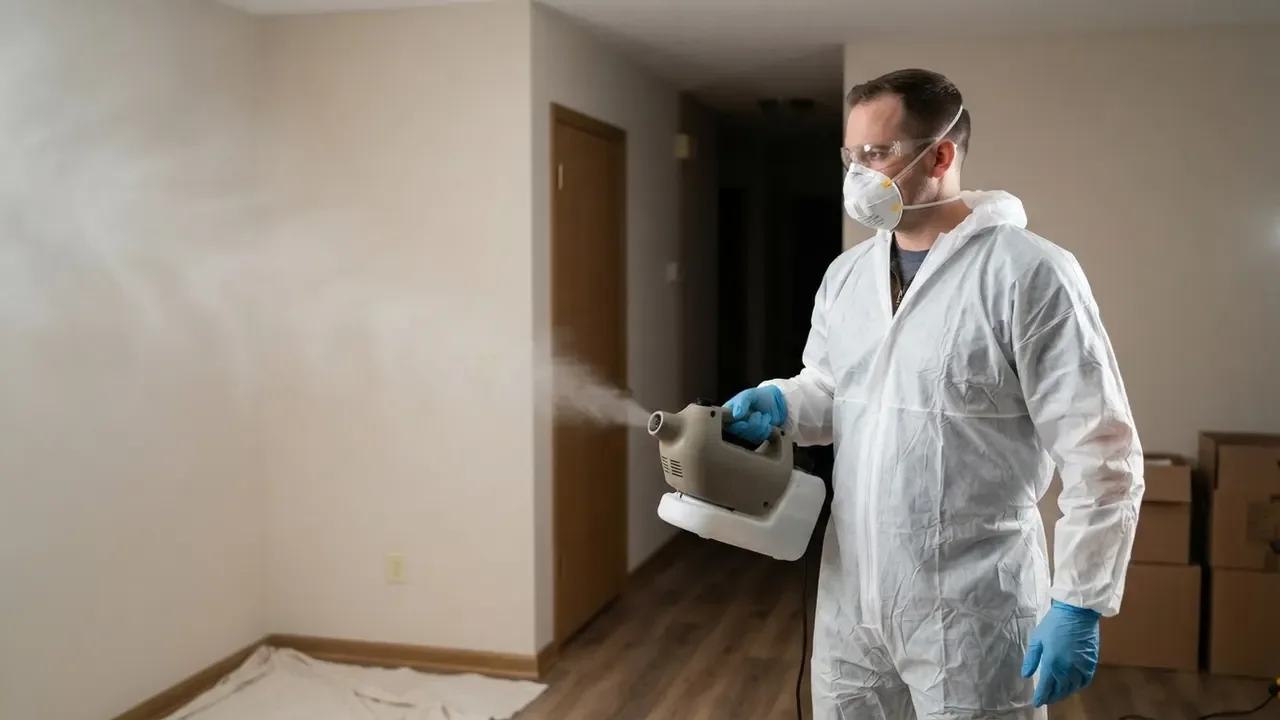
Odor Removal and Deodorization in Haverhill: restoration technician using a fogging machine to dispense an odor-neutralizing
24/7 Emergency Same-Day Response
Warranty Backed Workmanship Guaranteed in Haverhill

What Odor Treatment Includes

Our odor work covers inspection, source identification, cleaning of affected surfaces, appropriate deodorizing treatment, and a final condition check. Where moisture remains, we address drying before treating the odor. Repair, replacement of unsalvageable materials, and specialized contents cleaning are coordinated according to what the inspection finds. We explain the work and pricing upfront so you can decide how to proceed.

Odor Source Inspection

We ask when the smell began and inspect the rooms, contents, and materials involved. Moisture checks help locate damp areas beneath visible surfaces, while the odor pattern can point us toward a leak, smoke residue, or contaminated water.

Targeted Surface Cleaning

We clean affected surfaces using a method suited to their material and condition. That may include extraction from salvageable carpet, HEPA vacuuming of accessible debris, or cleaning hard surfaces before a deodorizing treatment is applied.

Moisture Control Coordination

If the odor comes from wet materials, we coordinate water removal and structural drying first. Air movers and dehumidification support drying, while repeat readings help determine whether the affected area is ready for final odor treatment.

Appropriate Odor Treatment

We choose treatment according to the odor source, room, and contents. Your technician explains the application, any temporary access limits, and ventilation steps. We do not use fragrance to conceal a continuing leak or damp material.

Completion Check

We revisit the treated area to assess the odor and moisture condition. If a reading or remaining smell points to an unresolved source, we explain what needs further attention rather than calling the work complete prematurely.

Odor Removal Haverhill MA: What It Does


odor removal Haverhill MA is a restoration service that identifies and treats odor-causing moisture, residue, and airborne contaminants in a building. We start by tracing the smell rather than masking it: checking carpets, carpet padding, drywall, baseboards, and concealed cavities. A moisture meter helps distinguish a dry surface from damp material underneath. After correcting the source, we select cleaning, controlled air treatment, or removal of material that cannot be cleaned. The goal is a measurable reduction in odor and a dry, usable space, not a temporary fragrance that fades in a day.

Haverhill's older homes, finished basements, and seasonal temperature swings can leave hidden dampness after a burst pipe, roof leak, or basement flooding. We inspect the affected area and explain the sequence before treating it. If you are searching how to remove musty odors after water damage in Haverhill MA, the first step is finding where moisture remains. Haverhill odor removal services address the source, then treat surfaces and contents according to their condition, including spaces around flooring and wall cavities.
What to Expect During Treatment

Odor removal and deodorization in Haverhill follows a practical sequence: locate the source, control moisture, clean affected materials, apply an appropriate treatment, and verify the result. We keep you informed about access, equipment noise, and which areas need to stay clear. A small room may be treated in one visit; structural drying requires follow-up readings.

01

Schedule

Call or book online — a real human picks up and confirms a 2-hour arrival window.

02

Diagnose

A tech inspects on-site, then walks you through the cause and your options.

03

Fix

The job is completed to code and done right the first time — no shortcuts, no surprises.

04

Guarantee

Every job backed by a written workmanship warranty — and we stand behind it.

Tools and Treatment Methods

Tools & Equipment

Moisture meter

We check accessible materials for retained moisture and compare readings across affected and unaffected areas. This helps determine whether odor treatment should wait for additional drying.

Thermal imaging camera

A thermal imaging camera highlights temperature patterns that may point to concealed moisture. We confirm suspicious areas with direct checks rather than treating an image as proof by itself.

HEPA vacuum

We use a HEPA vacuum to collect fine dust and loose particles from accessible surfaces during cleanup, reducing residue before compatible cleaning or deodorizing work.

Air mover

An air mover directs airflow across wet materials to support evaporation. We place it to promote drying while keeping the treatment area controlled and checking progress with moisture readings.

Dehumidifier

A dehumidifier removes moisture from the room air during structural drying. It helps prevent damp conditions from continuing to feed musty odors while affected materials dry.

Methods & Standards

Source-first odor diagnosis

We map where the odor is strongest, review the event history, and inspect likely reservoirs such as padding, drywall, and contents. Moisture checks help separate an active dampness issue from residual odor. Treatment follows the findings, so we do not rely on fragrance or a single product for every room.

Controlled extraction and drying

Where water remains, we remove bulk moisture and set drying equipment based on the affected materials and room conditions. Readings guide follow-up and equipment changes. Deodorization comes after the underlying moisture is controlled, reducing the chance that a wet cavity continues to produce odor.

Material-specific cleaning

Hard surfaces, textiles, carpet, and porous building materials need different handling. We choose cleaning methods compatible with the material and exposure, then assess whether the item is salvageable. This protects finishes and avoids spreading residue from one affected area into clean rooms.

IICRC-guided restoration

We use applicable restoration guidance, including ANSI/IICRC S500 for water damage work and ANSI/IICRC S520 where microbial remediation practices apply. The specific work depends on the source and conditions observed. We explain the methods used and document affected materials and drying progress.

When to Schedule Odor Treatment

01

A Frozen Pipe in a Bradford Home Leaks Into a Bedroom Wall During a Cold Overnight Freeze.

What we do: We inspect the wall, floor edge, and contents for moisture, then coordinate extraction and drying before deodorizing. If the cavity remains damp, we use readings to guide follow-up rather than sealing the smell behind a surface treatment. We identify what can be cleaned and what requires repair.

→ The affected bedroom is dried and treated in the correct order, reducing the chance that the musty odor returns after the wall is repaired.

02

A Haverhill Basement Smells Stale After Spring Rain and a Sump Pump Failure.

What we do: We locate standing water and damp materials, remove water, and inspect the basement perimeter and stored contents. Air movers and a dehumidifier support drying where appropriate. Once readings show the area is ready, we clean and deodorize affected surfaces.

→ You get a clearer basement, a plan for any damaged contents, and treatment that follows moisture control instead of masking the smell.

03

A Roof Leak Leaves a Smoke-Like, Musty Smell Near a Ceiling Stain in an Older Home.

What we do: We inspect the ceiling and accessible attic area to determine whether insulation or drywall is wet. We address the water source and dry or remove affected materials, then clean nearby surfaces and treat residual odor. The sequence prevents trapping moisture behind a repaired finish.

→ The ceiling area is assessed and dried before finishing work, with odor treatment focused on the materials that actually absorbed moisture.

04

A Rental Unit Near Downtown Haverhill Needs Odor Control After a Tenant Reports a Persistent Stale Smell.

What we do: We inspect rooms and shared edges, ask about recent leaks or smoke exposure, and check materials that commonly retain odor. Our team coordinates access with the property manager and documents findings. Treatment follows source correction, with equipment placement planned to keep unaffected areas accessible.

→ The manager receives a documented work sequence and the affected unit can return to use after cleaning, drying, and the completion check.

Odor Treatment for Haverhill Properties

Haverhill has a mix of older homes, multi-unit properties, and finished basements where a small leak can travel behind trim or below flooring. Cold weather brings frozen-pipe risks; spring rain and storms can expose roof leaks, basement flooding, and crawl space moisture. We adapt the inspection to the building: a musty smell near a basement floor calls for different checks than an odor below a ceiling stain. Our deodorization services Haverhill MA start with the source and the materials affected, then move through drying, cleaning, and a final odor check. If you need same day musty odor removal Haverhill Massachusetts, call us to discuss the condition and urgency. We serve residential and commercial properties across Essex County, including Bradford, Riverside, and Ward Hill. In MA, repair and restoration work must respect applicable building and safety requirements; we coordinate the work around the affected assembly and explain access needs before equipment is placed. Call (833) 546-4116 for an inspection discussion.

Neighborhoods We Serve

  • Bradford

    Older homes and finished lower levels can hide moisture behind baseboards or beneath flooring. We check beyond the visible stain when a musty odor persists.

  • Downtown Haverhill

    Multi-unit layouts can let odor travel between adjoining spaces. We inspect the reported room and nearby affected edges while coordinating access with the property contact.

  • Riverside

    Water intrusion near lower levels can leave damp contents and flooring. We identify the wet materials first, then plan drying and treatment around the room.

  • Kenoza Lake

    Seasonal moisture concerns make source identification important when a room smells stale. We check for active dampness before applying any deodorizing treatment.

Local Conditions We Plan For

  • Cold-weather pipe leaks leave water behind finished walls

    A frozen or burst pipe can wet insulation and drywall without leaving a large puddle. We check wall edges and nearby flooring, then dry the assembly before treating residual odor.

  • Rain and basement moisture affect lower-level materials

    Water entering a basement can soak stored belongings, carpet padding, and baseboards. We prioritize removal and drying, then assess whether porous items can be cleaned or need replacement.

  • Older finishes complicate access to hidden wet areas

    Plaster, layered flooring, and remodeled wall cavities can conceal moisture. We use targeted inspection and readings to limit unnecessary disturbance while still identifying material that needs drying.

Basement Mustiness After a Leak

Before

A homeowner noticed a stale odor several days after a small basement leak. The carpet looked dry, but the smell grew stronger near one wall. Stored boxes and a fabric chair also carried the odor, while the source of the remaining moisture was unclear.

After

We found dampness at the carpet edge and checked nearby materials before cleaning. Extraction and drying ran for 2 days, with readings taken during follow-up. After surface cleaning and targeted treatment, the odor was substantially reduced and the homeowner could use the room again.

Maintenance: Keep stored boxes off the floor and check the area after heavy rain. If the smell returns, call before applying fragrance; a new moisture reading can reveal whether water has entered again.

Before

A drain backup left a sharp odor in a utility area and the adjoining hallway. Water had reached the lower wall and a section of porous flooring. Mopping removed visible residue, but the smell remained strongest near the doorway and baseboard.

After

We removed affected water and assessed the porous flooring and lower wall materials. Cleaning and drying took 3 days, followed by a targeted odor treatment and a final check. The hallway no longer carried the strong odor, and the homeowner had a documented list of materials addressed.

Maintenance: Keep the drain and affected area clear until cleanup is complete. Watch for recurring odor or moisture near the same baseboard, and report it promptly rather than covering it with a scented cleaner.

Before

A rental unit near Downtown Haverhill had lingering smoke odor in a living room after surface cleaning. The smell was strongest around curtains and an upholstered chair, while hard flooring appeared clean. The property manager needed a treatment plan that fit a scheduled unit turnover.

After

We assessed the contents separately from the room, cleaned compatible surfaces, and coordinated treatment for the affected soft furnishings. The work took one day, followed by a ventilation period and a return odor check. The room was ready for the next turnover after the treatment instructions were followed.

Maintenance: Wash removable fabrics according to their care labels and keep the room ventilated after cleaning. If smoke odor returns from upholstery, arrange a contents assessment instead of repeatedly treating the air.

Solve the Causes Behind Lingering Smells

A recurring odor usually points to something the first cleanup missed: moisture below a floor, residue in porous material, or water entering again. We trace the problem, address the affected materials, and treat the space only after the source is controlled. You get a concrete next step for the room that smells.

Problem

Musty Smell Remains After a Basement Leak Was Cleaned Up

Damp carpet padding or a wet wall cavity can keep releasing odor and may support mold growth if moisture remains.

Our Fix

We inspect the lower walls, flooring, and accessible cavities, then use moisture readings to guide drying. If carpet or padding cannot be restored, we explain the options before final treatment. Once the source is dry and cleaned, we deodorize the affected area and recheck the room.

Problem

Smoke Odor Stays in Soft Furnishings and Nearby Rooms

Smoke residue clings to fabric and porous surfaces, so opening windows or cleaning only hard surfaces may leave the smell behind.

Our Fix

We assess the exposed rooms and contents, separate materials by cleaning needs, and remove loose residue from accessible surfaces. Treatment is selected for the materials and odor level. We coordinate contents cleaning where needed and check adjoining areas where odor may have traveled.

Problem

A Sewage Backup Leaves a Sharp Odor After Water Removal

Contaminated water can affect porous flooring and nearby materials; leaving residue behind can prolong the odor and create a sanitation concern.

Our Fix

We identify the impacted area, remove contaminated water and unsalvageable porous materials as appropriate, and clean affected surfaces. After source control and drying, we apply a suitable odor treatment. We also explain which rooms should remain restricted during the cleanup.

Problem

Odor Returns Because Moisture Is Trapped Below Flooring

A dry-looking surface can conceal wet subfloor or padding, allowing mustiness to recur after a temporary deodorizing spray fades.

Our Fix

We check the floor assembly and surrounding edges rather than treating only the surface. Extraction and controlled drying address accessible moisture; repeat readings show whether the material is improving. We apply odor treatment after the moisture source is controlled and explain any flooring repair needed.

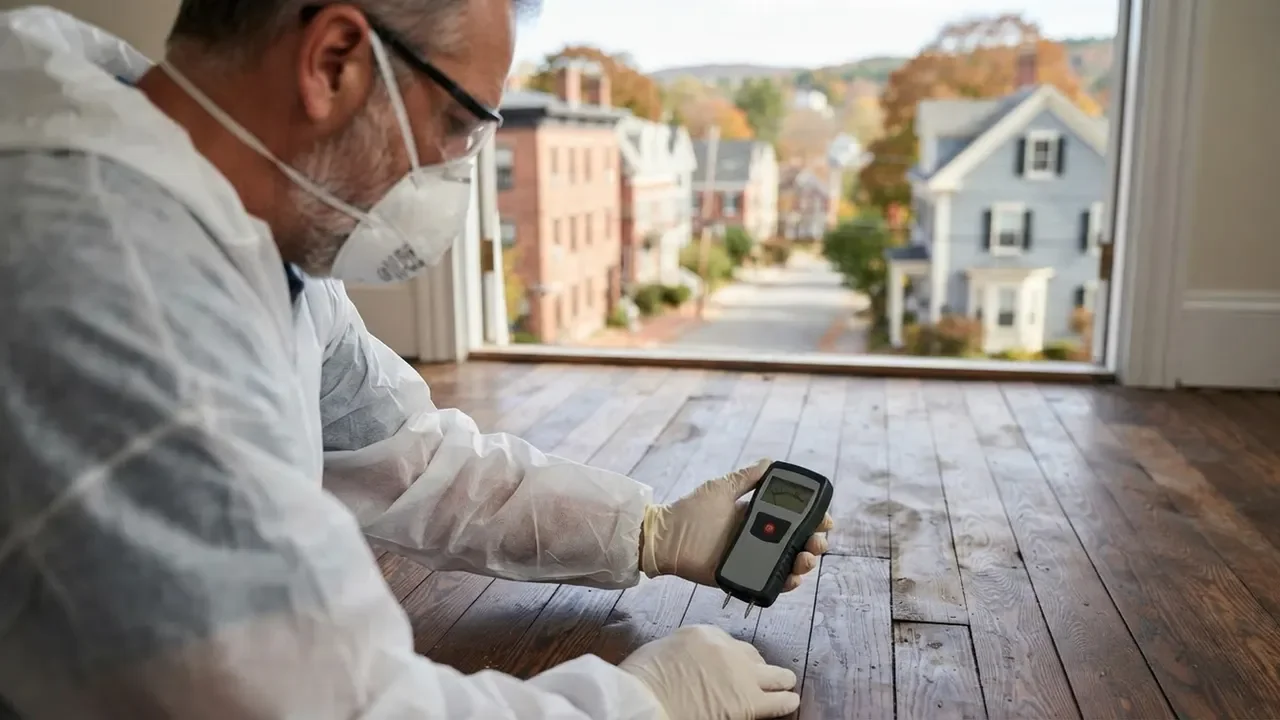
Water damage restoration in Haverhill: close-up of a restoration technician checking moisture levels on a hardwood floor

What a Proper Treatment Changes

Odor control works best when diagnosis, drying, cleaning, and treatment happen in the right order. We focus on the cause you can verify, protect materials that can be saved, and explain what changes after each step. You get a practical plan for the room, not a fragrance sprayed over a continuing problem.

  • Treat the source first

    We trace odors to damp carpet padding, residue, or a hidden leak before choosing a treatment. That distinction matters: an air treatment cannot dry wet insulation or clean contaminated flooring. Our team checks affected materials and moisture readings, then explains what needs cleaning, drying, or removal so the odor does not simply return after the room airs out.

  • Protect salvageable contents

    Smoke and water odor removal Haverhill targets the room and belongings based on material and exposure. We separate washable textiles from porous items that need specialized handling, and we avoid applying a treatment that could damage a finish. You receive clear priorities for furniture, rugs, and hard surfaces, with contents work coordinated alongside the affected space.

  • Make rooms usable again

    A persistent smell can keep a basement, bedroom, or rental unit out of use even after visible water is gone. We combine source correction with cleaning and controlled drying, then check the space again before wrapping up. For a modest affected area, treatment can take a few hours; wet materials can extend the schedule to several days.

  • Reduce repeat odor problems

    Our technicians look for conditions that let the smell return, including damp subfloor, a leaking drain, or a clogged sump system. We check moisture levels and explain any remaining repair or drying work. This approach helps you address the cause rather than paying repeatedly for surface deodorizing that does not reach the affected material.

Training and Work Standards

Industry Standards

  • IICRC Water Restoration Technician — issued by Institute of Inspection, Cleaning and Restoration Certification
  • IICRC Applied Structural Drying — issued by Institute of Inspection, Cleaning and Restoration Certification
  • IICRC Applied Microbial Remediation Technician — issued by Institute of Inspection, Cleaning and Restoration Certification

Field Knowledge and Method

Odor diagnosis depends on understanding how water and smoke move through a building. Our local experience includes finished basements, older plaster and drywall assemblies, hardwood floors, and carpet systems where moisture can sit below the visible surface. We follow applicable IICRC guidance for water restoration and microbial remediation, including ANSI/IICRC S500 and S520 where relevant to the work. We do not treat every odor with the same product: we inspect first, correct the condition that feeds it, and select a method that suits the room and its contents.

  • Moisture checks help distinguish a surface smell from dampness trapped behind baseboards or below flooring.
  • We assess whether carpet, padding, insulation, or drywall can be cleaned and dried or needs removal.
  • Treatment selection accounts for smoke residue, sewage contamination, water-related mustiness, and sensitive finishes.
  • Our technicians explain equipment placement, access needs, and practical room-use timing before work begins.
  • Documentation records observed conditions, readings, affected materials, and work completed for your restoration file.
Get Started Today
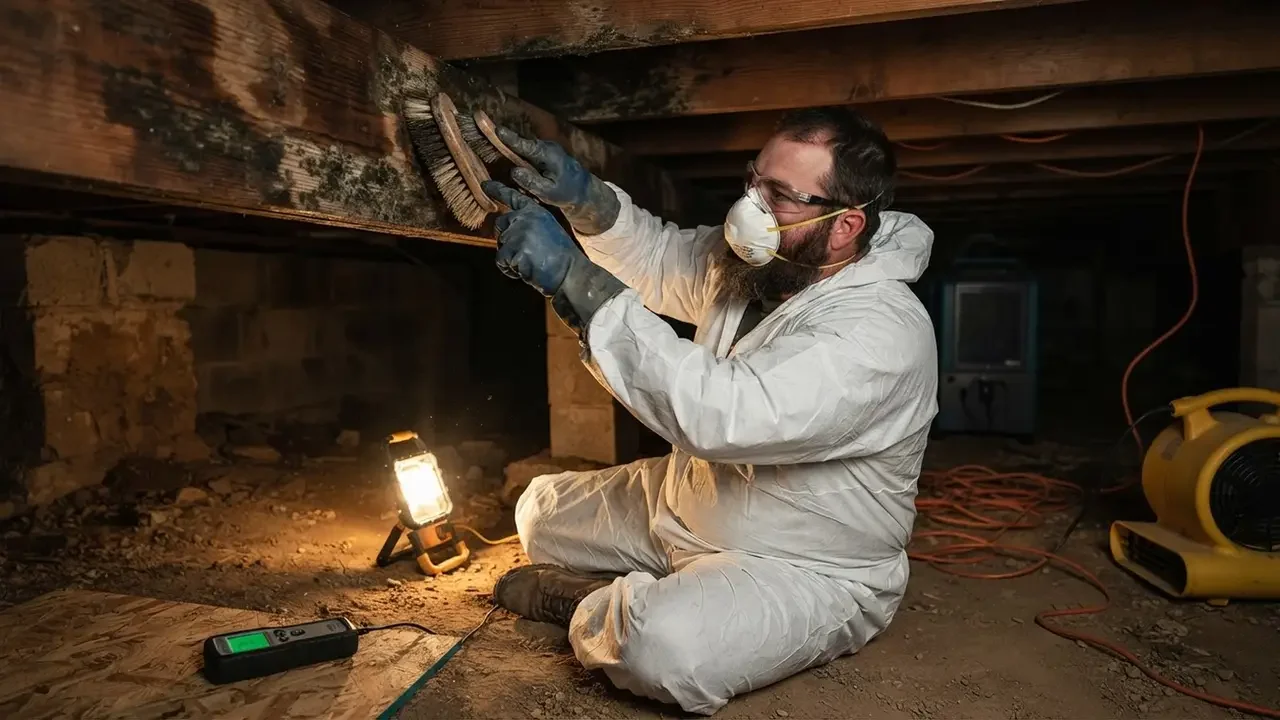
Water damage restoration in Haverhill: restoration technician in full PPE carefully scrubbing a mold-affected wooden beam in

Odor Removal Questions, Answered

Real answers to the questions we hear most often from local homeowners and property managers.

How much does odor removal cost in Haverhill MA?
Odor removal in Haverhill commonly varies with the size of the area, with extensive contamination or structural drying costing more. Price depends on room size, odor source, material condition, and whether contents or hidden cavities need treatment. We inspect the affected area and explain upfront pricing before work. For odor removal near me Haverhill MA, call (833) 546-4116 and describe the smell, its location, and any recent leak or smoke exposure.
How to remove musty odors after water damage in Haverhill?
Remove the moisture source, dry affected materials, and clean or replace items that retain contamination; deodorizing alone will not solve a wet cavity. Our team checks flooring, wall edges, and contents, then uses moisture readings to guide drying. A small room can take 1 to 3 days to dry, while concealed water can extend the work. We apply a final odor treatment after the source is controlled.
How long does deodorization take in Haverhill Massachusetts?
A contained odor treatment often takes 2 to 6 hours, while drying and follow-up for water-damaged materials can take 1 to 5 days. The schedule depends on the source, room size, and whether carpet padding, drywall, or insulation is wet. We explain how long equipment needs to run and when you can re-enter treated areas. The odor check happens after cleaning and moisture correction, not before.
Does insurance cover odor removal in Haverhill MA?
Insurance may cover odor work when it is part of a covered sudden loss, but coverage depends on your policy and the cause. Document the damage, report the event to your carrier, and keep records of the affected areas and restoration work. We can provide service documentation for your claim file. Existing maintenance issues or gradual moisture are handled differently under many policies, so the insurer makes the coverage decision.

Services That Support Odor Control

Water Damage Restoration

Hidden moisture is a common source of persistent odors. We remove water, dry affected materials, and coordinate cleaning before deodorizing, helping Haverhill customers address the cause rather than cover the smell.

View Water Damage Restoration

Emergency Water Extraction

Standing water quickly affects carpet, padding, and nearby walls. Extraction removes bulk water so drying can begin sooner and odor-causing dampness has less time to spread through your Haverhill property.

View Emergency Water Extraction

Flood Cleanup

Floodwater can leave soil and contaminants in flooring and lower wall sections. Cleanup removes affected material and residue before odor treatment, giving Haverhill property owners a safer, cleaner starting point.

View Flood Cleanup

Basement Water Removal

A damp basement often develops a musty smell from wet stored items, flooring, or wall cavities. We remove water and identify what remains damp, then coordinate drying and deodorization for Haverhill homes.

View Basement Water Removal

Sewage Backup Cleanup

Sewage odors require removal of contaminated water and affected porous materials, not fragrance alone. We clean the impacted area, control access, and address lingering odor as part of the restoration work in Haverhill.

View Sewage Backup Cleanup

Storm Damage Restoration

Wind-driven rain or a roof opening can wet insulation and interior finishes. We address water entry and drying first, then treat smoke-like or musty odors left behind in affected Haverhill rooms.

View Storm Damage Restoration

Call for Odor Removal Haverhill MA

A smell that returns after cleaning needs a source check, not another air freshener. Call Haverhill Water Damage Restoration at (833) 546-4116; our team will discuss the odor, affected rooms, and the next practical step. We provide upfront pricing before work begins.

Call today Call our team

Contact Haverhill Restoration

Call (833) 546-4116 when water is entering your home or business, or when a damp room needs inspection. Our referral line is available 24 hours a day to connect you with independent companies serving Haverhill, MA, including areas near 01831 and 01835. Tell us what happened, where the water is, and whether it is still flowing.

Or call us right now at (833) 546-4116 — we answer.
Or email us at hello@haverhillwaterdamagema.com

Haverhill Water Damage Restoration


  • Address

    Haverhill, Massachusetts

  • Hours

    Mon–Fri: 7AM – 7PM
    Sat: 8AM – 4PM
    Sun: Emergency Only
    24/7 Emergency Available

Call (833) 546-4116 Get Quote
Call Quote