01
A Frozen Pipe Breaks Overnight and Water Starts Dripping Into the Crawl Space Below Your Haverhill Home.
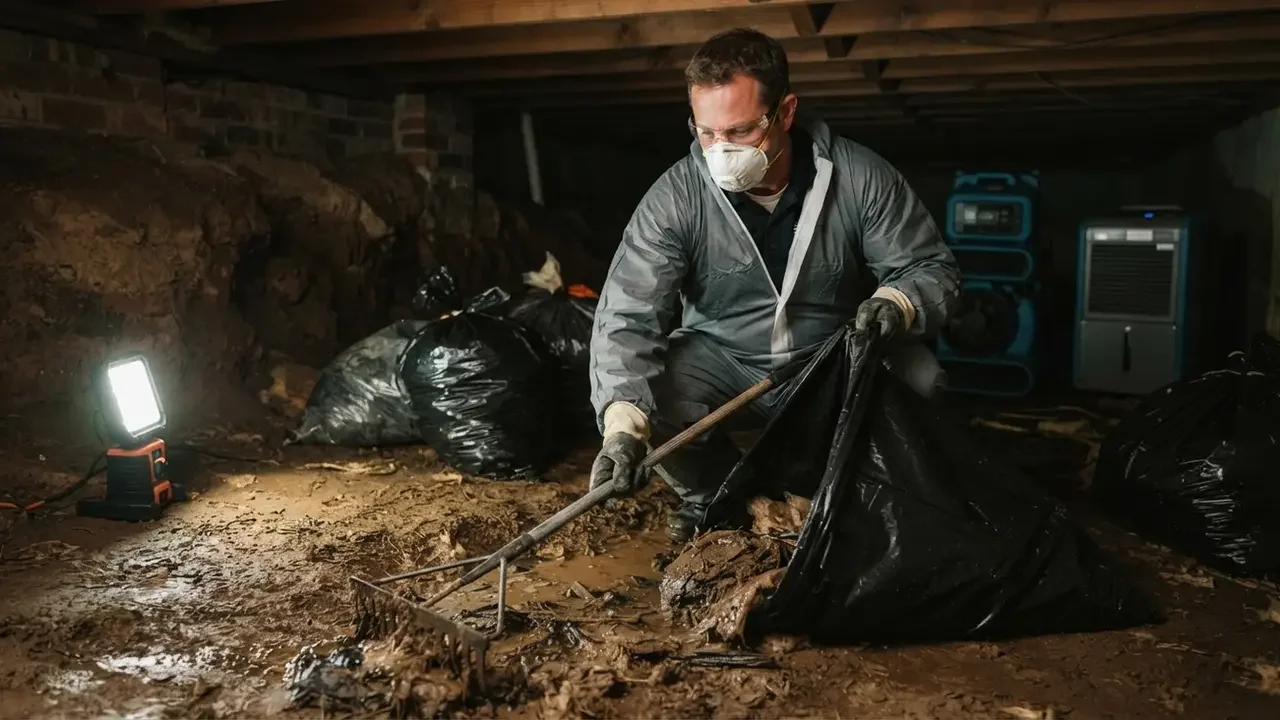
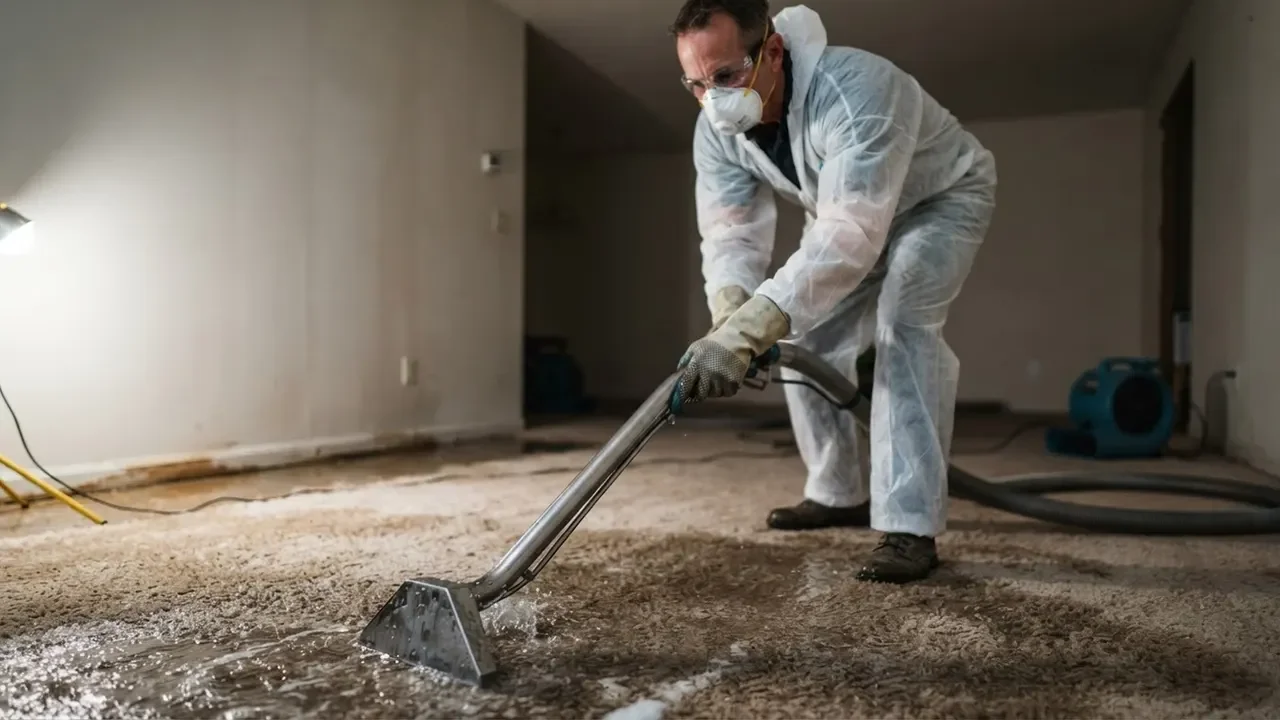
What we do: Stop the water supply if it is safe to do so, then call us. We check whether water is still entering, extract pooled water, and inspect the framing and subfloor for spread. We also explain what plumbing repair is needed before drying equipment is left running.
→ The leak source is identified for repair, standing water is removed, and affected materials have a documented drying plan rather than being left to air out on their own.
02
After a November Rainstorm, You Find a Puddle Near the Foundation and a Damp, Earthy Odor Indoors.
What we do: We inspect the crawl-space entry points and low areas, remove pooled water, and check moisture in the adjacent framing. We look for visible runoff paths and explain whether the odor appears connected to damp materials or debris. If water returns, we note the conditions that need drainage attention.
→ You know where water collected, which materials are damp, and whether follow-up drainage or cleaning work is needed to reduce repeat moisture.
03
A Sump Pump Stops During a Spring Thaw, Leaving Water and Wet Insulation Beneath the Floor.
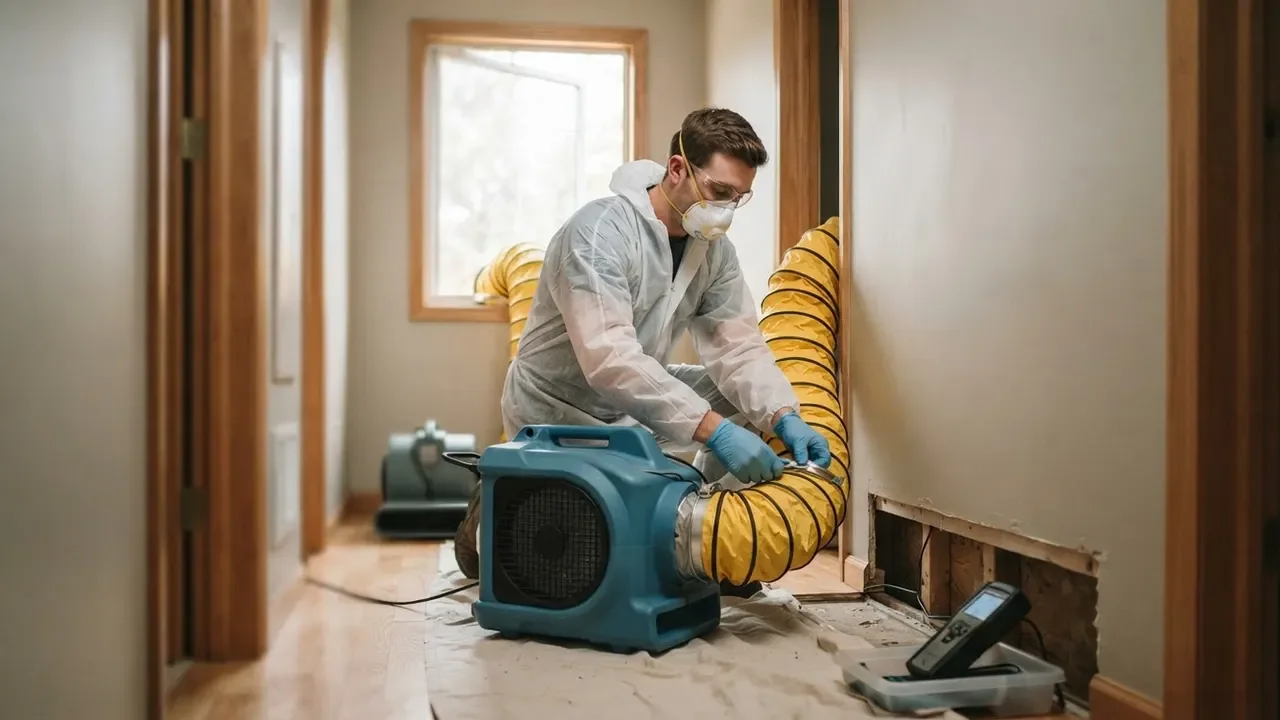
What we do: We assess water depth and electrical safety, extract the standing water, and inspect insulation and joists for saturation. We then place drying equipment where it can circulate air through the affected area and check moisture readings during follow-up. We can also point out concerns with the failed pump system.
→ The space is cleared of pooled water, wet materials are identified, and drying progress is tracked while the pump or drainage issue is addressed.
04
A Persistent Musty Smell Appears in a Bradford Home Although No Leak Is Visible in the Rooms.
What we do: We inspect the crawl space for damp soil, wet debris, plumbing drips, or moisture in the subfloor. A moisture meter helps us focus on affected materials. If we find standing water, we remove it and set a drying plan; if we find growth, we discuss an appropriate assessment.
→ You get a source-focused explanation and a practical sequence for water removal, drying, and any necessary mold or plumbing follow-up.