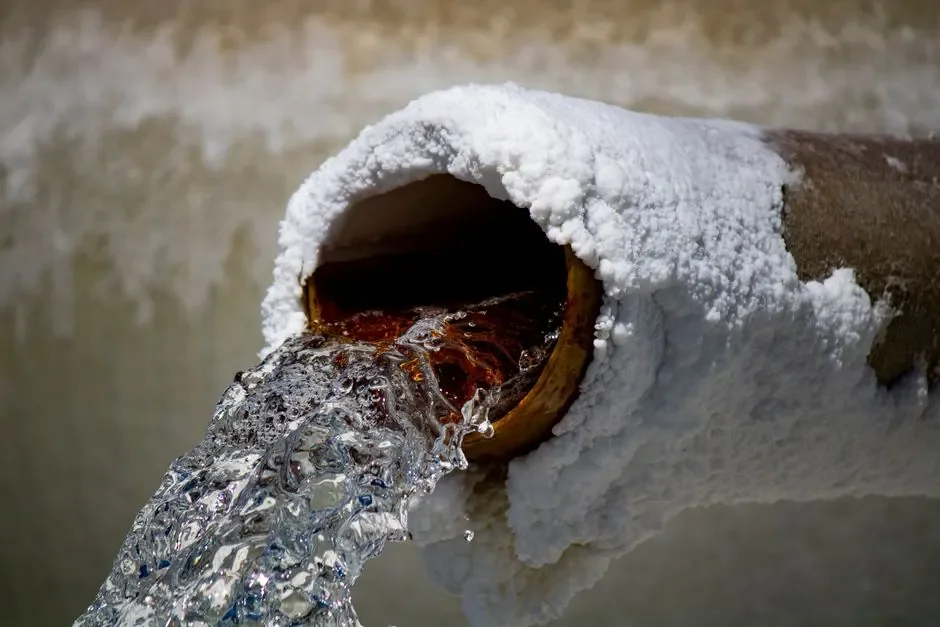
To prevent frozen pipes in Haverhill this winter, insulate exposed water lines, keep your home heated to at least 55°F, seal cold-air leaks, and let vulnerable faucets drip during severe cold. Start with pipes in exterior walls, basements, crawl spaces, and garages before a hard freeze arrives. Haverhill's winter cold can turn a small draft around a pipe into a split line and a flooded room. Frozen pipe prevention Haverhill MA homeowners can handle starts with a careful walk-through, a few inexpensive materials, and a plan for cold snaps and travel. We'll explain where to focus, how to respond if a line freezes, and when it's time to call for help.
How to prevent frozen pipes in Haverhill this winter is a practical home-protection routine that reduces the risk of a water line freezing during cold weather. It works best before temperatures drop, not after a faucet stops flowing.
How Do I Prevent Frozen Pipes in Haverhill This Winter?
Haverhill homeowners prevent frozen pipes by insulating exposed plumbing, maintaining indoor heat at 55°F or higher, and blocking drafts around vulnerable lines. Those three steps address the main causes: cold pipe surfaces, cold air entering the home, and heat being shut off during a trip.
Begin in the basement and utility areas, then check cabinets under sinks on exterior walls. Look for bare copper, PEX, or other water lines near rim joists, foundation vents, garage walls, and attic access points. A 10-minute inspection with a flashlight often reveals the sections that need attention.
For Haverhill winter pipe protection, use foam pipe sleeves on accessible lines and seal nearby gaps with appropriate caulk or expanding foam. Keep insulation dry and snug, but do not cover valves, unions, or equipment that needs inspection. If a line sits in a very cold space, insulation alone may not be enough; reduce drafts and consider a listed heat cable installed according to its instructions.
- Set the thermostat to at least 55°F, including when you leave town.
- Open sink cabinet doors so room heat reaches pipes against exterior walls.
- Disconnect garden hoses and shut off exterior hose bibs where a separate indoor valve is provided.
- During a severe cold snap, allow a thin, steady trickle from a faucet served by a vulnerable line.
Our team at water damage restoration Haverhill MA helps local property owners limit the damage when a frozen line breaks. Prevention is less disruptive than drying a basement, replacing soaked materials, and sorting out a sudden water loss.
At What Temperature Do Pipes Freeze in Haverhill MA?
Water in an exposed pipe begins to freeze at 32°F, but pipes inside a home can freeze when surrounding air stays below 20°F for several hours. Wind, drafts, insulation gaps, and the pipe's location affect how quickly that happens.
That distinction matters in Haverhill: a forecast low of 15°F does not mean every pipe will freeze, but it signals that lines in unheated or poorly sealed spaces need attention. A pipe tucked beside a cold foundation or exterior wall loses heat sooner than one inside a heated room. Pipes can also freeze during a shorter cold snap if a strong draft blows directly over them.
Check local forecasts when overnight lows approach 20°F, especially if the house has a crawl space, an attached garage, or plumbing in an outside wall. Keep the thermostat steady rather than turning the heat down sharply at night. If you will be away for more than a day, ask someone to check the home and confirm the heating system is running.
There is no single safe outdoor temperature for every house. A well-insulated line in a heated basement faces a different risk than a bare pipe in an unheated garage.
Which Pipes Need the Most Protection in Haverhill Homes?
In Haverhill homes, pipes in unheated basements, crawl spaces, garages, exterior walls, and under kitchen or bathroom sinks need the closest attention. Plumbing near foundation openings and the edge of an attic is also vulnerable to cold air and sudden temperature swings.
Older homes around Haverhill's established neighborhoods can have pipes routed through additions, enclosed porches, or narrow utility chases that were not designed as heated spaces. Do not assume a finished wall keeps a pipe warm; a small gap behind cabinets or at a rim joist can expose plumbing to near-outdoor temperatures.
Our practical pipe insulation Haverhill Massachusetts checklist starts with tracing the line from the water entry point. Follow it to water heaters, laundry areas, hose connections, and fixtures on outside walls. Add insulation where you can reach the pipe, and seal openings where cold air enters. If you cannot tell whether a wall cavity contains plumbing, avoid drilling blindly.
Residents in older, densely built parts of the city may have narrow side yards and exposed exterior hose connections that are easy to overlook. Keep those fixtures disconnected and protected before the first sustained freeze. If a pipe bursts despite your preparation, our burst pipe repair in Haverhill team can help address the water loss and the resulting damage.
Insulation materials vary by diameter and type. Foam sleeves for common residential pipe sizes are widely sold in lengths of about 3 to 6 feet; measure first, then tape seams and elbows so there are no open gaps. For unusual runs or inaccessible piping, a plumber can identify a safer solution.
What Should You Do If a Pipe Freezes?
If a pipe freezes in Haverhill, shut off the main water supply if you suspect a leak, open the affected faucet, and warm the pipe gradually with a hair dryer or warm towels. Never use a torch or open flame.
A faucet that produces only a trickle is often the first sign of a frozen line. Find the shutoff valve before you start warming the pipe; if the line has split, thawing it can release water quickly. If you see water, hear it running inside a wall, or cannot locate the frozen section, turn off the main valve and call for help.
- Open the faucet served by the frozen line to relieve pressure as the ice melts.
- Apply gentle heat to the pipe, beginning near the faucet and working toward the colder section.
- Check the area for bulges, cracks, dampness, or water stains as the line thaws.
- Keep the main shutoff accessible and watch for leaks after water flow returns.
Do not use a propane torch, charcoal heater, or other open flame. Those methods can ignite nearby building materials or damage the pipe. Do not pour boiling water onto a cold line; sudden temperature change can worsen a crack. If the pipe is inside a wall or ceiling, leave the work to a qualified plumber.
When a break sends water across flooring or into a finished basement, stop the flow first and protect people from electrical hazards. Our burst pipe repair Haverhill MA service addresses the damaged line and the water that escaped, so the affected area can be dried before moisture spreads into walls and flooring.
Common Frozen-Pipe Prevention Mistakes
Common frozen-pipe prevention mistakes in Haverhill include turning the heat off while traveling, insulating over a leak, and assuming a slow faucet drip will protect every pipe. Small oversights leave vulnerable lines exposed during the coldest hours.
Do not set the thermostat below 55°F just because you are away. A furnace failure, power outage, or cold draft can bring temperatures down faster than expected. If you will be gone, leave cabinet doors open beneath sinks and have a neighbor check the home during extended cold weather.
Another mistake is wrapping a pipe without sealing the draft around it. A foam sleeve slows heat loss, but cold air streaming through a rim-joist gap can still chill the line. Seal the opening with materials suitable for the location, and do not block required vents or combustion-air openings.
Do not ignore a faucet that slows down or a patch of frost on a pipe. Those signs call for action before the line opens. Also avoid using space heaters near water lines unattended; keep portable heaters away from curtains, stored boxes, and other combustible materials.
When to Call a Professional in Haverhill
Call a professional in Haverhill when a pipe has burst, the frozen section is inside a wall, water is spreading, or you cannot safely locate and thaw the line. Quick action helps limit damage to insulation, drywall, flooring, and personal belongings.
We can help you distinguish a frozen line from a leak and focus first on stopping water from reaching more of the home. If water has entered a basement, our water damage repair Haverhill MA team can remove standing water, dry affected materials, and assess areas where moisture may be hidden.
Water damage response is different from plumbing repair: a plumber repairs the pipe, while restoration work handles wet building materials and drying. We coordinate the water-damage side of the problem and explain the next steps in plain language. We also provide upfront pricing before restoration work begins.
Call promptly if you notice a ceiling bulge, water near an electrical panel, a soaked carpet, or water continuing to flow after you close a fixture. For a small freeze with no leak, you can still arrange a plumbing inspection to identify the cause and prevent a repeat during the next cold snap.
Frequently Asked Questions
How Do I Prevent Frozen Pipes in Haverhill This Winter?
Keep your home at 55°F or warmer, insulate exposed lines, seal drafts, and disconnect garden hoses before temperatures fall. During severe cold, open cabinets below sinks on exterior walls and let a vulnerable faucet drip. Check basements, garages, and crawl spaces first because those areas often stay colder than living rooms.
At What Temperature Do Pipes Freeze in Haverhill MA?
Water freezes at 32°F, but pipes in homes often face serious risk when surrounding air stays below 20°F for several hours. Drafts and poor insulation can speed freezing. Check vulnerable lines when Haverhill's forecast approaches that range, rather than waiting for a faucet to stop flowing.
What Should I Do If My Pipes Freeze in Haverhill Massachusetts?
Open the affected faucet and gently warm an accessible pipe with a hair dryer or warm towels; never use an open flame. If you see a leak, hear water in a wall, or cannot locate the freeze, shut off the main valve and call for help. Check carefully for leaks as the pipe thaws.
Does Insurance Cover Frozen Pipe Damage in Haverhill MA?
Homeowners policies often cover sudden water damage from a burst pipe, but coverage depends on your policy and whether you maintained heat or took reasonable precautions. Many policies exclude damage linked to neglect. Photograph the damage, save receipts, and contact your insurer promptly to confirm your specific coverage.
Who Fixes Frozen Pipes Near Me in Haverhill?
A licensed plumber repairs or replaces a frozen or burst water line; a water damage restoration team handles water removal and drying after a leak. If your Haverhill home has standing water or wet building materials, call us to address the restoration work while you arrange pipe repair.
Get Help With Water Damage Restoration in Haverhill
Frozen pipes can turn into a major water loss quickly, but fast shutoff and proper drying help protect your home. Call Haverhill Water Damage Restoration at (833) 546-4116 for help with water damage cleanup in Haverhill.