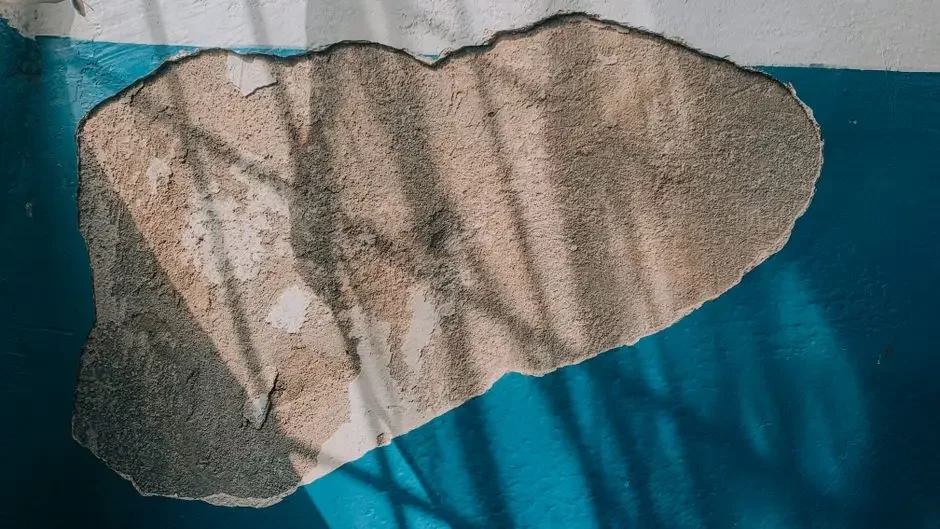
The clearest signs of hidden water damage behind walls are persistent musty odors, paint or wallpaper that bubbles or peels, new stains, and drywall that feels soft or swollen. In Haverhill, a slow plumbing leak, roof seepage, or winter pipe problem can soak a wall cavity long before water appears on the room side.
Hidden water damage Haverhill MA homeowners find often starts with one small clue that keeps returning. We'll explain what those clues mean, how to check safely, what professional moisture detection can show, and when to stop investigating and call for help.
Signs of hidden water damage behind walls is a group of visible, tactile, and odor-related clues that indicate moisture is trapped in a wall assembly and needs investigation. Finding the source early helps limit repairs to the affected area instead of allowing wet materials to deteriorate further.
What Are the Signs of Hidden Water Damage Behind Walls in Haverhill?
Haverhill homeowners commonly spot hidden wall moisture through recurring stains, peeling finishes, musty smells, and changes in the wall's texture. One clue alone does not prove a leak, but several signs appearing together deserve prompt attention.
Look closely around plumbing walls, windows, exterior corners, ceilings below bathrooms, and the areas behind appliances. Water can travel along framing, so the visible mark may be several feet from the leak itself.
- Stains that grow or return: Yellow, brown, or gray marks often spread after rain, a shower, or use of a nearby fixture.
- Paint and wallpaper changes: Blisters, lifting seams, bubbling, or peeling can develop as moisture weakens adhesion.
- Soft or swollen drywall: A wall that feels spongy, bows outward, or crumbles at an edge has likely absorbed moisture.
- Persistent musty odor: A damp, earthy smell that remains after cleaning can point to wet material inside the cavity.
- New sounds or temperature changes: A faint drip, a warm patch near a hot-water line, or unusual condensation can help narrow the search.
Small water stains on walls Haverhill MA residents notice after a storm can be easy to dismiss, especially if they dry on the surface. Take a dated photo and check whether the mark changes over the next 24 to 48 hours; recurring discoloration is more concerning than a single stable mark.
Why Water Gets Trapped Inside Haverhill Walls
Water gets trapped inside Haverhill walls when a leak or exterior opening feeds moisture into insulation, framing, or drywall faster than the materials can dry. A wall cavity conceals the wet area, so the room may look normal while dampness persists behind the finish.
Common sources include pinhole leaks in supply lines, loose shower connections, failed caulk around a tub, roof or flashing leaks, and water entering around a window. In November and through winter, freezing temperatures can stress exposed or poorly insulated pipes; thawing can reveal a leak only after water has already entered the wall.
Older homes and multifamily buildings around Haverhill can have layered renovations, concealed pipe runs, or exterior materials that make the water path hard to see. A leak above a first-floor room, for example, may travel down a stud or along a pipe before showing up as a stain near the baseboard.
When a leak is active, shut off the nearest fixture valve or the home's main water supply if you can do so safely. Our team handles burst pipe repair Haverhill MA when a damaged line is the source, then checks surrounding materials for moisture that a quick surface wipe will miss.
How Do I Know If There Is Water Behind My Walls in Haverhill MA?
You can suspect water behind your Haverhill wall if a stain returns, a musty odor persists, or drywall changes texture, but a moisture reading is needed to confirm hidden dampness. Start with a visual check and avoid drilling or cutting into a wall before you know what is behind it.
Use a flashlight to examine seams, corners, baseboards, and the wall on the other side of nearby plumbing. Compare the suspect area with a dry section of the same wall; a cool, soft, or swollen patch is useful evidence, but touch alone cannot measure moisture accurately.
Check patterns rather than relying on one test. A mark that gets darker after rain suggests an exterior or roof route; a problem that follows shower use points toward plumbing or a wet-area seal. If your water meter moves while every tap and water-using appliance is off, that can indicate a leak, though toilets and automatic systems should be checked first.
Keep your first response simple:
- Photograph the area and note when the odor or stain is strongest.
- Stop using nearby fixtures if their use seems to trigger the problem.
- Move furniture and belongings away from the wall, and keep children away from soft or bulging drywall.
- Call for an inspection if signs persist, spread, or appear near electrical outlets.
Do not press hard on bulging drywall or remove outlet covers to investigate. Water near wiring can create a shock hazard; if you see water at an outlet, avoid touching it and contact a qualified professional.
How Professionals Locate Moisture Without Opening Every Wall
Professionals locate hidden moisture in Haverhill by combining a visual inspection, moisture-meter readings, and targeted thermal imaging rather than relying on one device. The goal is to map the wet area, identify a likely source, and determine whether materials need drying or removal.
A pin or pinless moisture meter checks material moisture at selected points. Readings are compared across the suspect wall and nearby dry areas; a single number is not a universal pass-or-fail result because drywall, plaster, wood, and masonry behave differently.
Thermal imaging shows surface temperature patterns that can reveal areas affected by evaporation or a leak. It does not see water through a wall or confirm moisture by itself. A cold patch could reflect insulation, an air leak, or another condition, so technicians verify suspicious areas with a moisture meter and follow the pattern to its likely source.
For homeowners searching for wall water damage detection Haverhill, a focused assessment can reduce unnecessary demolition. We use thermal imaging inspection Haverhill MA as one part of that process, then confirm findings with direct measurements before recommending a drying plan.
Our water damage restoration Haverhill MA work is built around finding the cause, documenting affected materials, and addressing moisture before repairs cover the evidence again. If the leak has stopped but the wall remains damp, drying may involve controlled airflow and dehumidification; saturated insulation or deteriorated drywall may need removal.
In Haverhill, older plaster walls can behave differently from modern drywall, and dense materials may take longer to dry. A technician should track readings over time instead of declaring the wall dry because its surface feels normal.
Common Mistakes That Let Wall Damage Spread
Common mistakes in Haverhill wall water damage cases include painting over a stain, relying on a household fan, and assuming a stopped leak means the cavity is dry. These shortcuts can hide clues while moisture remains behind the finish.
Fresh paint can cover discoloration but cannot remove water from insulation or framing. Likewise, a room dehumidifier may lower indoor humidity without pulling enough moisture from a closed wall cavity. If the source is still active, drying equipment will not solve the underlying problem.
Watch out for these missteps:
- Cutting into the wall without checking utilities: Pipes and wiring may run directly behind the suspected area.
- Using bleach on a musty wall: Surface treatment does not dry the cavity or resolve a leak.
- Waiting for visible mold: Damp materials can deteriorate before growth is visible from the room.
- Ignoring a small repeat stain: Recurrence is a useful warning that the source may still be active.
Do not use a hair dryer or space heater to speed drying. Concentrated heat can damage finishes and does not reliably dry the full depth of a wall.
When to Call a Professional in Haverhill
Call a water damage professional in Haverhill when a wall is soft, a stain returns, a musty odor persists, or you suspect water near electrical components. A prompt inspection helps establish whether moisture is active and whether the affected materials need controlled drying.
Call sooner if water is still flowing, a ceiling is bulging, a wall is visibly swelling, or the leak followed a burst pipe or severe weather. Keep people clear of unstable materials, and shut off water only if you can reach the valve safely.
For hidden leak detection Haverhill MA, our team checks the suspected area, looks for a plausible source, and explains what the readings show. We can coordinate the next steps for drying and water damage repair Haverhill MA, including documenting affected areas for your records.
Insurance coverage depends on your policy and the cause of the water. Sudden accidental leaks are treated differently from long-term seepage or maintenance issues, so save photos, invoices, and any notes about when symptoms began; our team can help document the damage during the restoration process.
Frequently Asked Questions
What Are the Signs of Hidden Water Damage Behind Walls in Haverhill?
The main signs are recurring stains, peeling paint, soft drywall, and a musty odor that lasts more than a day or two. Look for changes near plumbing, windows, ceilings, and exterior walls. If several signs appear together or worsen after rain or fixture use, arrange an inspection rather than covering the area.
How Do I Know If There Is Water Behind My Walls in Haverhill MA?
A persistent odor, spreading stain, or soft patch suggests hidden moisture, but a meter reading is needed to confirm it. Photograph the area and watch for changes over 24 to 48 hours. Avoid cutting into the wall yourself, especially near outlets or plumbing.
Can Thermal Imaging Detect Hidden Water Damage in Haverhill Massachusetts?
Thermal imaging can help locate temperature patterns associated with moisture, but it does not confirm water on its own. A trained technician checks suspicious spots with a moisture meter and compares readings with nearby materials. This combination helps separate a possible leak from insulation gaps or ordinary temperature differences.
Does Insurance Cover Hidden Water Damage in Haverhill MA?
Coverage depends on your policy and whether the cause was sudden and accidental or developed gradually. Many policies treat a burst supply line differently from long-term seepage or neglected maintenance. Photograph damage, keep repair records, and contact your insurer promptly to learn how your specific policy applies.
Who Should I Call for Hidden Water Damage in Haverhill?
Call a water damage restoration company that can inspect wall moisture, trace likely sources, and plan drying. If you know a plumbing line is leaking, a plumber may also be needed to repair it. For suspected hidden water leak detection near me Haverhill, start with the signs and location you have documented.
Get Help With Water Damage Restoration in Haverhill
If you have signs of moisture in walls Haverhill Massachusetts, Haverhill Water Damage Restoration can inspect the affected area and help you take the next step. Call (833) 546-4116 to discuss the signs you're seeing and arrange help.