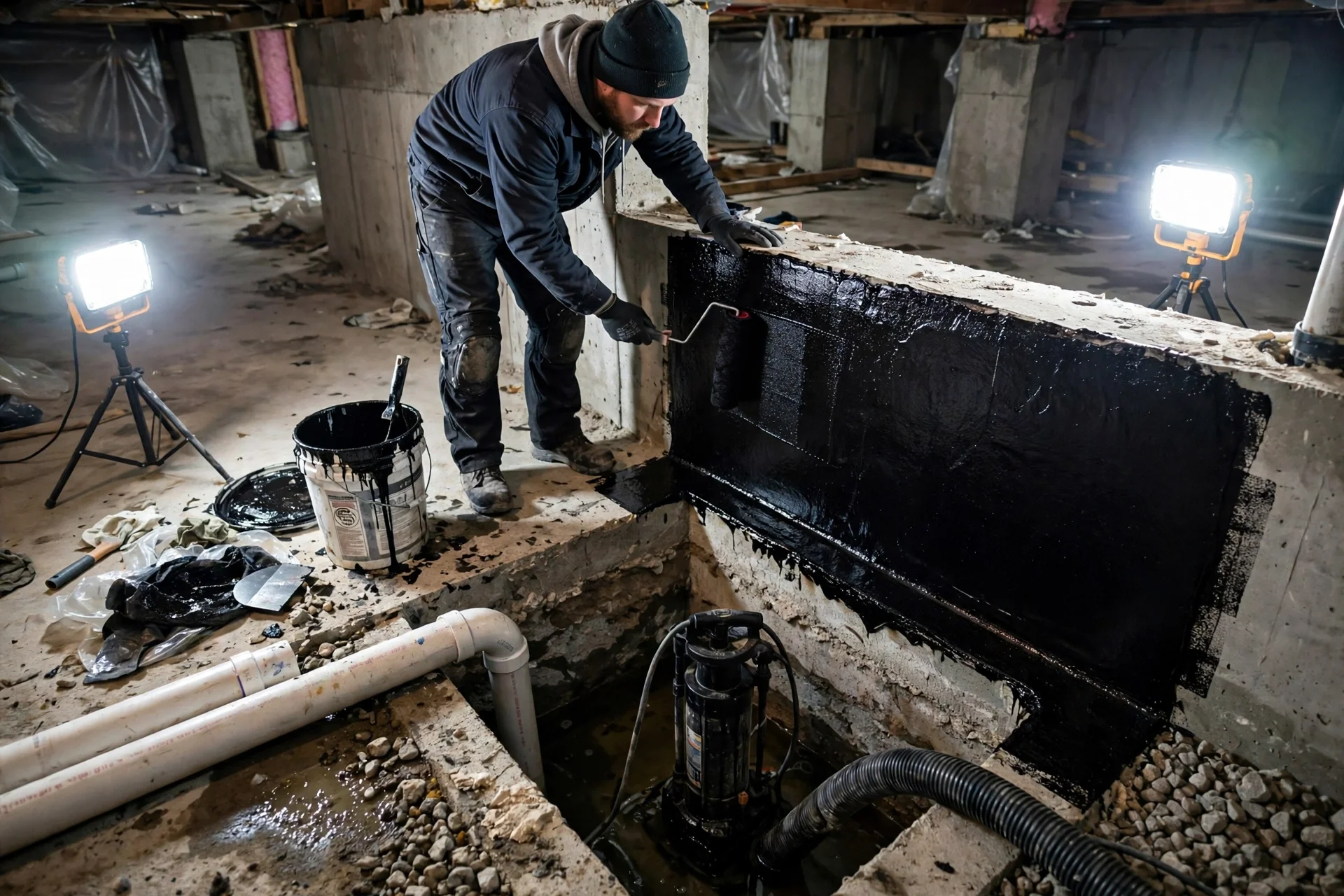
Water entry inspection
We inspect where water appears, how it travels, and which entry points are involved, then use moisture readings to help define the affected zone. The inspection focuses on the path water takes, not only where a stain appeared.
Our waterproofing work covers inspection of water entry points, foundation crack sealing, membrane and coating application, drainage improvements, and sump pump installation where needed. We also identify grading and gutter issues that send water toward the building. Reconstruction, replacement finishes, and independent testing are separate work when the project calls for them; we explain how those steps fit the waterproofing sequence.
We inspect where water appears, how it travels, and which entry points are involved, then use moisture readings to help define the affected zone. The inspection focuses on the path water takes, not only where a stain appeared.
We seal cracks in foundation walls and slab edges with injection or surface methods suited to the crack and the material. This limits water entry at the most common below-grade points and gives the wall a continuous barrier.
We apply waterproof membrane or coating to below-grade walls where the surface and access allow it. The coating forms a barrier against water moving through concrete and masonry, and it is detailed around joints, pipes, and corners.
We improve drainage where water collects against the building and install or repair a sump pump where a low area needs active water removal. A working discharge route moves collected water away from the foundation.
We review the sealed areas and installed drainage, explain what was done, and identify follow-up repairs or monitoring if needed. You leave with a clear sequence for keeping the area dry.
Waterproofing Haverhill MA is a preventive building process that keeps water outside the structure by sealing entry points, coating below-grade walls, and moving water away from the foundation. We start by locating where water enters, checking adjoining materials, and defining the work before sealing begins. A moisture meter helps us map damp walls, slab edges, and flooring; readings guide the choice of method rather than guesswork. We then seal cracks, apply membrane or coating where appropriate, and improve drainage. The goal is a documented, drier building and a practical path to keeping it that way.
Haverhill properties can take on water after heavy rain, spring thaw, or a plumbing failure near the foundation, even when the original entry point is not obvious. Moisture trapped behind a wall or under flooring can persist after a room looks dry, especially around slab edges and below-grade walls near the Merrimack River corridor. Our waterproofing services Haverhill process follows the water from the damp room to the entry point, then verifies that the seal holds. If you are searching for basement or foundation waterproofing Haverhill MA, prompt inspection helps identify cracks and drainage problems before the affected area grows.
Waterproofing Haverhill MA follows a deliberate sequence: inspect, stop active water, seal, drain, and verify. We explain each stage before work affects your home or business, keep the work zone controlled, and share what we find as the condition of concealed materials becomes visible.
Schedule
Call or book online — a real human picks up and confirms a 2-hour arrival window.
Diagnose
A tech inspects entry points and drainage on-site, then walks you through the cause and your options.
Fix
The sealing and drainage work is completed to code and done right the first time — no shortcuts, no surprises.
Guarantee
Every job backed by a written workmanship warranty — and we stand behind it.
Moisture Meter
We take repeat readings in walls, slab edges, and accessible framing to find water entry points and track whether sealed areas stay dry. The readings help distinguish a dry-looking surface from a damp assembly.
Thermal Imaging Camera
We use thermal patterns to identify areas that warrant closer moisture checks around leaks and stained surfaces. It guides inspection; it does not replace direct measurement.
Crack Injection
We inject sealant into foundation cracks to close the path water follows through the wall. The method suits cracks that are stable and accessible from the interior, and it is checked after curing.
Sump Pump
A sump pump moves collected water away from a low area when the system is correctly installed and operating. We check the pump, pit, and discharge route as part of the waterproofing work.
Dehumidifier and Air Mover
A dehumidifier removes moisture from room air during and after waterproofing while an air mover encourages evaporation from exposed materials. We position equipment for the room and the affected surfaces.
Entry-point inspection before sealing
We locate where water enters before sealing anything. A moisture meter and visual inspection map the entry points, while grading and downspout checks show where water collects. This is especially useful when a damp corner sits far from the actual crack.
Membrane and coating application
We apply membrane or coating over a prepared, sealed surface so the barrier is continuous. Joints, pipes, and corners are detailed by hand, and the coating is protected while it cures.
Drainage and discharge routing
We improve grading, extend downspouts, and check sump pump discharge so collected water leaves the site. That avoids treating the wall while water keeps pooling against it.
Verification through wet weather
We check the treated areas and, where conditions allow, observe them through a rain or irrigation cycle. Repeat readings show whether walls and flooring are staying dry rather than simply looking cleaner.
01
What we do: We inspect the corner, the wall above it, and the grading outside for the entry point. Our team seals the crack, applies membrane where access allows, and checks the discharge route. We also confirm the roof water is directed away from the wall before the work is considered complete.
You get a defined entry point, sealed materials, and a clear plan for watching the wall after the next rain, instead of a stain covered with paint.
02
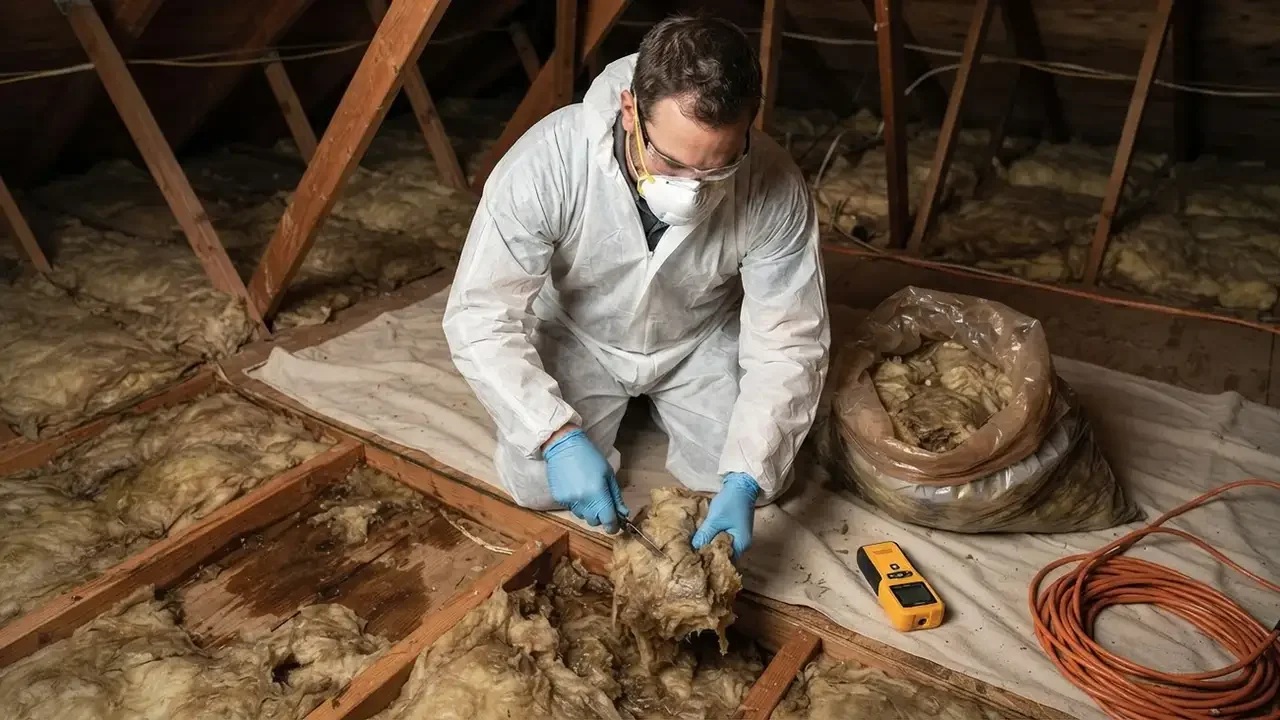
What we do: We check the crawl space access, vapor barrier, and drainage, and isolate the damp zone before work begins. Wet insulation is removed when it cannot be dried in place, and exposed materials are dried before sealing.
The concealed damp area is addressed instead of being covered, and you have a clear route from drainage repair to a dry crawl space.
03
What we do: We verify the thaw water source is controlled, inspect the crack and the wall around it, and seal it before applying a coating. Our crew checks the soil grade outside the wall and the gutter discharge, then uses measured drying to prepare the wall.
You avoid sealing a damp wall behind a new finish and can plan the repair around the actual entry point.
04
What we do: We inspect the garage door seal, the driveway slope, and the wall shared with the house, then document moisture and visible damage. Drainage improvements direct water away from the door, while drying equipment addresses damp flooring.
The property manager gets a defined affected area, a record of the work, and a clearer basis for scheduling repairs.
Haverhill's mix of older homes, multi-unit buildings, finished basements, and newer additions creates different water entry paths. Heavy rain, spring thaw, and high water along the Merrimack River can all push water against foundations, and a closed, heated room can hide a damp wall cavity. We plan sealing and drainage around the building, not only around the visible stain.
Riverside
Lower-level rooms near the river corridor can be affected by damp basements or water entry when river levels rise. We check wall bases and stored materials rather than judging conditions from the floor alone.
Bradford
Homes with finished basements and wall cavities need careful inspection after heavy rain, since water can enter at slab edges and stay hidden. We map the affected area before sealing anything.
Downtown Haverhill
Multi-unit buildings and closely used spaces call for planned access and drainage work. We coordinate the work zone so neighboring rooms and units stay usable while sealing proceeds.
Ward Hill
Attics and exterior-facing rooms can show dampness after roof leaks or thaw, and foundation walls face runoff from sloped lots. We inspect insulation, grading, and adjacent framing before deciding what needs sealing.
Heavy rain and spring thaw push water against foundations
Short, heavy downpours and melting snow can send runoff against a foundation in minutes. We check grading and downspouts so roof water discharges away from below-grade walls.
High water table near the Merrimack River corridor
Groundwater near the river can keep soil damp against a foundation for weeks after rain. We inspect the wall and the drainage before sealing, then confirm the source is controlled.
Older stone and block foundations with porous joints
Many older Haverhill foundations are stone or block with mortar joints that let water through. We assess the wall material before choosing between sealing, membrane, or drainage work.
Waterproofing Haverhill MA addresses more than a wet floor: recurring seepage, damp crawl spaces, and foundation cracks often point to water that keeps finding the same entry point. We trace the entry, determine what can be sealed, and improve drainage so water stays outside.
Problem
Water can keep returning to the same corner because the entry point was never sealed, so surface drying only hides the problem until the next rain.
Our Fix
We inspect the likely entry path, check grading and downspouts, and seal the crack or joint when needed. Our team applies membrane where access allows and improves drainage so water moves away from the wall. We also identify whether the roof water or an irrigation line still needs attention before the wall is closed. A recurring wet corner can signal an entry point that surface drying never addresses.
Problem
Persistent ground moisture can affect framing and insulation, while odors move into occupied rooms through floor gaps and utility penetrations.
Our Fix
We look beyond the visible floor to find trapped moisture in insulation, soil, and wall bases. After improving drainage and the vapor barrier, we remove affected materials and dry the remaining structure. Moisture readings help confirm that the area is staying dry rather than simply appearing cleaner. Repeated surface drying leaves the entry point and damp soil untouched, so the musty smell can return.
Problem
A crack can keep seeping because water still reaches it from outside, so sealing the inside alone does not stop the source.
Our Fix
We assess the crack, the soil outside the wall, and the drainage around it, then seal the crack with an appropriate method. We check the grading and downspout discharge before the wall is finished. This gives you a clear answer about what can remain sealed and what needs drainage work. A crack that keeps seeping can widen over time if water keeps reaching it.
Problem
A pump can fail because the pit, discharge line, or power supply was never checked as a system, so one weak link floods the low area again.
Our Fix
We trace the pump, pit, and discharge route, inspect the check valve and power supply, and repair or replace the pump as appropriate. We check that the discharge moves water away from the foundation. The system is ready for the next storm only after the full route is tested. A failed pump can let a low area flood again during the next heavy rain.
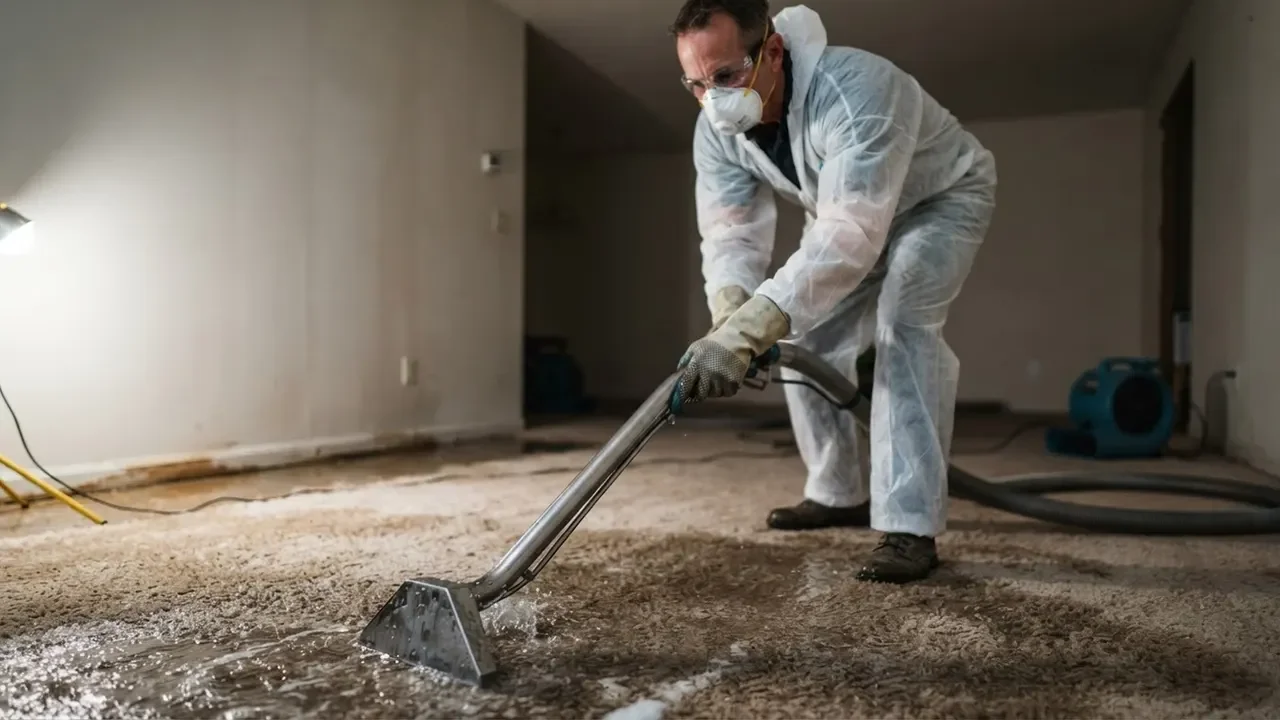
Waterproofing works best when entry points, sealing, and drainage are handled as one job. We focus on where water enters and where it goes after sealing, so the area stays dry rather than looking dry for a week.
Entry Points Found First
We locate where water enters before sealing anything. A moisture meter and visual inspection map the entry points, while grading and downspout checks show where water collects. This is especially useful when a damp corner sits far from the actual crack.
Sealing Before Coating
Coating without sealing cracks leaves the entry in place. We seal cracks and joints first, then apply membrane or coating over a prepared surface. You receive a clear explanation of what was sealed before the wall is finished.
Drainage That Moves Water Away
A sealed wall still needs water routed elsewhere. We improve grading, extend downspouts, and check sump pump discharge so collected water leaves the site. That avoids treating the wall while water keeps pooling against it.
Drying Verified, Not Guessed
We use moisture readings to track progress in framing and surrounding materials instead of relying on a dry surface. Readings at relevant points show whether the structure is ready for finishing work, so repairs start from a known condition.
Waterproofing calls for careful entry-point diagnosis, building-material knowledge, and a clear understanding of how water moves around a foundation. Our local team applies established methods and documents what was sealed, drained, and verified.
Real answers to the questions we hear most often from local homeowners and property managers.
Water in a below-grade room often starts at a foundation crack or drainage problem. We remove water, check lower walls, and evaluate whether damp drywall needs removal before waterproofing begins.
View View Basement Water RemovalCrawl space water removal addresses standing water beneath the home, where damp insulation and framing can remain out of sight. The crew checks access and drainage before selecting removal and drying steps.
View View Crawl Space Water Removal and DryingDrying equipment reduces moisture in building materials after water intrusion. We position air movers and a dehumidifier, then take repeat readings to confirm the structure is dry before sealing.
View View Structural Drying and DehumidificationWater damage restoration addresses the leak or flooding that often precedes waterproofing work. We remove standing water, assess affected building materials, and dry the structure so sealing can focus on the entry point.
View View Water Damage RestorationFlood cleanup removes water and contaminated debris after basement or ground-level flooding. We inspect porous materials, clean affected surfaces, and dry the structure before waterproofing begins.
View View Flood CleanupWind-driven rain can enter through roof or window openings and wet insulation, ceilings, and wall cavities. Storm damage restoration addresses the entry point and the wet materials behind it.
View View Storm Damage RestorationCall (833) 546-4116 when water is entering your home or business, or when a damp room needs inspection. Our referral line is available 24 hours a day to connect you with independent companies serving Haverhill, MA, including areas near 01831 and 01835. Tell us what happened, where the water is, and whether it is still flowing.
Phone
(833) 546-4116Address
Haverhill, Massachusetts
Hours
Mon–Fri: 7AM – 7PM
Sat: 8AM – 4PM
Sun: Emergency Only
24/7 Emergency Available