Crystal Lake
The lake is a central geographic reference for callers describing nearby roads or lakefront properties. Giving us your street name as well as the lake reference helps distinguish the exact service address.

water damage restoration in Crystal Lake is a property recovery service that removes water, dries affected materials, and addresses damage after leaks, flooding, or plumbing failures. Our crew works across this Haverhill service area, from Crystal Lake Road and Rosemont Street to homes near Ayers Village Road. Older plumbing systems, frozen pipes in winter, and lakefront homes with moisture issues call for careful inspection before walls and floors are closed again. We use a moisture meter to check affected areas and plan drying around the materials involved.
For Crystal Lake water damage restoration, we begin by identifying the water source and separating salvageable contents from damaged materials. We extract standing water, check drywall, insulation, carpet padding, hardwood flooring, and subfloor, then set drying equipment where readings show moisture. If you need emergency water damage restoration in Crystal Lake, tell us what happened, when it started, and whether power or water has been shut off. Our team can coordinate the cleanup and provide job documentation for your insurer.
Crystal Lake properties need different responses for a clean-water pipe leak, a storm-related basement flood, and a sewage backup. We match the work to the source, affected materials, and size of the wet area instead of placing equipment blindly. If you search for water damage restoration near me Crystal Lake MA, our Haverhill team can discuss the immediate issue by phone and arrange the appropriate service. We handle extraction, structural drying, cleanup, repairs, and claim documentation for residential and commercial properties.



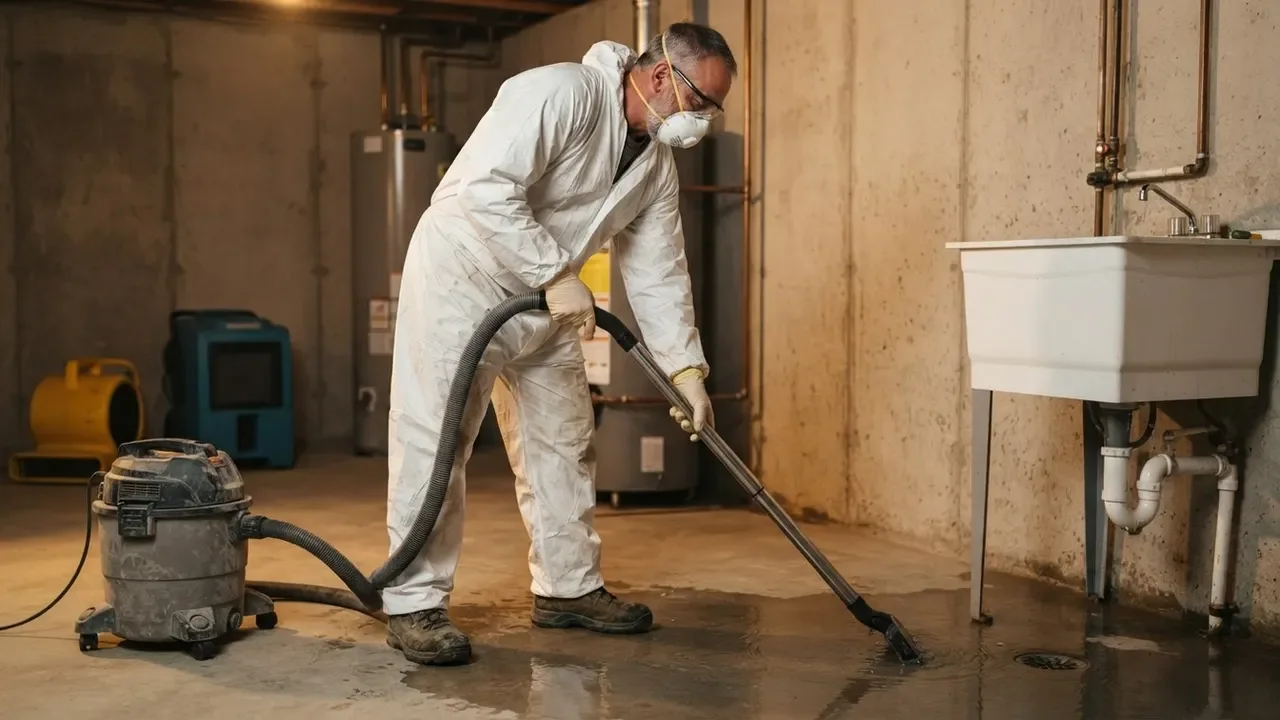
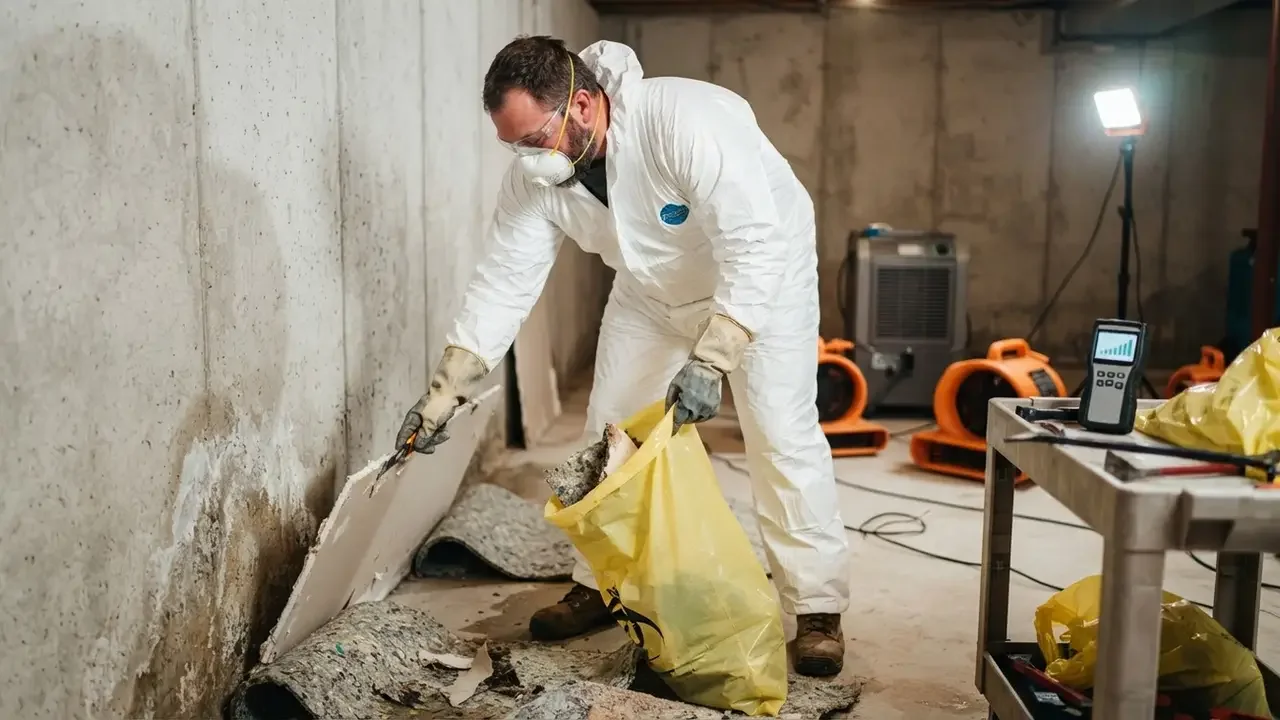
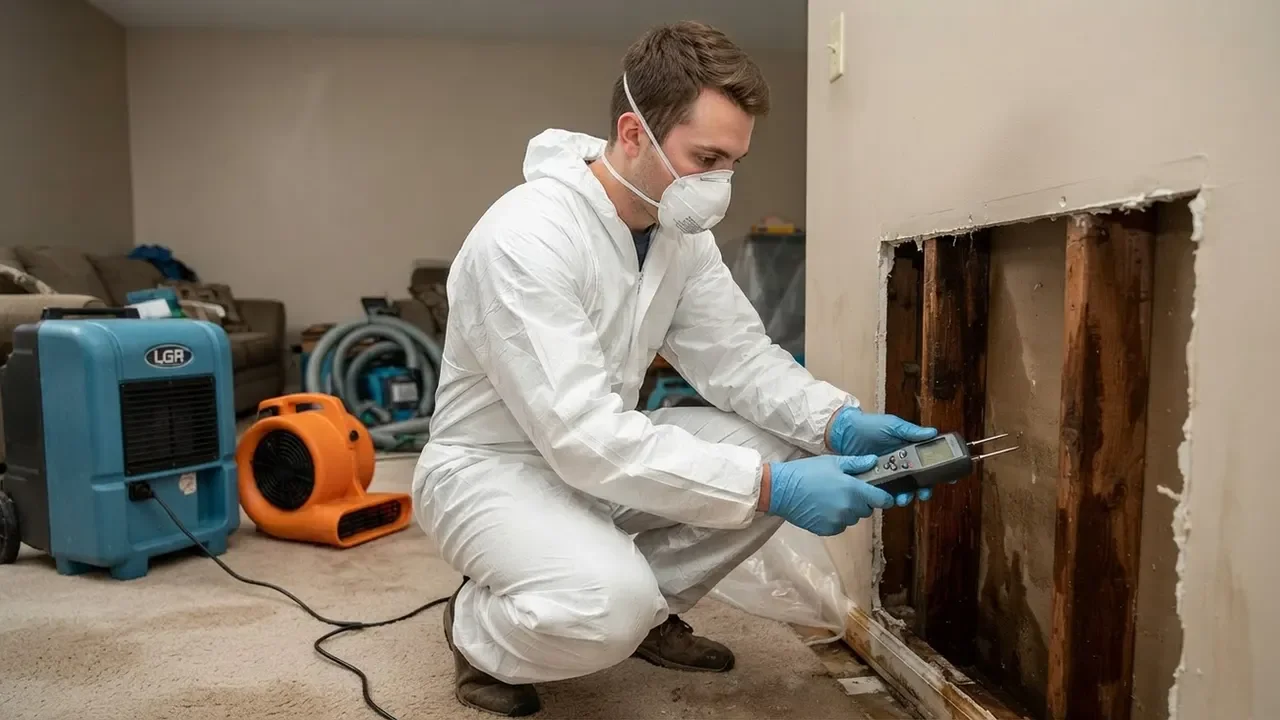
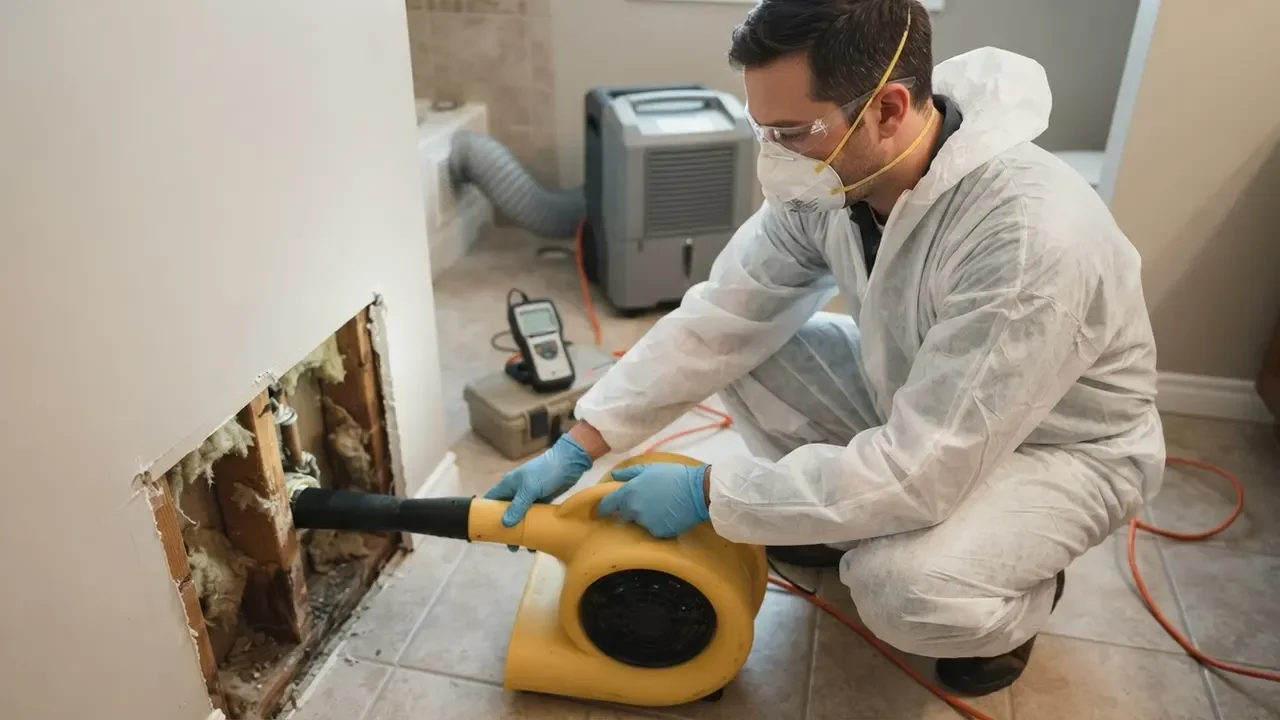
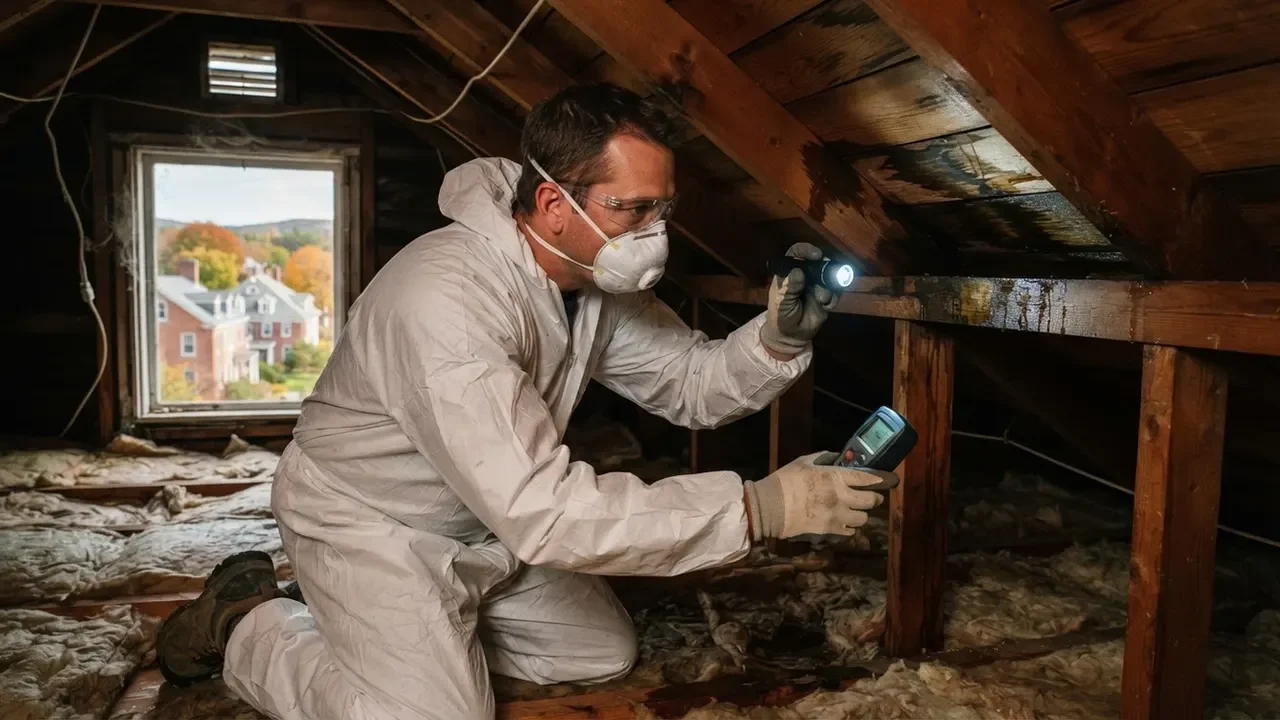
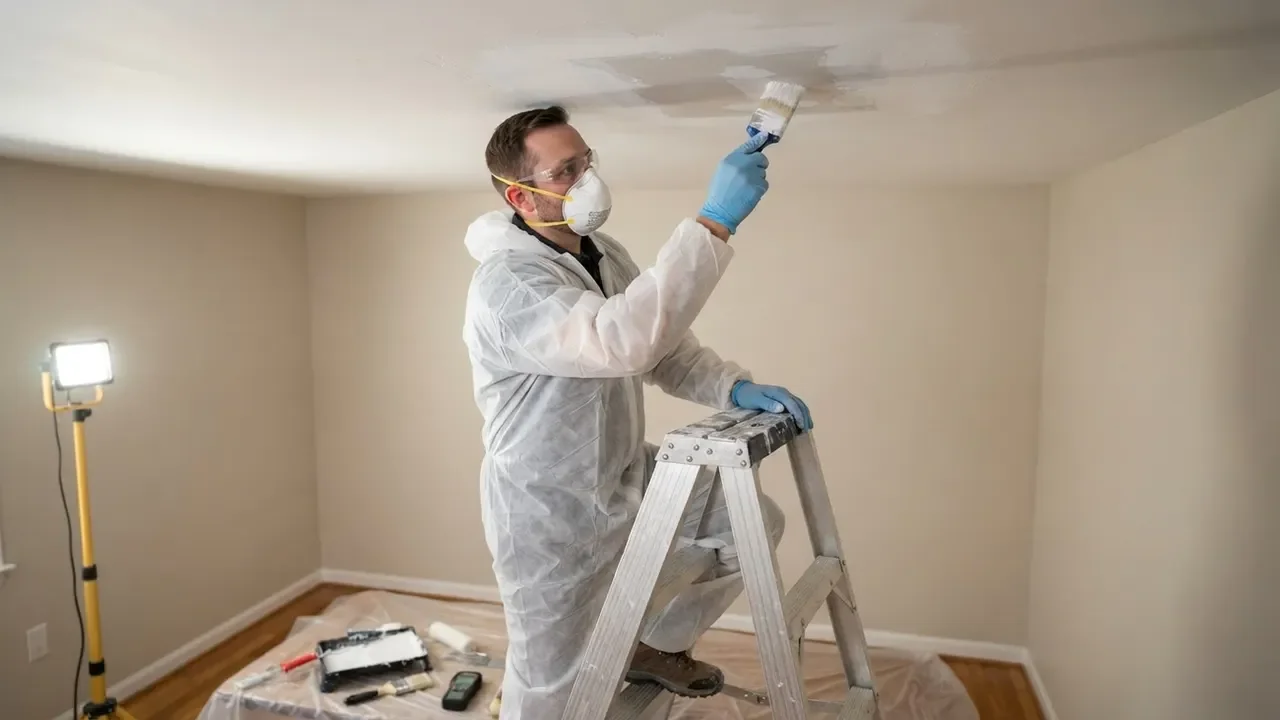
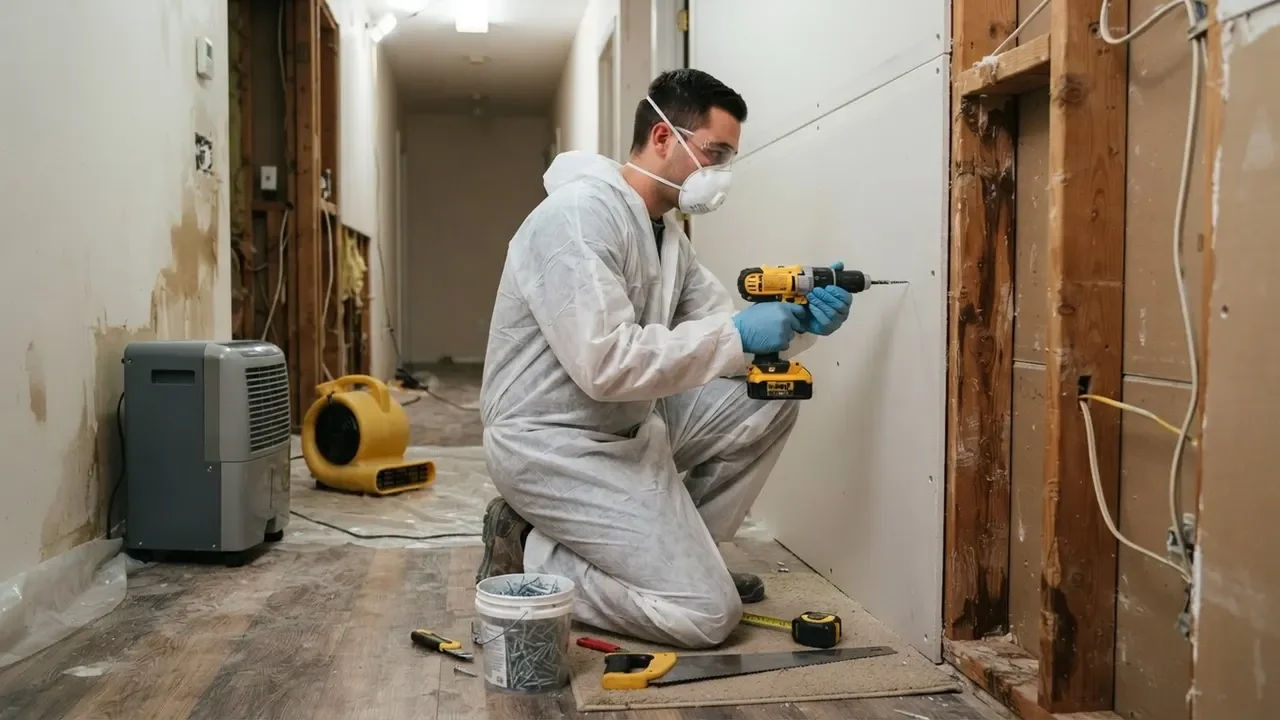




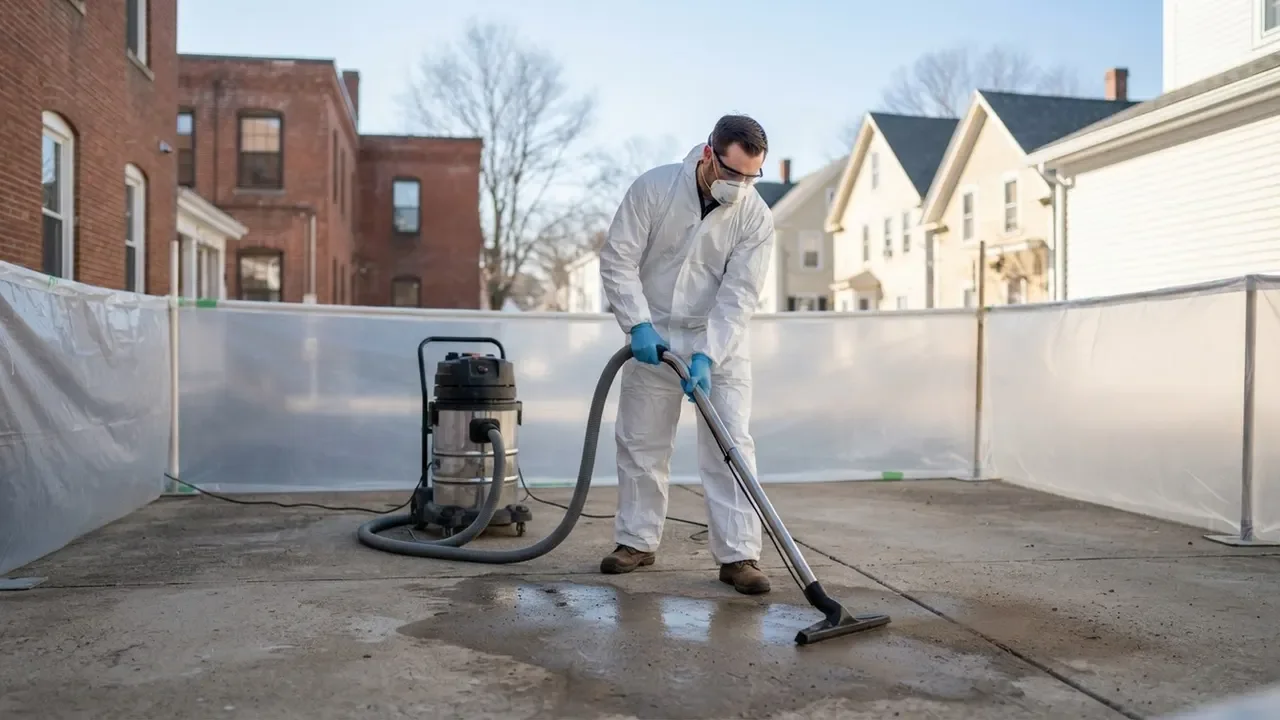

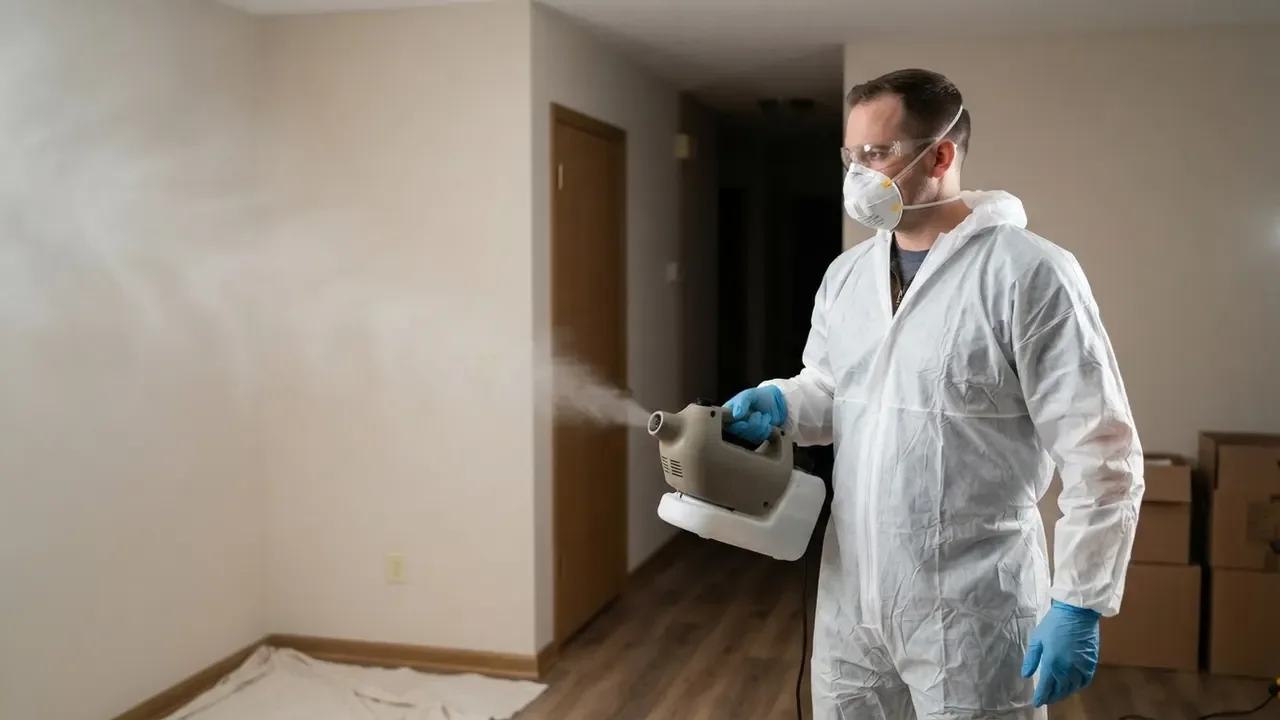



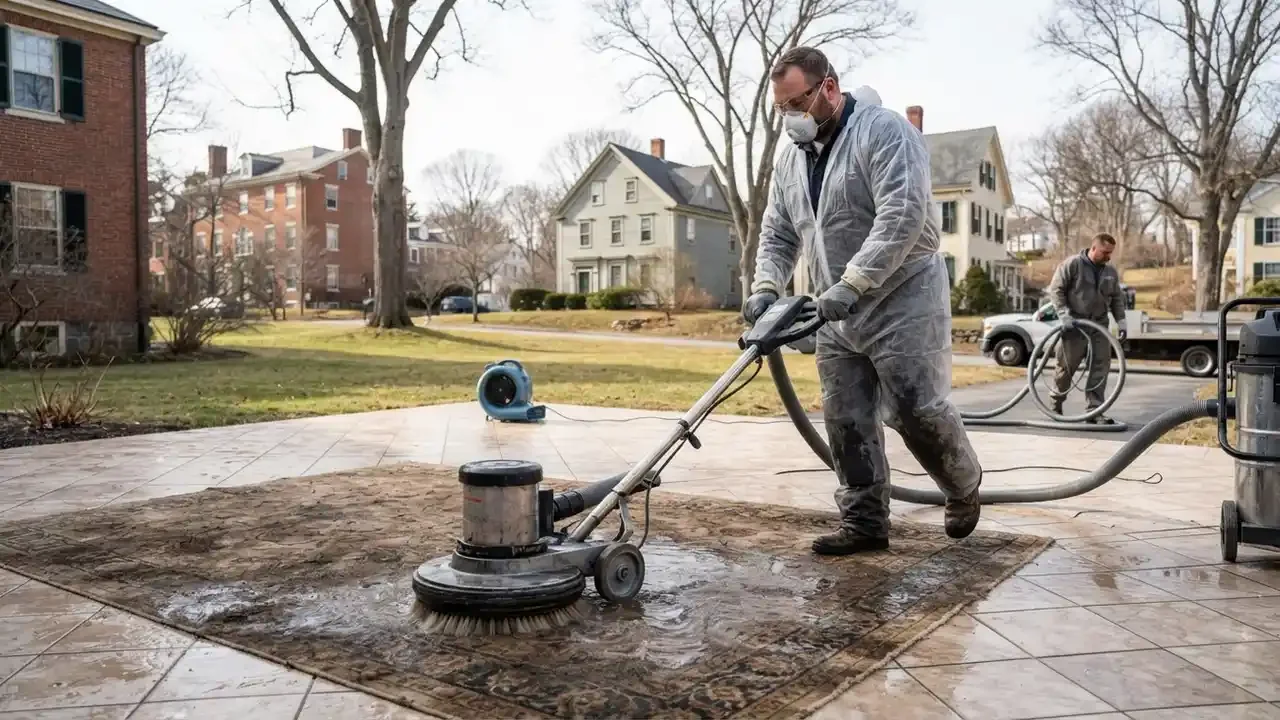

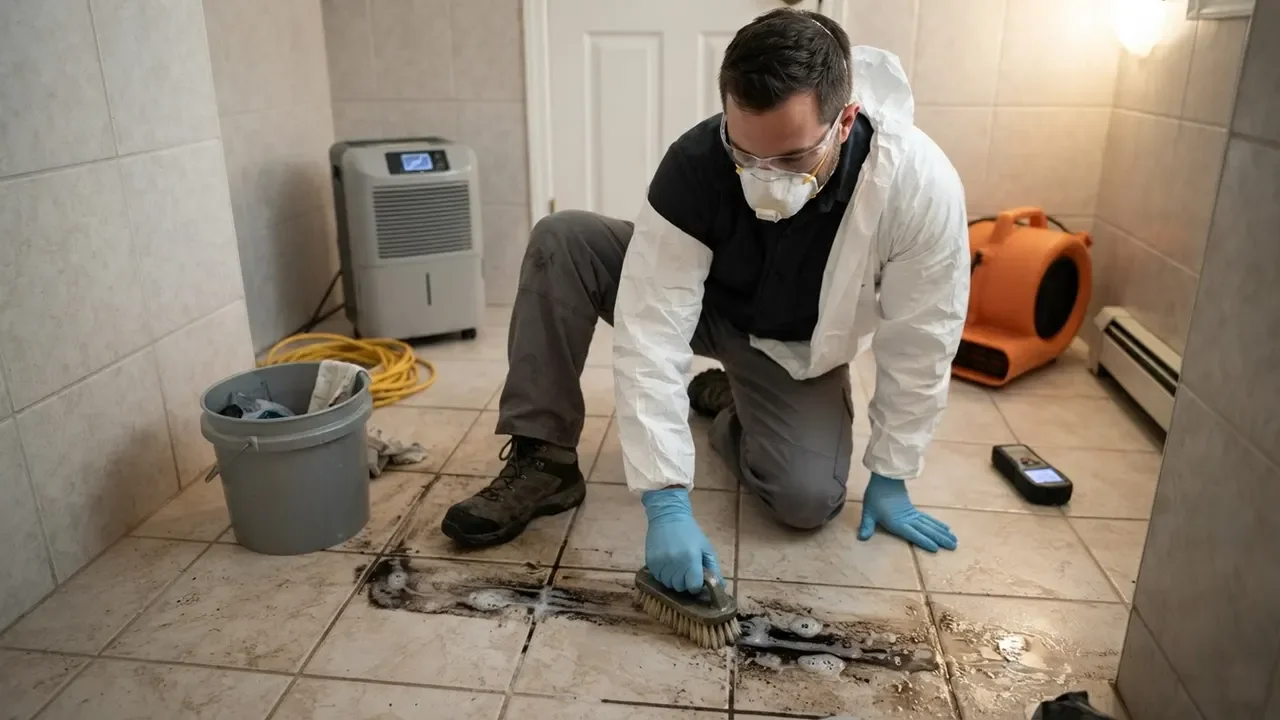
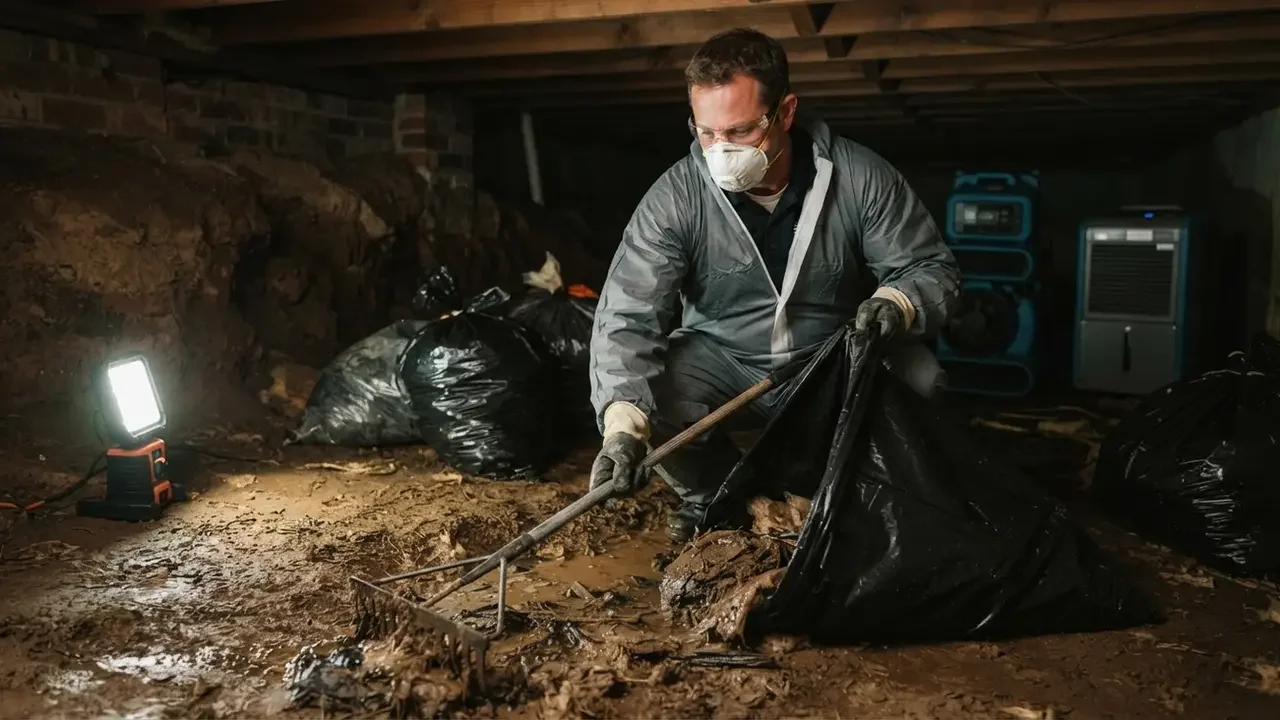
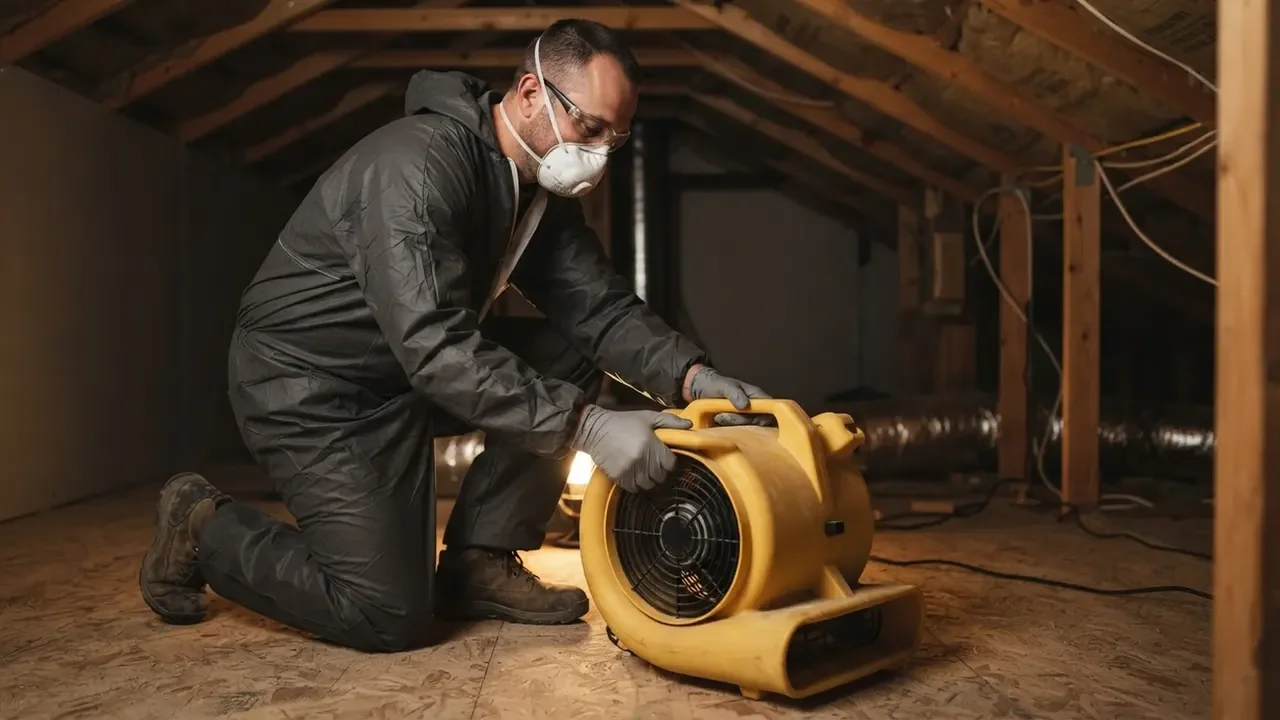
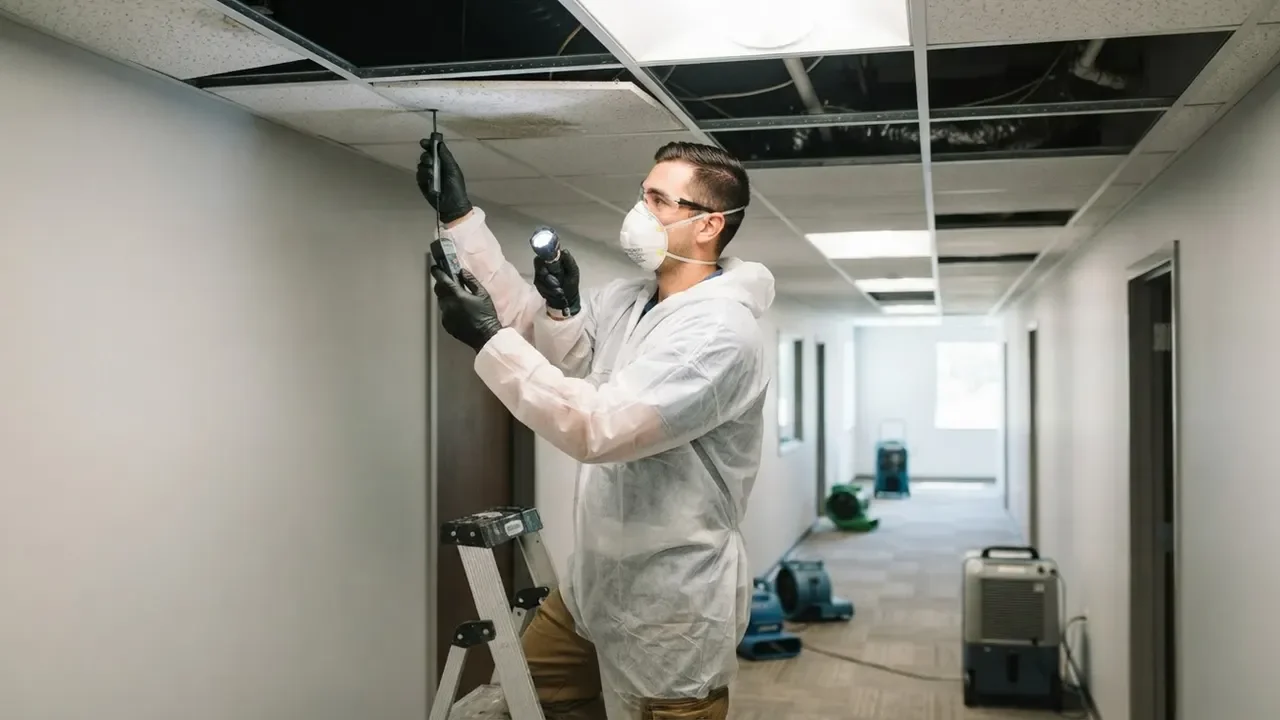
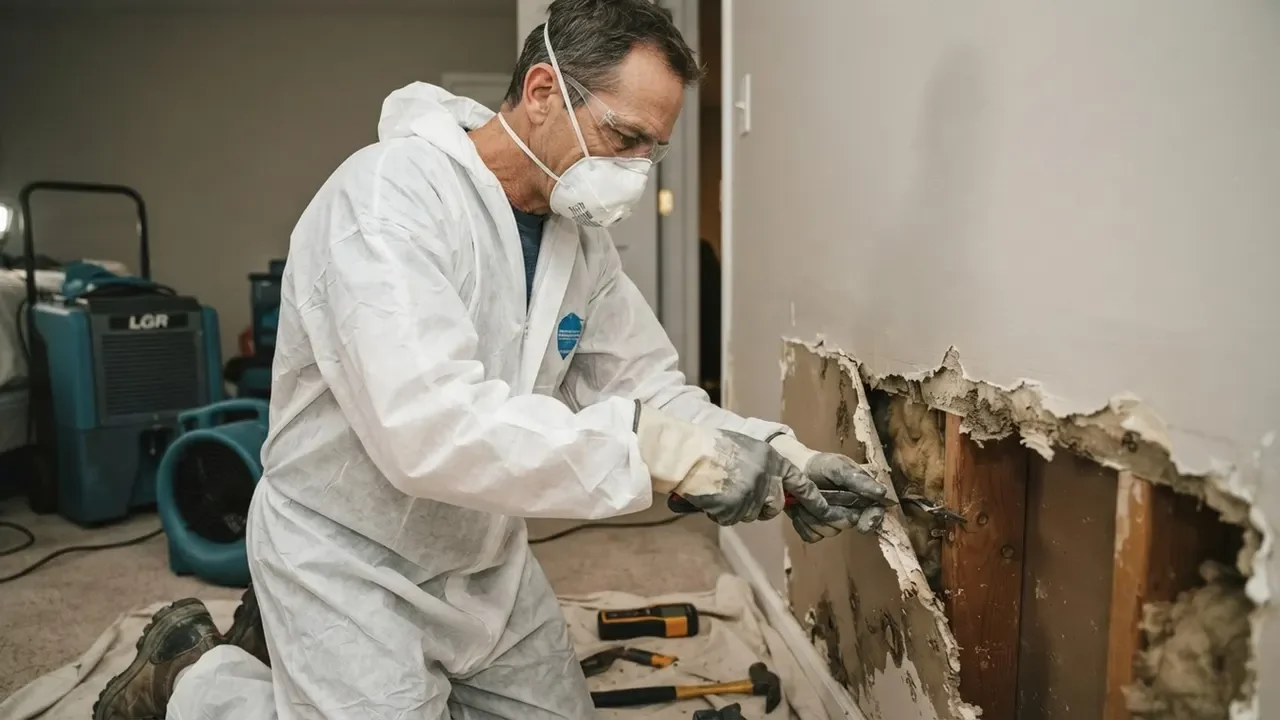
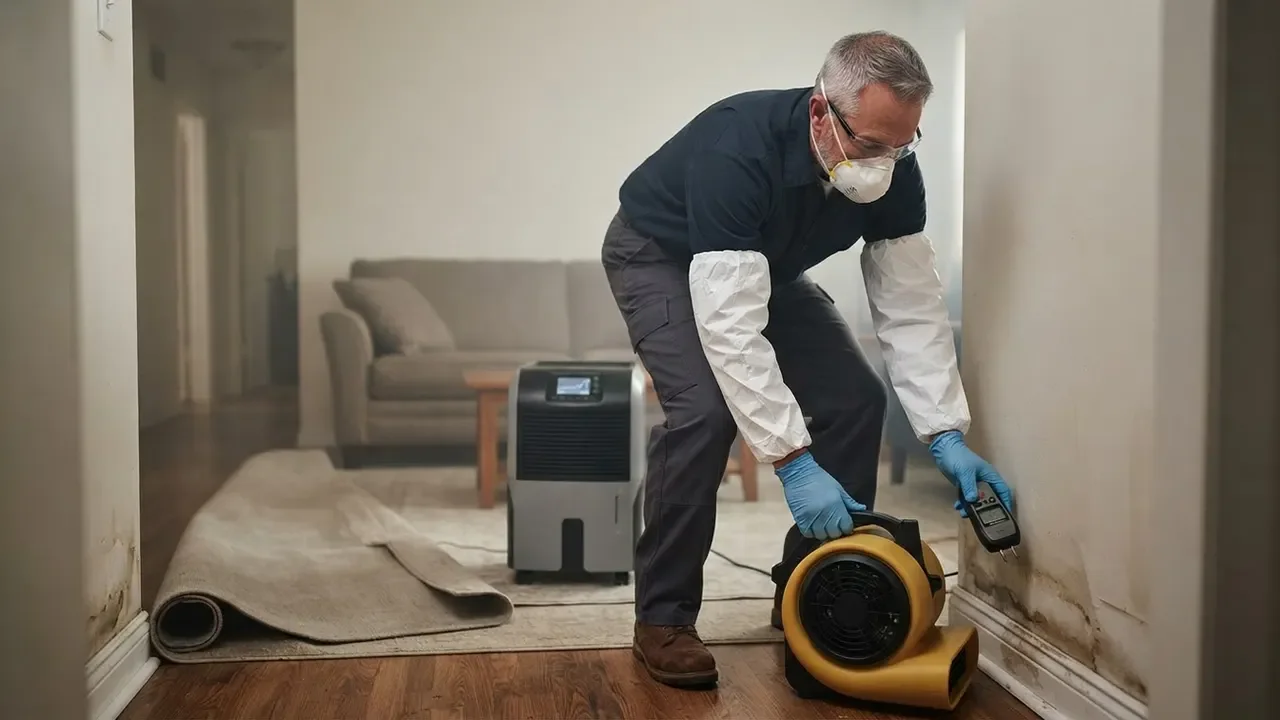
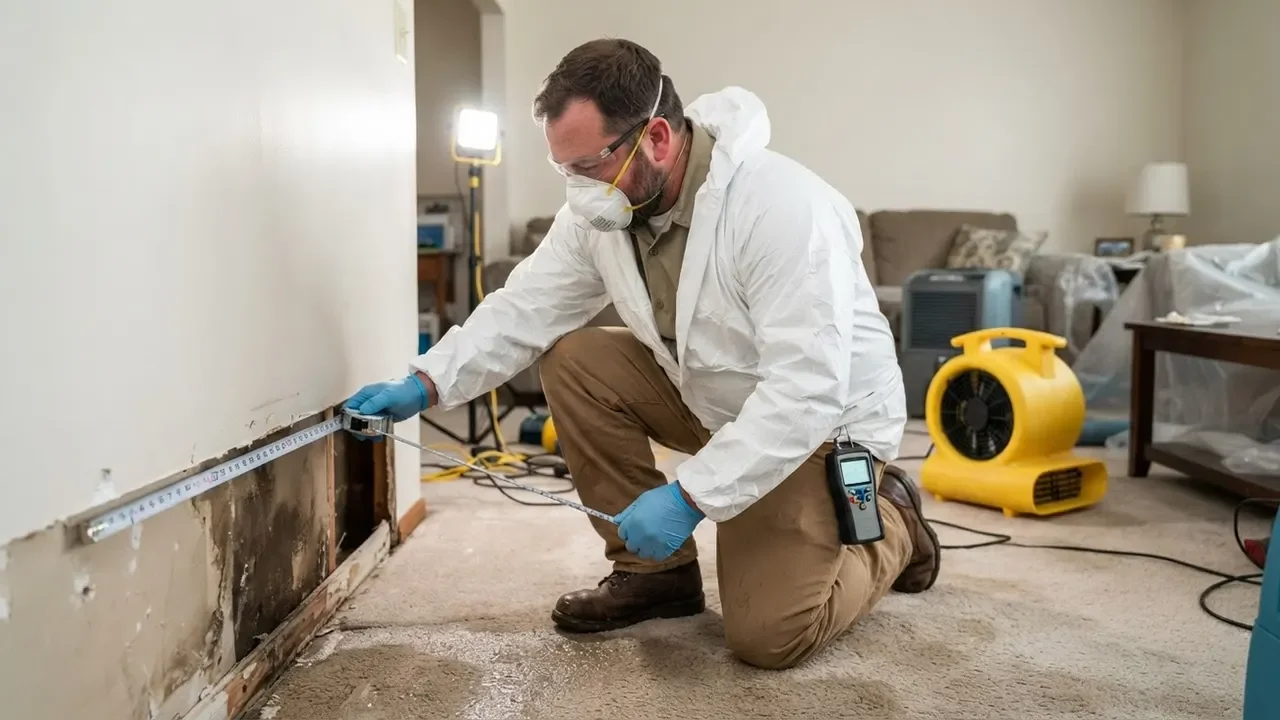
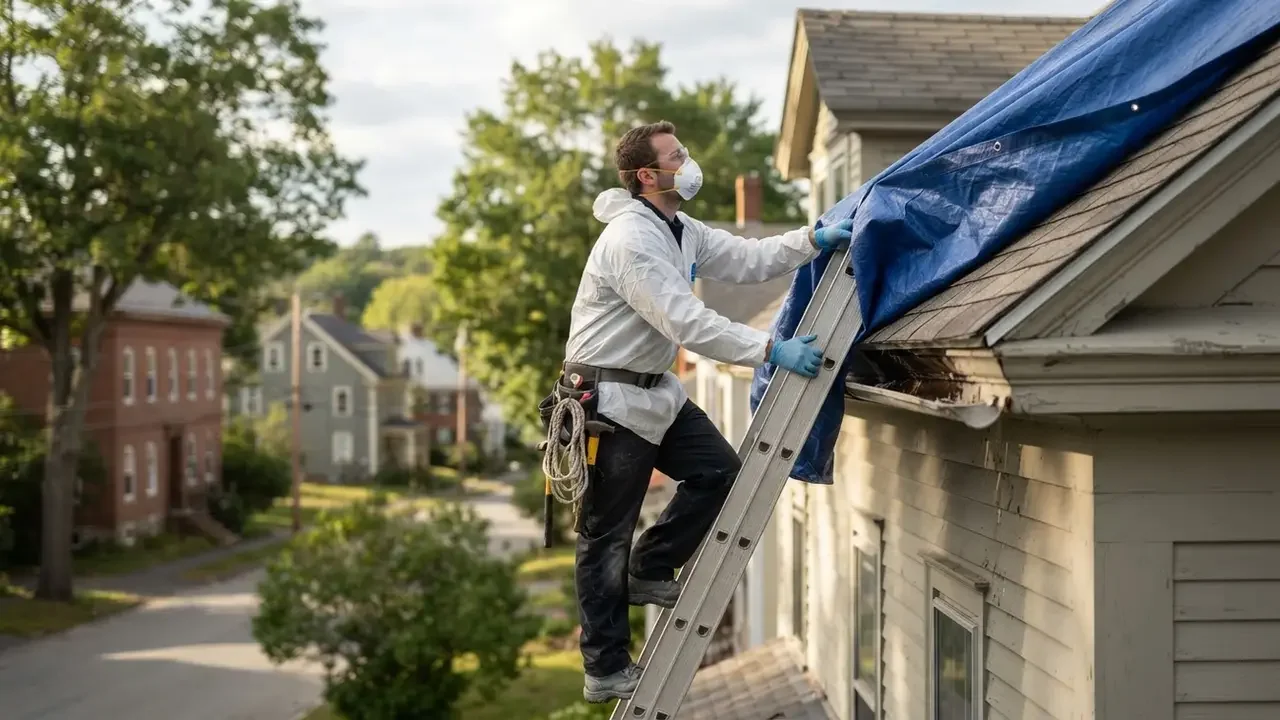
Crystal Lake's winter freezes, spring rain, and lake-adjacent conditions bring several types of water loss into homes. Older plumbing systems can develop hidden leaks, while stormwater runoff into lake-facing yards may enter lower areas after heavy precipitation. These local conditions make source identification important: basement flooding from seepage is not handled the same way as a burst pipe or sewage backup. Our inspection follows the water path and checks both visible finishes and concealed building materials.
Cold weather can freeze water in exposed or poorly protected sections of a plumbing line. When the blockage thaws, a split pipe may release water behind drywall or beneath a sink. Older plumbing systems can also have joints and routes that are difficult to see.
A high water table near lake can contribute to damp conditions at foundations, especially when surrounding ground is saturated. Moisture can appear along a floor-wall joint or through porous materials and may be mistaken for a plumbing leak if the timing is not considered.
Heavy rainfall can send runoff toward low openings and basement entries. Water may carry dirt and debris, making it important to establish the source before deciding which porous contents or finishes are safe to clean and retain.
Wind-driven rain, damaged roof details, or a compromised flashing area can let water travel along framing before it appears indoors. The stain may be small even when the attic insulation or ceiling cavity is broadly affected.
Call for water damage help in Crystal Lake when water is active, materials are soft, or a damp smell persists after a leak has stopped. A spreading ceiling stain, buckled floor, or wet insulation can point to moisture beyond the visible area. If you are searching for 24/7 water damage restoration in Crystal Lake, describe whether the water is clean, storm-related, or sewage so we can discuss the right response. Keep away from standing water near electrical equipment and do not disturb a sagging ceiling.
Ceiling stain grows after plumbing use
A stain that expands after a shower, sink, or toilet runs can indicate a continuing leak above the ceiling. Shut off the fixture if possible and arrange an inspection. A wet ceiling cavity can soften drywall and insulation, and the source may be farther from the stain than it appears.
Floorboards cup or lift at the edges
Cupping or raised hardwood edges show that moisture has entered the flooring assembly. The subfloor may also be wet, even if the surface feels mostly dry. Stop cleaning with additional water and have the affected area checked before boards are sanded or replaced.
Musty odor returns after cleaning
A recurring musty odor can come from damp carpet padding, a wall cavity, or a basement material that never fully dried. Masking the smell does not remove moisture. An inspection can trace the odor and determine whether cleaning, drying, or removal is needed.
Basement water returns after rainfall
Repeated water after rain can signal an entry point, drainage issue, or high groundwater condition rather than a one-time spill. Note where water appears and whether the sump pump runs. That pattern helps separate surface runoff from a plumbing failure.
Pipe freezes or leaks in cold weather
A frozen pipe can split and begin leaking as it thaws, including inside an exterior wall or ceiling. If you find a leak, shut off the water when safe and avoid electrical hazards. Prompt extraction and cavity checks limit the time wet materials remain in place.
We use familiar Crystal Lake references to confirm addresses and avoid confusion between nearby streets. Crystal Lake Park, Ayers Village Elementary School, and Rosemont Cemetery can help orient a caller describing a nearby location, but they are navigation references only. Share your street number, street name, and ZIP code when you call. Addresses in 01830 and 01835 help us verify the service area and direct the crew to the correct entrance.
The lake is a central geographic reference for callers describing nearby roads or lakefront properties. Giving us your street name as well as the lake reference helps distinguish the exact service address.
Ayers Village Elementary School is a useful orientation point when a caller is locating an address along Ayers Village Road. We use it only to clarify directions, not to imply service work at the school.
Rosemont Cemetery provides a recognizable reference for confirming nearby street directions around Rosemont. Callers should still provide their full address so the crew can navigate to the property entrance.
Crystal Lake Park is a local orientation reference when confirming which side of the lake or nearby road a caller means. It helps clarify directions but does not identify a service location.
Plus surrounding Essex County neighborhoods, with same-day routing on most appointments.
November brings colder nights and the first hard-freeze concerns, so Crystal Lake homeowners should pay attention to plumbing near exterior walls and unheated areas. Winter pipe failures can continue leaking after a line thaws. Spring rain can raise groundwater and send runoff toward lower entrances; summer storms can damage roofs, while fall leaves can obstruct drainage paths. If active water enters your home, call for emergency water damage restoration in Crystal Lake Massachusetts and explain where it is coming from. Seasonal prevention helps, but it cannot replace a prompt response to a leak.
Spring rain and snowmelt can saturate soil and raise moisture around foundations. In Crystal Lake, watch basement floor-wall joints, lower storage areas, and sump pump operation. Water that appears in the same location after each storm deserves a source and entry-point assessment.
Tip: Clear accessible exterior drains and test your sump pump before prolonged rain. If water enters, photograph the area, move belongings off the floor, and call before repeatedly sweeping water back toward the same wet edge.
Summer storms can bring wind-driven rain, roof leaks, and short periods of intense runoff. A ceiling stain or wet attic insulation may appear after the storm has passed. Humid indoor conditions can also slow drying when a room has already taken on water.
Tip: After a storm, check ceilings and accessible attic areas without stepping on unsafe surfaces. Place a container under an active drip if safe, protect belongings, and call for inspection if the stain grows or drywall softens.
Fall brings cooling temperatures and changing rainfall, making it a useful time to check exposed pipes, roof details, and basement drainage. Leaves and debris can obstruct drainage paths around a property, allowing water to collect near lower openings during heavy rain.
Tip: Before freezing weather, identify the main water shutoff and keep vulnerable areas warm. If you find a slow leak, address it before the heating season makes access more difficult and the damage spreads into finished materials.
Winter is the leading concern as November temperatures drop: frozen pipes can split in exterior walls, crawl spaces, and unheated rooms. A thaw can release water without warning. Watch for reduced flow, frost near a pipe, ceiling stains, or unexplained water near plumbing.
Tip: Keep heat consistent, open cabinet doors around vulnerable plumbing during severe cold, and know where your shutoff is. If a pipe freezes or bursts, shut off water when safe and call for extraction and moisture inspection.
Crystal Lake is one part of our Haverhill service area in Essex County. We also serve neighboring communities and districts, coordinating restoration calls across the Merrimack Valley. If a property manager handles buildings in more than one area, we can discuss the affected addresses and keep each job's documentation organized. Nearby coverage complements our local response without changing the inspection steps your Crystal Lake property needs.
(City)
Downtown Haverhill is part of the same local service region; callers can provide the property address to confirm routing from Crystal Lake.
View Downtown Haverhill(City)
Riverside is another Haverhill service area. We coordinate calls there alongside Crystal Lake jobs according to the property address and work required.
View Riverside(City)
Mount Washington shares the broader Haverhill coverage area with Crystal Lake; a full address helps us identify the correct service location.
View Mount Washington(City)
Bradford is within our Haverhill-area service coverage, allowing property owners with sites in both areas to contact one restoration team.
View Bradford(City)
Ward Hill is served from the same regional operation. We confirm address details and the type of water loss before dispatch planning.
View Ward Hill(City)
Highlands is another nearby Haverhill district within our service region, alongside Crystal Lake and other local neighborhoods.
View HighlandsReal answers from our team for the questions we hear most often before a job starts.
A burst pipe, flooded basement, or ceiling leak needs a clear first move. Call Haverhill Water Damage Restoration at (833) 546-4116 and tell us your Crystal Lake address, what caused the water, and whether it is still active. Our 24/7 emergency line helps you reach the right response for your property. We serve homes and businesses across Crystal Lake, including 01830 and 01835.
Call (833) 546-4116 when water is entering your home or business, or when a damp room needs inspection. Our referral line is available 24 hours a day to connect you with independent companies serving Haverhill, MA, including areas near 01831 and 01835. Tell us what happened, where the water is, and whether it is still flowing.
Phone
(833) 546-4116Address
Haverhill, Massachusetts
Hours
Mon–Fri: 7AM – 7PM
Sat: 8AM – 4PM
Sun: Emergency Only
24/7 Emergency Available