Haverhill Water Damage Restoration
Call (833) 546-4116

Water Damage Restoration in Main Street District

Haverhill Water Damage Restoration handles water damage restoration in Main Street District, from a frozen pipe on Main Street to water entering a historic brick building near Merrimack Street. Our crew removes standing water, checks affected materials, and sets a drying plan for your property. Main Street District water damage restoration starts with finding the water source and limiting damage to floors, walls, and belongings.

Call for Help Request Service
Emergency response Service ZIP codes Local coverage
24/7 Emergency Same-Day Response
Warranty Backed Workmanship Guaranteed in Main Street District
Main Street District

Water Damage Restoration in Main Street District


water damage restoration in Main Street District is a property recovery service that removes unwanted water, dries affected materials, and repairs damage after leaks, flooding, or backups. In the Main Street District, older plumbing systems, shared walls, and historic brick buildings call for a careful inspection before drying equipment is placed. We serve properties along Main Street, Washington Street, Emerson Street, and Essex Street, including homes, apartments, storefronts, and offices. Our first visit identifies the water source, maps moisture, and records visible damage so the work starts with facts rather than guesswork.

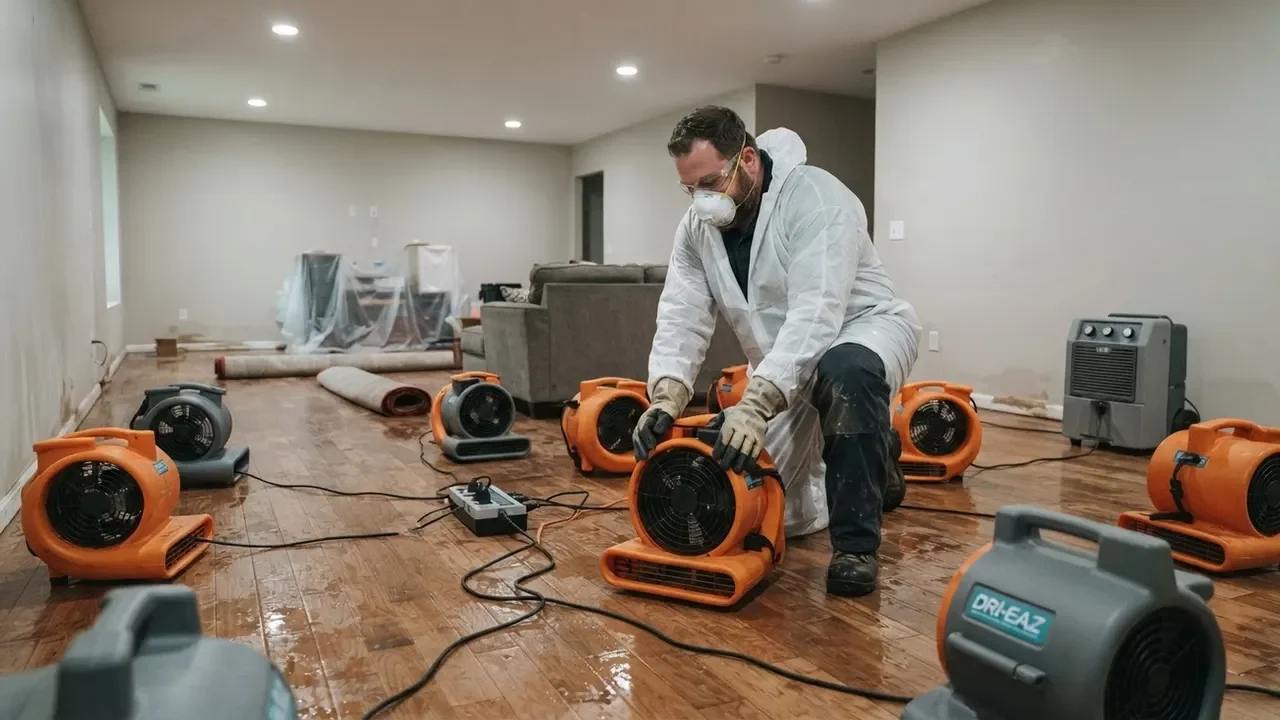
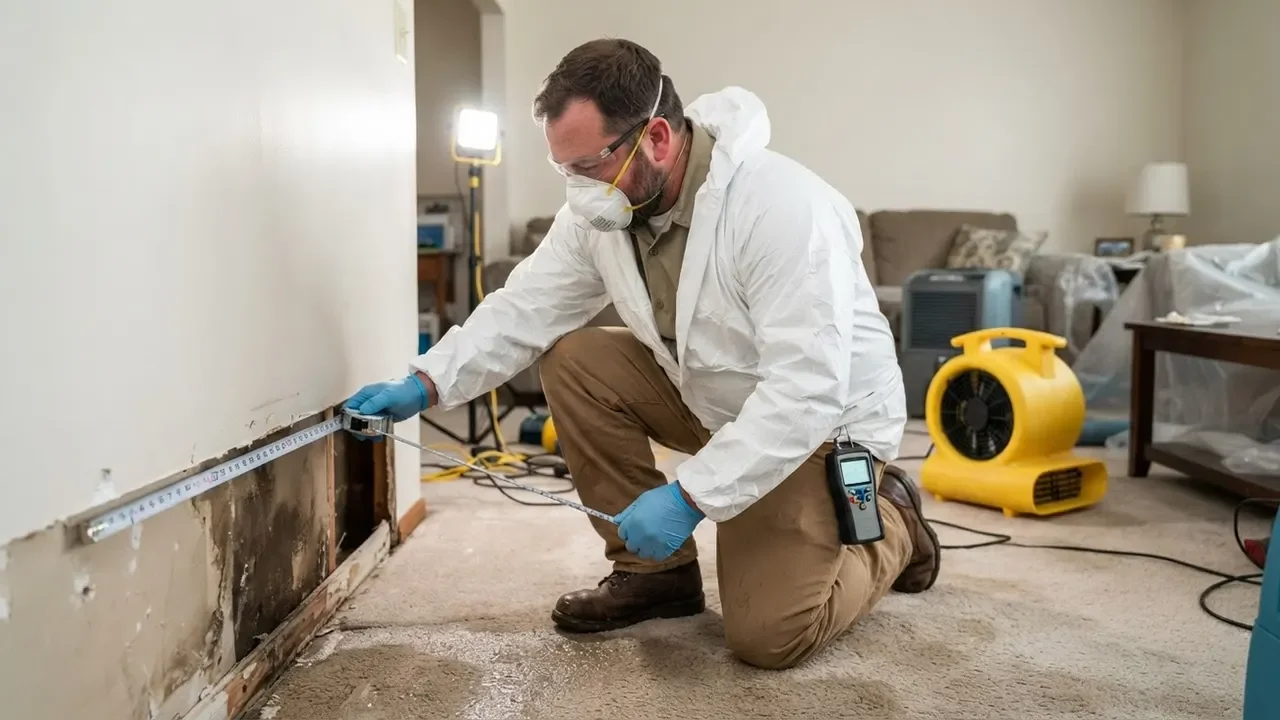
Haverhill Water Damage Restoration provides water damage restoration near Main Street District for burst pipes, roof leaks, basement flooding, and sewage backups. We check the affected rooms and adjoining areas, including units connected by shared walls. A moisture meter helps track readings in drywall and flooring, while an extraction wand removes water from carpet and hard surfaces. We set air movers and a dehumidifier according to the materials and measured conditions, then check progress during drying.

Our service area includes ZIP codes 01830, 01832, and 01835, with coverage across Haverhill and Essex County. If you call about a wet ceiling, a musty room, or a leak that has reached a lower floor, we explain the immediate steps and arrange the appropriate service. Call (833) 546-4116 for emergency help.

  • Serving Main Street District
  • Same-day diagnostics and written estimates
  • Real workmanship warranty in writing
  • Background-checked, in-house technicians

Main Street District Water Damage Services

Water damage in Main Street District ranges from a small supply-line leak to water spread across adjoining rooms or floors. Our team handles extraction, drying, cleanup, and repairs according to the source and the materials affected. If you are searching for water damage restoration near me Main Street District MA, tell us where the water is, when it started, and whether the source is shut off. Those details help us prepare the right equipment and protect the route into your property.

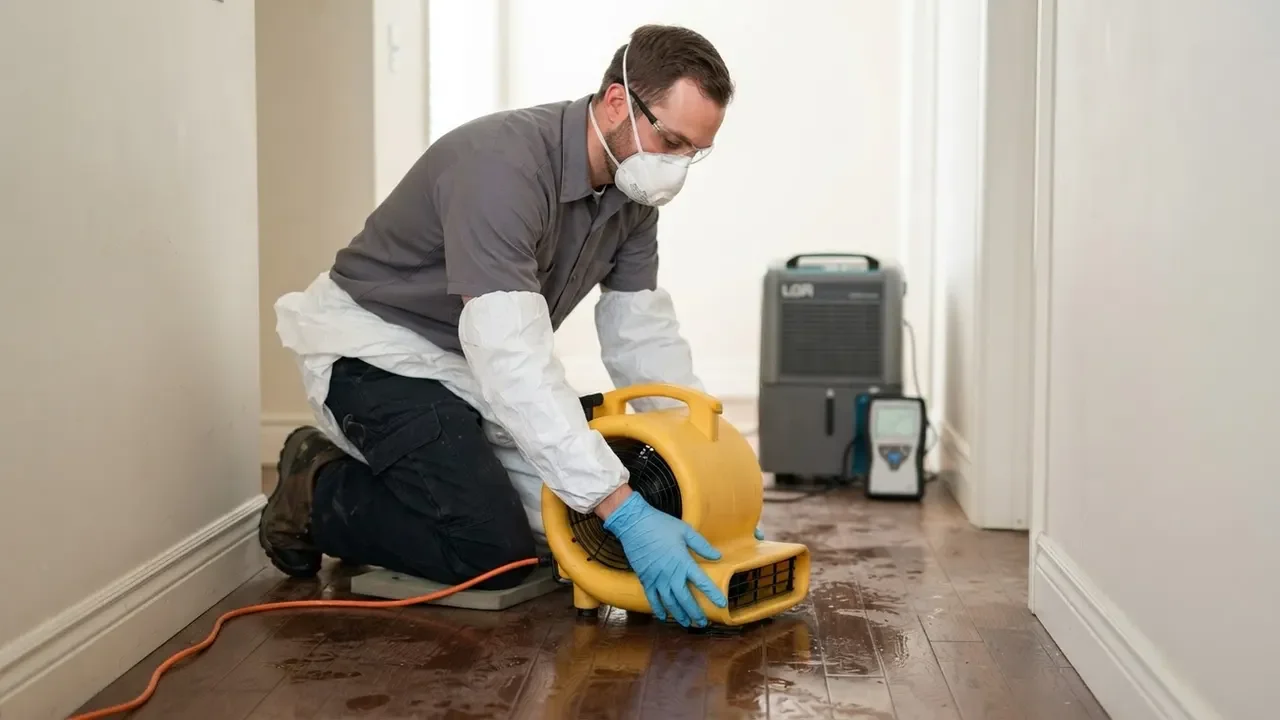
Water Damage Restoration in Haverhill: restoration technician setting up an axial air mover to direct airflow across a damp

Water Damage Restoration

We inspect the affected rooms, stop further water entry when possible, remove water, and dry building materials. In Main Street District, we account for older plumbing and shared walls, checking beyond the obvious wet spot so moisture does not remain behind baseboards or under flooring. You receive a clear sequence of work from emergency mitigation through repair.

View Details
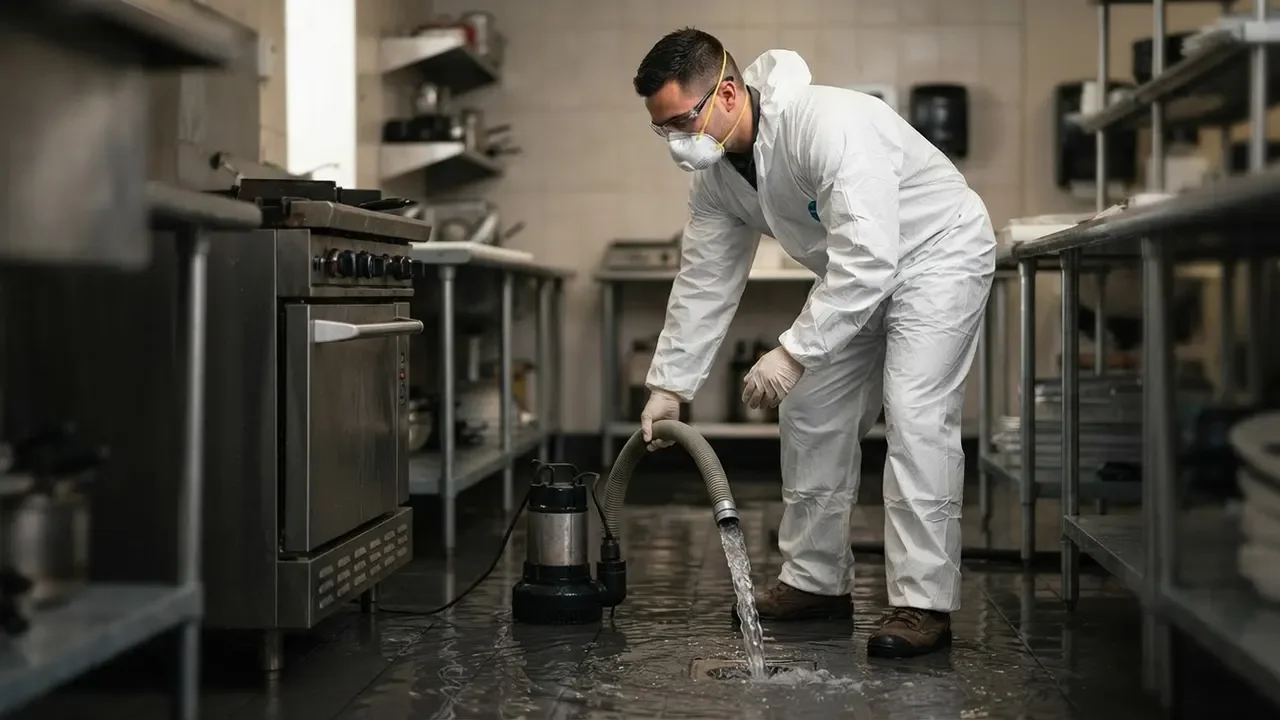
Emergency Water Extraction in Haverhill: restoration technician using a submersible pump to quickly remove a significant

Emergency Water Extraction

Standing water needs prompt removal before it spreads into flooring and lower wall sections. We use extraction equipment suited to the room, then check adjacent spaces along Main Street and nearby blocks when water has crossed a threshold or traveled through a shared assembly. Tell us whether the water is clean, contaminated, or still entering.

View Details
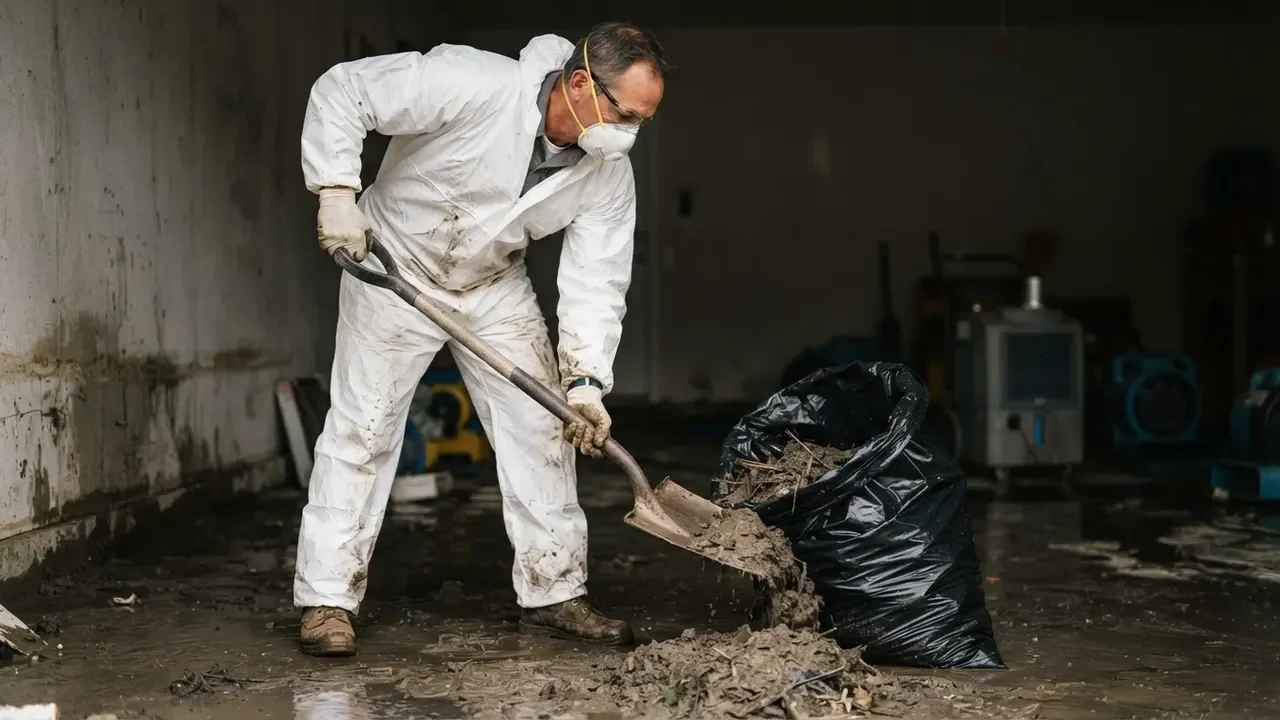
Flood Cleanup in Haverhill: restoration technician shoveling mud and debris into heavy-duty waste bags from a flooded garage

Flood Cleanup

For floodwater inside a Main Street District property, we separate water removal from cleaning and drying so each step is handled properly. Our crew assesses the water source, removes affected contents where practical, and cleans contacted surfaces. We also identify materials that need removal rather than cosmetic treatment, particularly after contaminated water exposure.

View Details
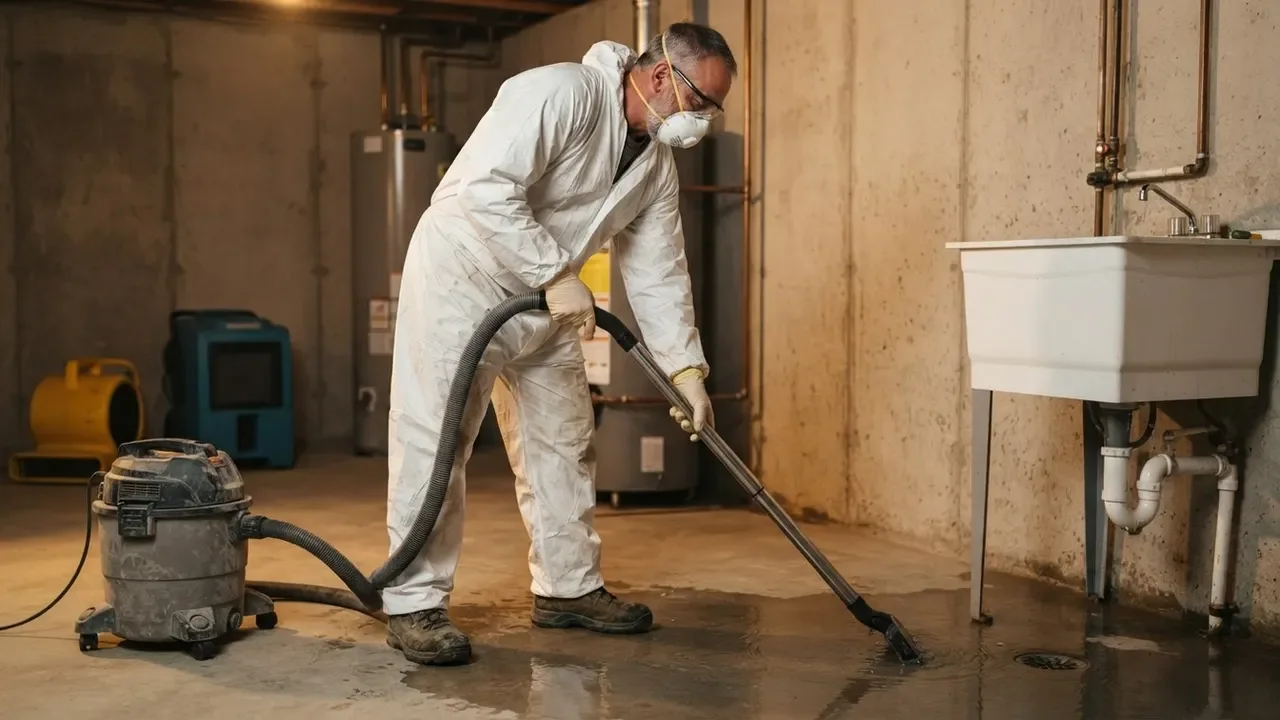
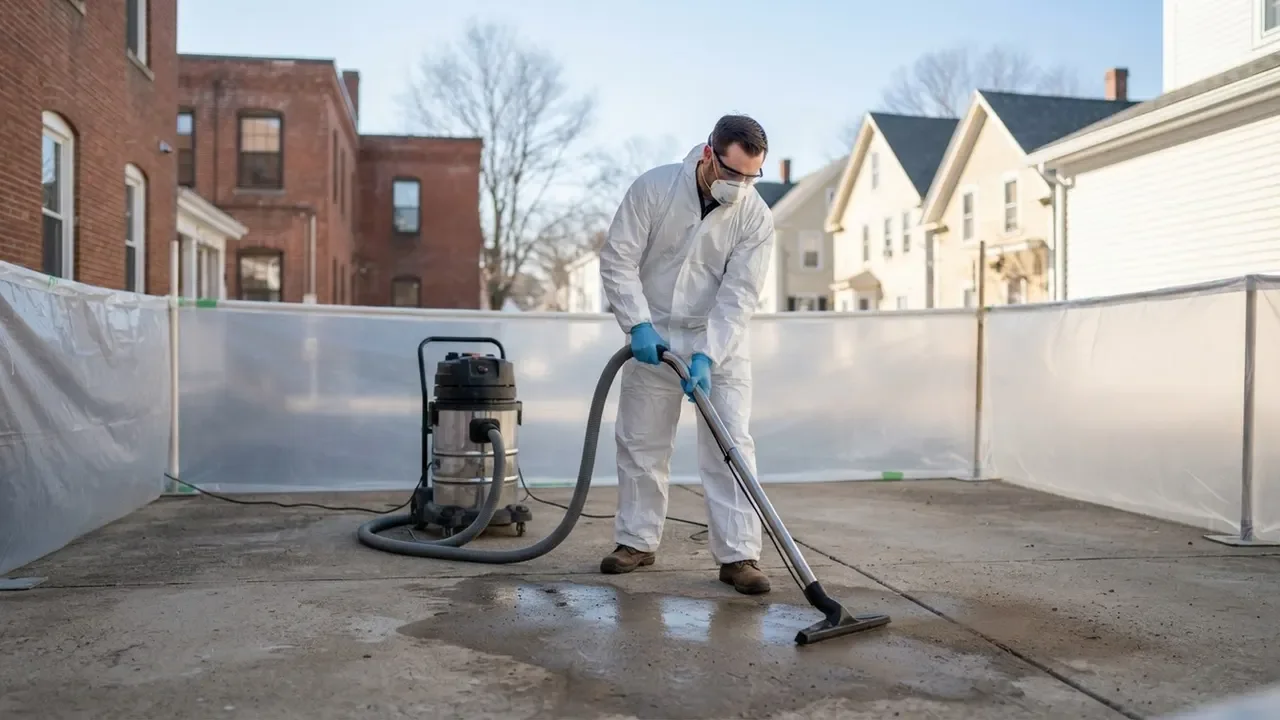
Basement Water Removal in Haverhill: restoration technician using a wet/dry vacuum to remove residual water from a basement

Basement Water Removal

Basement water can reach stored belongings, utilities, and finished surfaces before it is visible upstairs. We remove standing water, check the lower wall and floor perimeter, and assess the route water took into your building. For basement water removal in Main Street District MA, we also consider drainage, sump operation, and signs of recurring seepage.

View Details
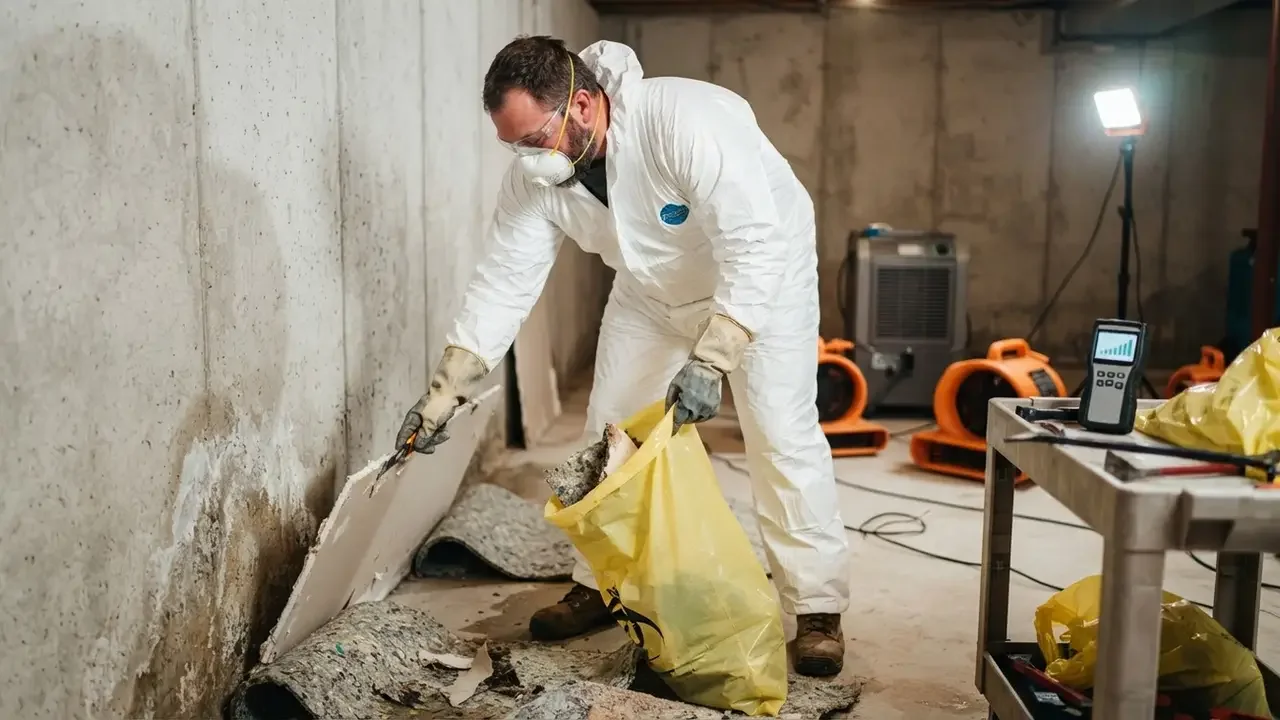
Sewage Backup Cleanup in Haverhill: restoration technician in full PPE carefully removing and bagging contaminated porous

Sewage Backup Cleanup

A sewage backup calls for controlled cleanup, not ordinary mopping. We isolate the affected area, remove contaminated water and unsalvageable porous materials as needed, and clean surfaces using procedures appropriate to the contamination. In dense Main Street District buildings, we pay attention to connected rooms and shared access so occupants can avoid contact during cleanup.

View Details
Storm Damage Restoration in Haverhill: restoration technician using a moisture meter to check the moisture content of a wall

Storm Damage Restoration

Wind-driven rain and roof openings can wet ceilings, walls, and floors in a short time. We document visible damage, remove water, and arrange temporary protection such as emergency board-up or tarping when needed. On Main Street District properties, we look for water paths around roof penetrations, masonry joints, and upper-floor openings.

View Details
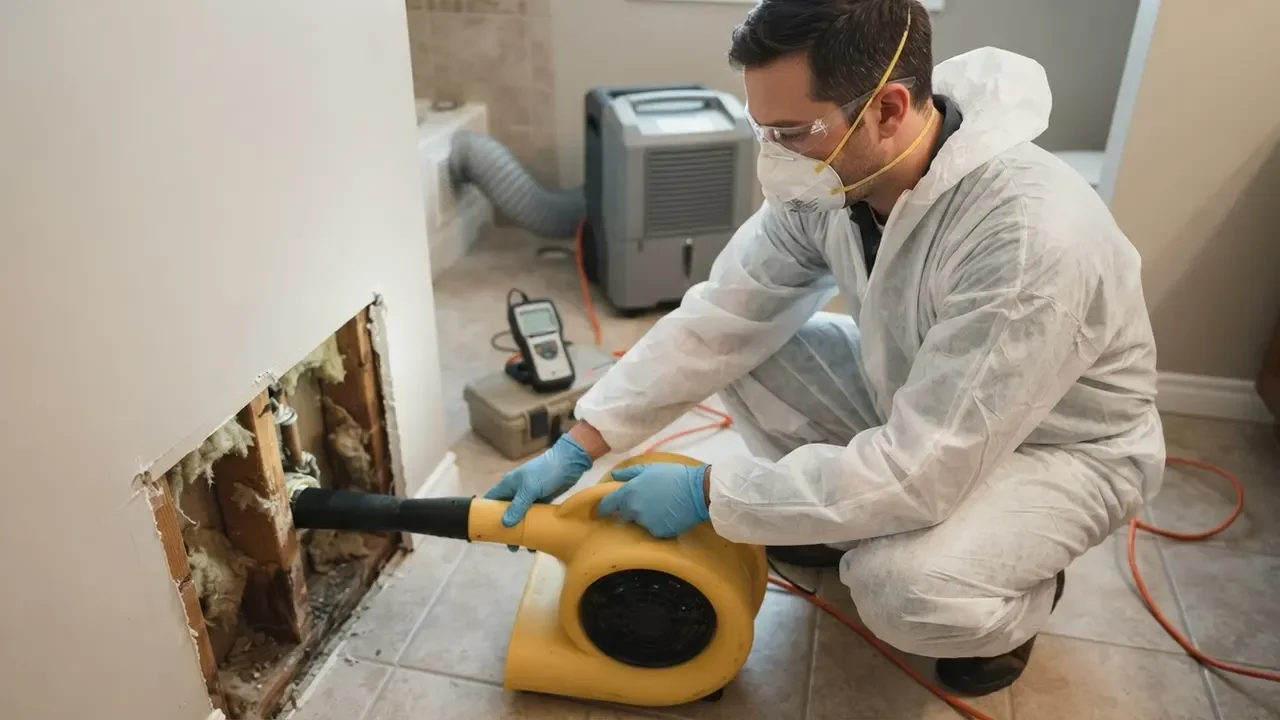
Burst Pipe Repair and Cleanup in Haverhill: restoration technician setting up a targeted air mover to dry a wall cavity in a

Burst Pipe Repair and Cleanup

A burst pipe can soak several rooms before the water is shut off, especially during cold Haverhill winters. We help contain the damage, extract water, and dry affected areas after the plumbing source is controlled. We check nearby wall cavities and flooring because water can travel beyond the room where the pipe failed.

View Details
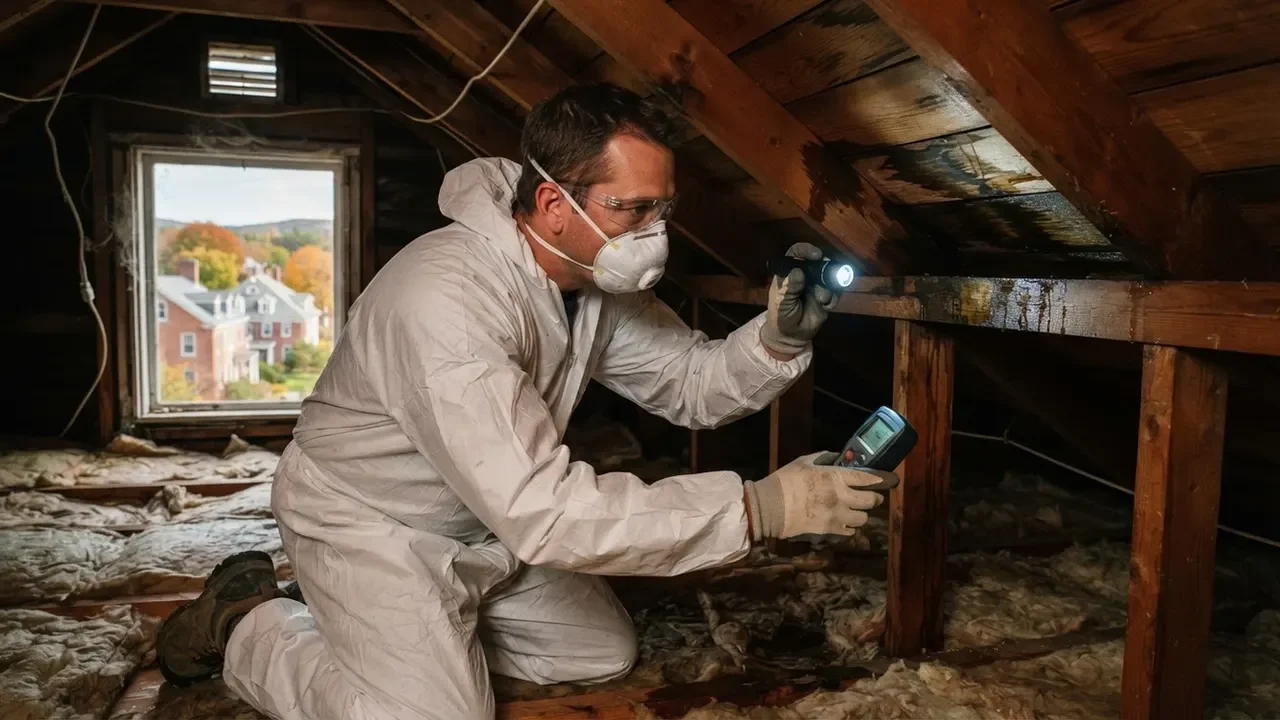
Roof Leak Water Damage Repair in Haverhill: restoration technician inspecting water stains on an attic ceiling joist

Roof Leak Water Damage Repair

A roof leak may first show as a ceiling stain near a window, chimney, or roof transition. We trace the interior water path, remove wet materials where required, and dry the structure before repairs conceal it. In Main Street District's older buildings, we document affected ceilings and adjoining walls instead of treating the stain alone.

View Details
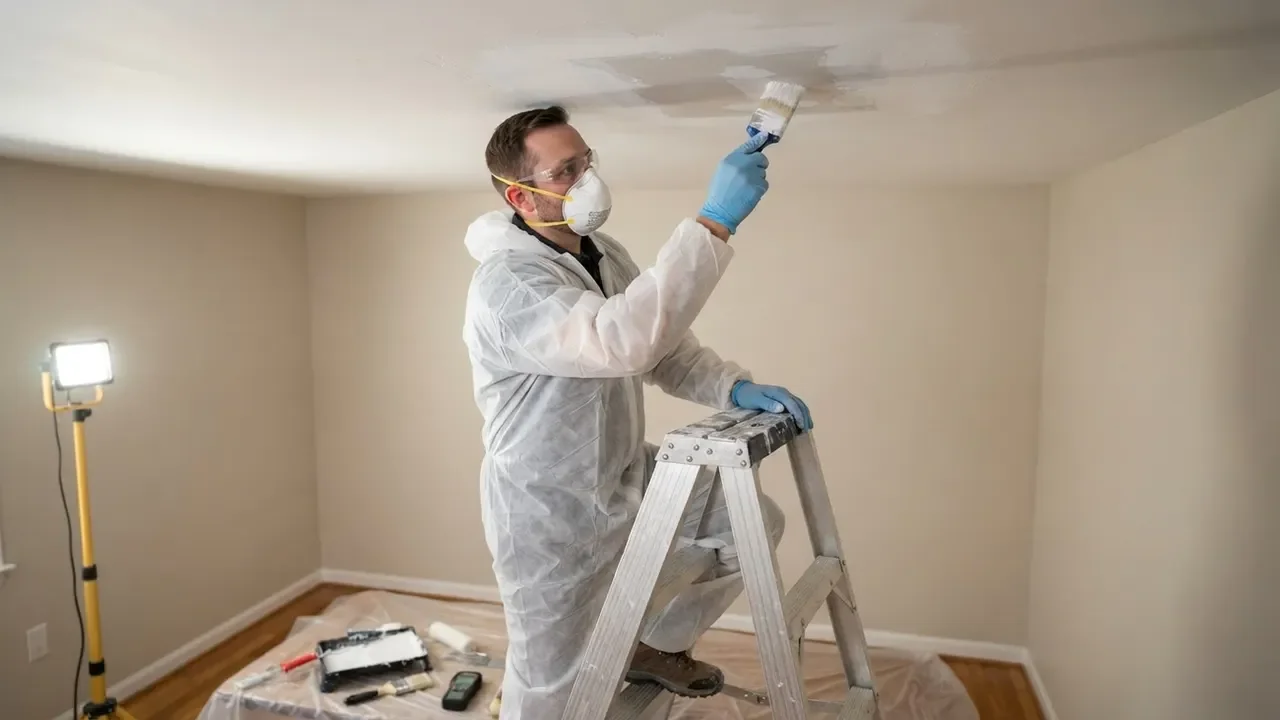
Ceiling Water Damage Repair in Haverhill: restoration technician applying a primer to a dried, repaired section of a

Ceiling Water Damage Repair

A sagging ceiling or spreading stain needs assessment before anyone cuts or paints the surface. We check whether water is still present above the ceiling, protect the room, and remove compromised material when necessary. Our process helps distinguish a contained leak from moisture that has traveled into upper-floor framing or a neighboring unit.

View Details
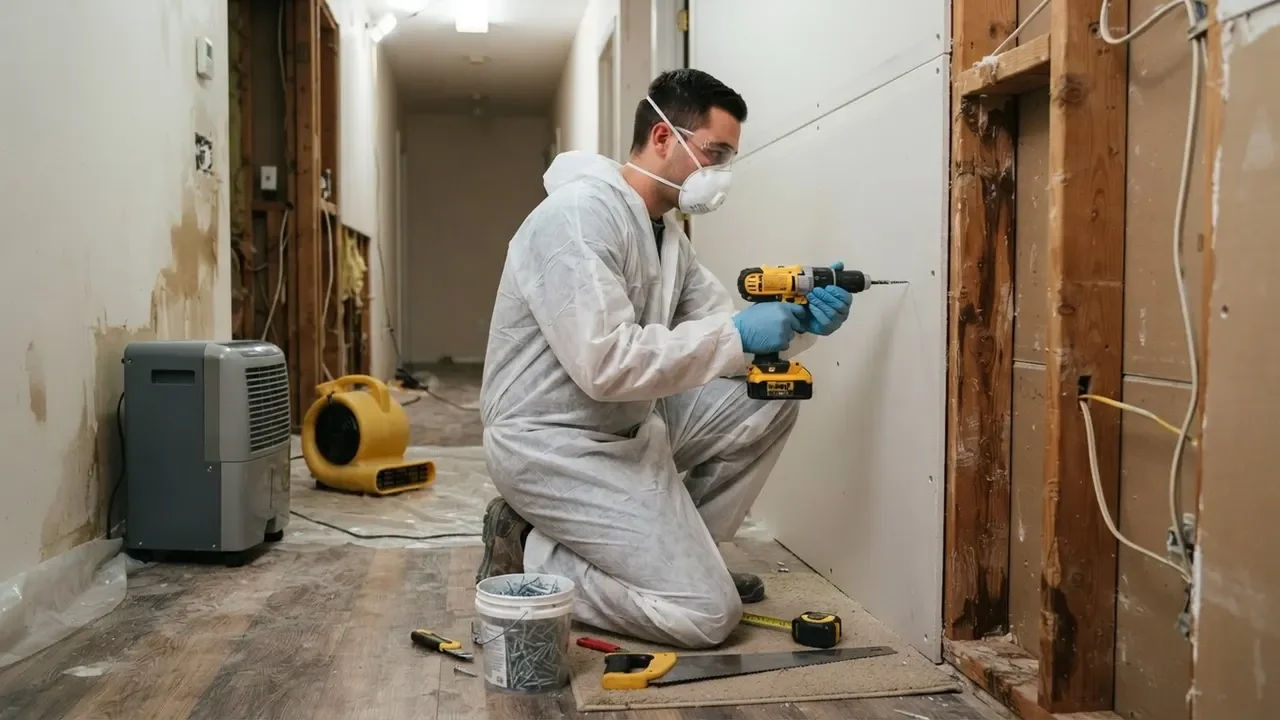
Drywall Water Damage Repair in Haverhill: restoration technician installing a new section of drywall into a previously

Drywall Water Damage Repair

Wet drywall can conceal moisture in insulation and framing, especially where apartments share walls. We measure the affected area, determine whether drying or removal is appropriate, and avoid closing the wall until readings support that step. This keeps Main Street District repairs focused on the actual wet zone rather than a surface patch alone.

View Details
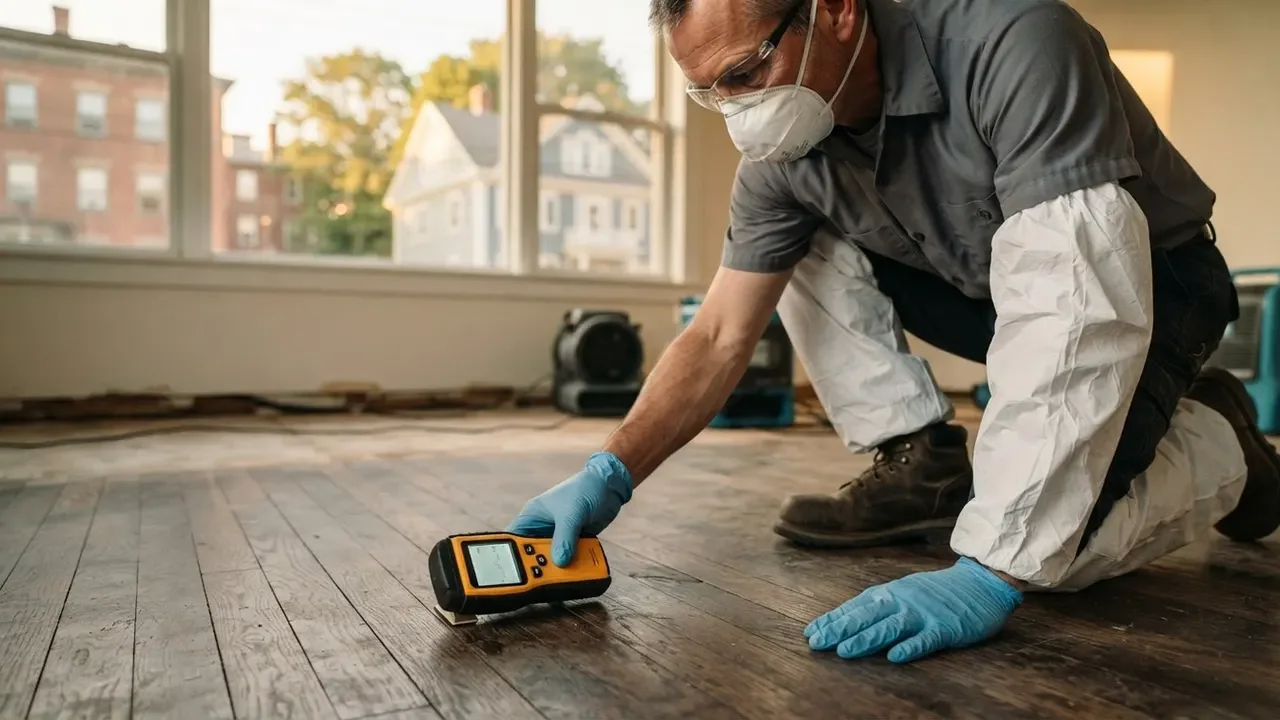
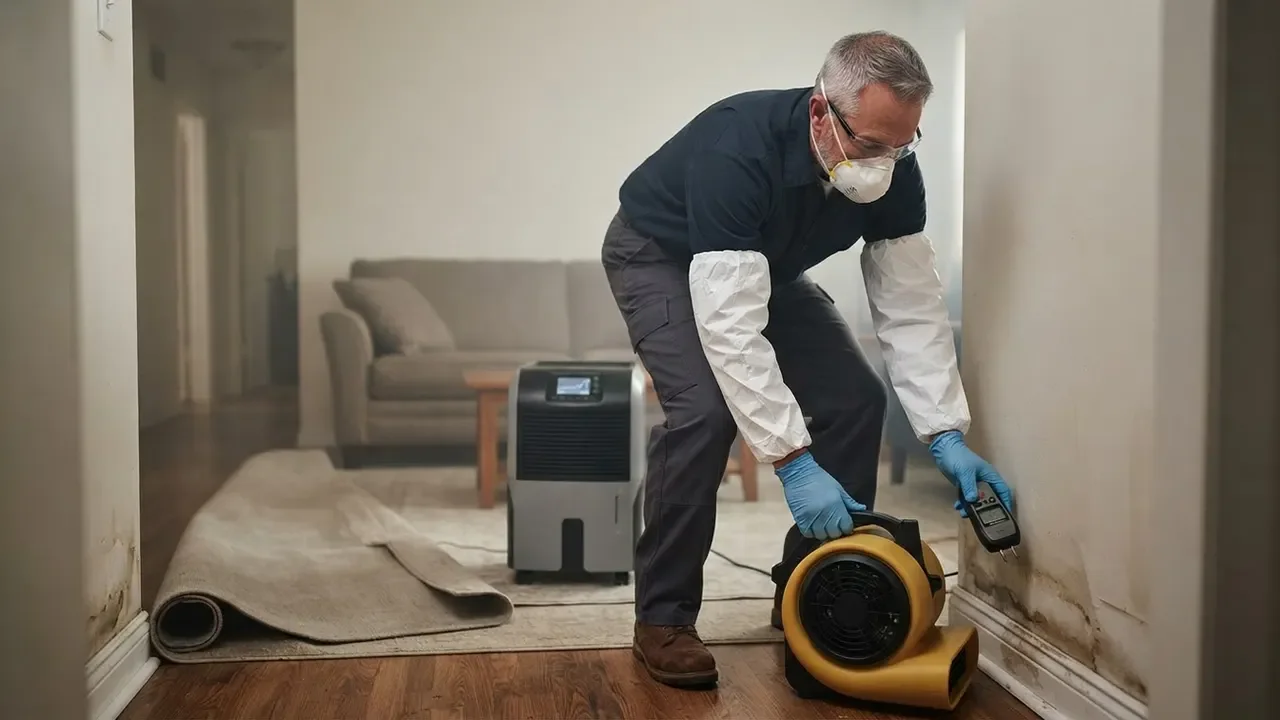
Water Damage Inspection and Assessment in Haverhill: restoration technician using a non-penetrating moisture meter on a

Water Damage Inspection and Assessment

Our inspection records the source, affected materials, visible damage, and moisture readings. In a Main Street District property, we check adjoining rooms and accessible areas above or below the loss to see whether water crossed floors or shared assemblies. The assessment guides extraction, drying equipment placement, and repair priorities.

View Details
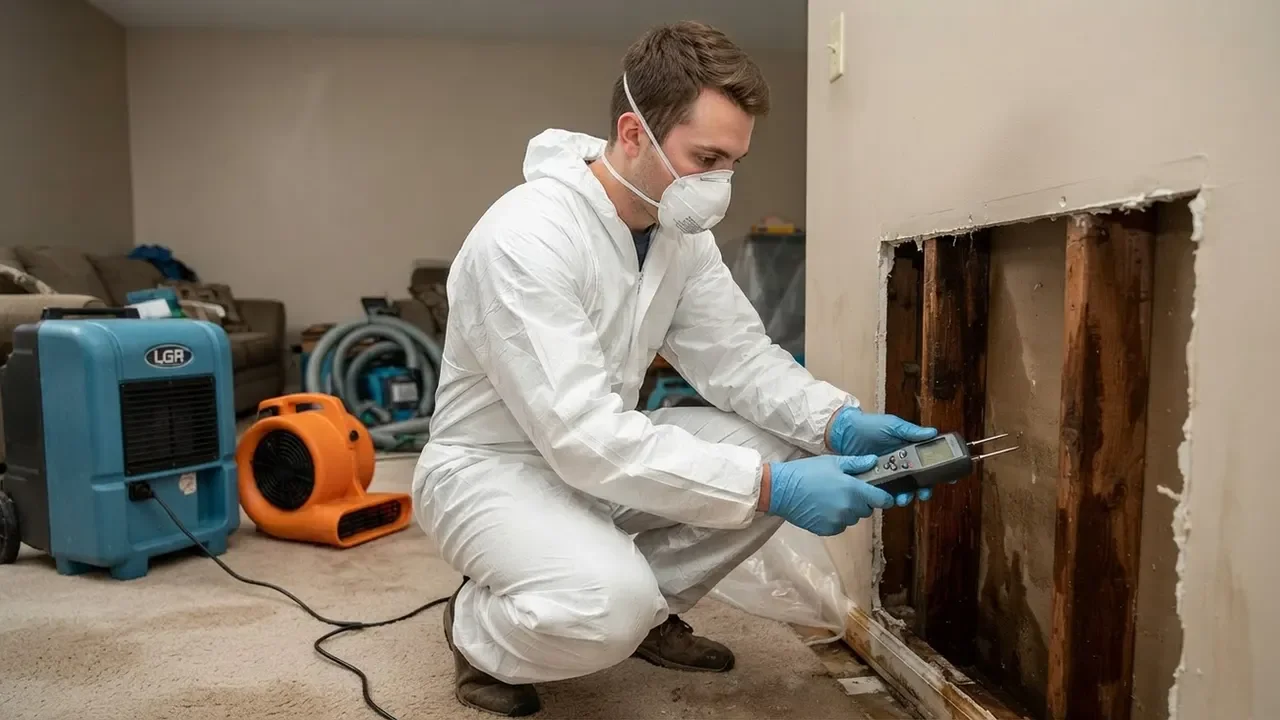
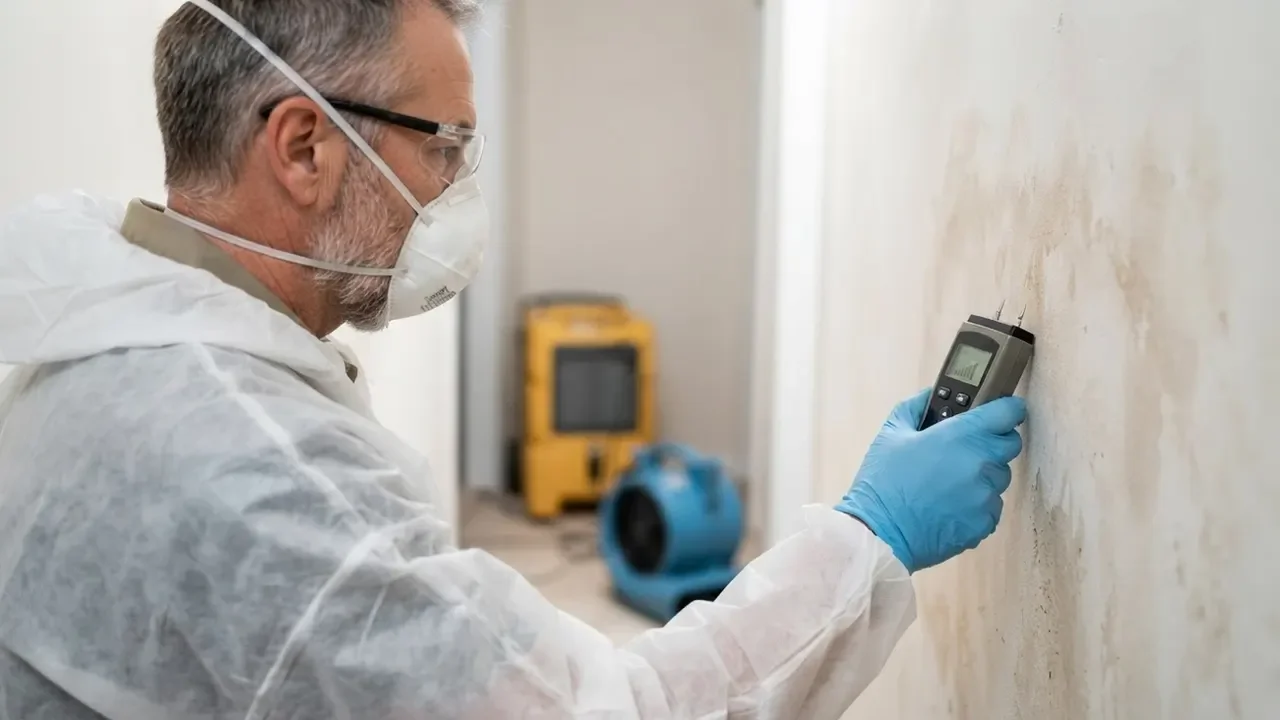
Moisture Detection and Thermal Imaging in Haverhill: restoration technician pressing a pin-type moisture meter into a

Moisture Detection and Thermal Imaging

We use moisture readings and thermal imaging to investigate damp areas that are not obvious from the surface. A thermal image can point to temperature patterns that merit closer measurement; it does not replace direct moisture checks. This is useful in older district buildings where water can travel behind trim or into concealed spaces.

View Details
Structural Drying and Dehumidification in Haverhill: restoration technician positioning multiple axial air movers in a grid

Structural Drying and Dehumidification

Drying requires measured conditions, correctly placed air movement, and repeat checks. We position air movers and a dehumidifier based on affected materials and room layout, then monitor progress rather than relying on a fixed run time. In compact Main Street District spaces, equipment placement also needs to preserve safe paths for occupants.

View Details
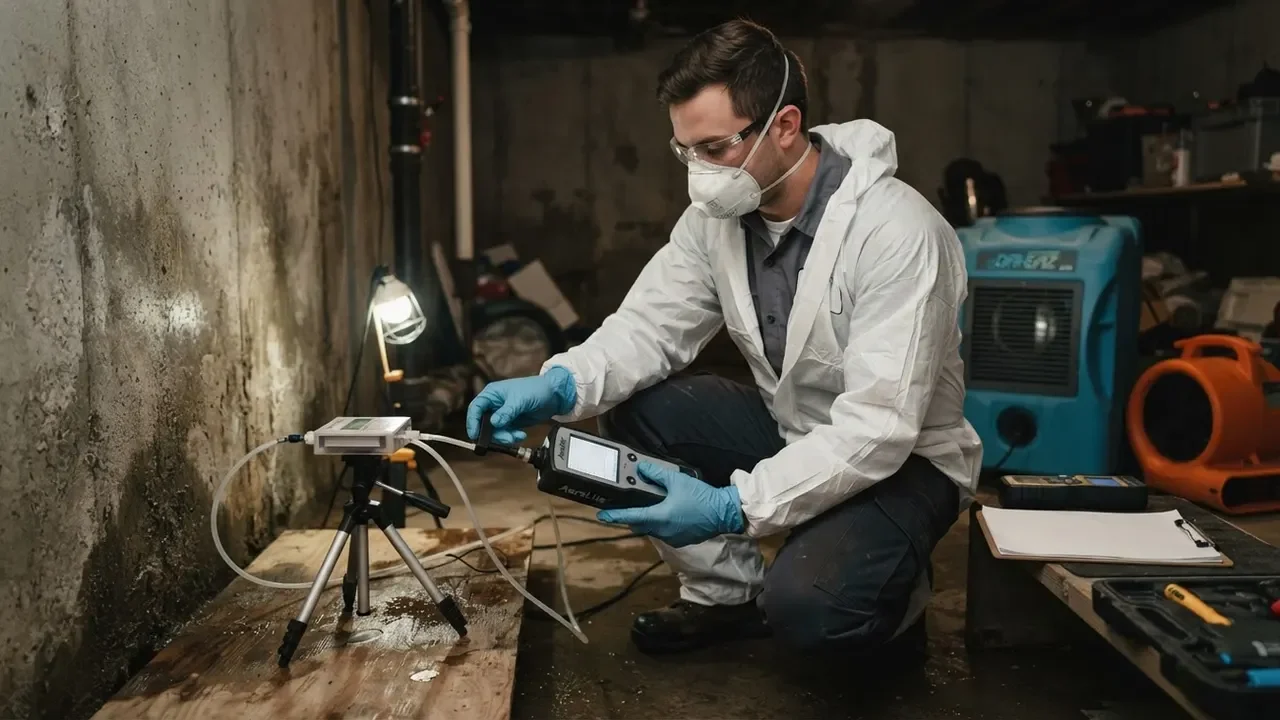
Mold Inspection and Testing in Haverhill: restoration technician carefully collecting an air sample with a specialized pump

Mold Inspection and Testing

If water remained in a building or musty odors persist, we inspect for visible growth and moisture conditions. We explain what we observe and whether further testing is appropriate for the situation. In older Main Street District properties, the inspection includes concealed or poorly ventilated areas where a past leak may have gone unnoticed.

View Details
Mold Remediation in Haverhill: restoration technician in full PPE using a HEPA-filtered vacuum to clean mold spores from a

Mold Remediation

Mold remediation starts by addressing moisture and containing the affected area. We remove or clean materials according to their condition, use appropriate protective controls, and verify that the original water problem is corrected. Our goal is to keep the work zone controlled and prevent dust or debris from spreading through occupied rooms.

View Details
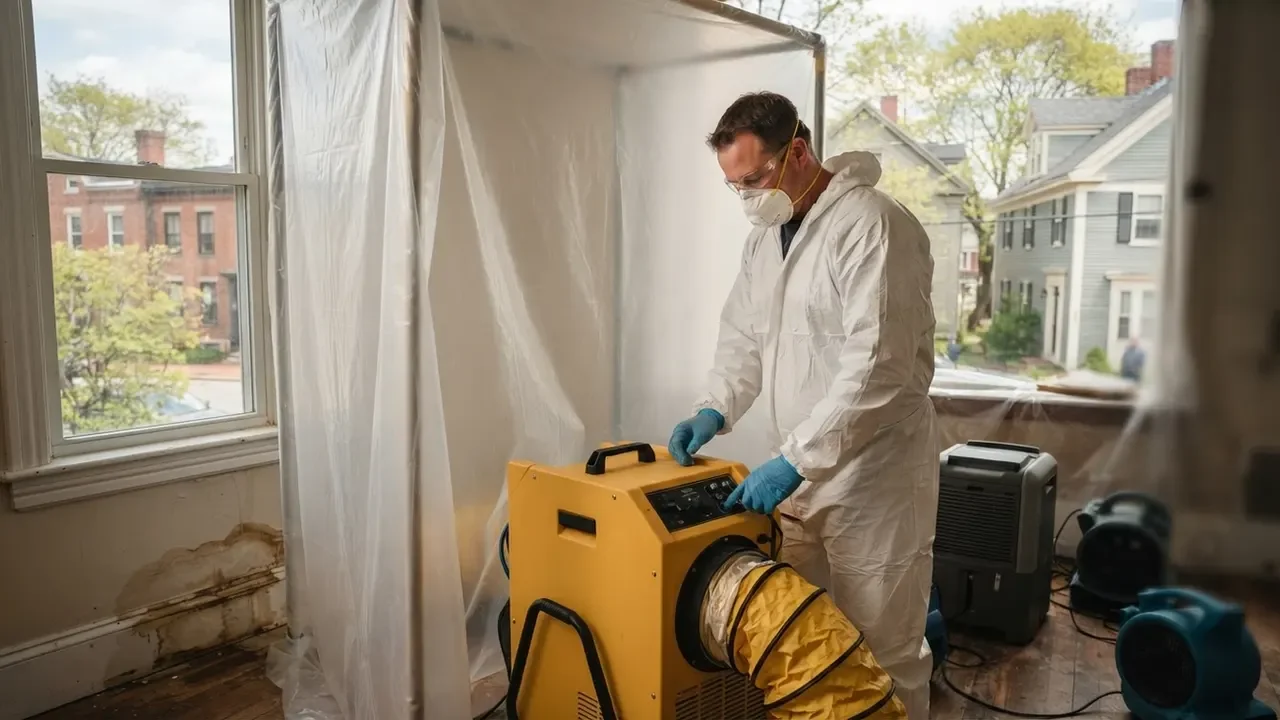
Black Mold Removal in Haverhill: restoration technician in full PPE operating a HEPA air scrubber in a containment zone to

Black Mold Removal

Dark staining is not enough to identify a mold species, so we inspect the material and moisture source before deciding on removal. Our crew contains affected areas and removes damaged porous materials when needed. In a shared-wall building, we check the adjoining side and explain what can be addressed within the affected property.

View Details
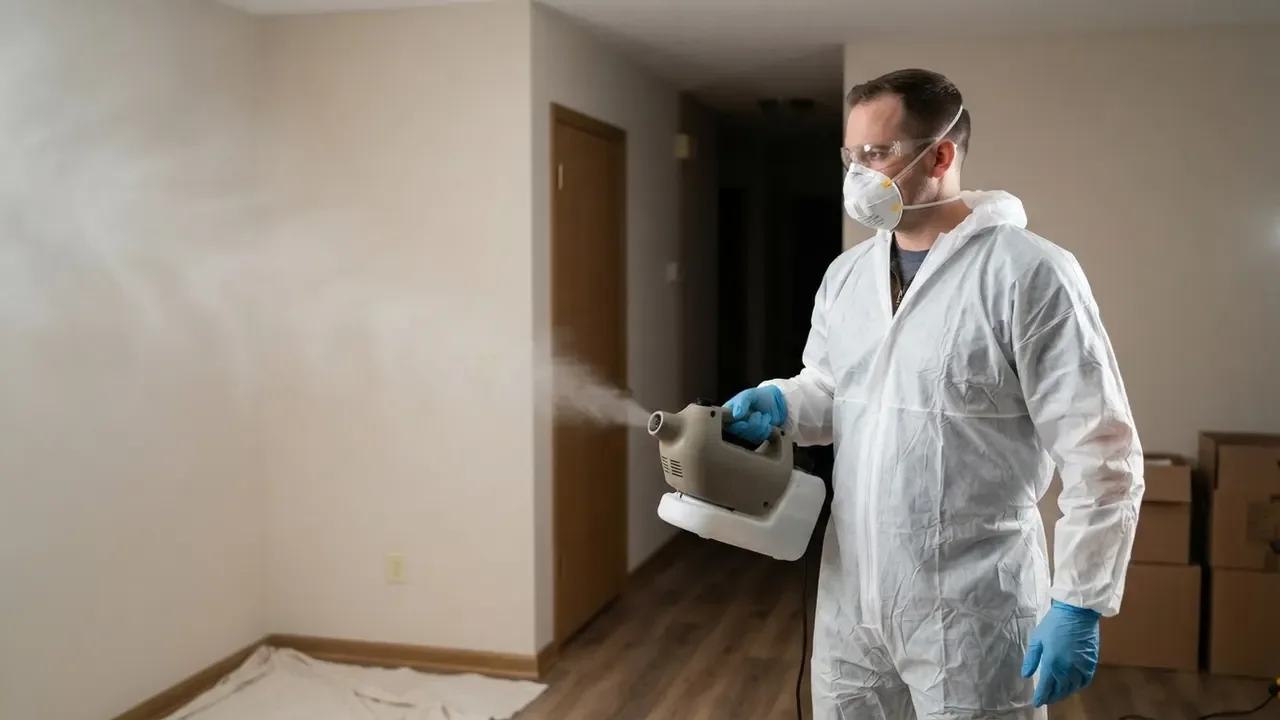
Odor Removal and Deodorization in Haverhill: restoration technician using a fogging machine to dispense an odor-neutralizing

Odor Removal and Deodorization

Lingering odors often indicate that moisture or residue remains in a material, not simply that a room needs fragrance. We identify the source, clean affected surfaces, and dry or remove materials that continue to hold odor. This approach is useful after a backup or long-term leak in compact district apartments and storefronts.

View Details
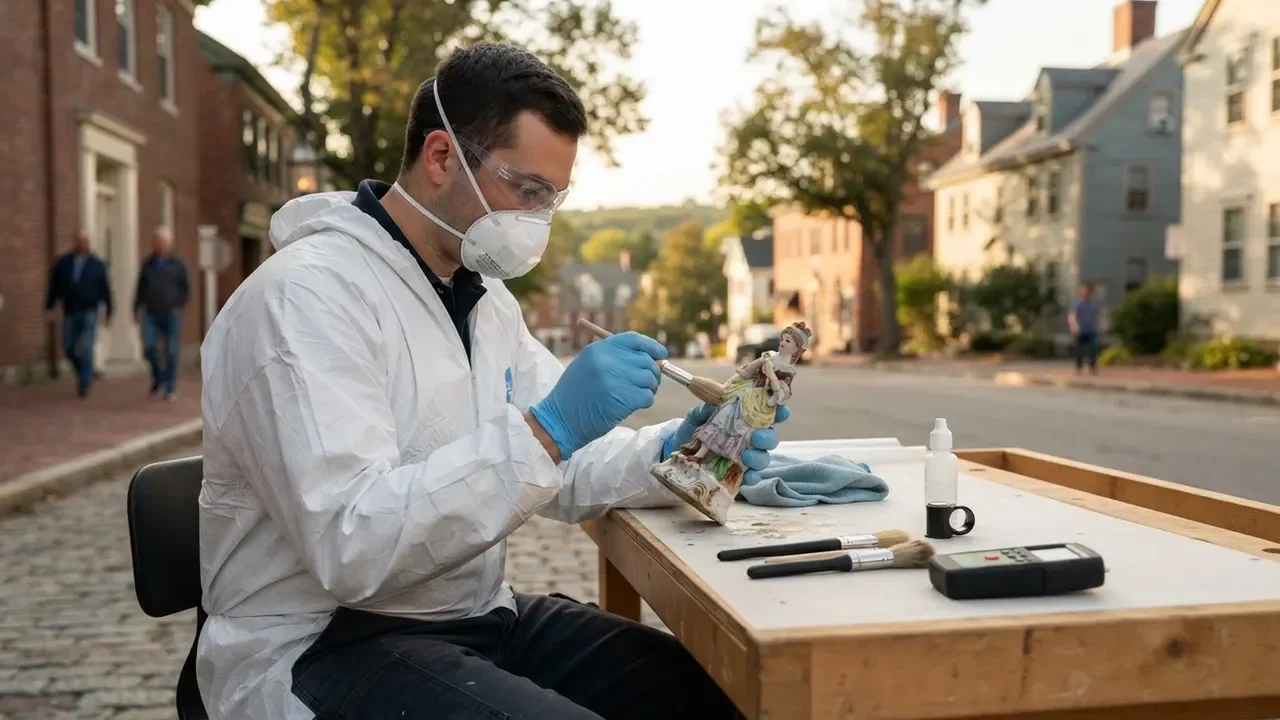
Content Cleaning and Restoration in Haverhill: restoration technician using a small, soft brush to clean intricate details

Content Cleaning and Restoration

We sort water-affected contents by material and condition, then identify items that can be cleaned and dried. Furniture, boxed belongings, and business inventory may need separate handling from structural drying. For Main Street District properties with limited storage, we help organize a practical work area while keeping salvageable contents protected.

View Details
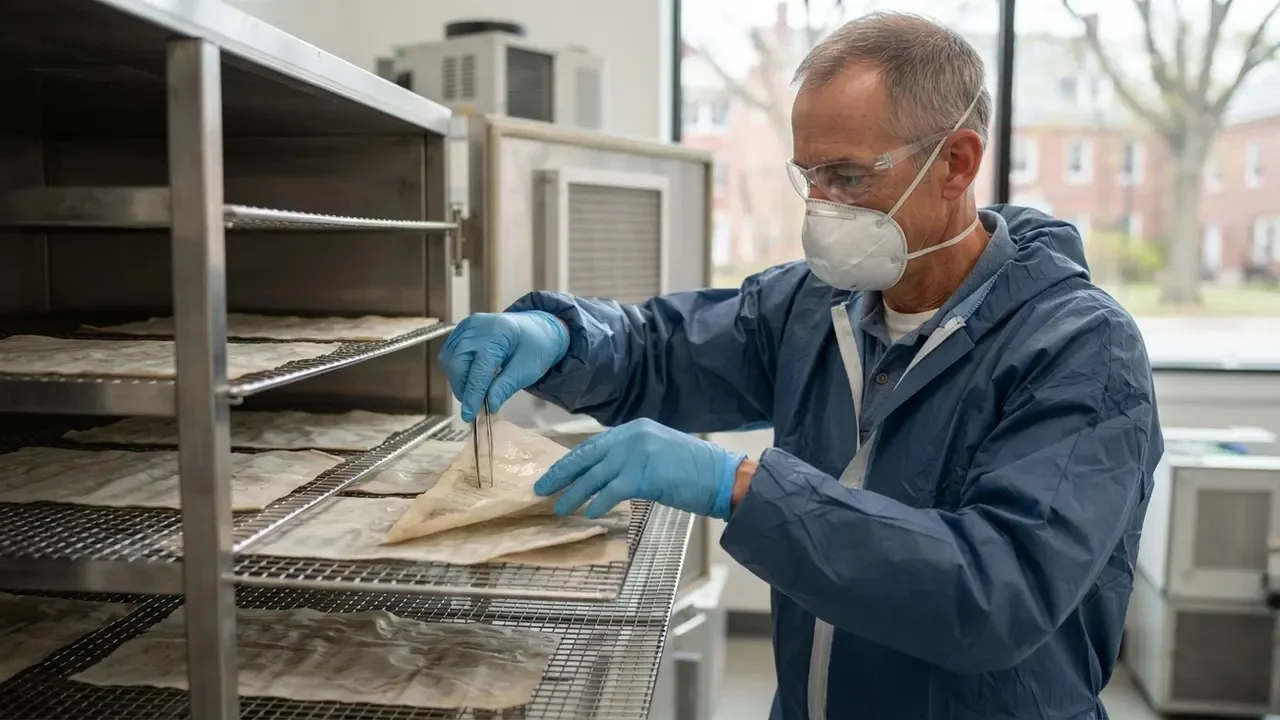
Document Drying and Restoration in Haverhill: restoration technician carefully separating damp paper documents and arranging

Document Drying and Restoration

Wet documents need careful handling to limit sticking, staining, and further damage. We assess the volume and condition, separate items where possible, and plan drying appropriate to the materials. This service supports local residents and businesses dealing with records affected by a plumbing leak, roof opening, or water intrusion.

View Details
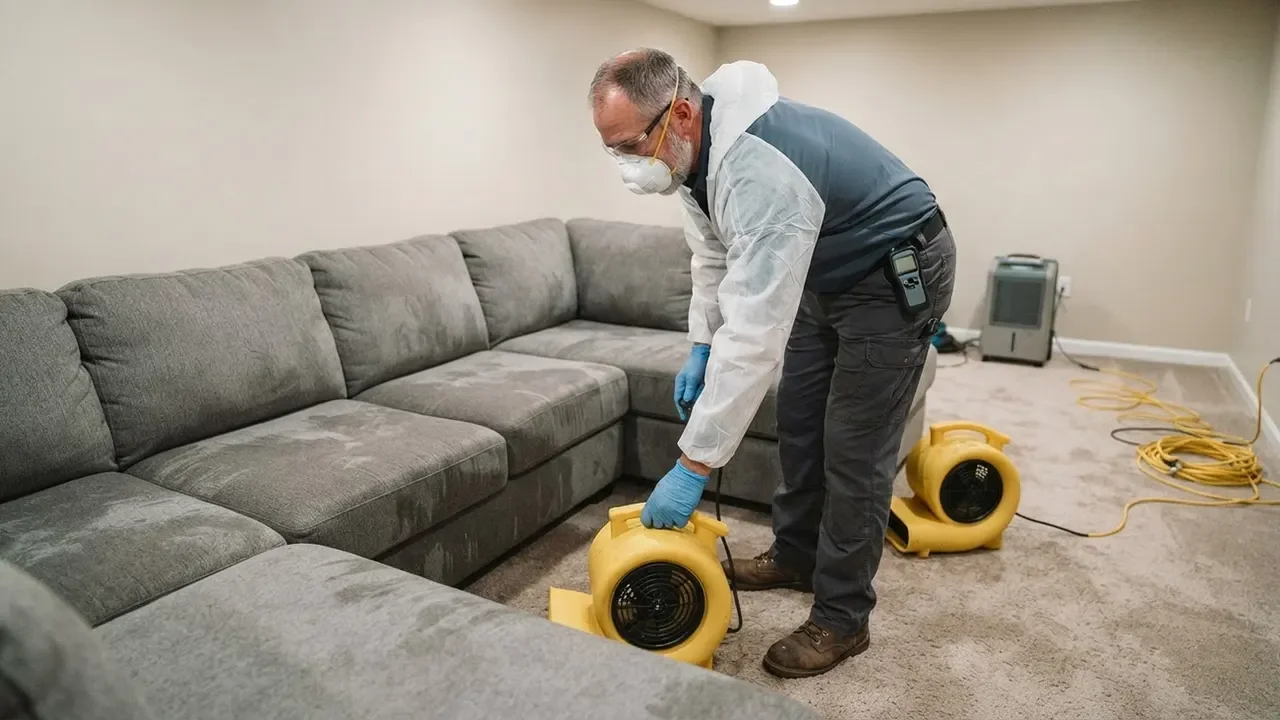
Furniture and Upholstery Water Damage Restoration in Haverhill: restoration technician setting up targeted air movers around

Furniture and Upholstery Water Damage Restoration

Upholstered furniture can absorb water below the visible fabric surface. We inspect the piece and surrounding floor, extract moisture where appropriate, and decide whether cleaning and controlled drying are practical. In smaller district rooms, we coordinate furniture movement so wet items do not block access or transfer moisture to unaffected flooring.

View Details
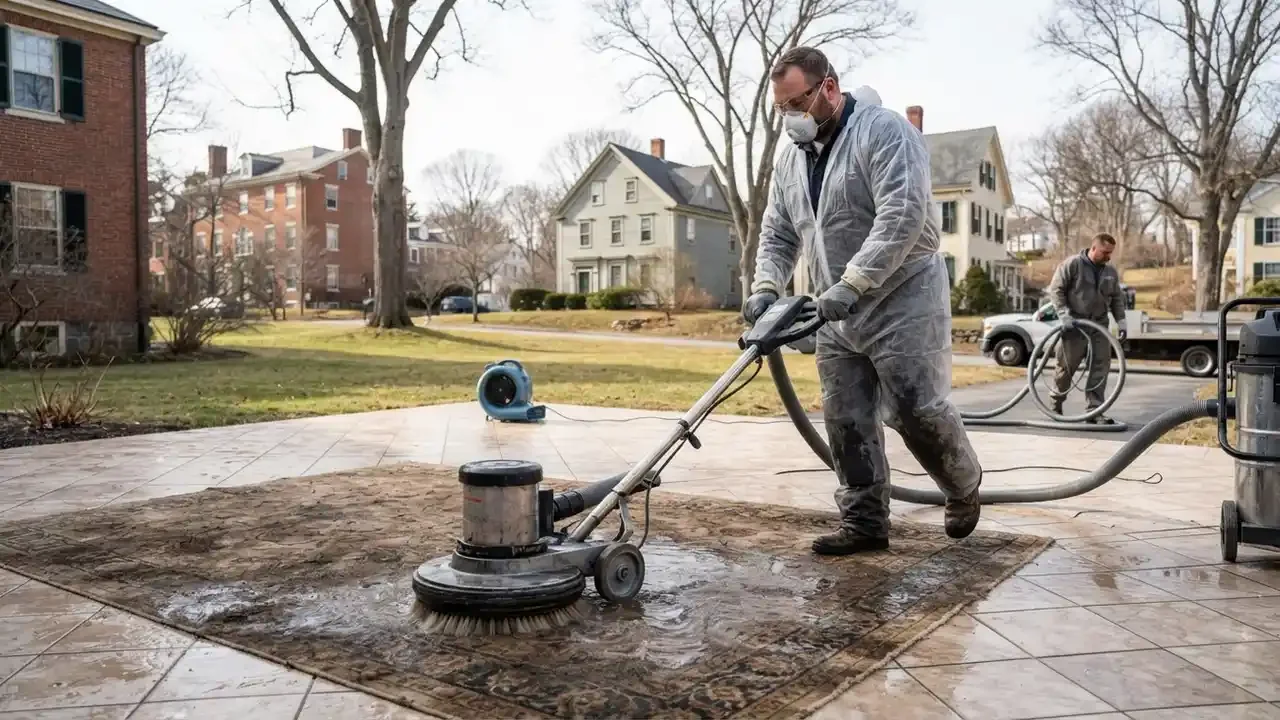
Carpet and Rug Water Extraction and Cleaning in Haverhill: restoration technician using a deep-cleaning rotary machine on a

Carpet and Rug Water Extraction and Cleaning

We extract water from carpet and assess the carpet backing, padding, and subfloor separately. A wet carpet surface can hide saturated padding underneath, so the assembly needs inspection before it is left in place. For apartment and commercial spaces, we also plan access and equipment placement to keep walkways clear.

View Details
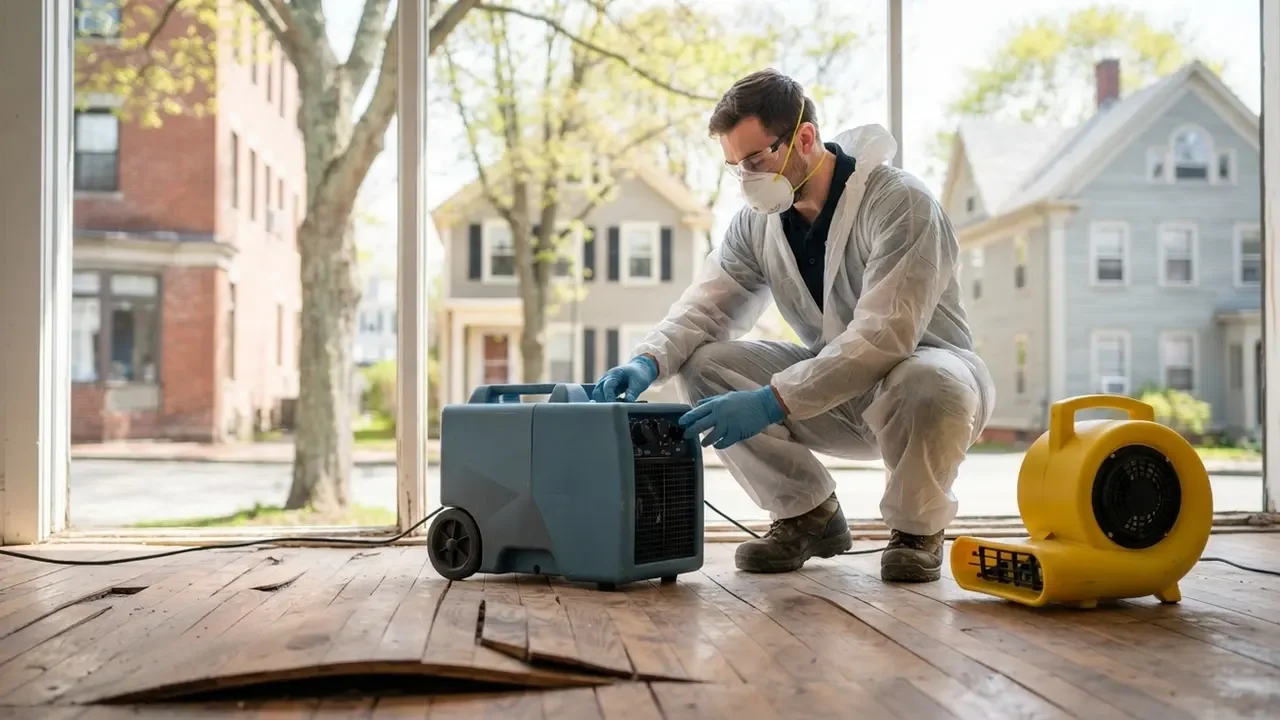
Hardwood Floor Water Damage Restoration in Haverhill: restoration technician setting up an industrial dehumidifier and air

Hardwood Floor Water Damage Restoration

Water trapped around hardwood flooring can cause cupping, edge swelling, and finish changes. We extract surface water, check moisture in the floor and nearby materials, and set drying equipment based on measured conditions. We avoid promising a finish outcome before the boards and subfloor have been assessed.

View Details
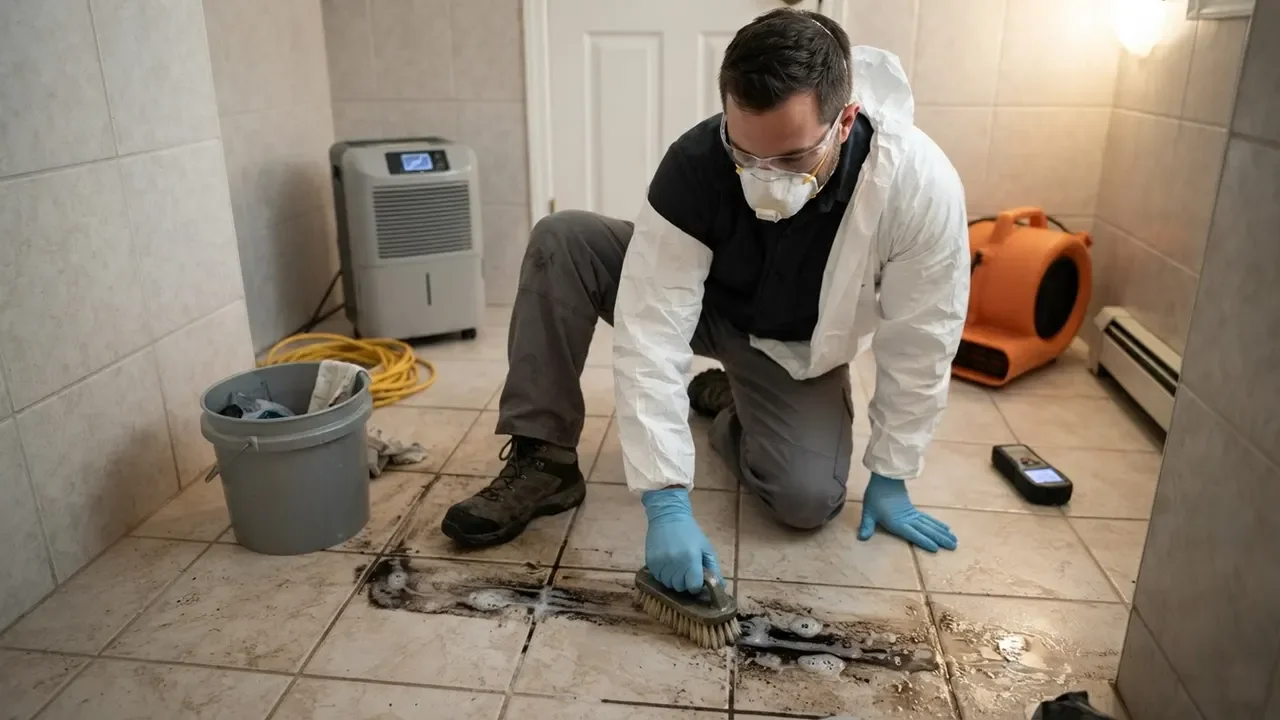
Tile and Grout Water Damage Restoration in Haverhill: restoration technician scrubbing discolored grout lines on a bathroom

Tile and Grout Water Damage Restoration

Tile may look intact while water has moved through grout joints or reached the substrate beneath it. We inspect the affected area, identify the likely water path, and assess adjoining baseboards and lower walls. Main Street District kitchens and bathrooms receive attention to concealed moisture as well as visible surface cleanup.

View Details
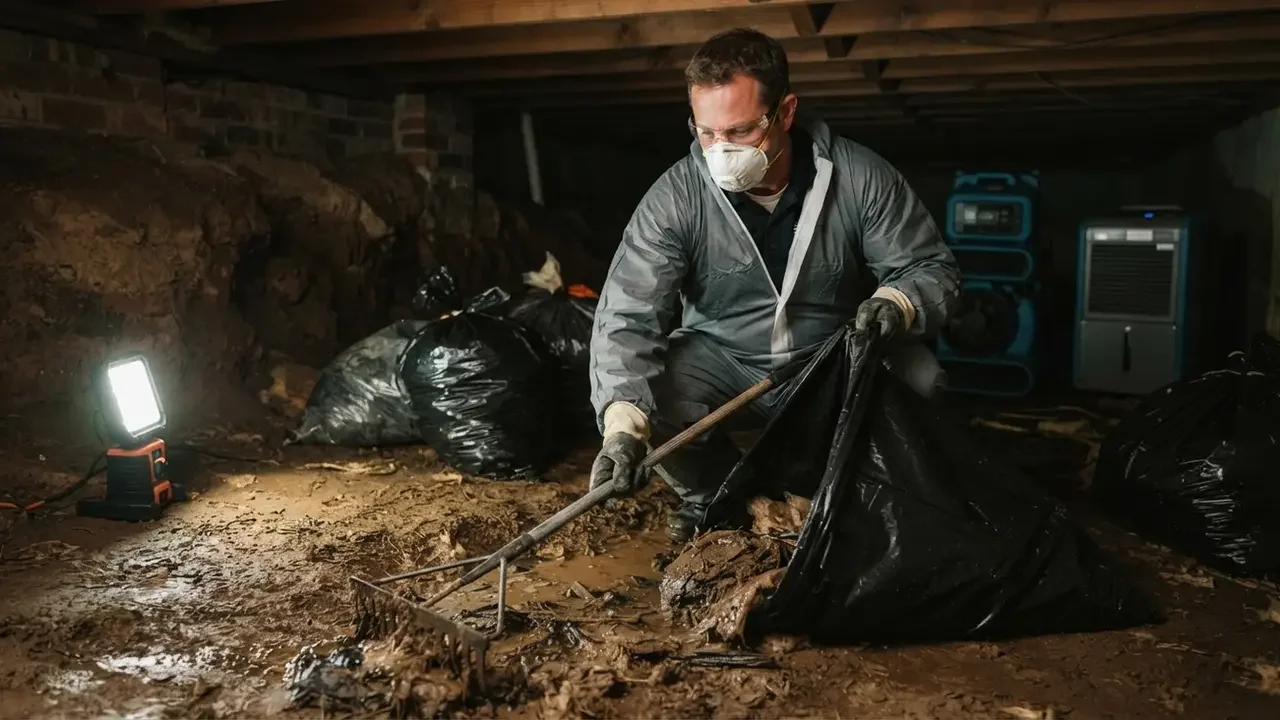
Crawl Space Water Removal and Drying in Haverhill: restoration technician raking away wet debris and mud from the dirt floor

Crawl Space Water Removal and Drying

Water in a crawl space can raise moisture levels below living areas and affect insulation or framing. We remove accessible standing water, inspect the source, and dry the space with equipment suited to its access and conditions. A vapor barrier is assessed where present, without covering unresolved wet materials.

View Details
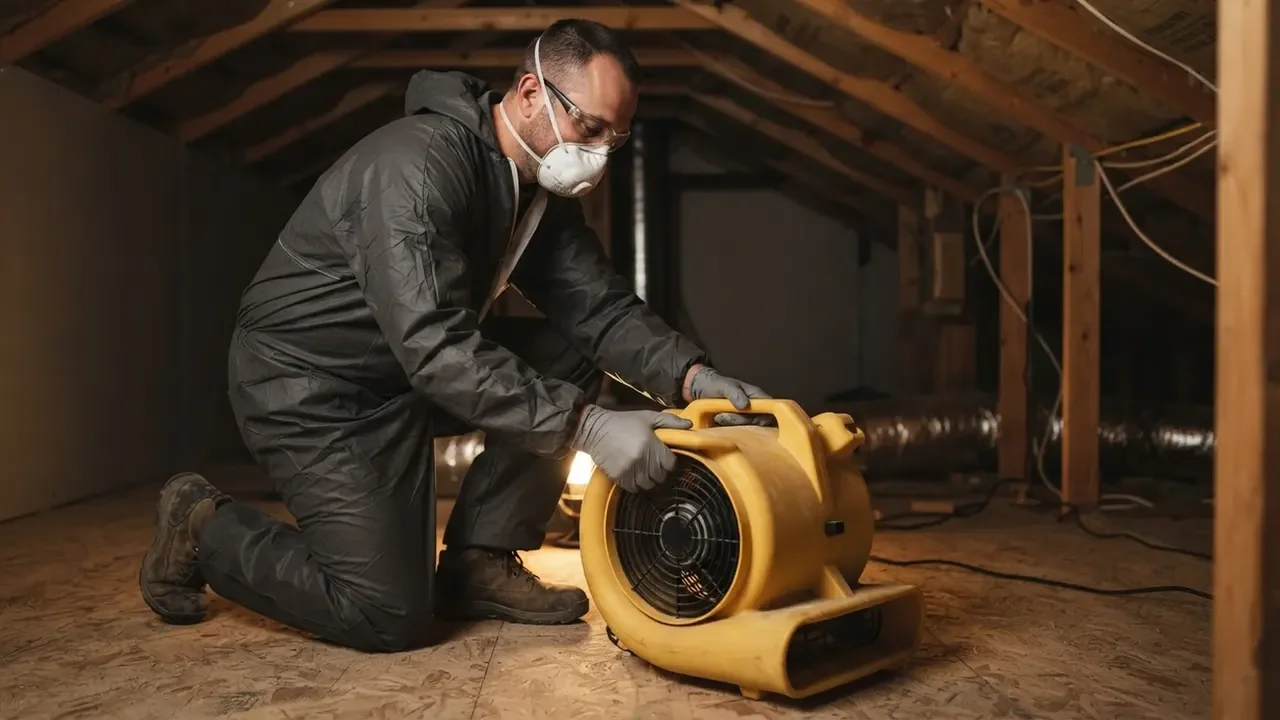
Attic Water Damage Restoration in Haverhill: restoration technician setting up a large industrial fan in a vented attic

Attic Water Damage Restoration

Roof leaks can wet attic insulation and framing before ceiling damage appears below. We inspect the attic where accessible, identify the path of entry, and remove or dry affected materials as appropriate. Temporary roof protection can help limit additional water entry while permanent repairs are arranged.

View Details
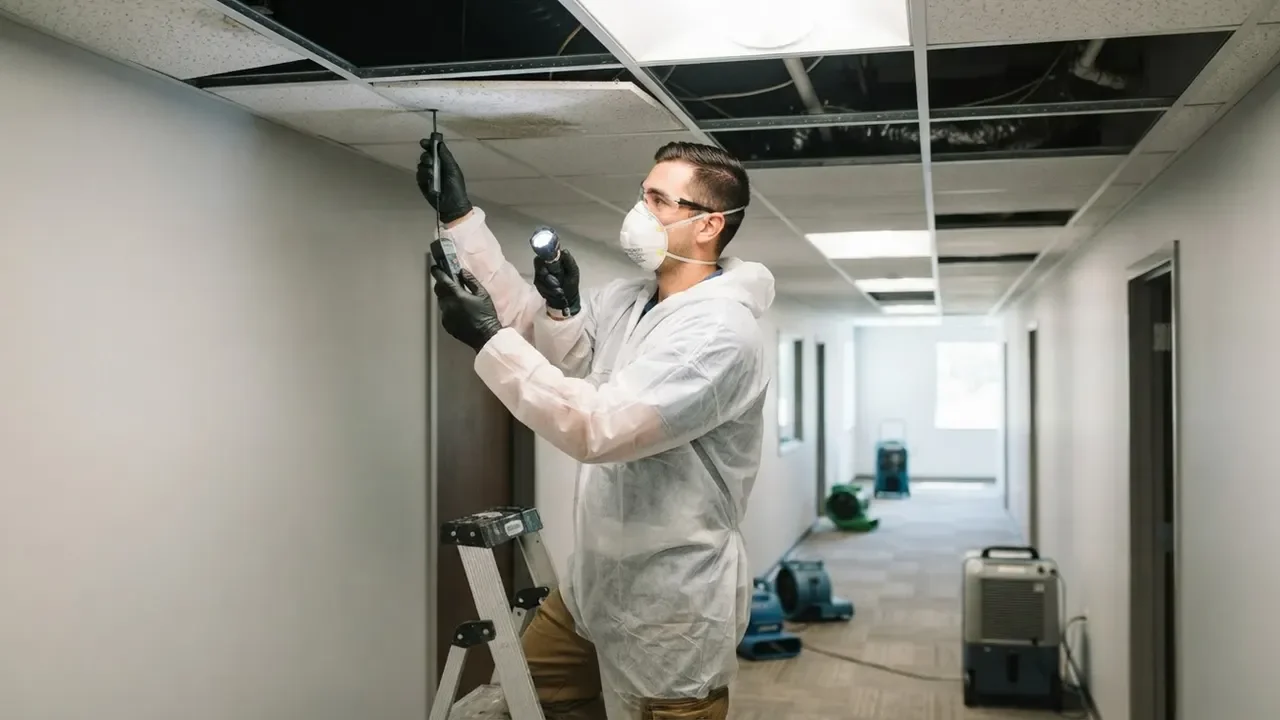
Commercial Water Damage Restoration in Haverhill: restoration technician carefully inspecting a suspended ceiling tile grid

Commercial Water Damage Restoration

For shops and offices, we plan extraction and drying around staff access, customer areas, and equipment. We document affected spaces and coordinate work zones so your business can make informed decisions about safe use. A leak above a storefront or a backup in a service area receives a source-first assessment.

View Details
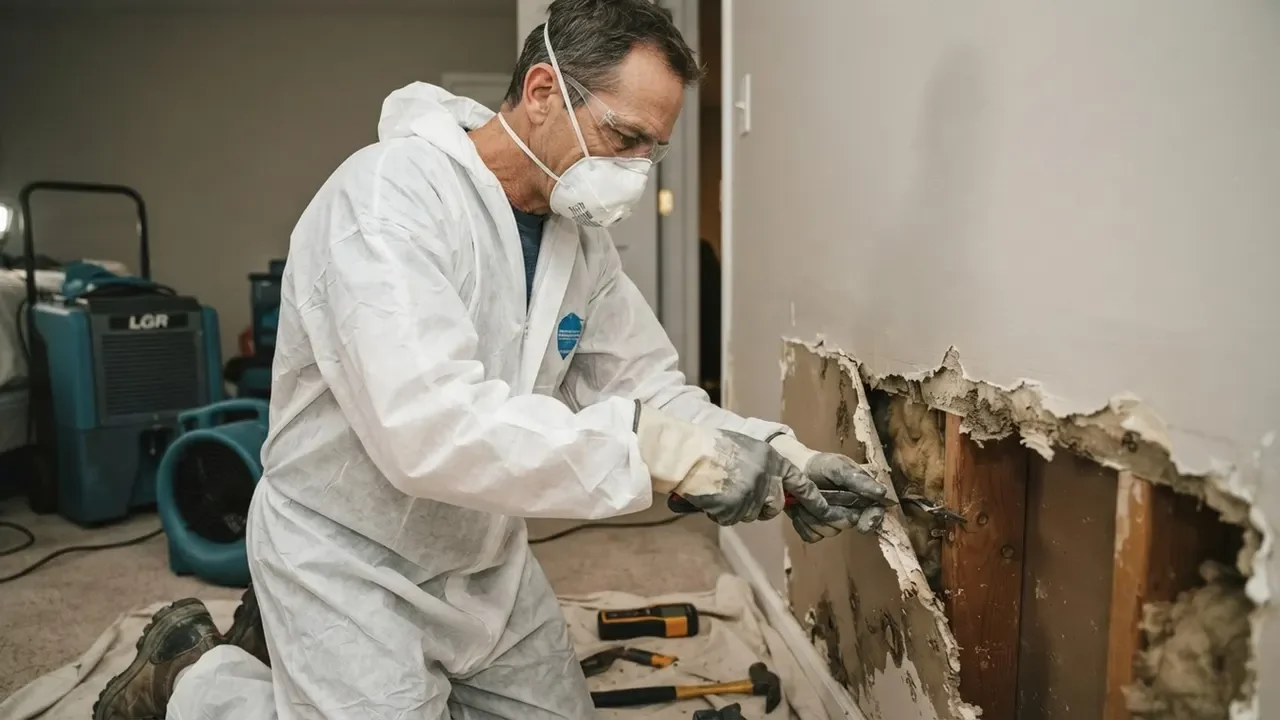
Residential Water Damage Restoration in Haverhill: restoration technician carefully removing a section of water-damaged

Residential Water Damage Restoration

We restore homes after pipe failures, leaks, and flooding by removing water, drying affected materials, and guiding repairs. Our crew checks beyond the wet room when water may have moved through floors or walls. You get a practical sequence that addresses the source, the structure, and the items you want to save.

View Details
Apartment and Condo Water Damage Restoration in Haverhill: restoration technician deploying a small, quiet air mover and

Apartment and Condo Water Damage Restoration

Water in a multi-unit building can affect a ceiling below or a shared wall next door. We identify the affected unit and rooms, document visible conditions, and coordinate access with the person managing the property. In Main Street District, careful communication helps keep the work area separate from neighboring occupants.

View Details
Insurance Claim Assistance in Haverhill: restoration technician carefully measuring the dimensions of a water-affected area

Insurance Claim Assistance

We provide job documentation, photographs, and moisture records to support your discussion with your insurer. Coverage depends on the policy and cause of loss, so we do not promise a claim decision. For a Main Street District water loss, organized records can help show what was wet, what was removed, and how drying progressed.

View Details
Emergency Board-Up and Tarping in Haverhill: restoration technician carefully climbing a ladder to secure a large blue tarp

Emergency Board-Up and Tarping

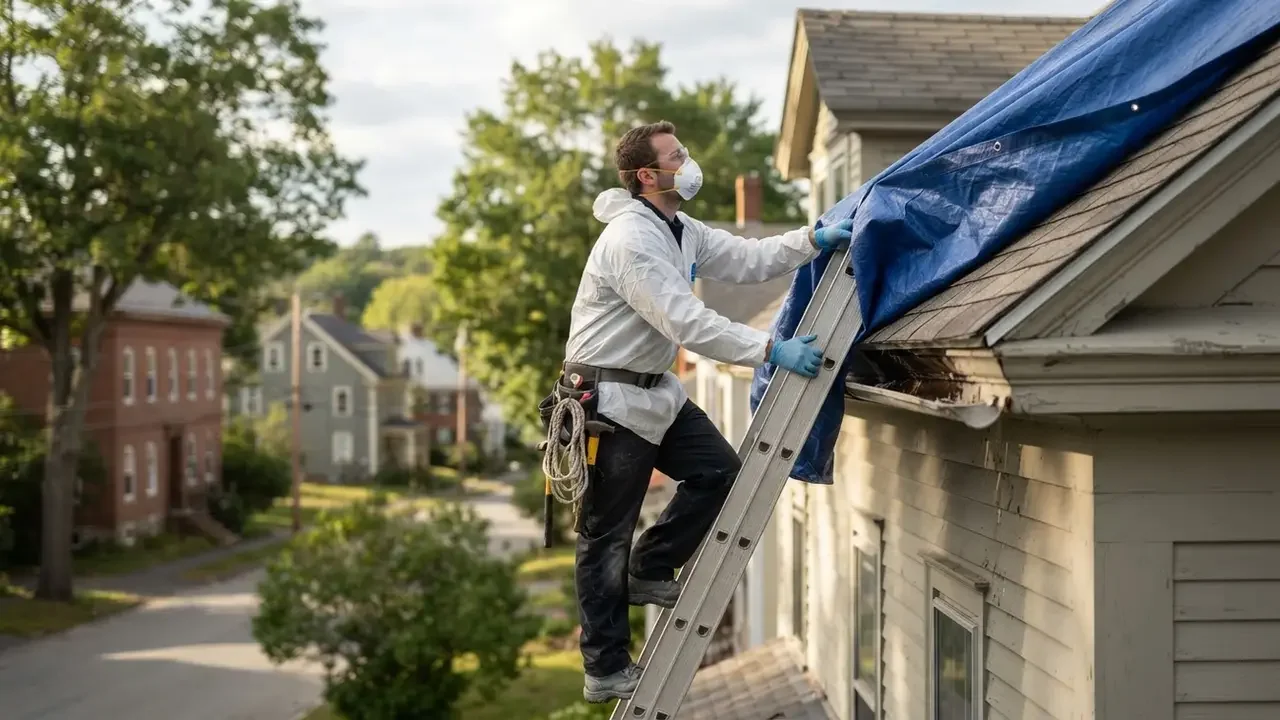
When a storm or impact leaves an opening, temporary protection helps reduce additional water entry while permanent repairs are planned. We assess safe access, cover exposed areas where practical, and document the condition. On older Main Street District buildings, we take care around masonry and roof details during temporary protection work.

View Details

Common Water Damage Problems Here

Main Street District combines older plumbing systems, historic brick buildings, and urban density with shared walls. These features mean a small leak can affect more than one room, while cold winters can freeze pipes during prolonged low temperatures. The Merrimack River flooding risk is relevant during high-water periods, but each property's exposure depends on its location and construction. We provide water damage cleanup Main Street District residents and businesses can use for leaks, backups, storm entry, and basement water, with the response based on measured conditions.

Frozen plumbing lines split during sustained cold winter weather

Cold winters in Haverhill can expose pipes in unheated spaces or near exterior walls to freezing temperatures. A pipe may leak after thawing, leaving water in a wall or floor before occupants notice. Older plumbing systems add uncertainty about the exact line and route.

Rain enters around aging masonry, roof edges, or window openings

Historic brick buildings prone to water infiltration can admit rain at joints, transitions, or openings when exterior components are worn or damaged. Water may travel behind interior finishes and appear away from the entry point, complicating a surface-only repair.

A leak spreads through apartments with shared walls

Urban density with shared walls means water from a bathroom, kitchen, or supply line may reach a neighboring room or floor. A resident may see only the final stain, while the source remains in another part of the building.

Basement water follows heavy rain or drainage interruption

Rain can collect around foundations or enter through vulnerable lower-level openings. A failed or interrupted sump pump can also leave water on the floor. The pattern and source vary by building, so a single event does not establish a property's long-term flood exposure.

When to Call for Water Damage Help

Call for water damage restoration when water is active, spreading, or hidden in building materials. In Main Street District's older properties, a ceiling mark or musty smell may be the first clue that water has moved beyond the visible surface. If you need 24/7 water damage restoration in Main Street District, report the source, affected floor, and whether electricity or sewage is involved. Shut off a safe, accessible water supply if you can do so without entering standing water; then keep people away from affected electrical areas.

  • Ceiling stain grows after rain

    A spreading or darkening stain suggests water is still entering or has reached additional ceiling material. Put a container under active drips and avoid pressing on a sagging surface. We inspect above and around the mark to determine whether the source is a roof leak or plumbing issue.

  • Floor feels soft or raised

    Softness, cupping, or lifted flooring can indicate moisture under the finish. Water may have reached the subfloor even when the surface looks nearly dry. Prompt measurement helps establish the affected area and whether the flooring assembly can be dried or requires removal.

  • Musty odor persists indoors

    A persistent musty odor can point to damp materials in a wall, carpet padding, or a poorly ventilated space. Do not cover it with fragrance. We look for the moisture source and check concealed or adjoining areas before deciding on cleaning or remediation.

  • Water appears below a bathroom

    A new stain or dripping below a bathroom can signal a supply, drain, or fixture leak. Water can spread along framing before it becomes visible downstairs. If the source is active, shut off the fixture or supply where safe and call for inspection and extraction.

  • Basement water returns repeatedly

    Recurring water around the basement perimeter can indicate seepage, drainage trouble, or a sump issue. Repeated wetting can damage stored items and lower wall materials. We remove standing water, document the pattern, and inspect the area for conditions that need attention.

Local Landmarks and Navigation

Landmarks help our crew orient to Main Street District and confirm the correct approach before unloading equipment. Haverhill City Hall and the Haverhill Public Library are recognizable reference points around the central street network; the Merrimack River and Haverhill MBTA Station also help establish the broader location. We use your street address and entrance details for the final approach, not a landmark as a substitute for directions. Please share any loading or access instructions when you call.

Haverhill City Hall

Haverhill City Hall is a civic landmark that helps orient visitors to central Haverhill. It can serve as a reference when confirming directions toward nearby Main Street District addresses.
Haverhill Public Library

The Haverhill Public Library is a public reference point in the city. Naming it can help clarify the general direction of a Main Street District property when callers describe their location.

Merrimack River

The Merrimack River is a major geographic reference for Haverhill. It helps distinguish the district's broader river-side orientation without implying that any individual property has a specific flood condition.

Coverage Across Main Street District & Essex County

01832018300183501831

Plus surrounding Essex County neighborhoods, with same-day routing on most appointments.

Seasonal Water Risks in Haverhill

As November brings colder nights to Main Street District, frozen-pipe prevention and quick response to active leaks move to the front of the list. Winter failures can release water into walls and floors before a property is occupied for the day. Spring brings rain and thaw-related water concerns; summer storms can damage roofs, and fall is a good time to check drainage and exterior openings. For a winter leak, 24/7 water damage restoration in Main Street District helps address active water before it spreads further.

Spring

Thaw and periods of heavy rain can reveal basement seepage, roof leaks, or drainage problems. Water may appear at lower walls or around stored belongings after a wet stretch. We inspect the entry pattern rather than assuming every spring puddle has the same source.

Tip: Move stored items off the basement floor and check that a sump pump is operating. If water enters, photograph the area, avoid contaminated water, and call for extraction and inspection.

Summer

Summer storms can bring wind-driven rain and roof openings, while plumbing leaks remain possible year-round. A ceiling stain after a storm deserves prompt inspection, particularly if it grows or becomes soft. Warm indoor conditions do not dry a concealed wall by themselves.

Tip: After severe rain, look at ceilings and upper walls for new stains. Keep containers beneath active drips and arrange temporary protection if an opening is exposed.

Fall

Fall is a useful time to notice roof, window, and drainage issues before colder weather arrives. Leaves and debris can affect exterior drainage, and early cold snaps may expose vulnerable plumbing. A small leak that goes unaddressed can become harder to manage in winter.

Tip: Check accessible plumbing near exterior walls and look for damp basement edges. Address roof or window openings before persistent cold and wind-driven weather set in.

Winter

Winter is the immediate seasonal concern in November. Cold conditions can freeze pipes in unheated spaces or near exterior walls; a split line may release water after it thaws. A frozen pipe at 2 a.m. needs source control and prompt extraction.

Tip: Keep vulnerable rooms adequately heated and know where the main shutoff is. If a pipe breaks, shut off water if safe, avoid wet electrical areas, and call for emergency cleanup.

Water Damage Restoration in Main Street District Faqs

Real answers from our team for the questions we hear most often before a job starts.

How much does water damage restoration cost in Main Street District?
A small extraction and drying job often varies while multi-room losses can vary. The Price depends on water type, affected materials, and how far moisture has spread. We inspect the property and provide upfront pricing for the agreed work. Insurance coverage varies by policy, so we can provide documentation but cannot promise a claim decision.
Who is the best water damage restoration company in Main Street District MA?
The right company should inspect beyond visible stains, record moisture readings, explain its drying plan, and document affected materials. Haverhill Water Damage Restoration serves Main Street District and handles extraction, structural drying, cleanup, and repair coordination. Ask how the crew manages shared walls, contaminated water, and access in your building. Those answers show whether the proposed work fits your property, rather than relying on an unsupported ranking.
Do you offer 24/7 water damage restoration in Main Street District?
Yes, our emergency line accepts calls 24/7 for active water losses in Main Street District. Call (833) 546-4116 and tell us the street, floor, water source, and whether the water is still flowing. We prioritize source control and extraction, then inspect affected materials and set a drying plan. For a frozen pipe overnight, shut off the supply if safe and stay clear of wet electrical areas.
Does insurance cover water damage restoration in Main Street District Massachusetts?
Coverage depends on your policy, the water source, and any exclusions; sudden pipe failures are treated differently from ongoing seepage or flood losses. We document the affected rooms, materials, and drying work to support your discussion with the insurer. Review your policy and contact your adjuster about coverage. Our team can provide records, but your insurance provider makes the coverage decision.
How fast can you get to my water damage in Main Street District?
We dispatch emergency calls 24/7, and arrival time depends on the current call load, road conditions, and your exact address. Call (833) 546-4116 with your street, unit, and whether water is actively flowing so we can route the right response. If safe, shut off the water source and move people away from electrical hazards while help is on the way.

Call for Water Damage Restoration in Main Street District

If water is spreading through your Main Street District home, apartment, or storefront, call Haverhill Water Damage Restoration at (833) 546-4116. Our emergency line is open 24/7 for active leaks, basement water, and storm damage. Tell us the street, floor, and source so we can prepare for the right first step. We serve Haverhill, Massachusetts, including 01830, 01832, and 01835.

Call Now Send a Message

Contact Haverhill Restoration

Call (833) 546-4116 when water is entering your home or business, or when a damp room needs inspection. Our referral line is available 24 hours a day to connect you with independent companies serving Haverhill, MA, including areas near 01831 and 01835. Tell us what happened, where the water is, and whether it is still flowing.

Or call us right now at (833) 546-4116 — we answer.
Or email us at hello@haverhillwaterdamagema.com

Haverhill Water Damage Restoration


  • Address

    Haverhill, Massachusetts

  • Hours

    Mon–Fri: 7AM – 7PM
    Sat: 8AM – 4PM
    Sun: Emergency Only
    24/7 Emergency Available

Call (833) 546-4116 Get Quote
Call Quote