Haverhill City Hall
Haverhill City Hall is a downtown civic reference point for confirming directions toward the central street network. An address and cross street remain necessary to identify the specific property and entrance.
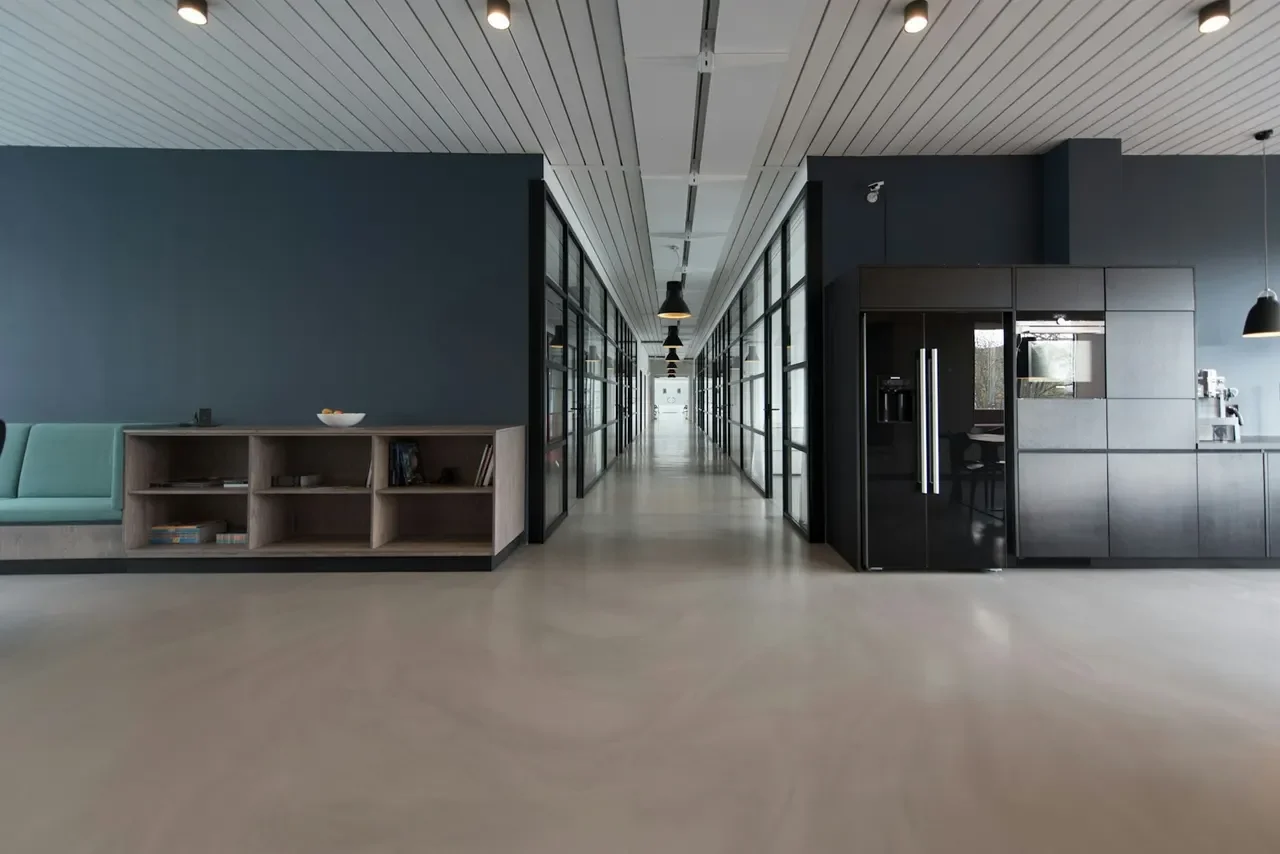
Water damage restoration in Washington Street Corridor is a property recovery service that removes unwanted water, dries affected materials, and repairs damage after leaks, flooding, or plumbing failures. Historic brick buildings along Washington Street and nearby Main Street can have older plumbing systems, concealed wall cavities, and shared walls that complicate leak tracing. We map visible damage first, then check adjacent rooms and connected units so a wet ceiling does not hide a larger source. Our team serves homes, apartments, storefronts, and commercial spaces across 01830 and 01832, with service extending into 01835. For Washington Street Corridor water damage restoration, we use moisture readings to guide removal and drying rather than guessing from surface appearance. We also document the affected areas for your records and insurance conversation. If water is still entering, call us before it travels farther through flooring, baseboards, or the unit below.
Water damage in Washington Street Corridor often begins behind a wall, beneath flooring, or in a basement before it becomes obvious. We respond to active leaks, rain entry, sewage incidents, and damage that has already started to smell musty. If you are searching for water damage restoration near me Washington Street Corridor MA, tell us your street, floor level, and whether water is still flowing. Those details help us plan extraction equipment and safe access before arrival. We handle residential and commercial losses throughout the corridor and nearby Haverhill ZIP codes.

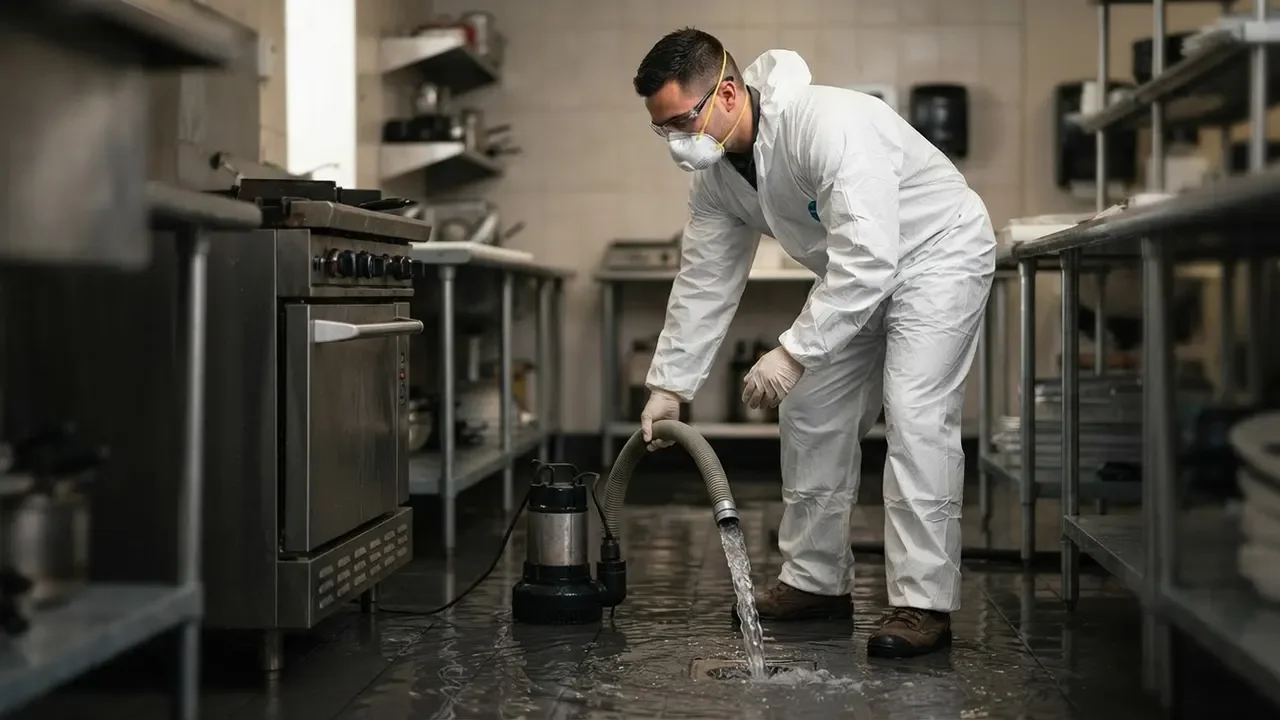
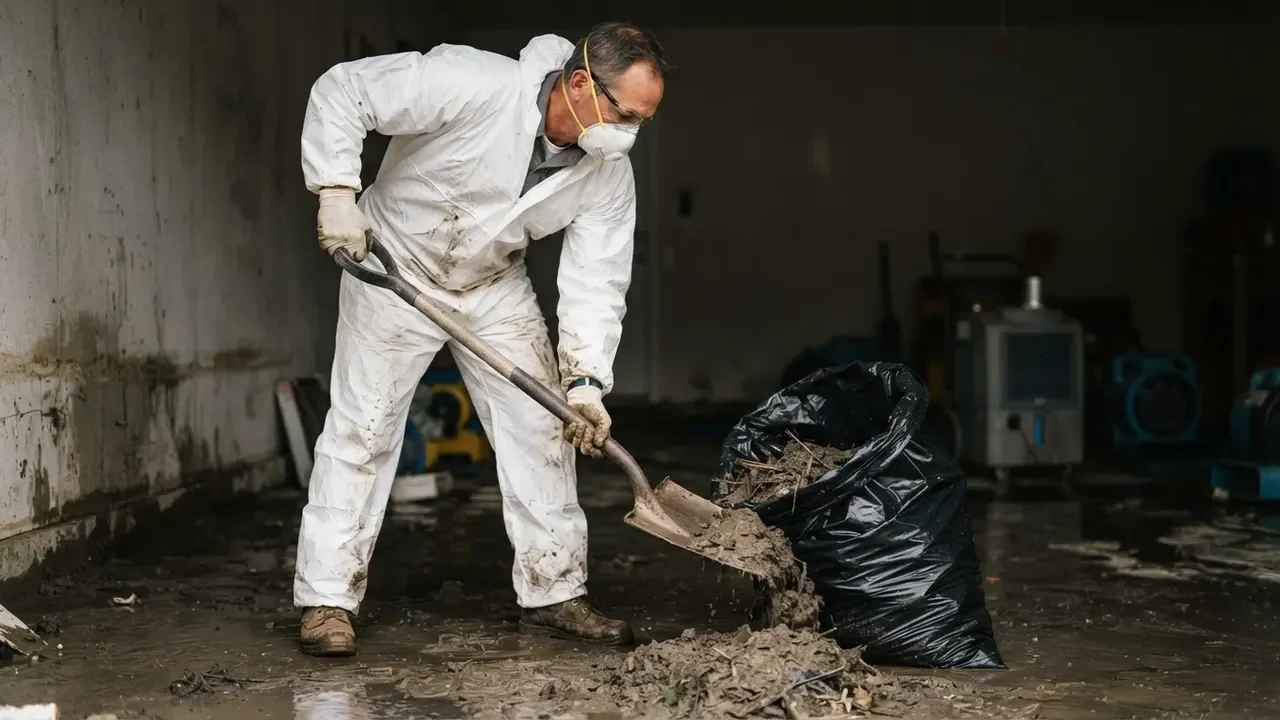
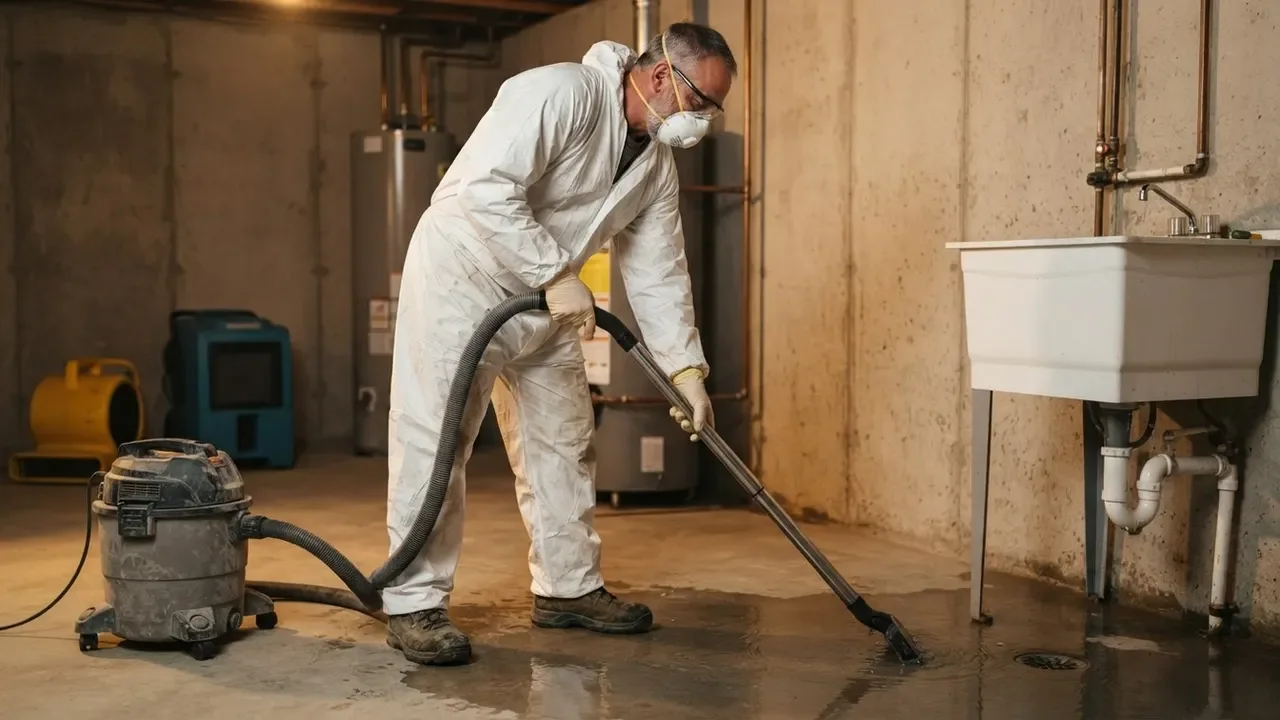
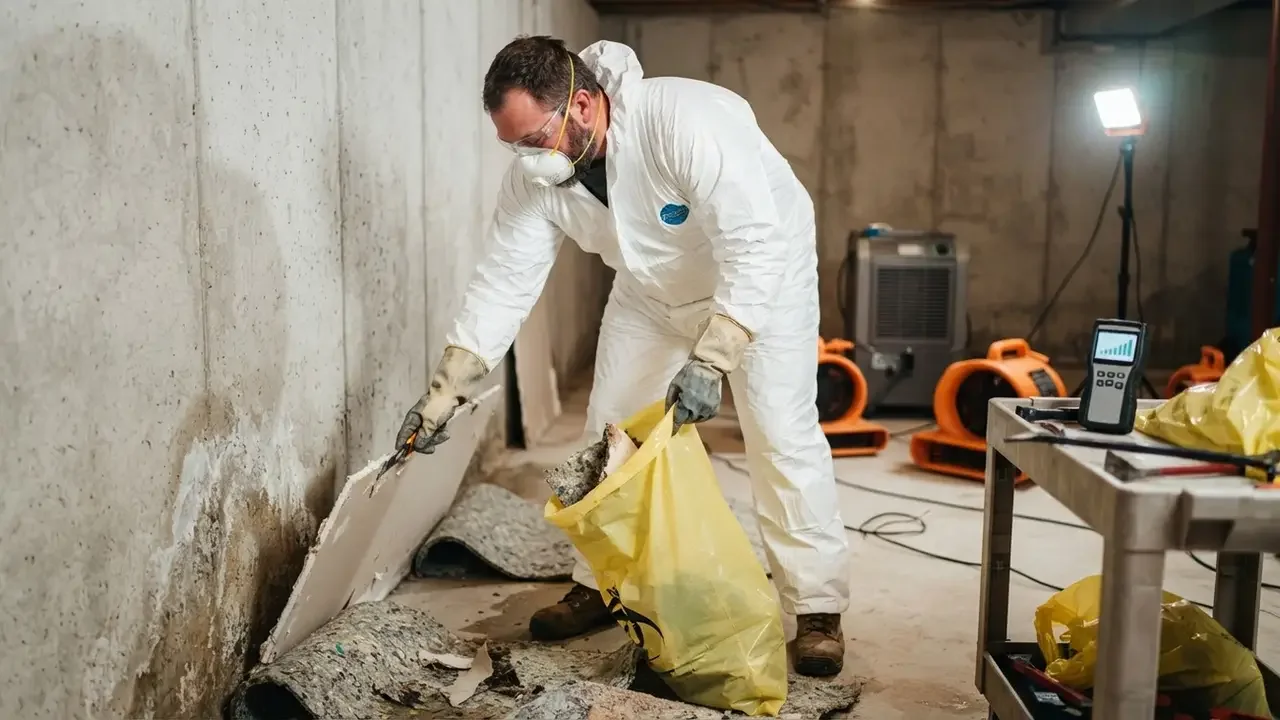
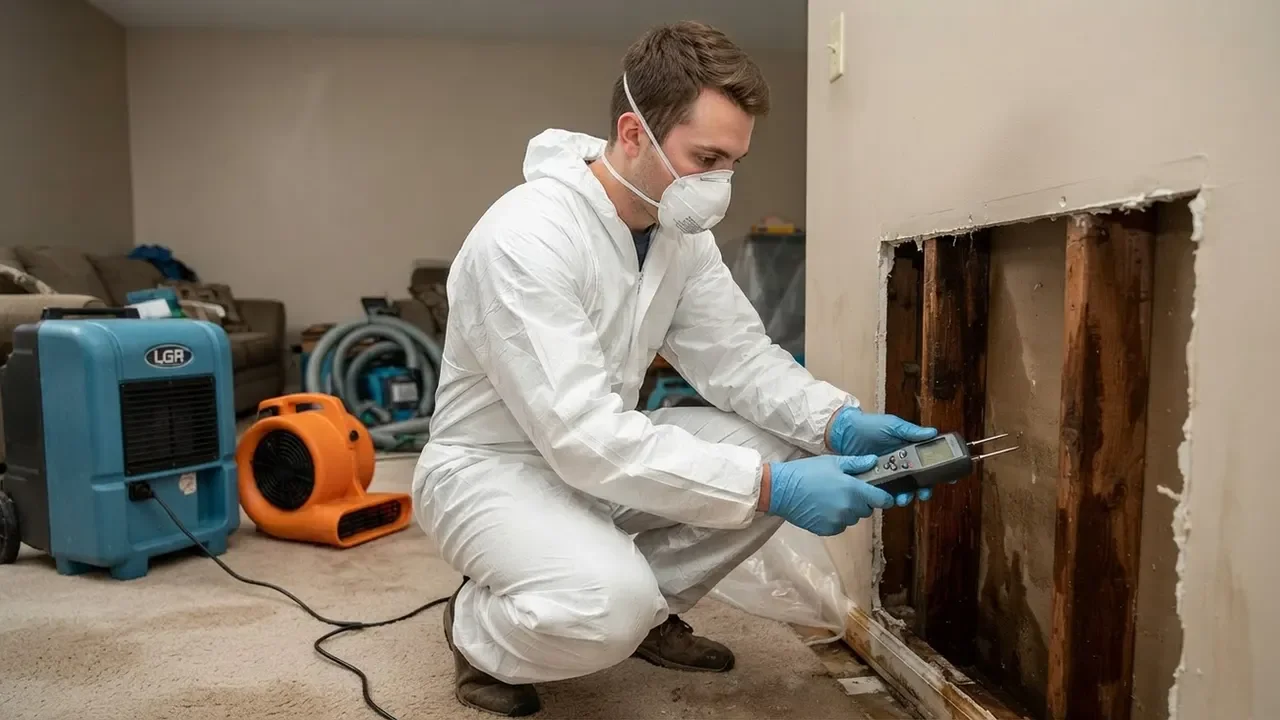
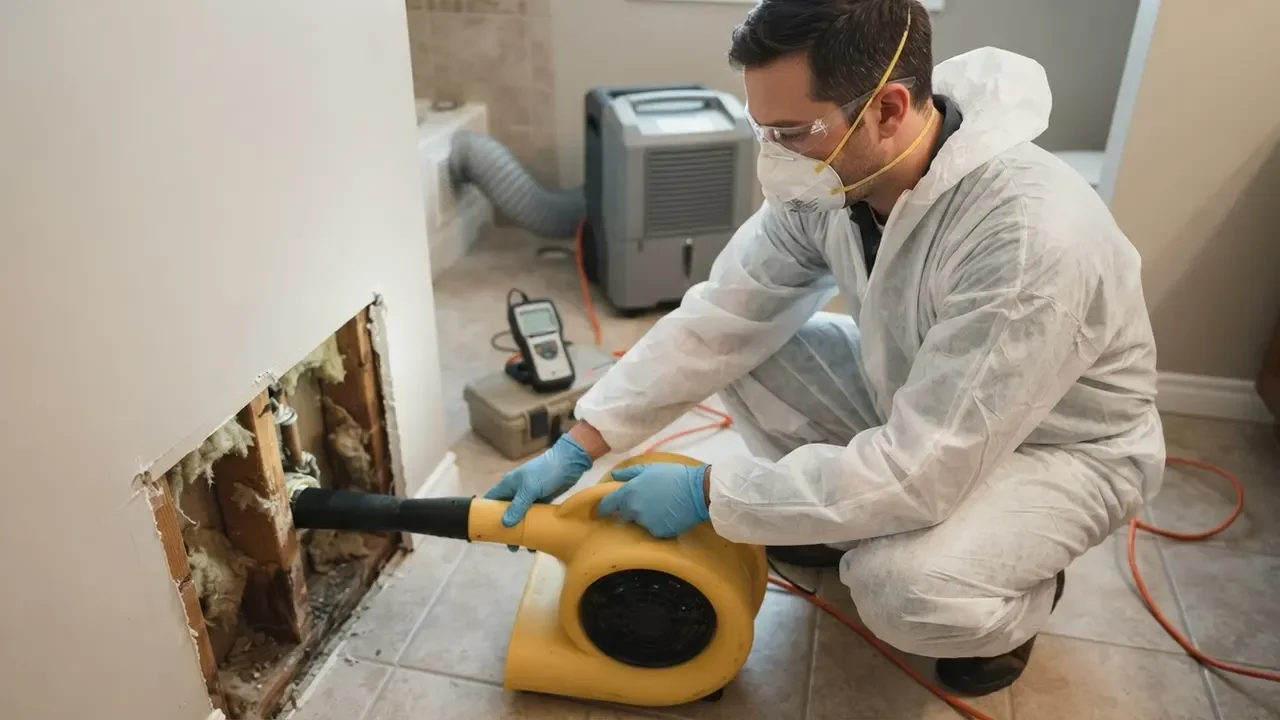
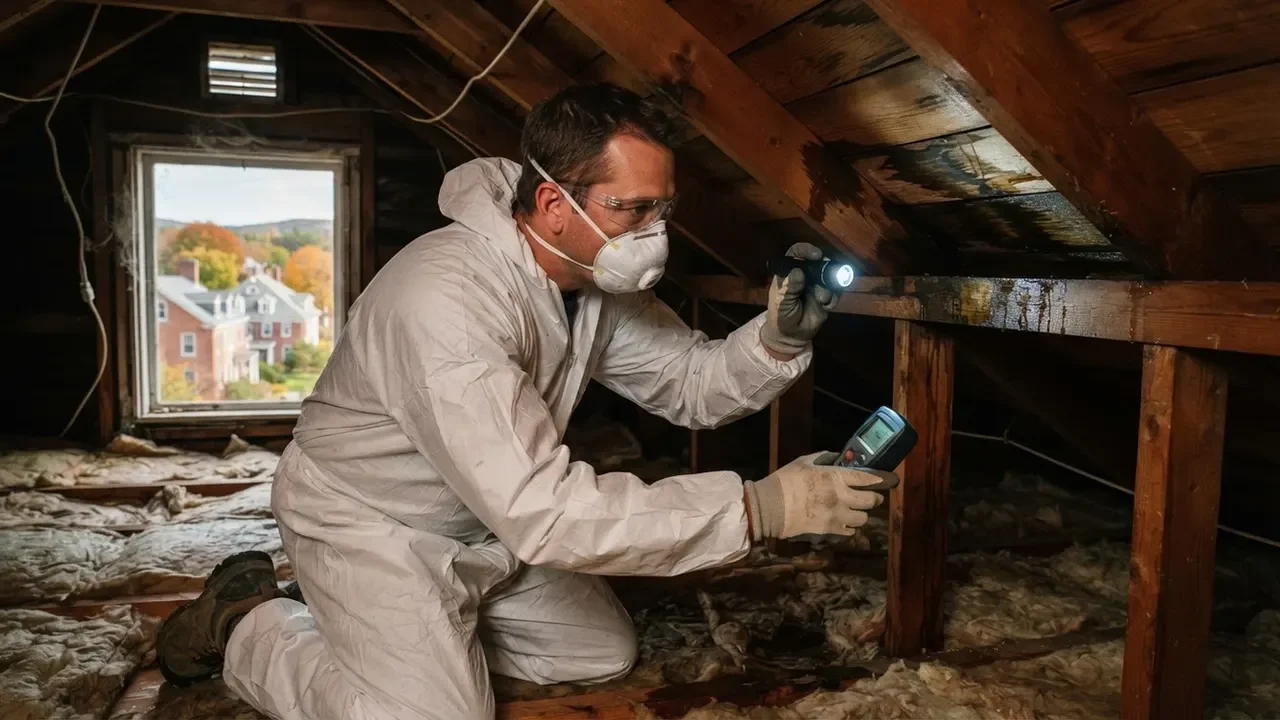
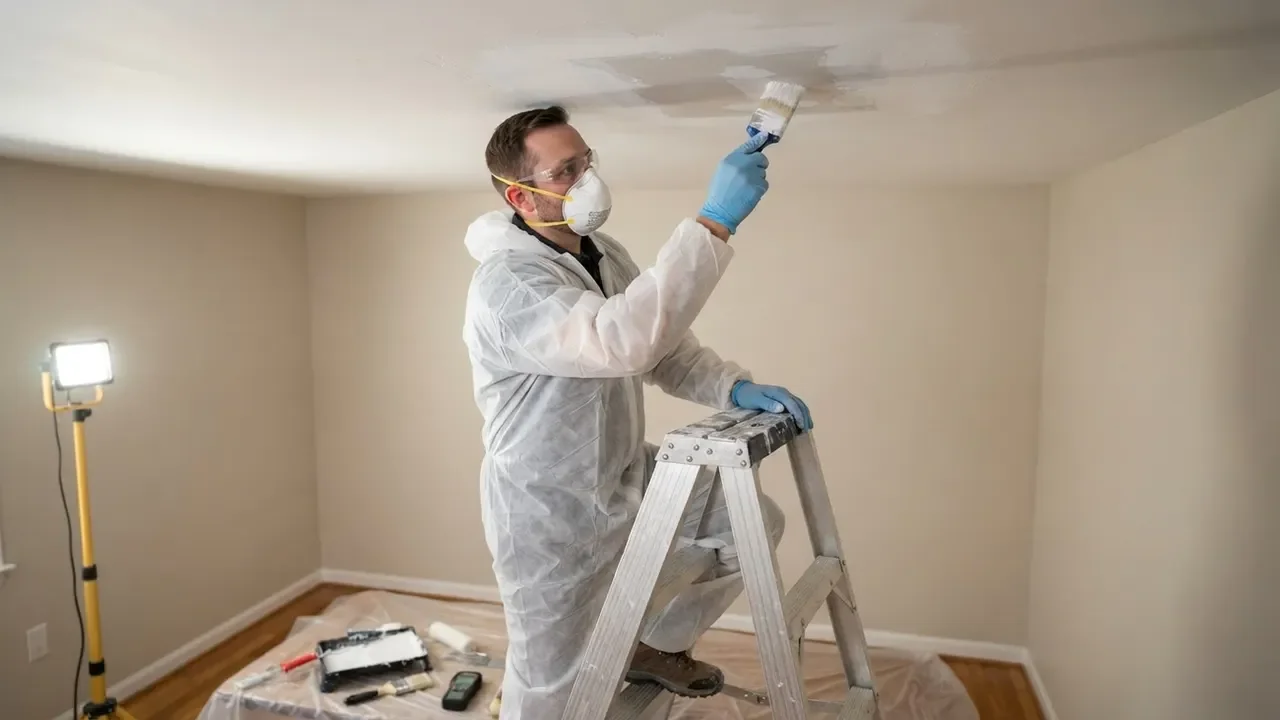
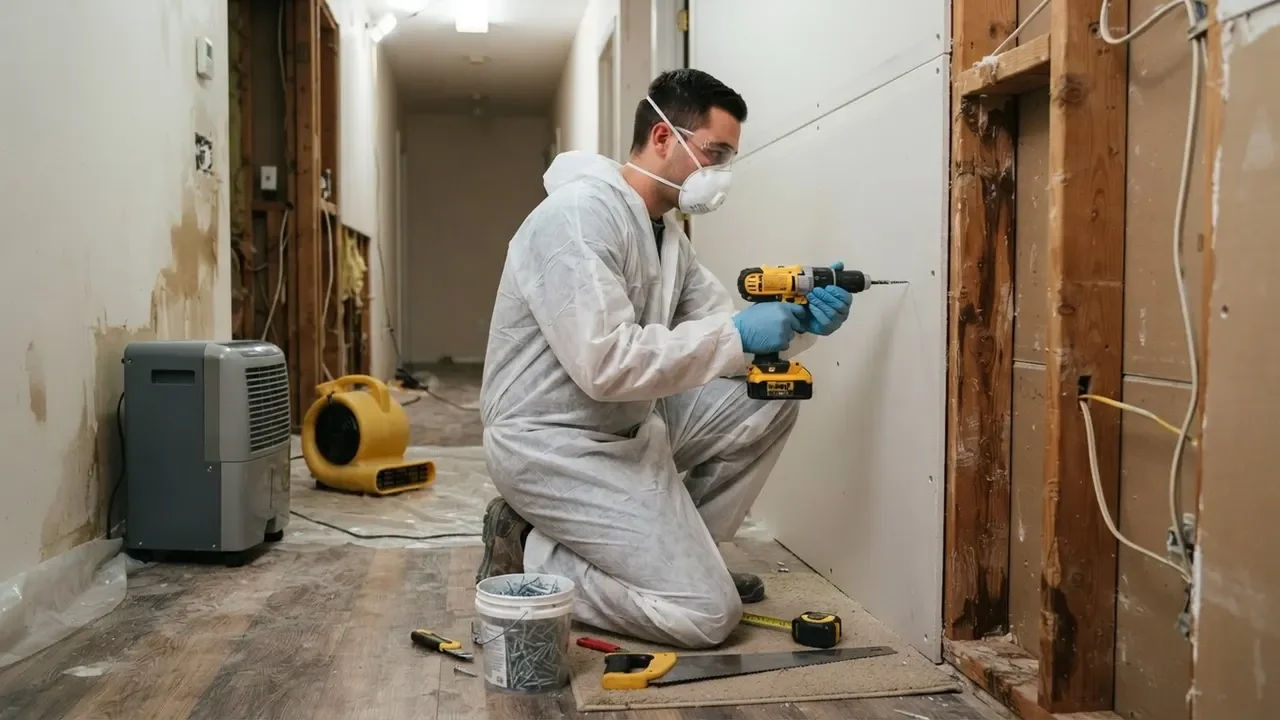

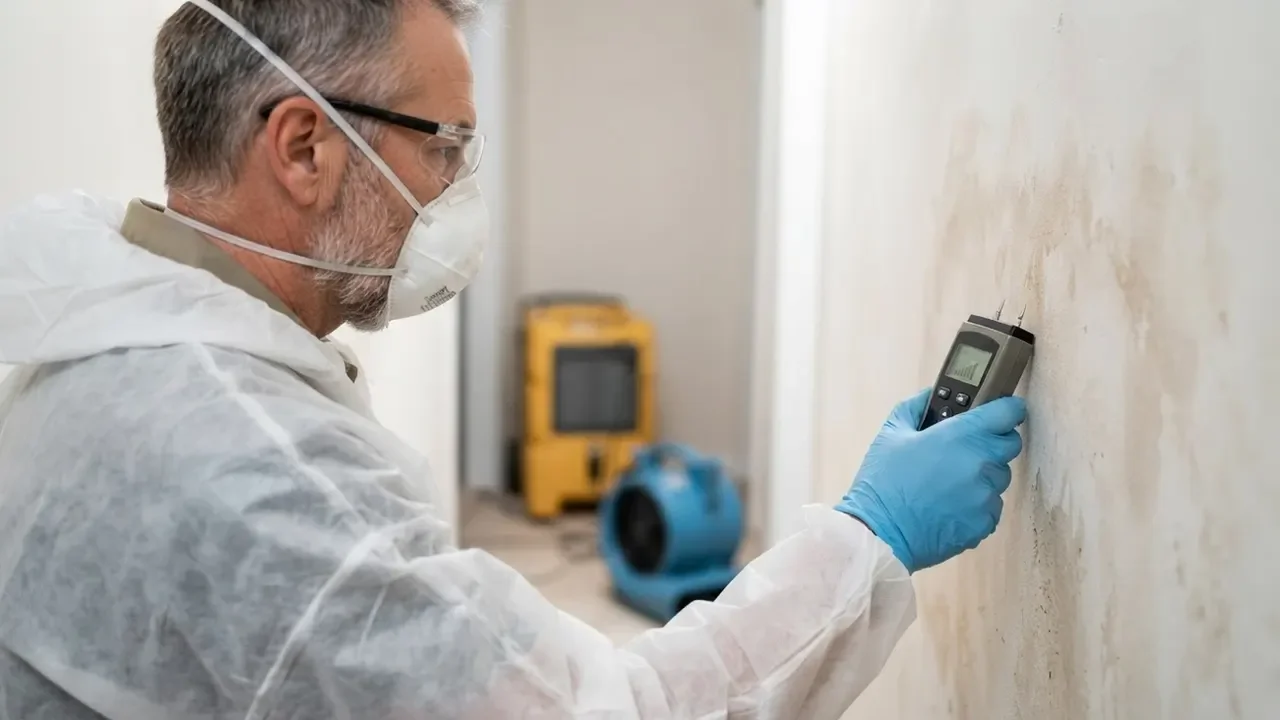
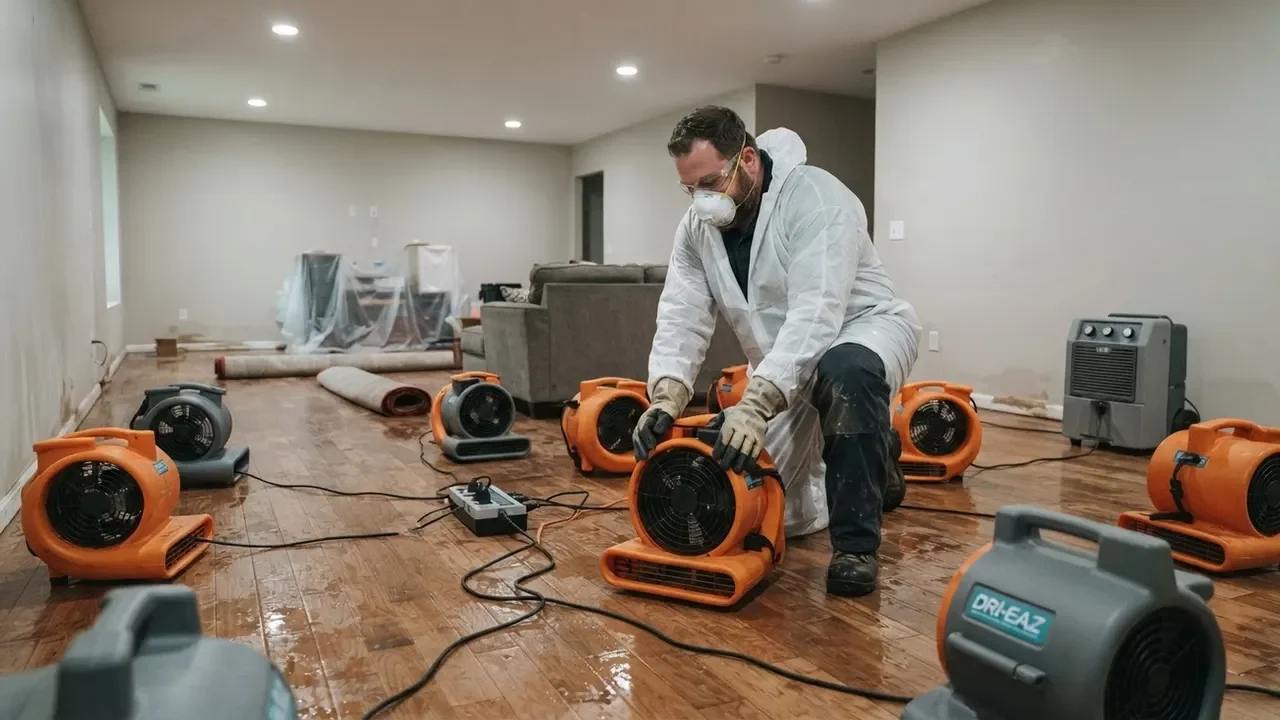
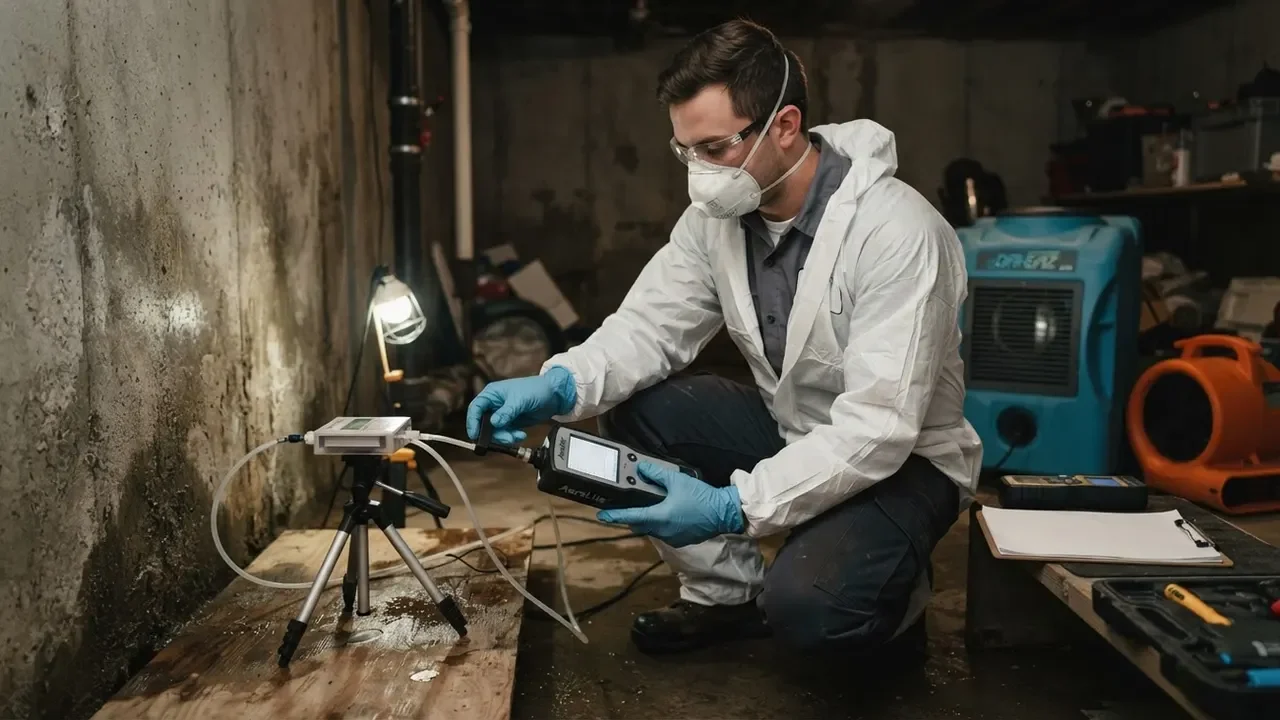
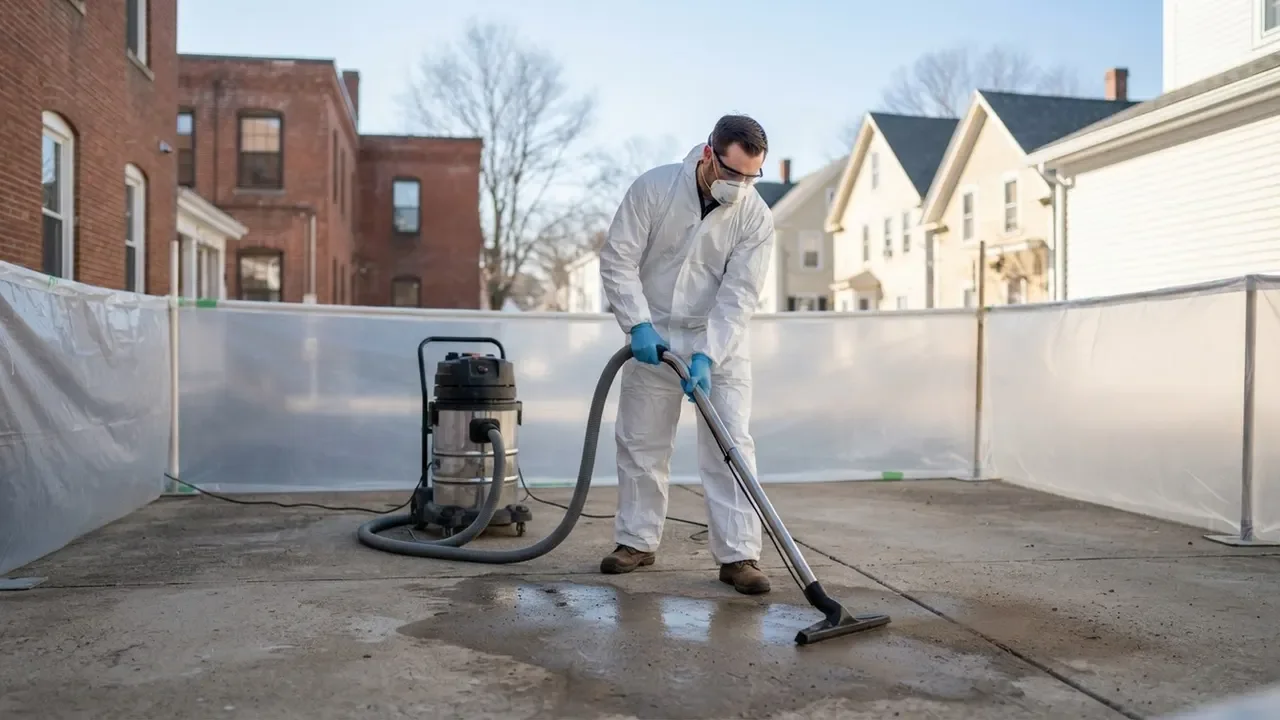
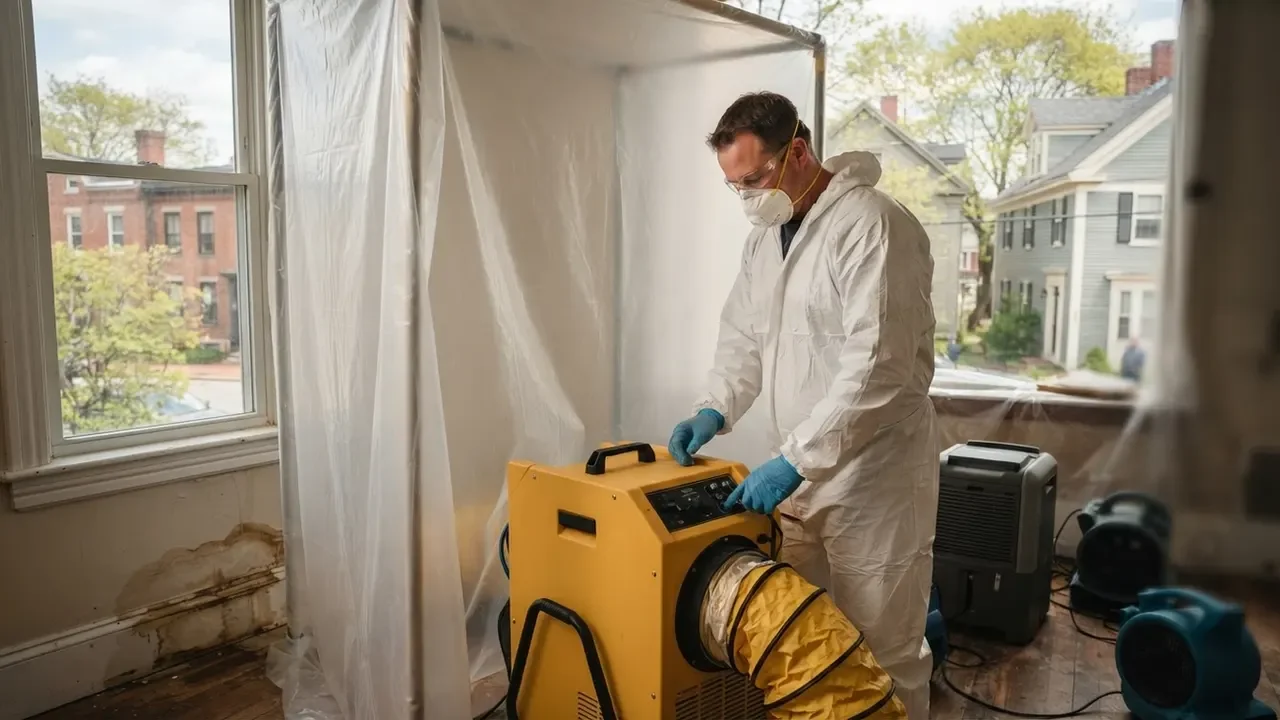
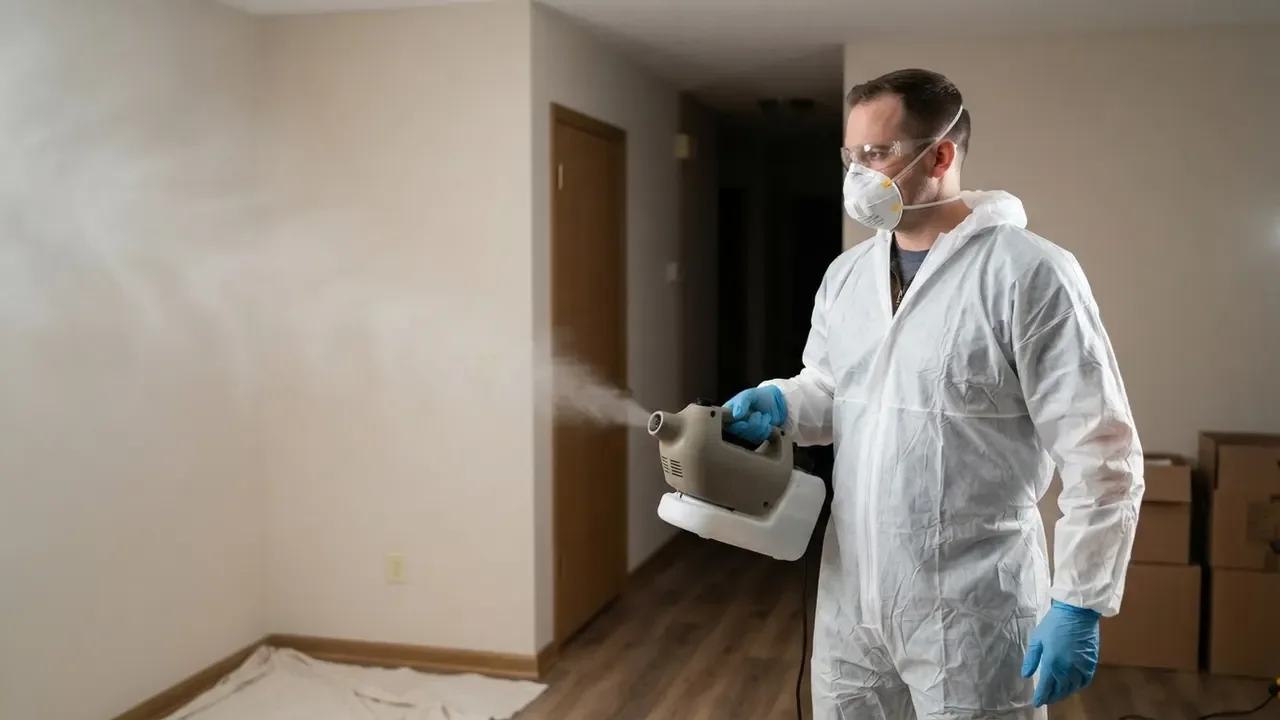
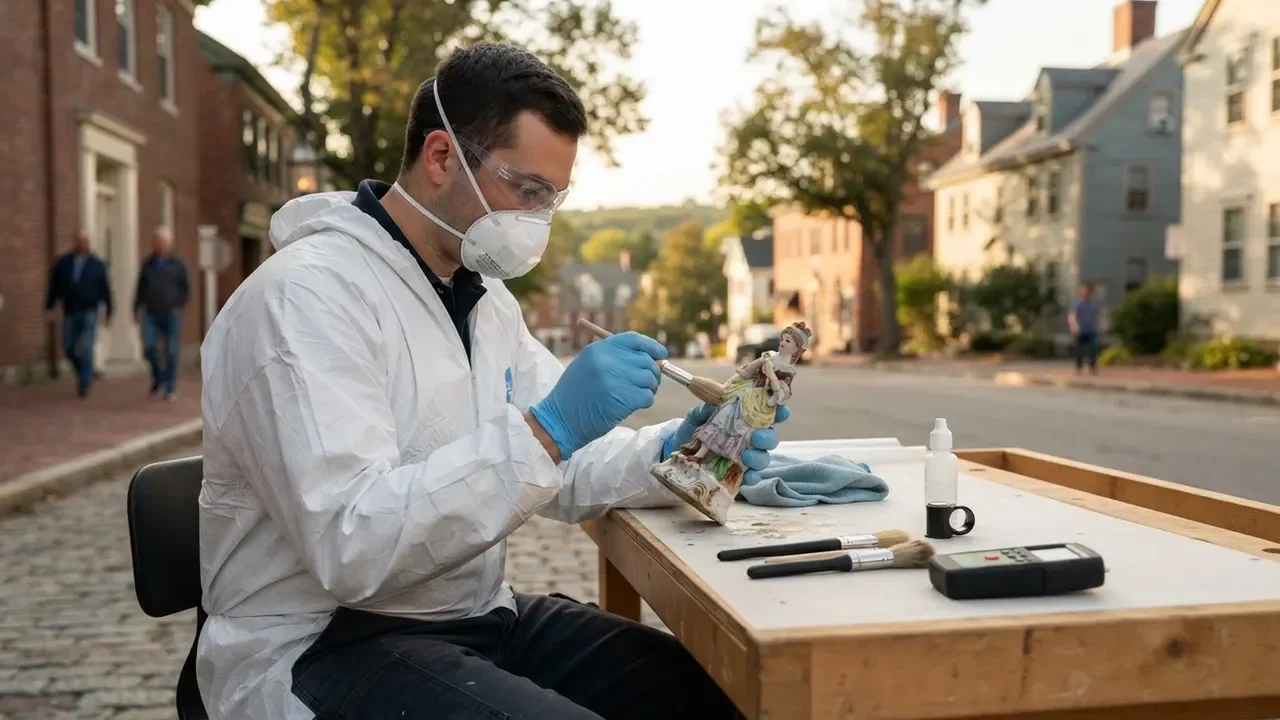
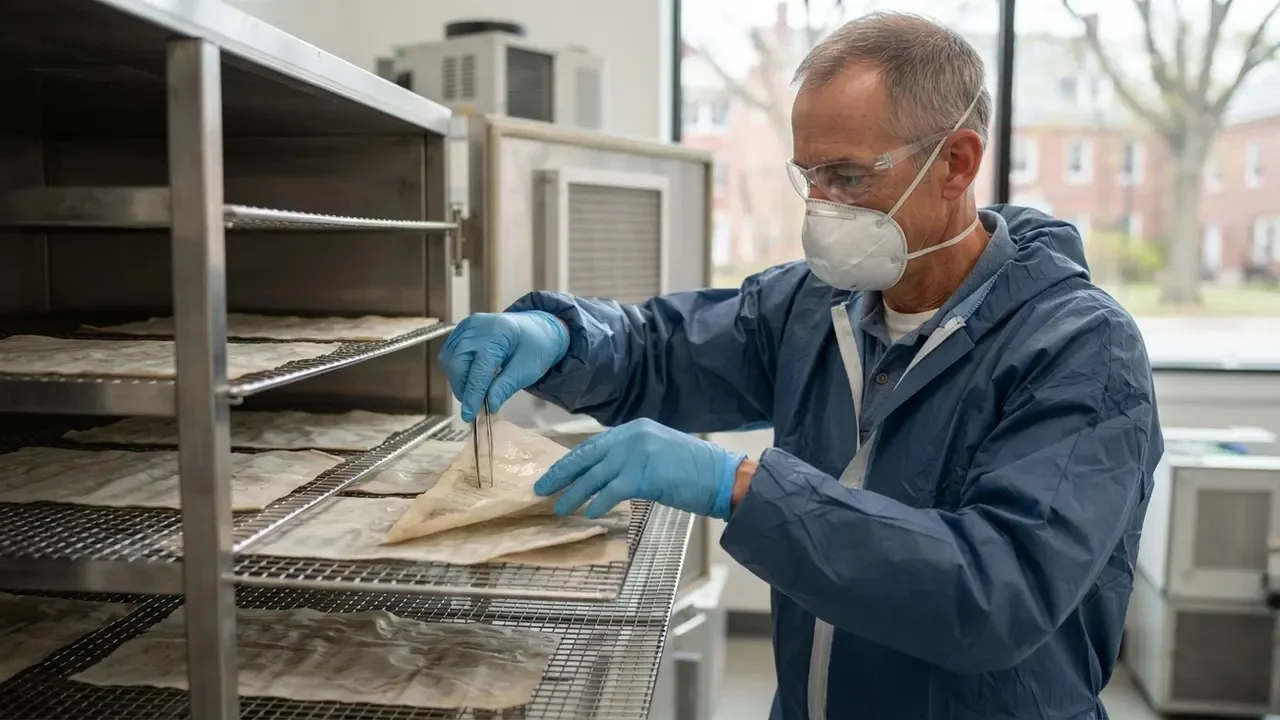
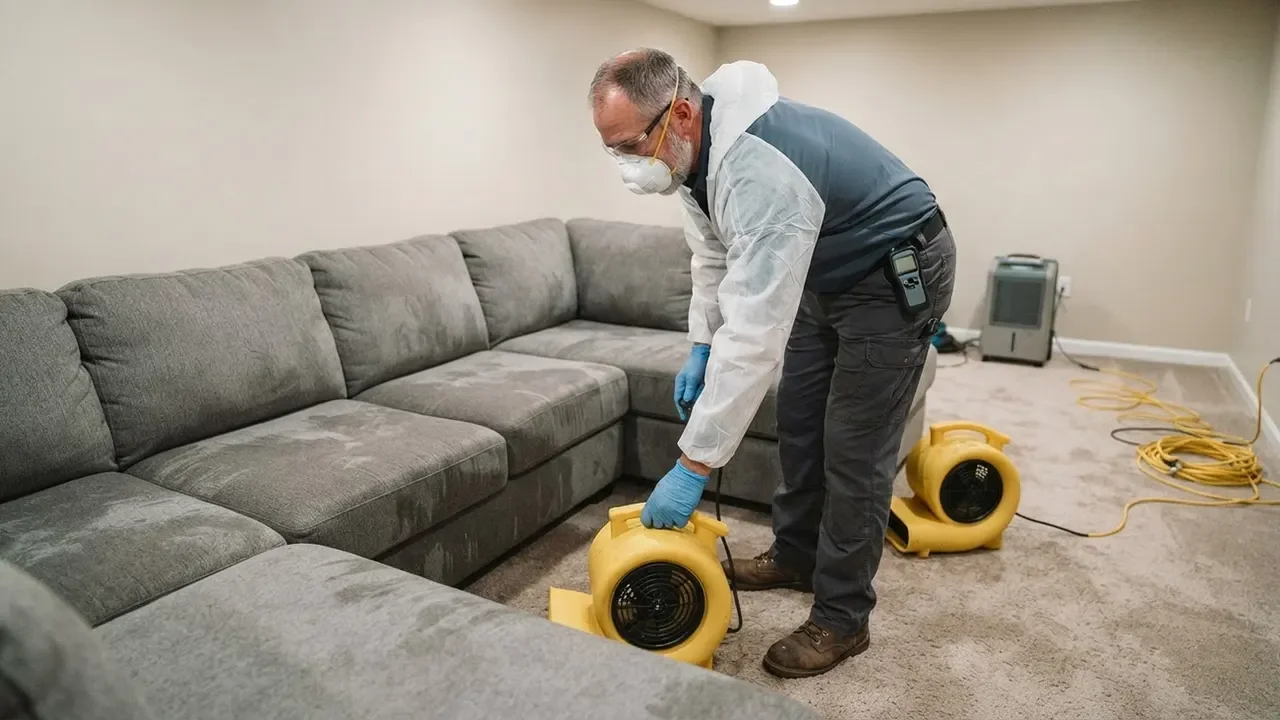
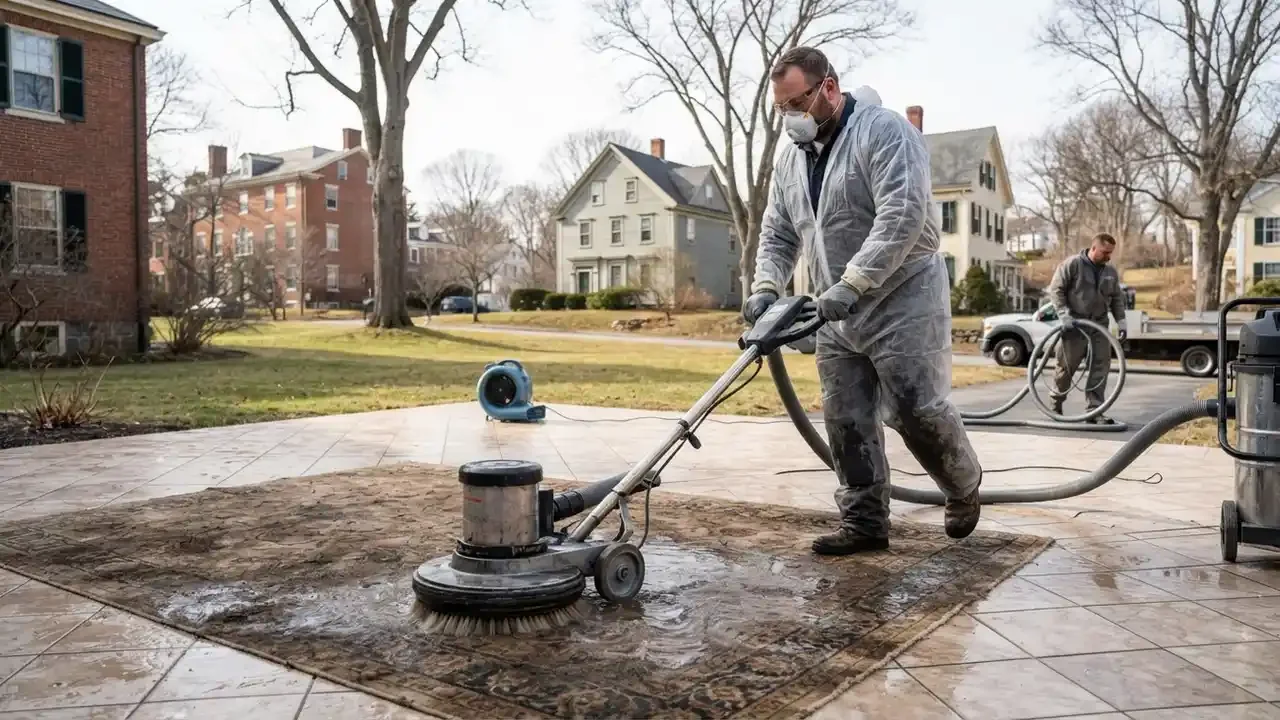

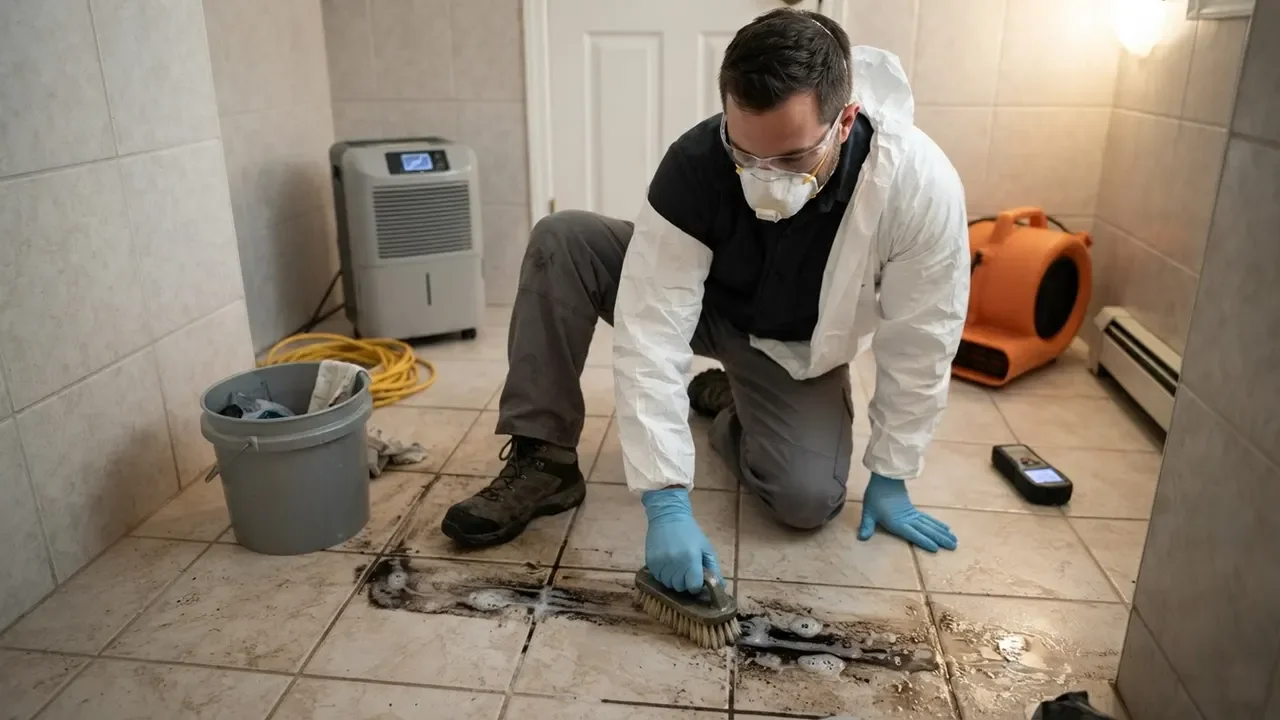
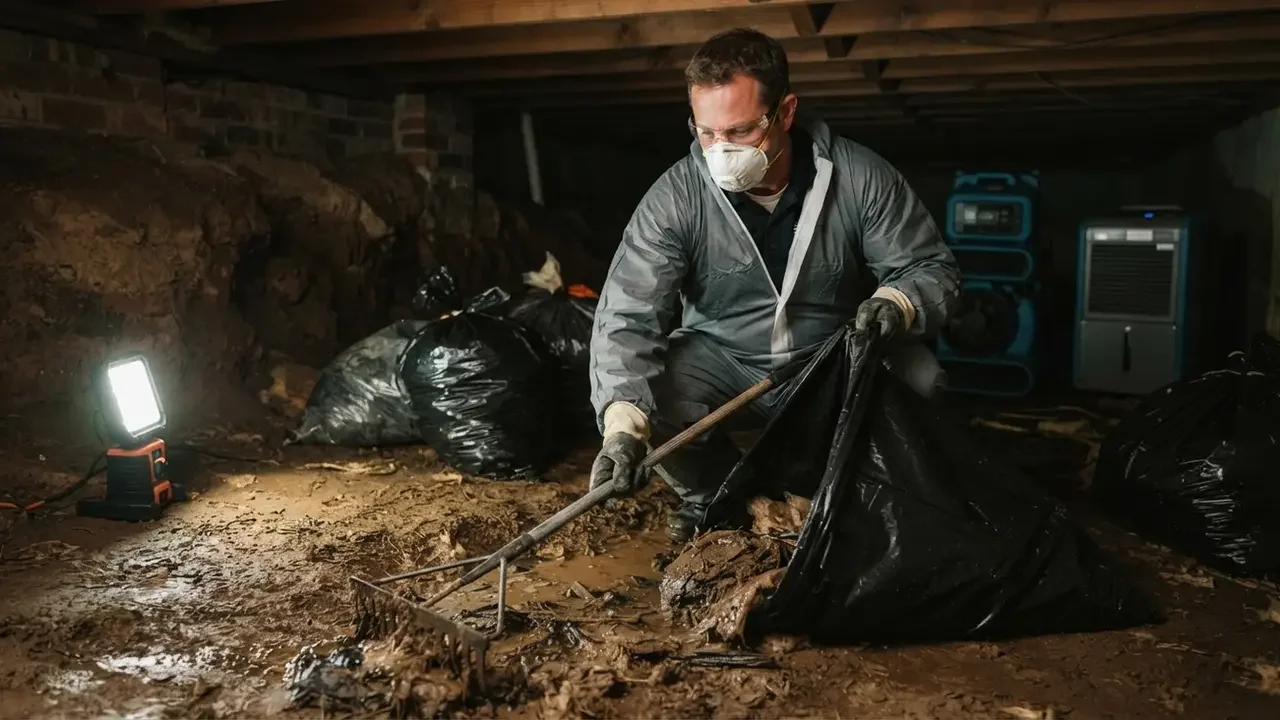
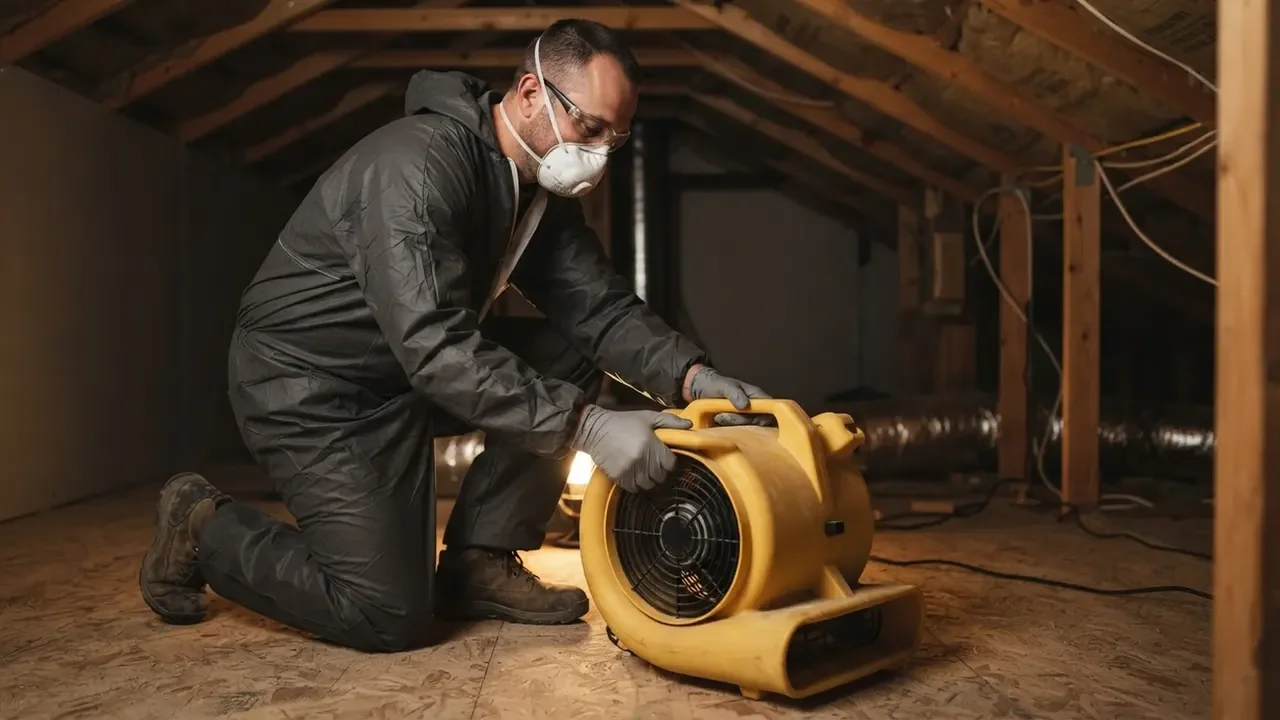
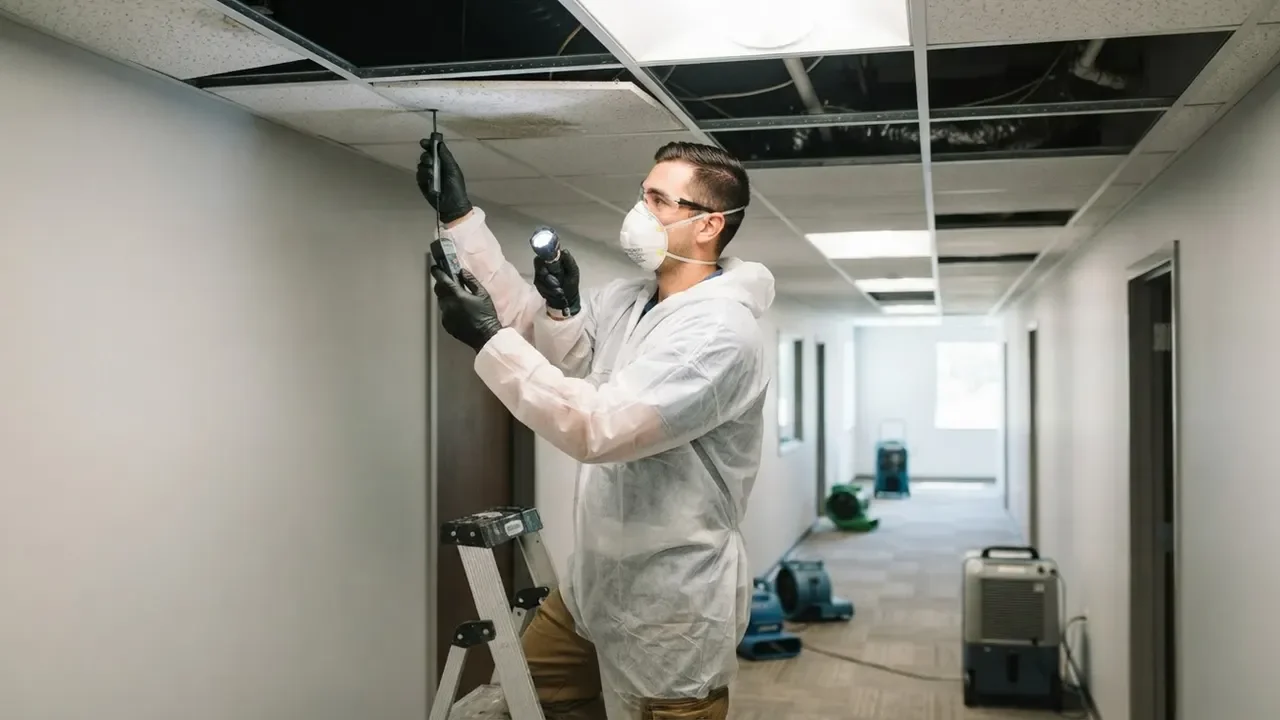
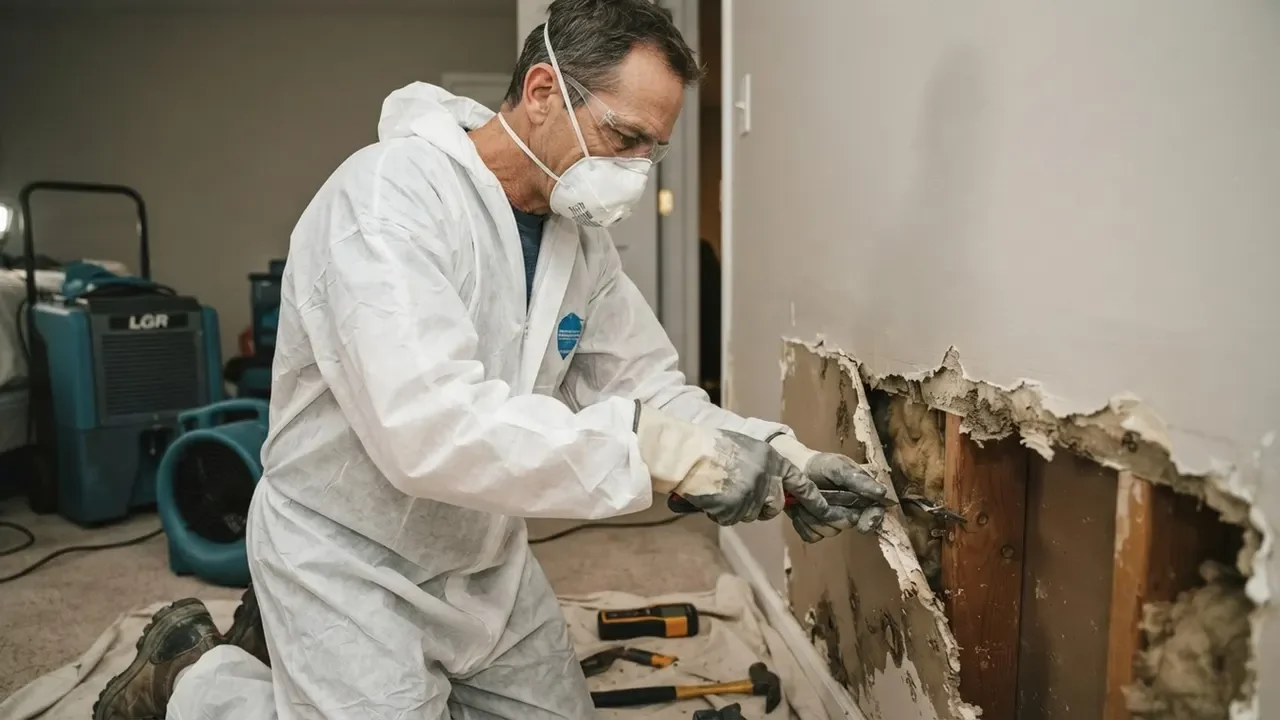
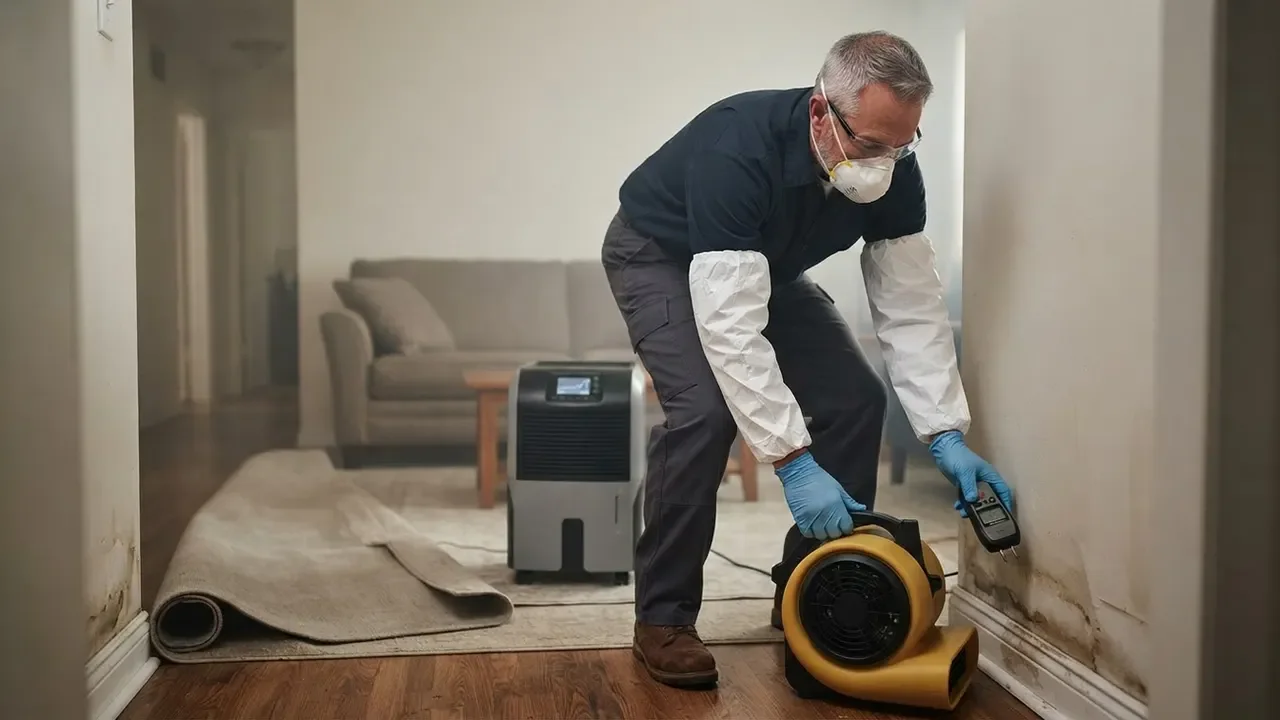
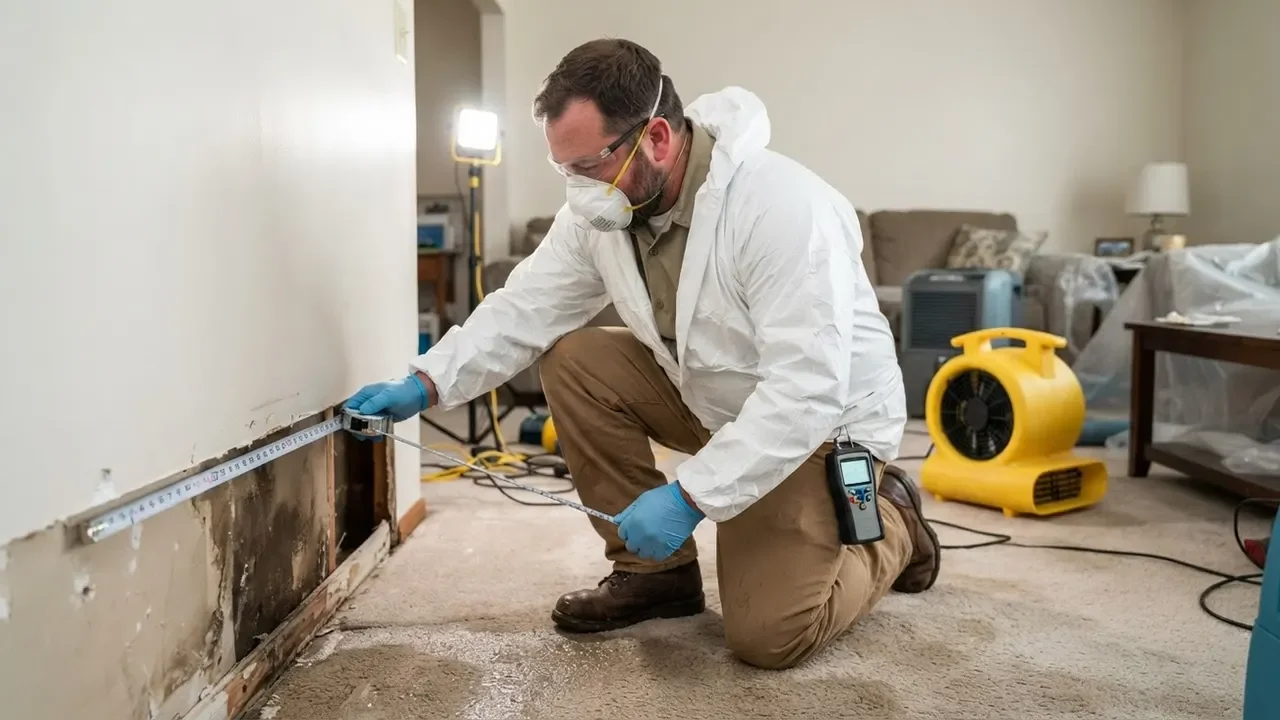
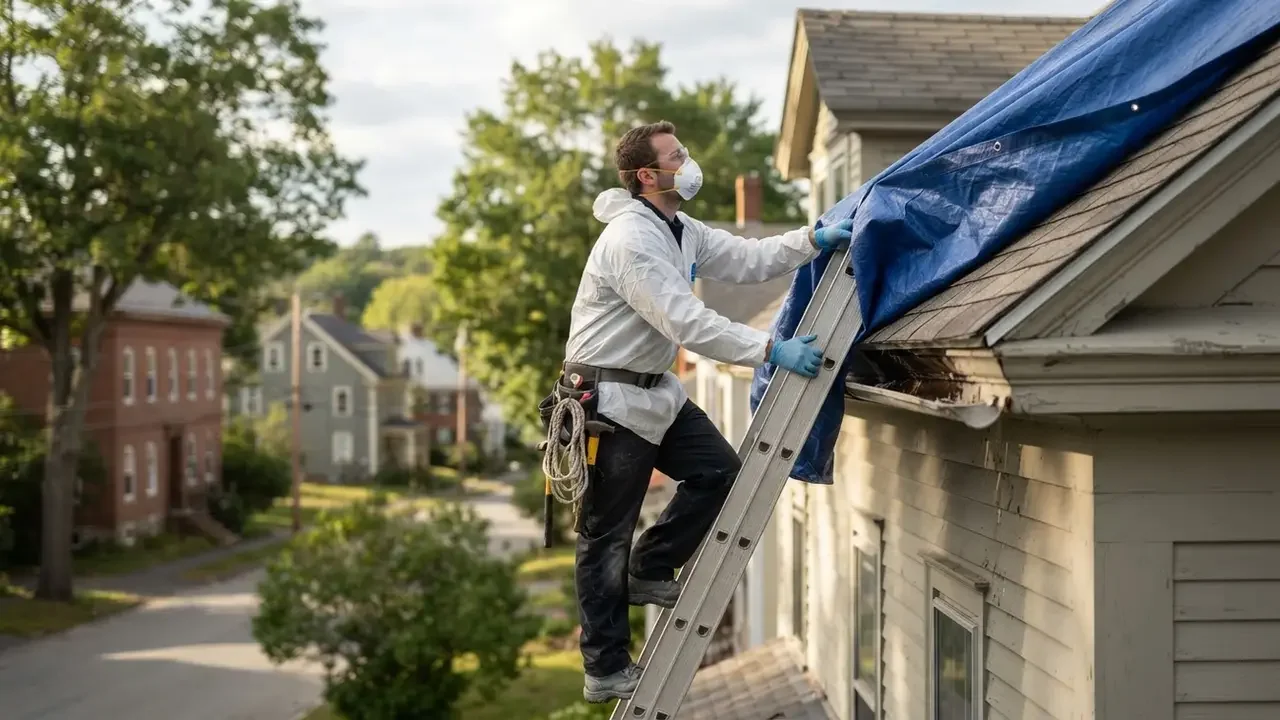
Washington Street Corridor properties face a mix of older plumbing, historic brick construction, shared walls, and cold winter conditions. A Merrimack River flooding risk is relevant to local planning, but water at a specific property still needs an individual source assessment. Washington Street Corridor water damage cleanup may involve pipe leaks, roof entry, basement water, or a backup, each with different safety and drying requirements. We inspect the building materials and water path before choosing extraction and removal methods.
Cold winters can expose vulnerable plumbing to freezing, especially where pipes pass through unheated or poorly protected areas. A pipe may release water when it thaws, leaving damage inside a wall before a resident sees a puddle. Shared plumbing layouts can also spread the effects beyond one room.
Historic brick buildings can have older exterior details where roof edges, openings, or joints need maintenance. Wind-driven rain may enter and travel along framing or interior finishes before a ceiling stain forms. The first visible mark may be some distance from the entry point.
Lower levels are vulnerable to water entry from plumbing failures, drainage problems, or regional high-water conditions. A basement may hold water along the floor-wall junction while boxes and textiles absorb it. The actual cause varies by property and must be checked rather than assumed from location alone.
Urban density and shared walls make it possible for water to move between floors or units before the source is found. A supply line, appliance hose, or roof leak can leave one resident with the source and another with the visible damage. Delayed access can extend the wet area.
Call when water is still entering, a ceiling is sagging, or a floor feels soft underfoot. In Washington Street Corridor's older buildings, a small stain can sit below a larger wet cavity, and shared walls can carry moisture into another room. If you need same day water damage cleanup Washington Street Corridor, describe the source, visible area, and whether the water is clean or contaminated. The more quickly we locate the source and remove standing water, the sooner controlled drying can begin.
Ceiling stain grows after a leak
A spreading brown or yellow mark means water is continuing to move through the ceiling assembly or the source remains active. If the ceiling bows, keep people and belongings clear of the area and call promptly. We inspect above and around the stain before deciding what material needs removal.
Floorboards cup or feel soft
Raised hardwood edges, soft spots, or a buckling transition can signal moisture beneath the finish. Water may also be trapped in carpet padding or the subfloor. Avoid covering the area with rugs; we check the floor and adjoining baseboards to determine how far the moisture has traveled.
Musty odor returns after cleaning
A recurring musty smell can indicate damp material behind drywall, beneath flooring, or in a lower-level space. Air freshener will not dry the source. We take readings around the odor area and inspect likely pathways, especially if a leak or basement water event occurred recently.
Water appears near an electrical outlet
Water near outlets, lights, or electrical equipment creates an immediate safety concern. Do not touch wet electrical devices or enter standing water near energized equipment. Keep clear and call the appropriate emergency service if there is immediate danger, then contact us once the area is safe to assess.
Pipe freezes, bursts, or leaks
A frozen or burst pipe can release water into walls and floors, even after the visible flow stops. During a cold snap, check for reduced flow and unusual dampness, but do not use an open flame to thaw plumbing. We extract water and inspect connected spaces after the leak is controlled.
We use established Haverhill landmarks as orientation points when confirming an address, not as claims about where a loss occurred. Haverhill City Hall and Haverhill Public Library help distinguish downtown-side directions, while the Merrimack River provides a clear geographic reference for nearby streets. For a service call, your exact address, entrance, floor, and parking instructions remain the most useful details. Call before moving wet contents through a shared hallway so we can plan the safest route.
Haverhill City Hall is a downtown civic reference point for confirming directions toward the central street network. An address and cross street remain necessary to identify the specific property and entrance.
The Haverhill Public Library is a recognizable downtown orientation point when discussing nearby streets. We use it only to clarify general direction; it does not substitute for the service address or access instructions.
The Merrimack River is a major geographic reference for Haverhill and helps people describe the general side of town. We still assess each property's elevation, water source, and actual exposure individually.
Plus surrounding Essex County neighborhoods, with same-day routing on most appointments.
As November turns toward winter, frozen-pipe prevention and quick response to leaks move to the front of the list for Washington Street Corridor property owners. Cold conditions can damage plumbing, while spring rain can bring lower-level water concerns. Summer storms may open roofs or overwhelm drainage, and fall leaf buildup can affect roof runoff. If you are looking for basement water removal in Washington Street Corridor MA, tell us whether water appeared after rain, a plumbing failure, or both.
Spring rain and thaw can reveal water at basement walls, floor joints, or around below-grade openings. Wet storage and damp masonry need prompt assessment, particularly if water returns after each storm. We distinguish a one-time plumbing release from recurring entry before setting a drying plan.
Tip: Move valuables off the basement floor before the wet season and keep the sump area accessible. If water appears, photograph the first visible line and call before discarding items that may help identify the source.
Summer storms can drive rain into roof details or expose weak window and exterior seals. High indoor humidity can also slow drying after a leak. We check the source, remove standing water, and monitor the affected materials rather than relying on fans alone.
Tip: After heavy rain, inspect ceilings and lower-level rooms for new stains or damp odors. Do not climb onto a wet roof; report the interior location and any active dripping so we can plan a safe inspection.
Fall is a useful time to address roof drainage and vulnerable plumbing before freezing weather arrives. A small leak around a ceiling or pipe may be easier to correct before winter access becomes difficult. We also respond to wind-driven rain and storm-related openings.
Tip: Check visible ceilings, basement corners, and accessible plumbing areas before temperatures drop. Keep shutoff locations clear and share them with household members so a leak can be controlled quickly.
Winter brings the sharpest concern for frozen pipes in unheated areas and buildings with older plumbing. A pipe can split during a cold night and release water after thawing. Fast extraction helps limit spread into drywall, flooring, and shared walls.
Tip: If a pipe freezes, do not use an open flame. If water is actively leaking, shut off the supply only if safe, avoid electrical hazards, and call for emergency water extraction.
Washington Street Corridor is part of our broader Haverhill service area in Essex County and the Merrimack Valley. We coordinate calls across nearby neighborhoods while keeping the same priorities: stop active water, remove standing water, and track drying with measurements. If you manage more than one property, tell us which location is affected and whether other units share the plumbing or wall system. Regional coverage does not change the need for an address-specific inspection.
(City)
Downtown Haverhill adjoins the corridor's central street network; we use the exact block and entrance to plan the service visit.
View Downtown Haverhill(City)
Riverside is another Haverhill service area connected by the local street network, with calls routed according to the property address.
View Riverside(City)
Mount Washington is included in our Haverhill coverage; we coordinate its calls alongside corridor service based on urgency and access.
View Mount Washington(City)
Bradford is across the river within the same Haverhill service region, and customers can share the affected street for routing.
View Bradford(City)
Ward Hill is part of the wider Haverhill coverage area; response planning begins with the loss location and active water conditions.
View Ward Hill(City)
Highlands and Washington Street Corridor are served within Haverhill; calls are organized by address, access, and the work required.
View HighlandsReal answers from our team for the questions we hear most often before a job starts.
If water is spreading through your Washington Street Corridor home or business, call Haverhill Water Damage Restoration at (833) 546-4116. We take emergency calls 24/7 and will ask about the source, affected floor, and access so we can plan the next step. We serve Washington Street, Main Street, Merrimack Street, and nearby Haverhill addresses. Get the water assessed and the drying plan started.
Call (833) 546-4116 when water is entering your home or business, or when a damp room needs inspection. Our referral line is available 24 hours a day to connect you with independent companies serving Haverhill, MA, including areas near 01831 and 01835. Tell us what happened, where the water is, and whether it is still flowing.
Phone
(833) 546-4116Address
Haverhill, Massachusetts
Hours
Mon–Fri: 7AM – 7PM
Sat: 8AM – 4PM
Sun: Emergency Only
24/7 Emergency Available